
ᐅ The request was for smooth walls with paintable fiberglass mesh. Please provide your assessment.
Created on: 30 Apr 2023 11:44
C
cohrsnetHello dear experts,
I am currently working on a new build project that is slowly coming to an end. The painting work was subcontracted, including filling and smoothing walls and ceilings, sanding, applying painting fleece for crack bridging, and two coats of color white paint.
We agreed on smooth walls without visible fleece seams (which is possible with a double seam cut) and streak-free walls and ceilings (the painter’s statement: even an untrained person can’t achieve this). Apart from the foundation slab and masonry, we did almost all the trades ourselves, but explicitly commissioned the painting work to a well-rated local master craftsman business because these are primarily visible elements, and my wife is very particular about this.
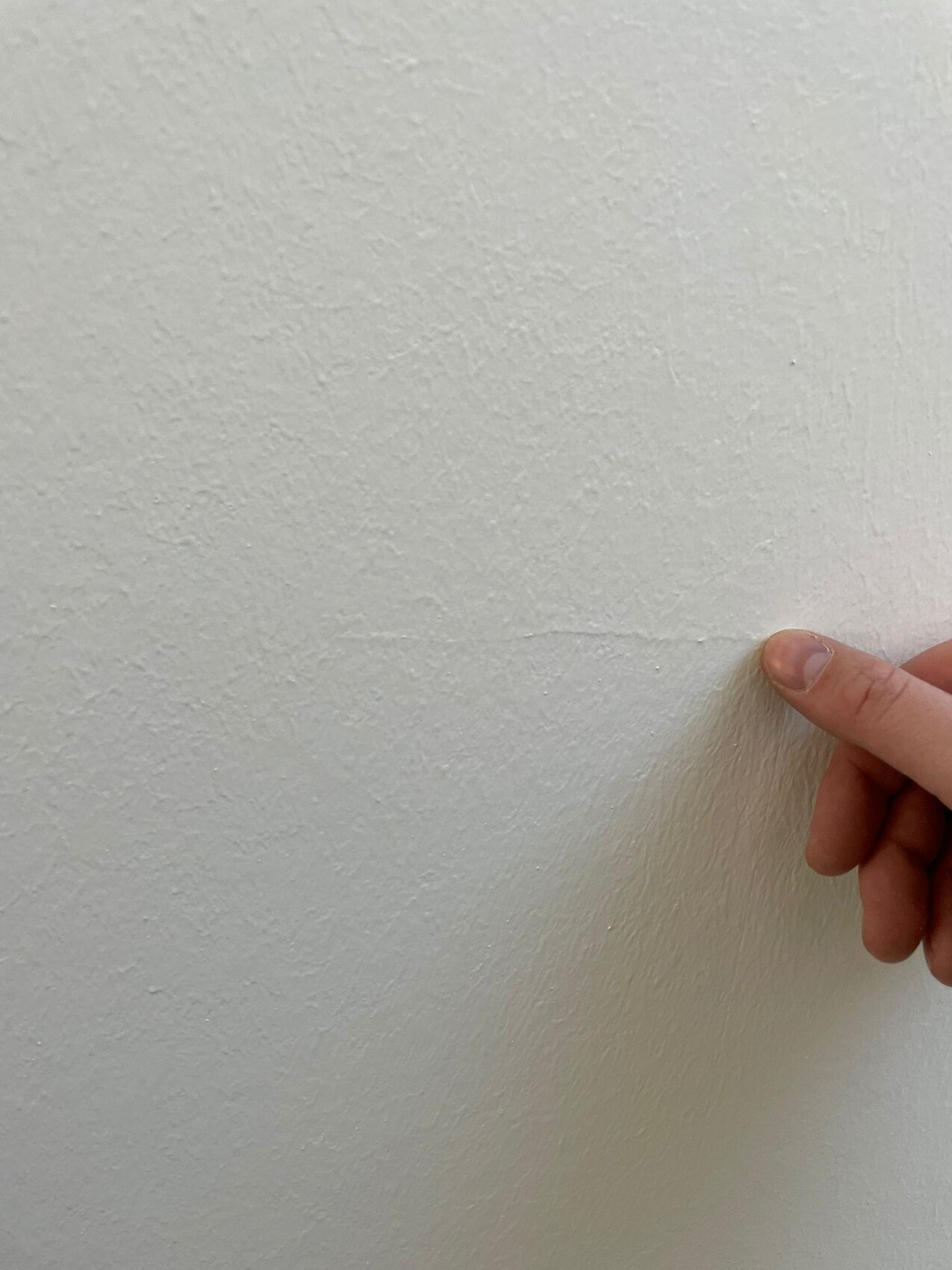
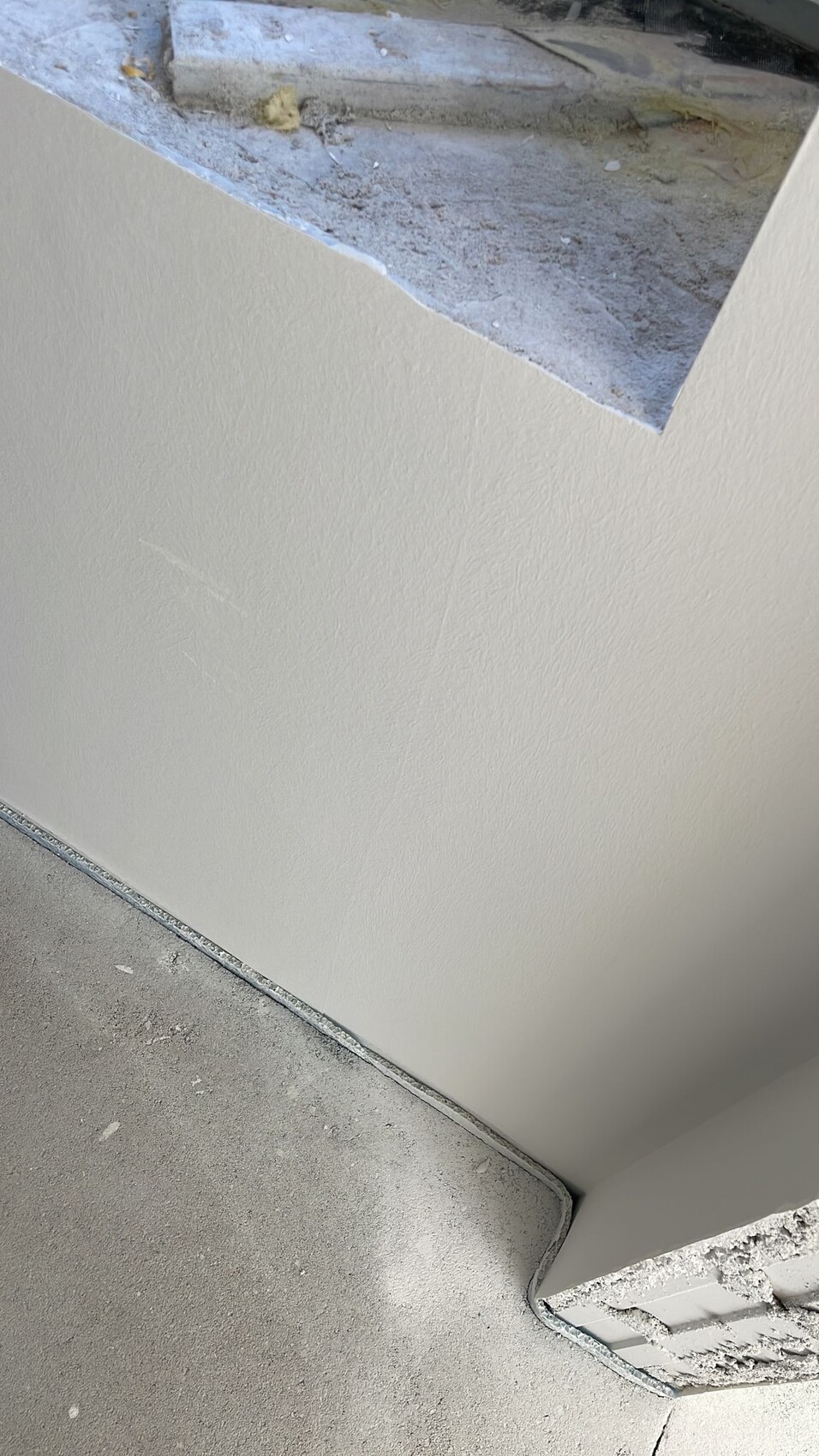
Last week, I looked at the finished painting fleece (Quadra fiberglass fleece V140, 130g/m² (4.3 oz/sq yd)) and was quite impressed with the result so far. Yesterday, after the painter declared the work finished, I checked the result again and, rightfully, was disappointed—it just looks like textured wallpaper.
Was too much paint used here? At some seams, there are gaps of 1–2 mm (0.04–0.08 inches) that were tried to be filled with paint, which obviously doesn’t work, and you can clearly see the layering in these spots. I wanted to gather some opinions before I meet with the master painter next week, as the invoice is due.
Thanks for any feedback and best regards!
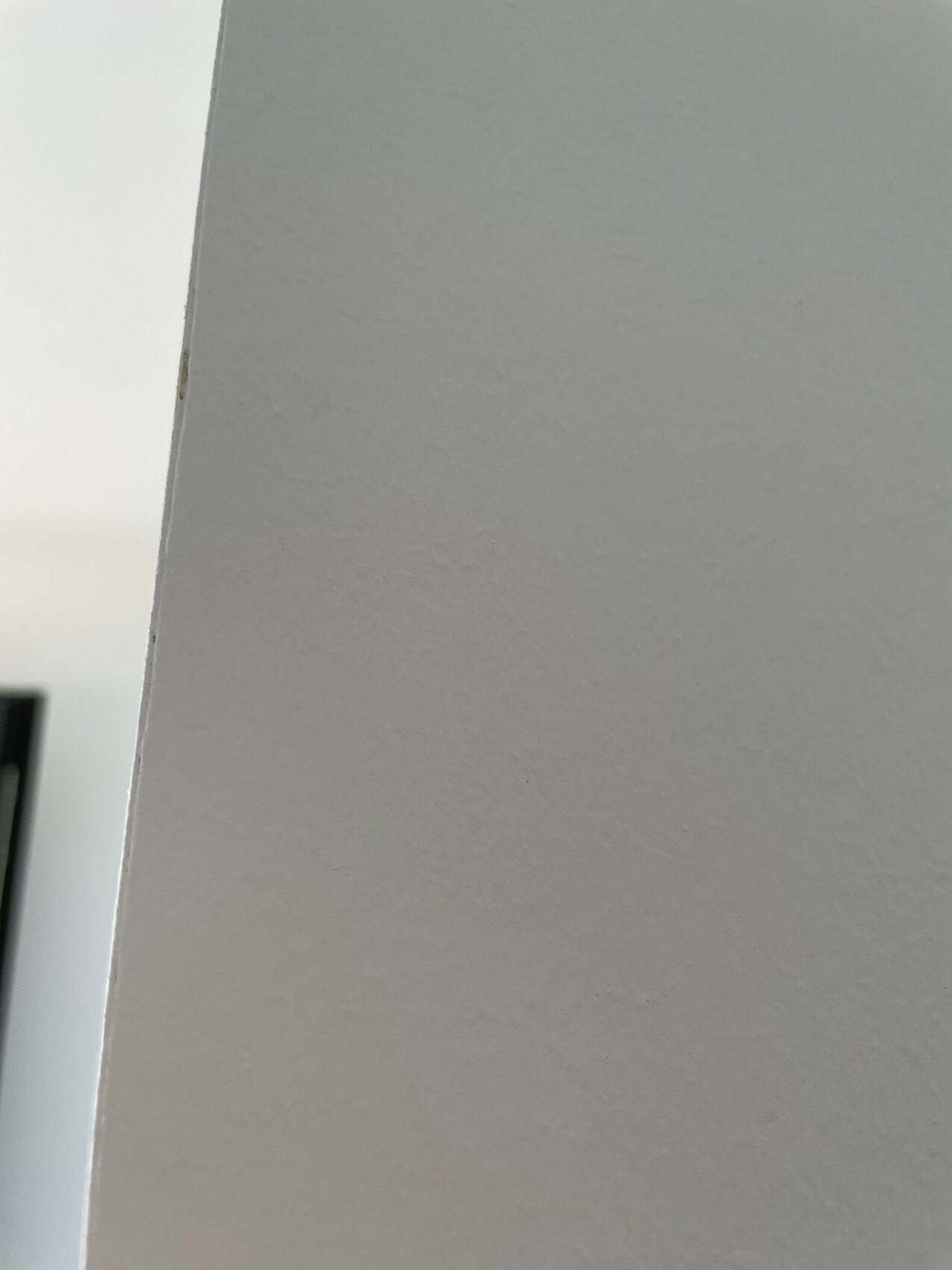
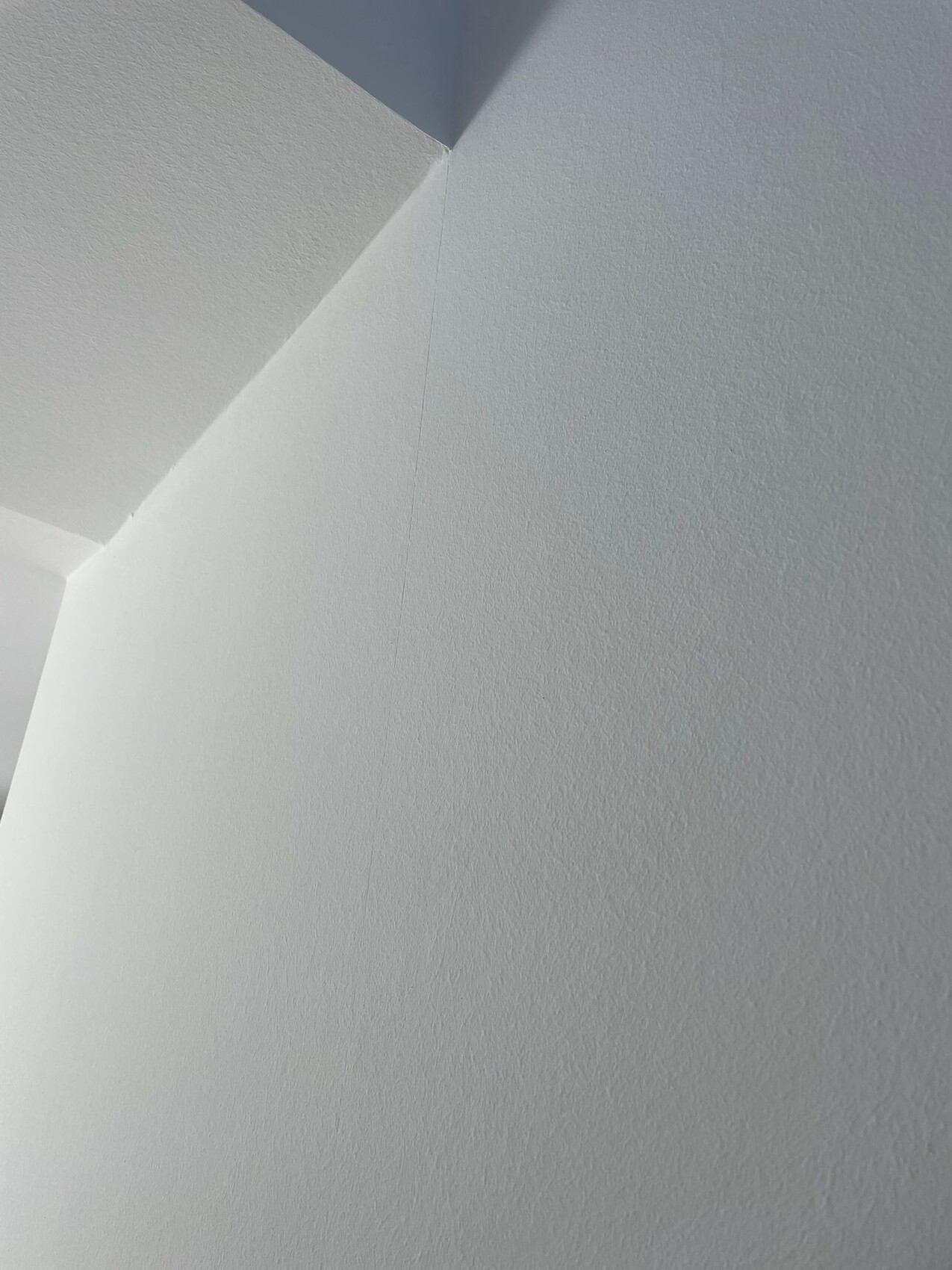
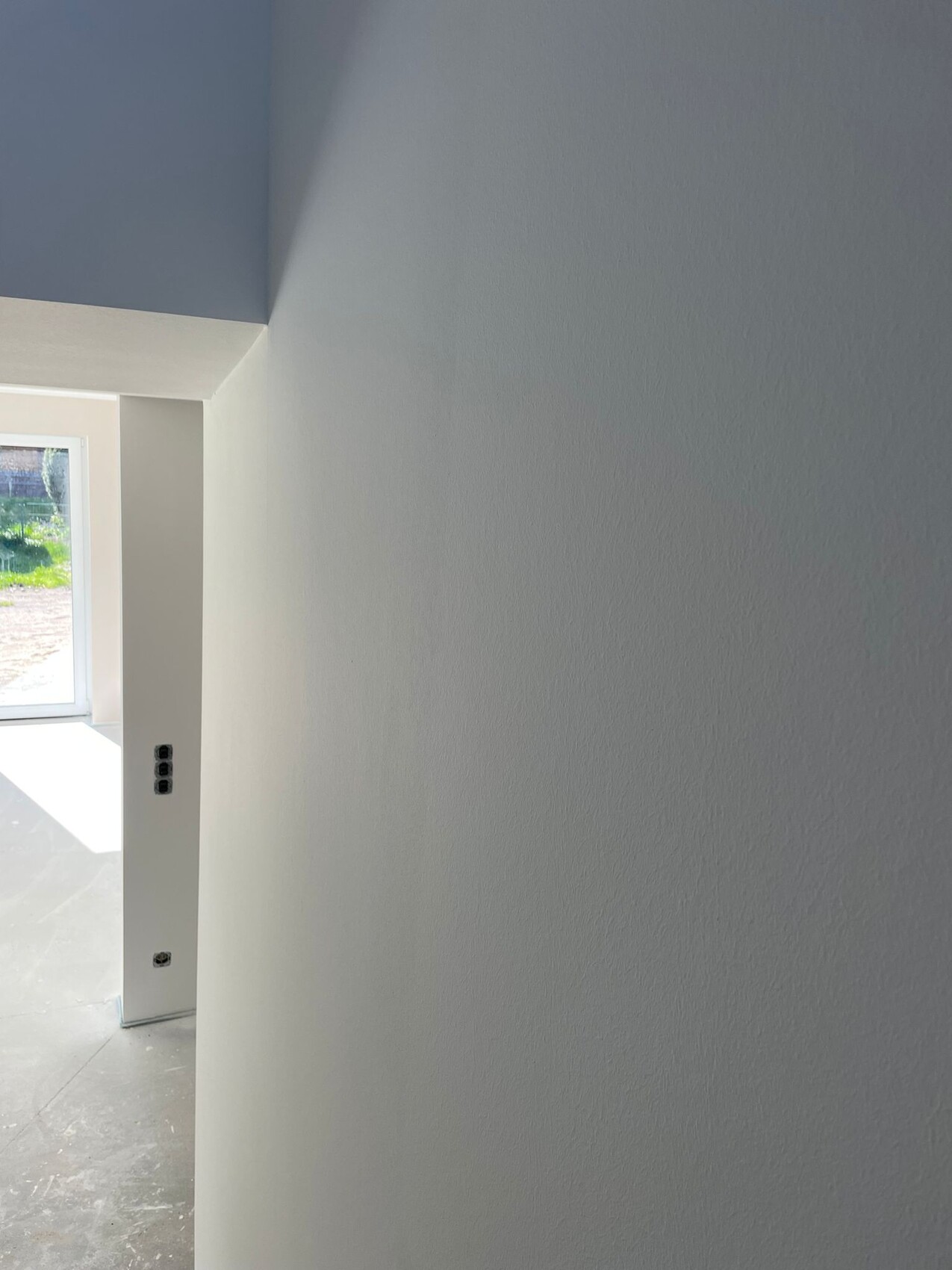



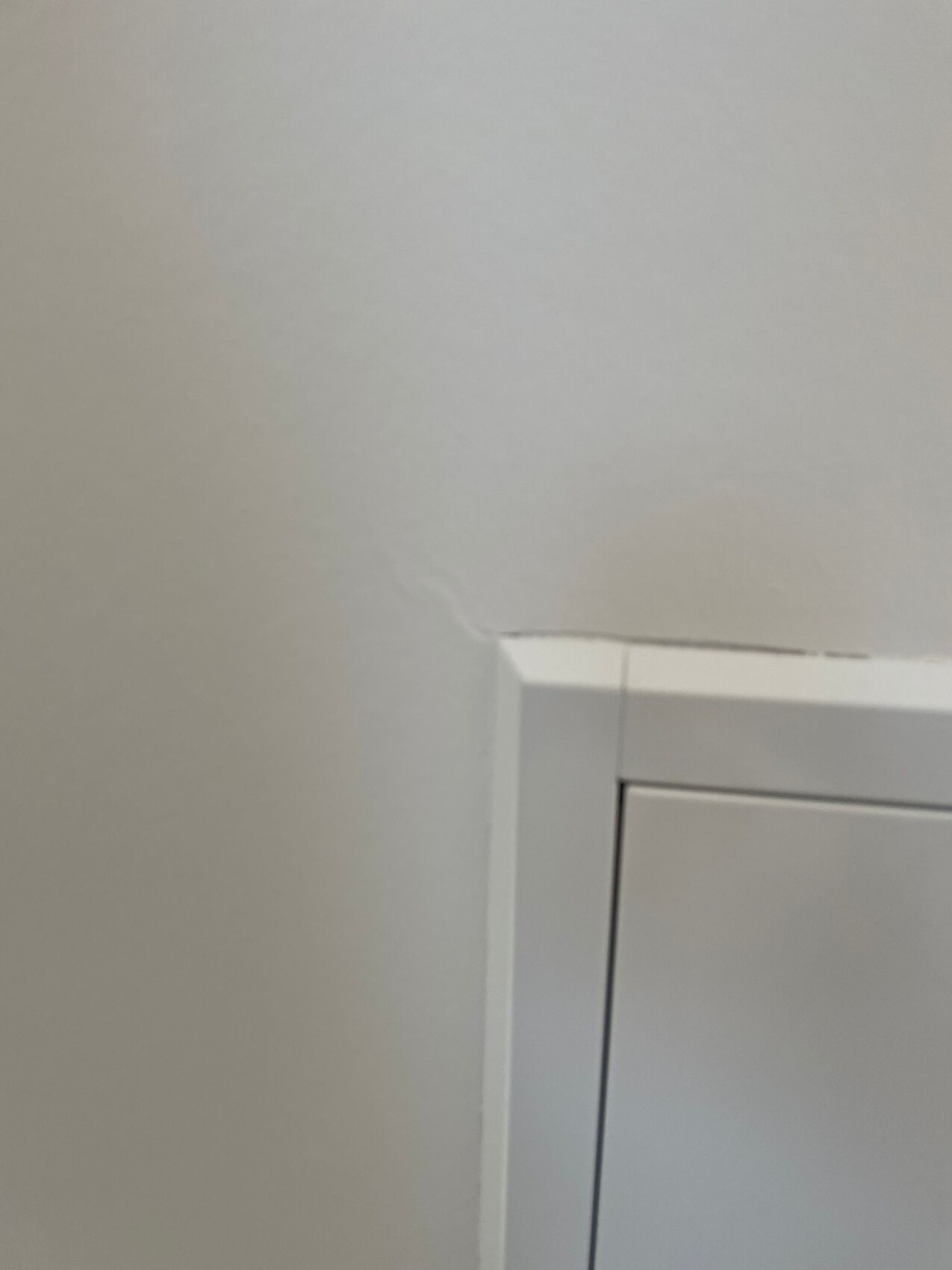
I am currently working on a new build project that is slowly coming to an end. The painting work was subcontracted, including filling and smoothing walls and ceilings, sanding, applying painting fleece for crack bridging, and two coats of color white paint.
We agreed on smooth walls without visible fleece seams (which is possible with a double seam cut) and streak-free walls and ceilings (the painter’s statement: even an untrained person can’t achieve this). Apart from the foundation slab and masonry, we did almost all the trades ourselves, but explicitly commissioned the painting work to a well-rated local master craftsman business because these are primarily visible elements, and my wife is very particular about this.
Last week, I looked at the finished painting fleece (Quadra fiberglass fleece V140, 130g/m² (4.3 oz/sq yd)) and was quite impressed with the result so far. Yesterday, after the painter declared the work finished, I checked the result again and, rightfully, was disappointed—it just looks like textured wallpaper.
Was too much paint used here? At some seams, there are gaps of 1–2 mm (0.04–0.08 inches) that were tried to be filled with paint, which obviously doesn’t work, and you can clearly see the layering in these spots. I wanted to gather some opinions before I meet with the master painter next week, as the invoice is due.
Thanks for any feedback and best regards!
I
immoliker30 Apr 2023 13:29cohrsnet schrieb:
Hello dear experts,
I am currently involved in a new build project that is gradually coming to an end. The painting work was contracted out, including smoothing walls and ceilings, sanding, applying fiberglass wall covering (Malervlies) to bridge cracks, and two coats of white paint.
We agreed on smooth walls without visible seams in the fiberglass wall covering (which is easily achievable with double cut seams) and walls/ceilings free of streaks (the painter said even amateurs couldn’t achieve that). Apart from the foundation slab and masonry, we handled all trades ourselves, but specifically commissioned the painting work to a well-rated local master contractor, since these are primarily visible elements and my wife is very particular about this.
Last week, I saw the finished fiberglass wall covering (Quadra glass fleece V140, 130g/m² (4.3 oz/yd²)) and was quite impressed with the result. Yesterday, after the painter declared the job finished, I checked the outcome and was understandably disappointed—it simply looks like textured wallpaper.
Was too much paint used here? At some seams, there are 1-2 mm (0.04-0.08 inches) gaps that were unsuccessfully filled with paint, making the multiple layers clearly visible at these points. I wanted to gather some opinions before I talk to the master painter next week, as the invoice is due.
Thanks for any feedback and best regards!The pictures clearly show fiberglass wall covering. What immediately stands out is the excessive amount of paint on the coverings and the obviously untidy work. It looks as if the wall was not properly sanded before applying the fiberglass fleece. As a result, the surface is not as smooth as one would normally expect.It is important to carefully prepare a wall that is to receive fiberglass wall covering. This includes sanding the wall to remove irregularities and create the smoothest possible surface. This not only makes it easier to apply the fiberglass fleece but also ensures a more appealing and professional finish.
Unfortunately, there is usually little that can be done to fix this problem afterward. It would be advisable to have a professional assess the work and correct it if necessary. This might involve sanding the affected wall again and properly applying the fiberglass fleece. While it is frustrating that the result does not meet expectations, professional intervention can resolve the issue and achieve a smooth, attractive wall finish.
 Benutzer12330 Apr 2023 13:47
@immoliker
The work was carried out not as a DIY project but by a well-rated certified master craftsman company.
The work was carried out not as a DIY project but by a well-rated certified master craftsman company.

Aside from the uneven edges, I believe (though I am not an expert) a long-pile roller was used here. This results in the coarse texture. For a finer finish, a short-pile roller should have been used instead. Whether this actually constitutes a defect, I cannot say. I think the chances of having this accepted as such are low.
But yes, first arrange a joint inspection with the site supervisor. Perhaps they have higher standards themselves and the apprentice was responsible for this work.
But yes, first arrange a joint inspection with the site supervisor. Perhaps they have higher standards themselves and the apprentice was responsible for this work.
I
immoliker30 Apr 2023 14:26Benutzer123 schrieb:
@immoliker
The work was carried out not as self-performed labor but by a well-regarded master craftsman company.Who mentioned self-performed labor?Benutzer12330 Apr 2023 16:47immoliker schrieb:
Who mentioned DIY work?I thought that’s what you assumed. Because you recommend having a professional inspect the walls, sanding them, and reapplying the painting fleece. He has already hired a professional specifically for this task.
Similar topics