
Hello,
We are about to receive the handover of our new build from the developer.
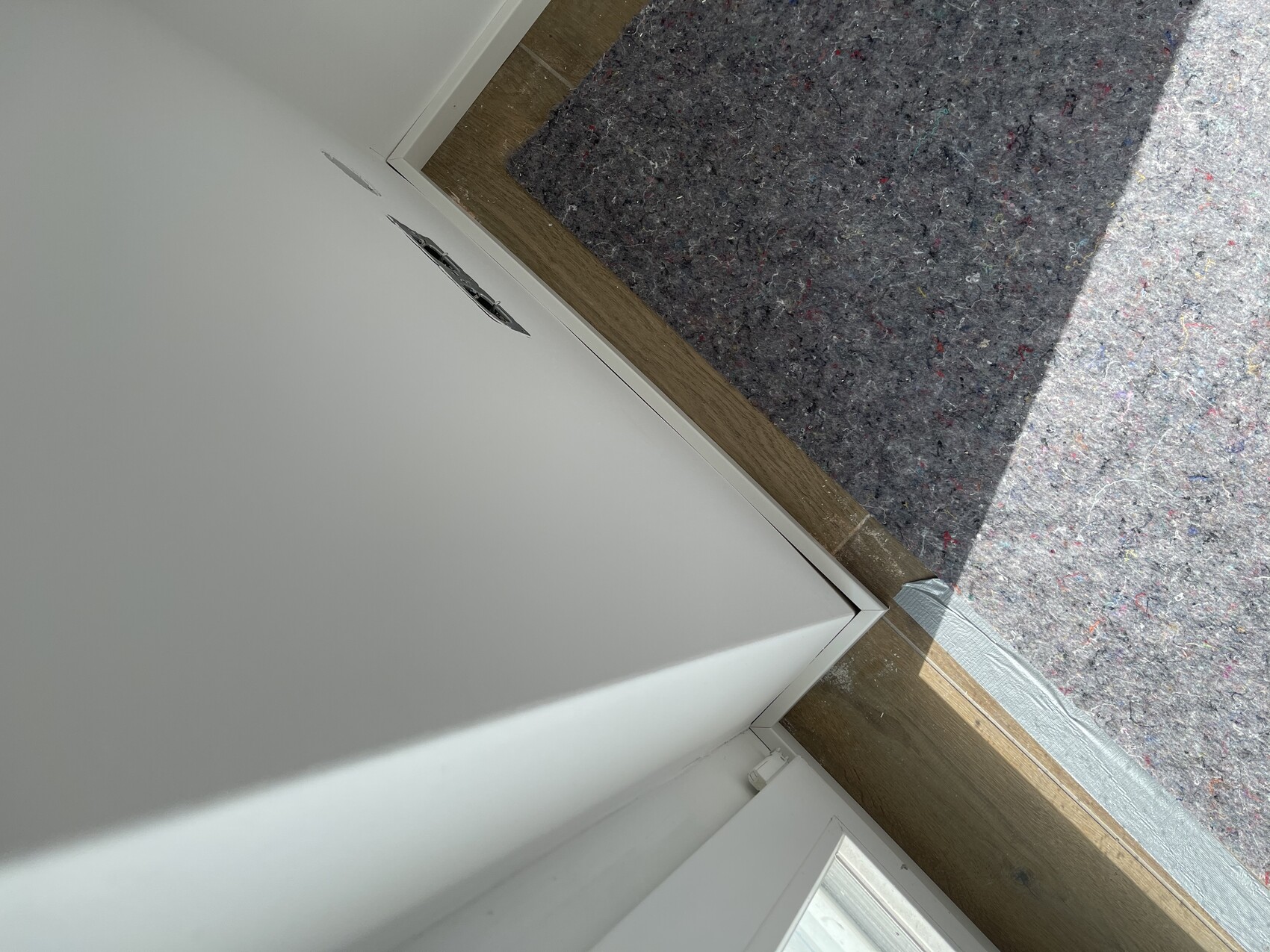
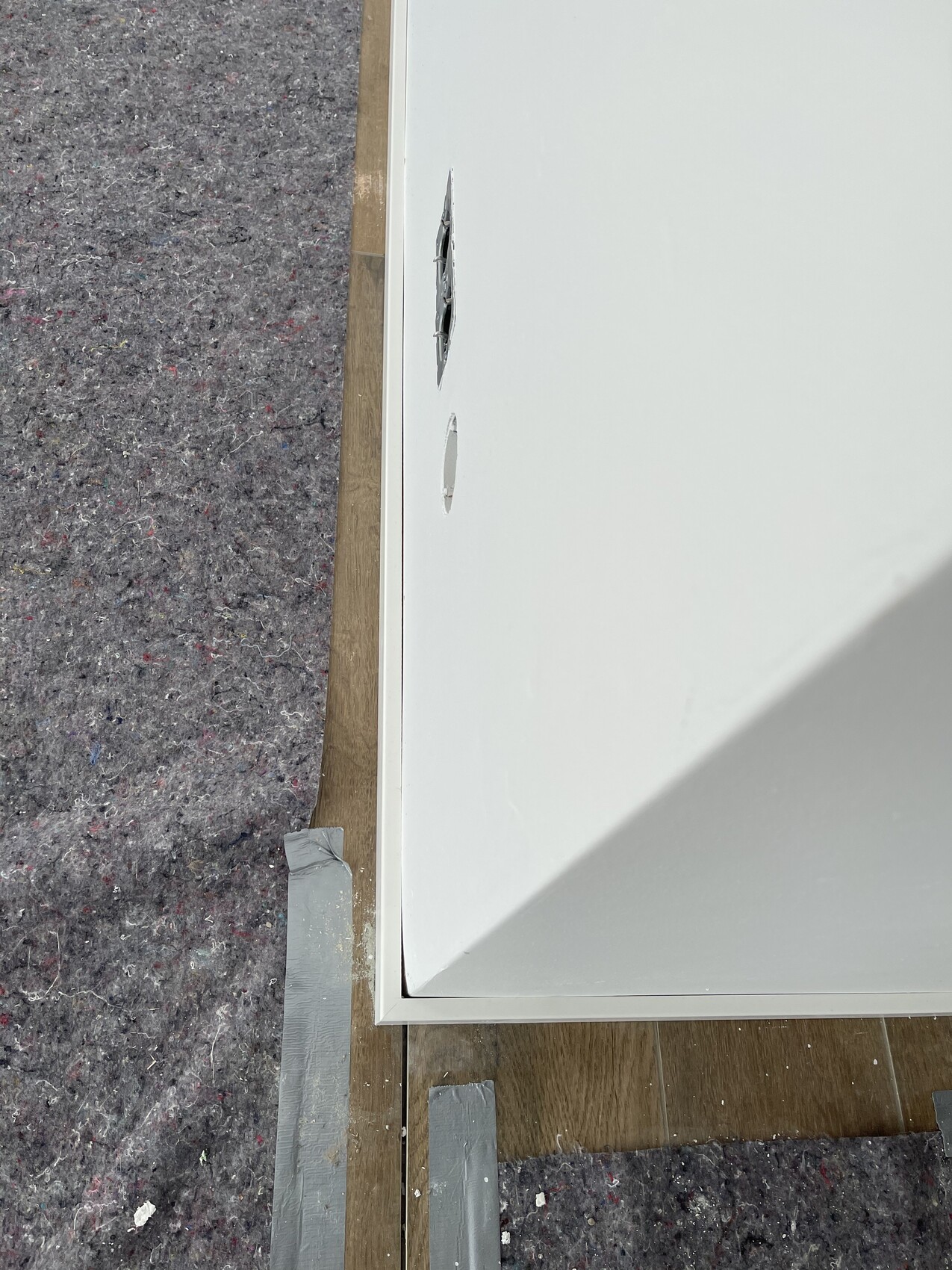
During the last inspection, we noticed rather large gaps between the baseboards and the walls. It seems the walls or plaster are not perfectly straight and also not exactly at right angles.
I have attached two photos as examples.
The site manager just dismissed it and said it would simply be sealed with acrylic.
What is your opinion on this? Is this acceptable?
Best regards,
Thomas
We are about to receive the handover of our new build from the developer.
During the last inspection, we noticed rather large gaps between the baseboards and the walls. It seems the walls or plaster are not perfectly straight and also not exactly at right angles.
I have attached two photos as examples.
The site manager just dismissed it and said it would simply be sealed with acrylic.
What is your opinion on this? Is this acceptable?
Best regards,
Thomas
N
NoggerLoger30 Apr 2021 21:58It’s the same for us. I was advised against using acrylic and similar materials because they tend to attract lint or develop cracks. I’m leaving it as it is and that’s final.
 Winniefred30 Apr 2021 22:50
I am also critical of acrylic. It looks good at first, but it attracts dirt and is difficult to clean or wipe off. At least, that has been our experience.
Myrna_Loy schrieb:
Let’s put it this way: if you had wanted a 99% flat wall, you would have had to pay more. The deviations are within normal tolerances.Which tolerances apply here, and which standards should one refer to?A perfectly flat wall only exists artificially through drywall panels or similar materials.
Plastering is a craft with different quality levels, from Q1 to Q4. These levels refer to how smoothly the plaster is finished. It will never be 100% perfectly flat. If you have never worked with craftsmanship before—that is, understanding the characteristics of skilled workmanship—you should look into it.
In life, you don’t only deal with factory-made products. Baseboards = factory-made, wall plaster = craftsmanship.
I see you have a textured wallpaper (commonly called “Raufaser” in German): that already raises the next question—are the cracks between the wall and ceiling normal, or how serious are these defects?
This is also quite normal. When cracks or joints between two materials appear, it’s because they are moving. Since the textured wallpaper is connected with paper, it tears as well.
Plastering is a craft with different quality levels, from Q1 to Q4. These levels refer to how smoothly the plaster is finished. It will never be 100% perfectly flat. If you have never worked with craftsmanship before—that is, understanding the characteristics of skilled workmanship—you should look into it.
In life, you don’t only deal with factory-made products. Baseboards = factory-made, wall plaster = craftsmanship.
I see you have a textured wallpaper (commonly called “Raufaser” in German): that already raises the next question—are the cracks between the wall and ceiling normal, or how serious are these defects?
This is also quite normal. When cracks or joints between two materials appear, it’s because they are moving. Since the textured wallpaper is connected with paper, it tears as well.
Pierre schrieb:
Which tolerances apply here, or which set of regulations should one refer to?This needs to be coated. Otherwise, the acrylic will yellow and attract lint.