
ᐅ Single-family house (2 floors + finished basement + converted attic), approximately 200 sqm – modifications
Created on: 20 Oct 2019 21:50
G
grericht
Hello,
We are currently working with an architect on the design of our single-family home. Since we have three children, the house should accommodate several future scenarios. These include:
Plot:
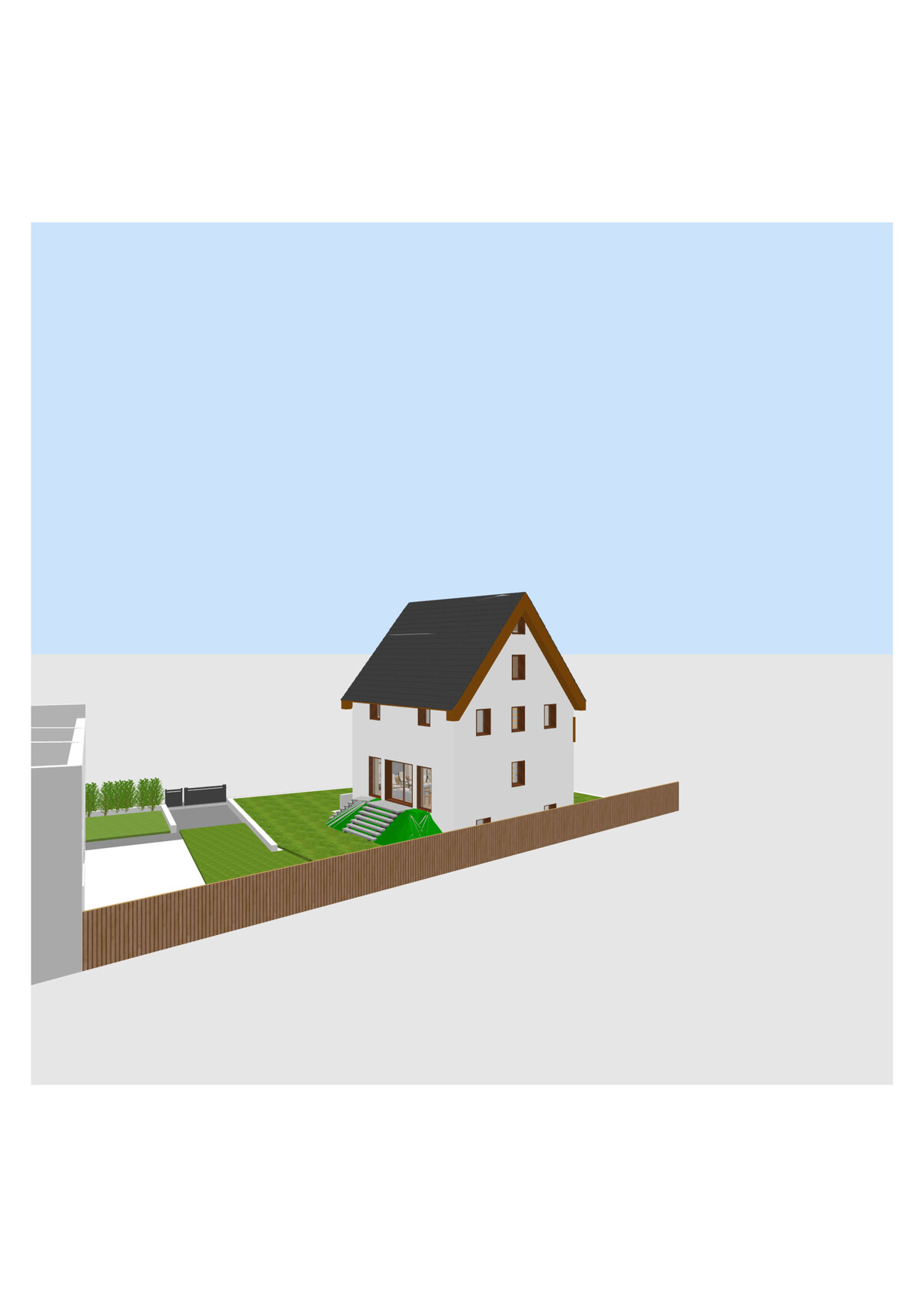
Since the plot already has a building, and we want to keep the rear building (it is fully shaded by the apartment building, is in reasonable condition, and might provide future expansion potential—at least suitable for workshops and storage), and since the plot is not very large, we decided on a tall house with a small footprint.
About the house
We have already developed a fairly comfortable floor plan with our chosen architect. Our biggest concern is accidentally planning a wall or something else 5 cm (2 inches) too far to the left or right and then being unable to fit our furniture. I would appreciate it if you would be interested in looking over the current design and giving feedback.
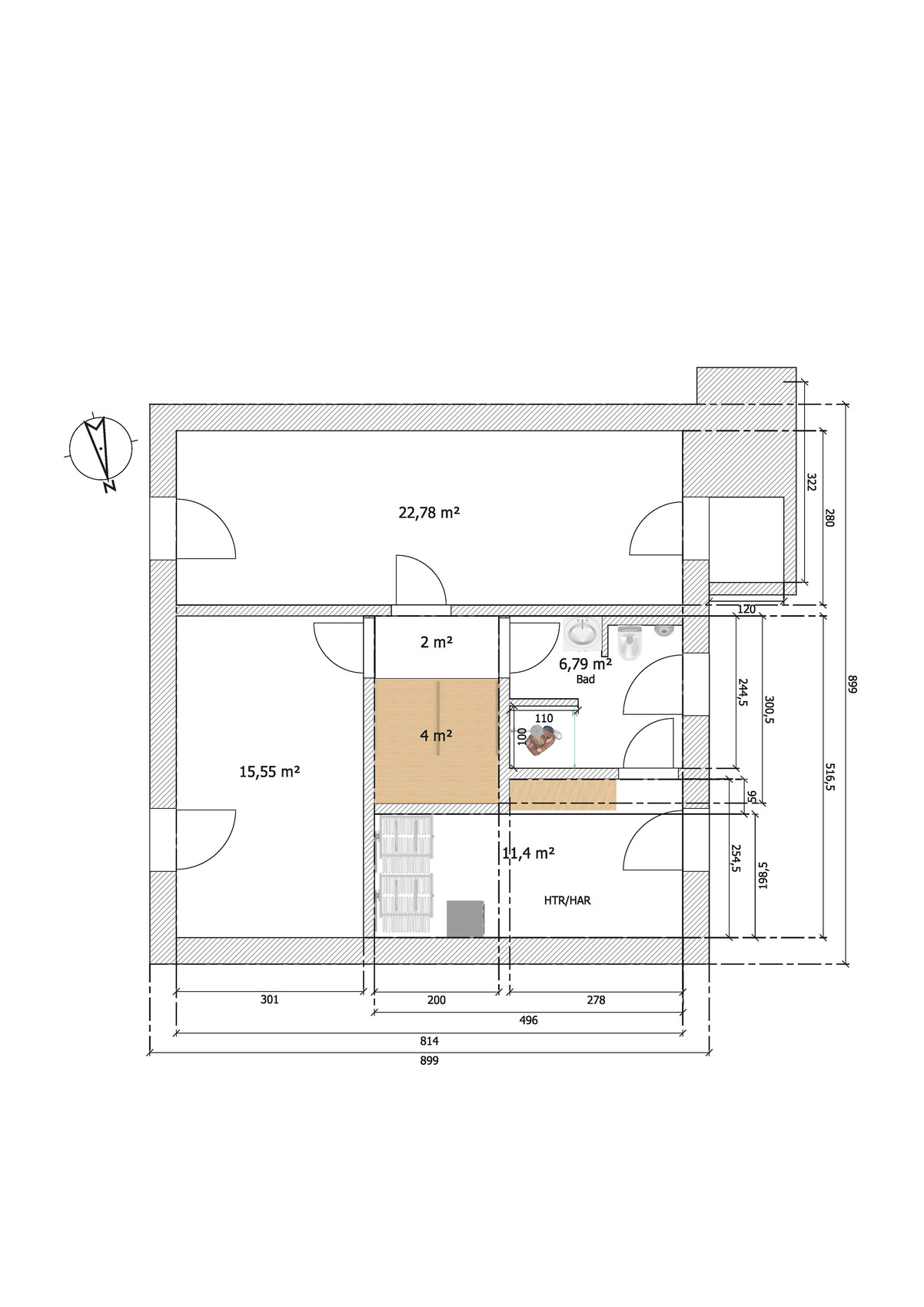
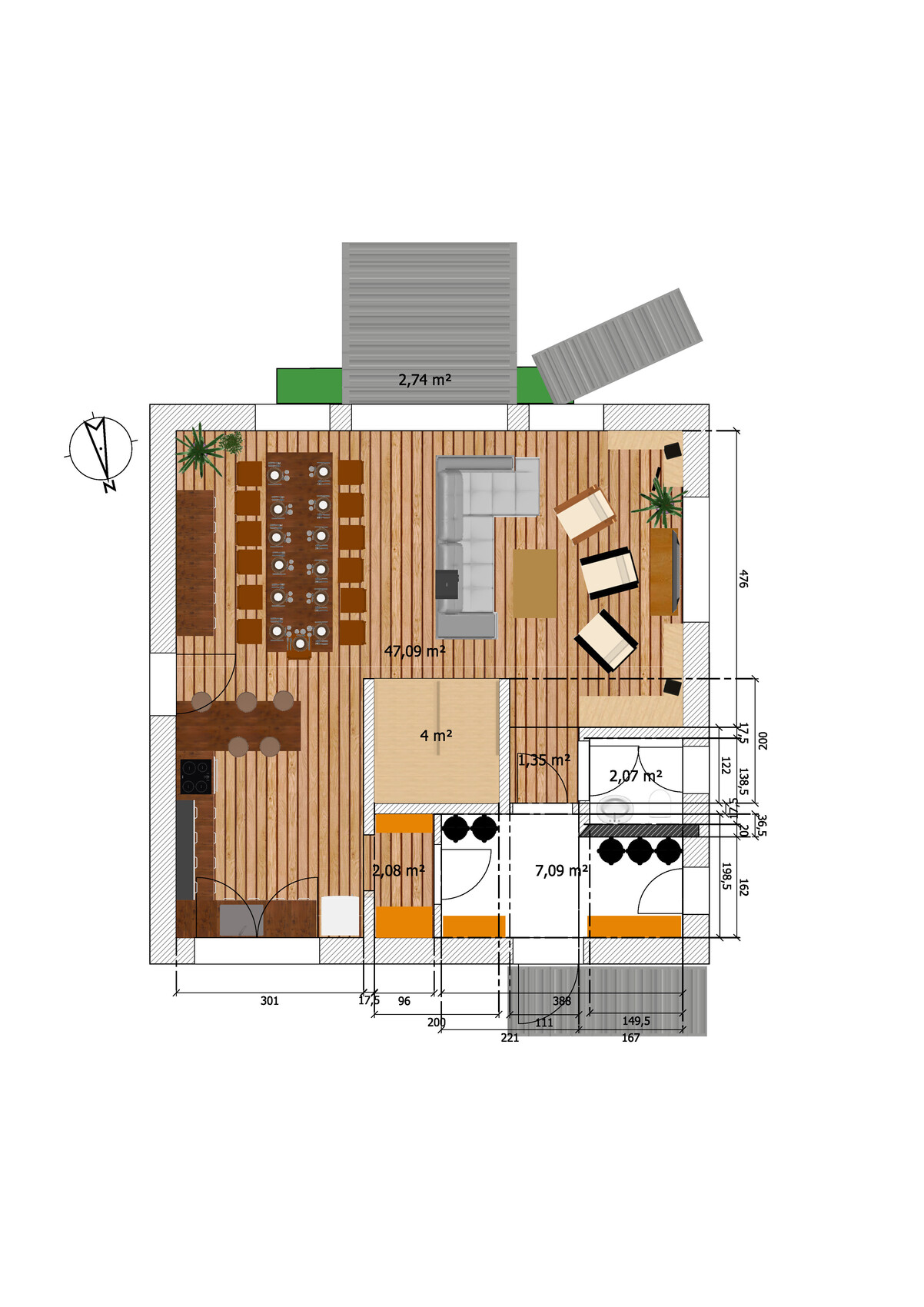
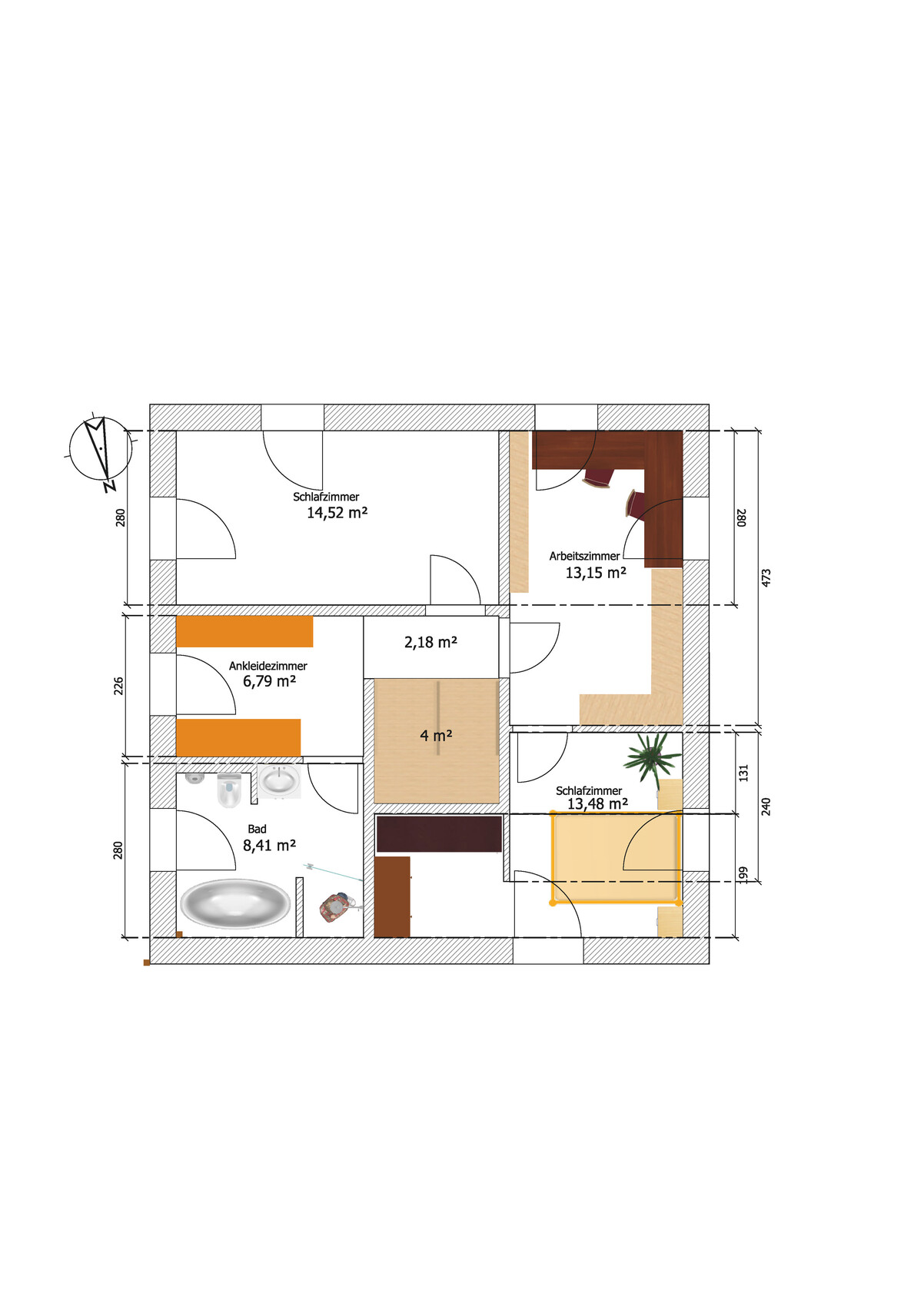
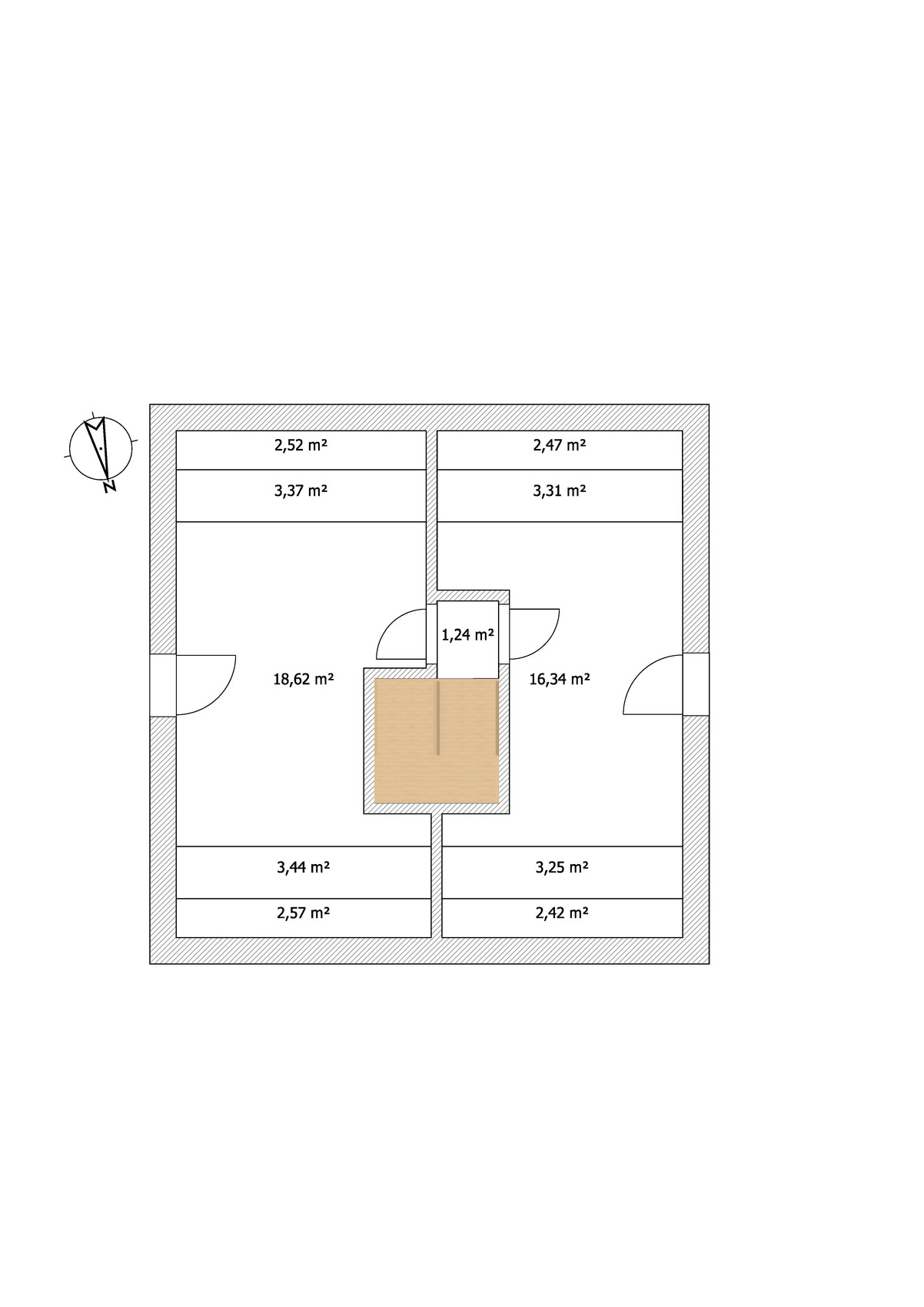
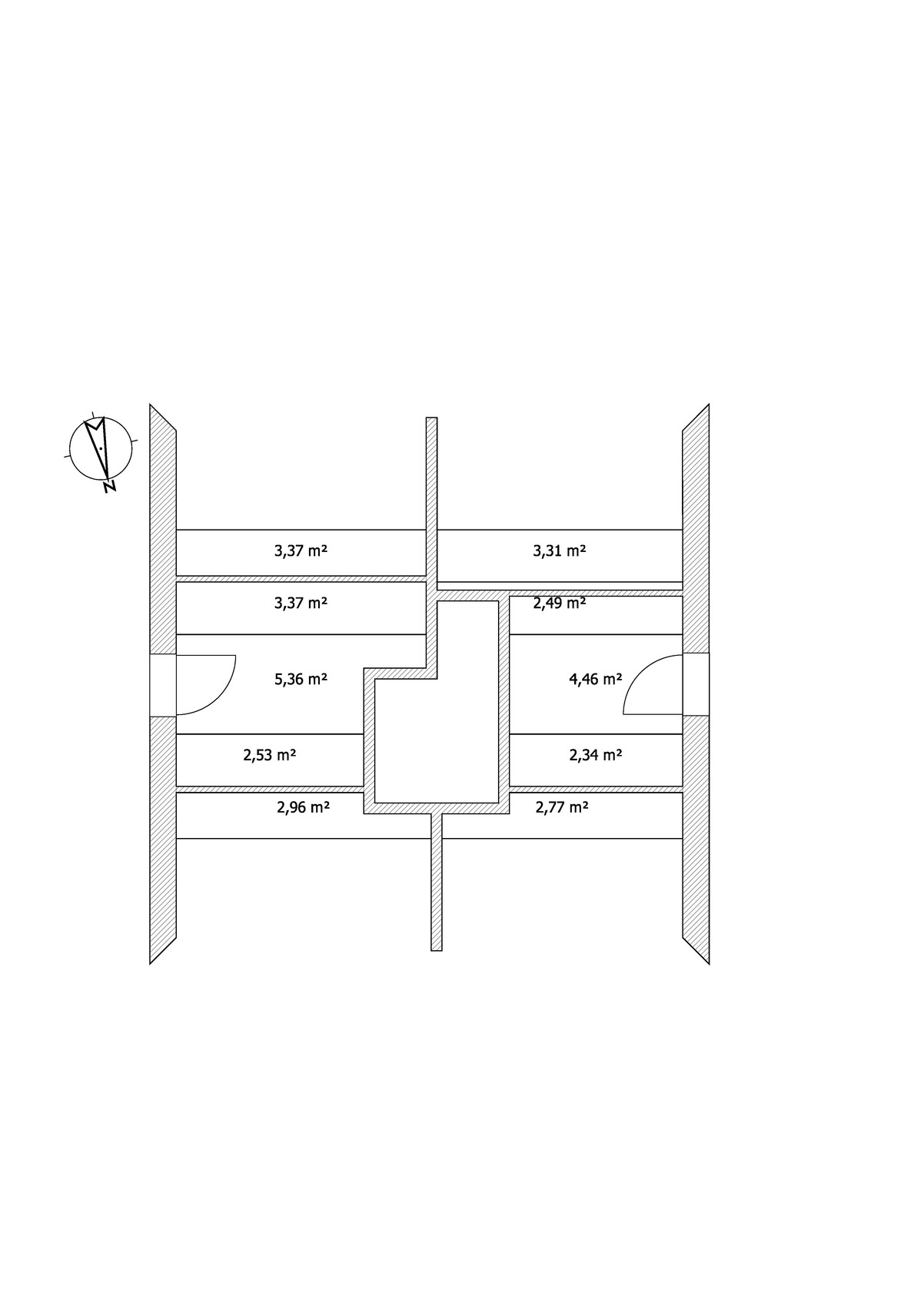
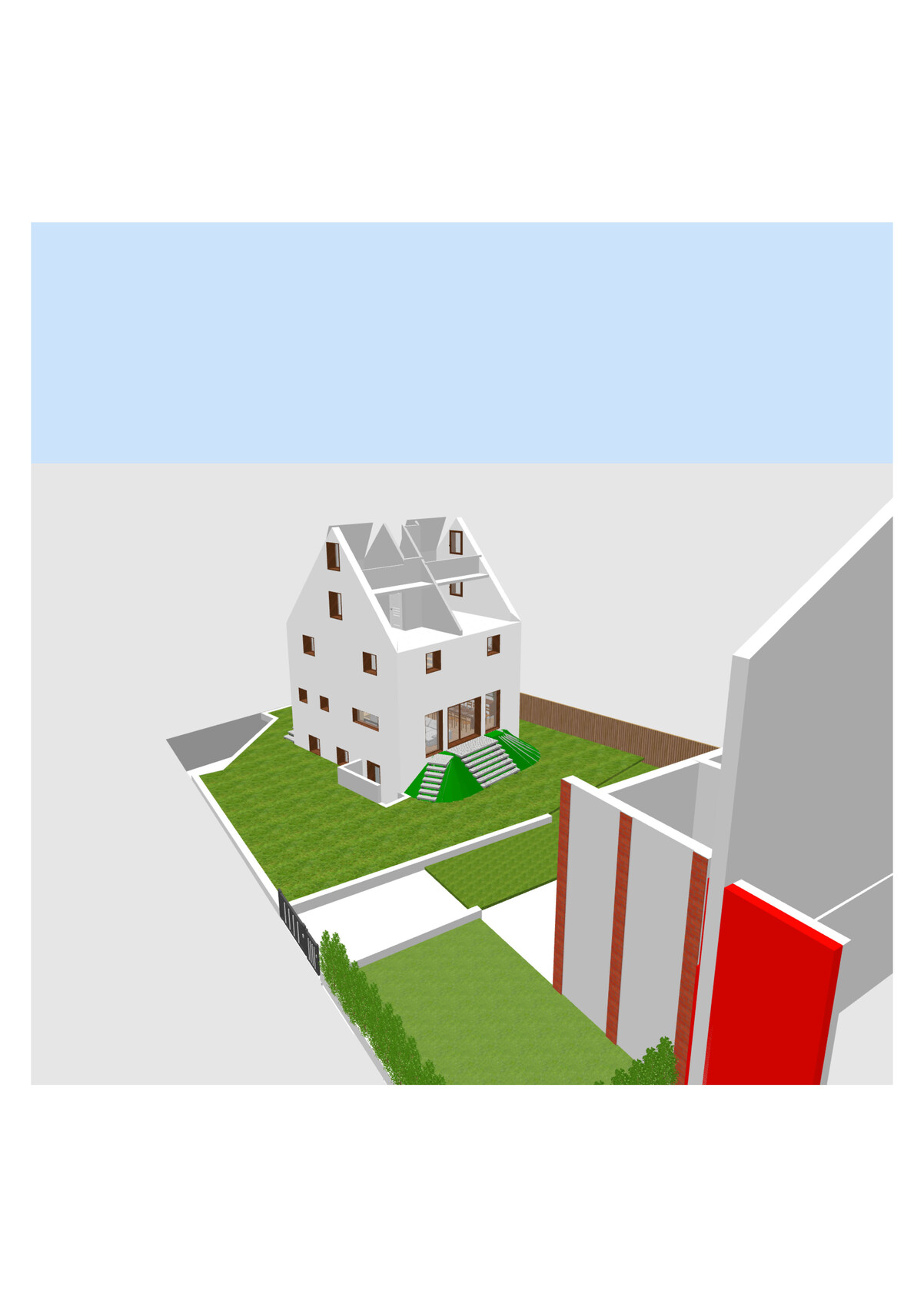
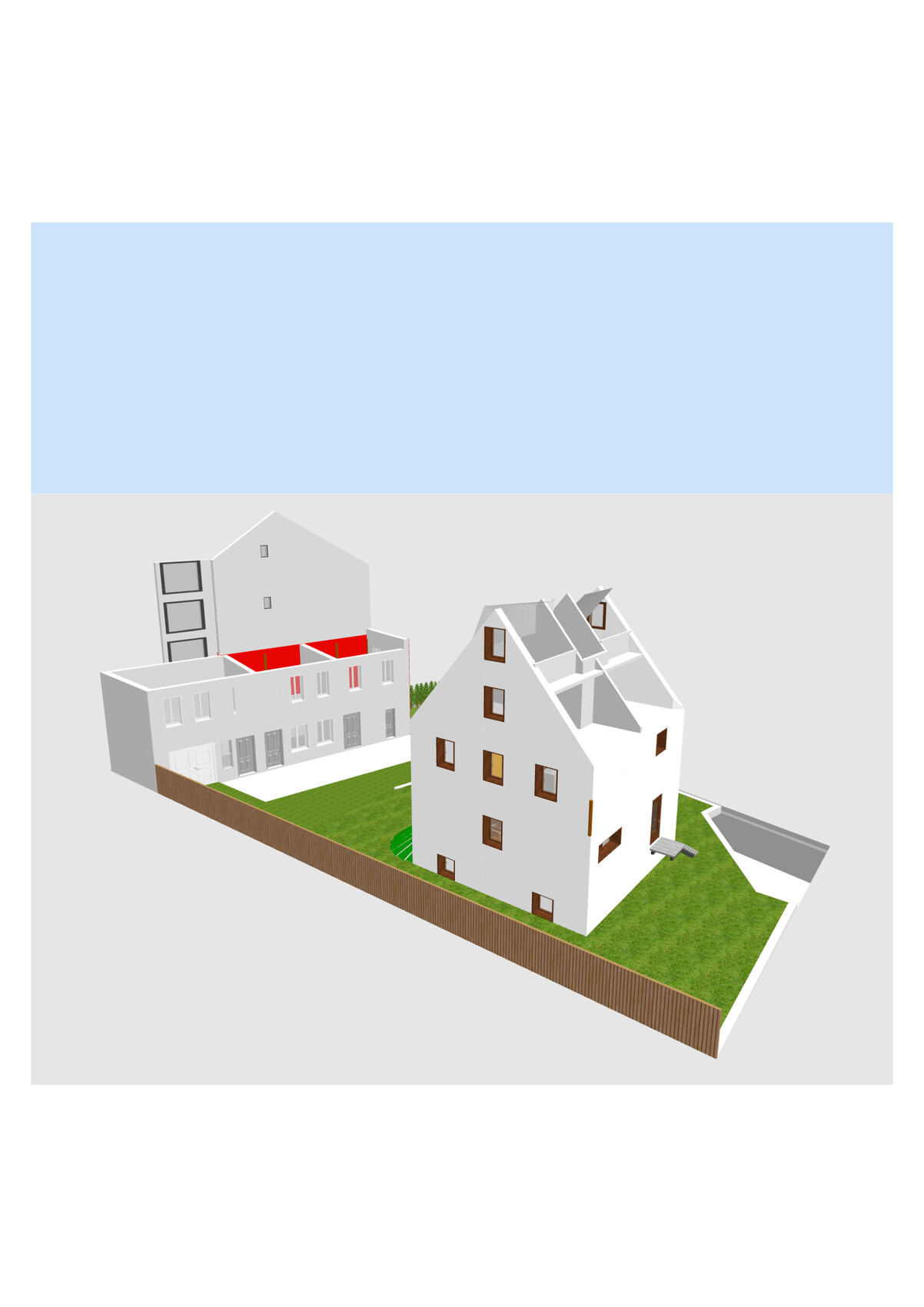
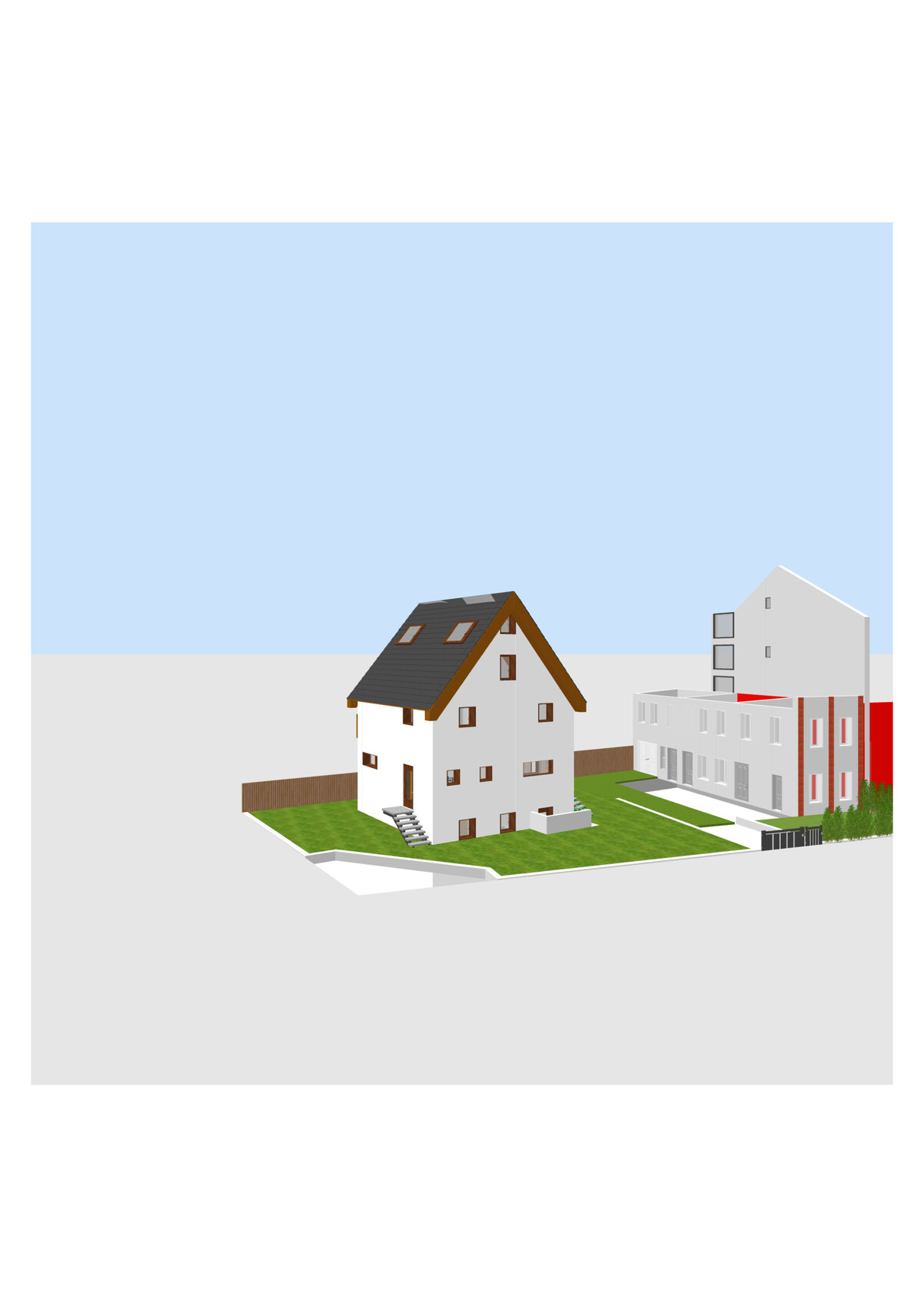
We are currently working with an architect on the design of our single-family home. Since we have three children, the house should accommodate several future scenarios. These include:
- Enough space for everyone
- At some point, the children will move out, and we will downsize to the living basement while renting out the rest
- One or two children might continue living with us (multi-generational living) – possibly in the basement with a separate entrance
- Possibly one child even starts a family in the house, and we move to the basement
Plot:
- 710 sqm (8,000 sq ft) close to the city center
- To the south is our rear building (two stories) attached to a 3.5-story apartment building (boundary development)
- To the north and west are the streets (a corner plot)
- Behind to the west is a large green plot with a single-family house
- To the north beyond the street are apartment buildings
- To the east there is a narrow parking lot followed by a green recreational garden area
- We have to keep a 6 m (20 ft) setback to the streets and the usual 3 m (10 ft) to the parking lot
Since the plot already has a building, and we want to keep the rear building (it is fully shaded by the apartment building, is in reasonable condition, and might provide future expansion potential—at least suitable for workshops and storage), and since the plot is not very large, we decided on a tall house with a small footprint.
About the house
- Eder XP9 or 10 (timber frame) in 42.5 or 49 cm (17 or 19 inches) thickness
- Living basement (150 cm (5 ft) below ground / 100 cm (3 ft) above ground) – if affordable (this allows for the utility room in the basement and more space on the ground floor for a large open-plan living/dining/kitchen area as the main living space)
- Knee wall either 150 cm (5 ft) or, if not much more expensive, a dormer wall above the full upper floor (both options allow the roof space to be used for two rooms; with the dormer, these rooms are very large and could even accommodate an attic instead of bunk beds)
- 50-degree roof pitch (for solar energy efficiency in winter)
- The basement should be designed to eventually allow for a small separate living unit
- Both bathrooms should have a standing toilet or urinal
- We definitely want a windbreak/entry vestibule
- The terrace should be raised with fill
- Underfloor heating with geothermal energy
- Solar energy planned for the future
We have already developed a fairly comfortable floor plan with our chosen architect. Our biggest concern is accidentally planning a wall or something else 5 cm (2 inches) too far to the left or right and then being unable to fit our furniture. I would appreciate it if you would be interested in looking over the current design and giving feedback.
kaho674 schrieb:
Maybe make the house 2m (6.5 feet) longer for that?Longer to the right according to the plan?
What’s important to us is that all changes must be reviewed to ensure they are cost-neutral compared to the current design. We cannot and do not want to risk more than the current maximum of 450,000 (this includes a finished basement with heating, clay plaster, and an attic without sloped ceilings). If we come in at only 410,000 (without a finished basement), I would feel more comfortable, since it has already been established that the project will become more expensive anyway.

The more floors you build, the more expensive the project becomes, mainly due to the required load-bearing ceilings. Therefore, I would extend the house towards the south and try to avoid adding another floor. I would also include landscaping costs in the budget. Unless there are 3m (10 feet) foundation blocks in front of the existing structure, a excavator will remove and dispose of them along with the excavation material on the first day.
If it were mine, it would probably be a 2.5-story building on a slab foundation measuring about 11.5m x 9m (exact plot dimensions would be quite important here). However, this also depends on the complexity of the foundation work. Whether a basement is really worthwhile needs to be calculated precisely. We are currently seeing this with @goalkeeper. He decided against a basement, even though it seemed feasible due to height differences. Still, the slab foundation was significantly cheaper.
If it were mine, it would probably be a 2.5-story building on a slab foundation measuring about 11.5m x 9m (exact plot dimensions would be quite important here). However, this also depends on the complexity of the foundation work. Whether a basement is really worthwhile needs to be calculated precisely. We are currently seeing this with @goalkeeper. He decided against a basement, even though it seemed feasible due to height differences. Still, the slab foundation was significantly cheaper.
There is no building plan in this area, so virtually any type of construction can be applied for.
In an informal preliminary discussion, we were informed about the 3-meter (10 feet) setback to the neighboring property. Considering that the boundary is already built up on the left side according to the plan, and that there is only a parking lot on the top and left side, which probably cannot be developed for residential use again (an 8-meter (26 feet) wide strip), a building extension of 9 meters (30 feet) in length could be considered. Additionally, we were immediately made aware of the existing building line setbacks of 6 meters (20 feet) for residential buildings along both streets (shown at the bottom and right in the plan).
In an informal preliminary discussion, we were informed about the 3-meter (10 feet) setback to the neighboring property. Considering that the boundary is already built up on the left side according to the plan, and that there is only a parking lot on the top and left side, which probably cannot be developed for residential use again (an 8-meter (26 feet) wide strip), a building extension of 9 meters (30 feet) in length could be considered. Additionally, we were immediately made aware of the existing building line setbacks of 6 meters (20 feet) for residential buildings along both streets (shown at the bottom and right in the plan).
The gable faces east and west. Extending the house to the south significantly reduces the sunny garden area (in winter, about two-thirds of the plot is shaded during the day at all times). And doesn’t it look odd to stretch the gable side like that without increasing the width?
I don’t think there is a building plan, right? So the gable can basically face whichever direction it wants, correct?
And it's obvious that you’ll lose part of your garden. That’s why I mentioned removing the concrete from the areas in front of the extension.
Aside from that, building a tower just to gain 2 meters (7 feet) of garden space seems completely crazy to me. A house isn’t a painting experiment that you can quickly erase and redo afterward. You’re going to live there, and you might need to sell it one day. Five floors in a residential tower—no one wants that, including you.
And it's obvious that you’ll lose part of your garden. That’s why I mentioned removing the concrete from the areas in front of the extension.
Aside from that, building a tower just to gain 2 meters (7 feet) of garden space seems completely crazy to me. A house isn’t a painting experiment that you can quickly erase and redo afterward. You’re going to live there, and you might need to sell it one day. Five floors in a residential tower—no one wants that, including you.
Similar topics