
I wanted to try replacing the lever mixer in our shower because it’s leaking and I can’t reach the seal. I’ve already got a new one. So, I checked where to shut off the water in our basement (yeah, embarrassing 😀). There’s a shut-off valve before and one after the water meter. Which one do I need to close, or if both, in what order?
By the way: I think I can leave these adapter threaded parts on the shower lever and transfer them to the new lever, right? There are also some threaded parts included that I probably don’t need.
j.
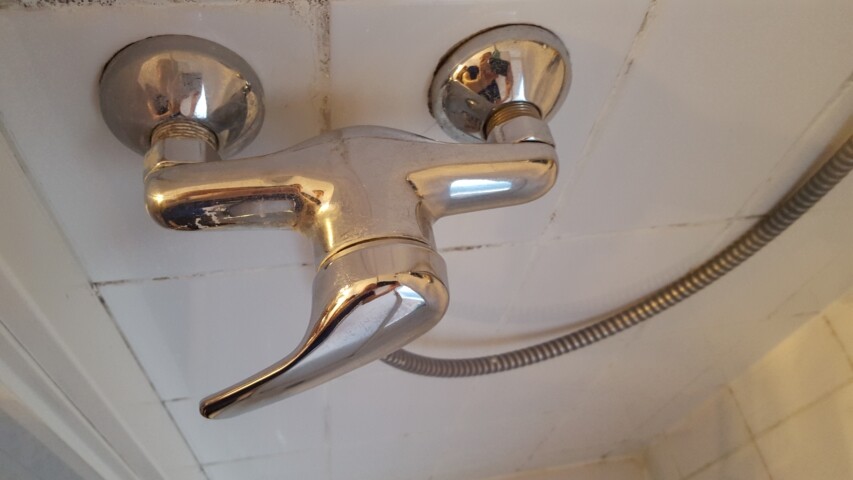
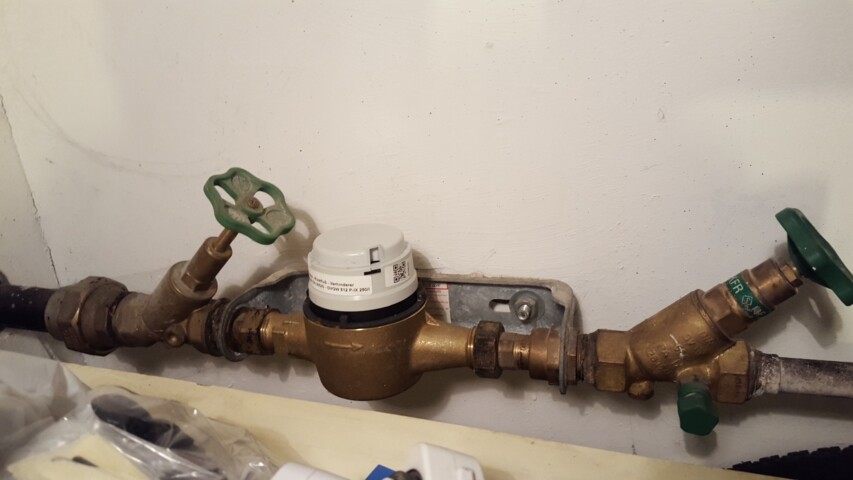
By the way: I think I can leave these adapter threaded parts on the shower lever and transfer them to the new lever, right? There are also some threaded parts included that I probably don’t need.
j.
So, I have now replaced the shower mixer. At first, one side was leaking, but using the old sealing rings instead of the new ones fixed everything 🙂. Turning off the water worked well too, it took quite a few turns 🙂. Overall, the replacement went pretty quickly and finally, there are no more drips.
We now have a hygrometer in the bathroom. We even recorded over 100% humidity. How is that possible? After airing the room, the humidity quickly drops to about 55-60%.
We still need to address the mold issue. Can mold spray like the one we’ve used before on wallpaper also be used on grout?
jenne
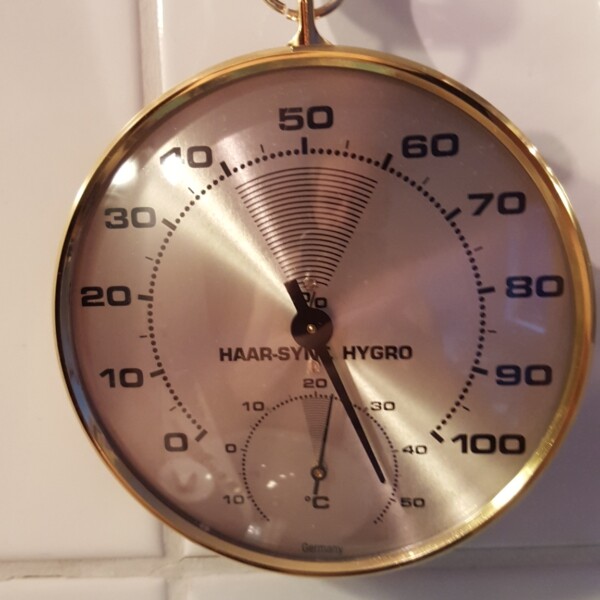
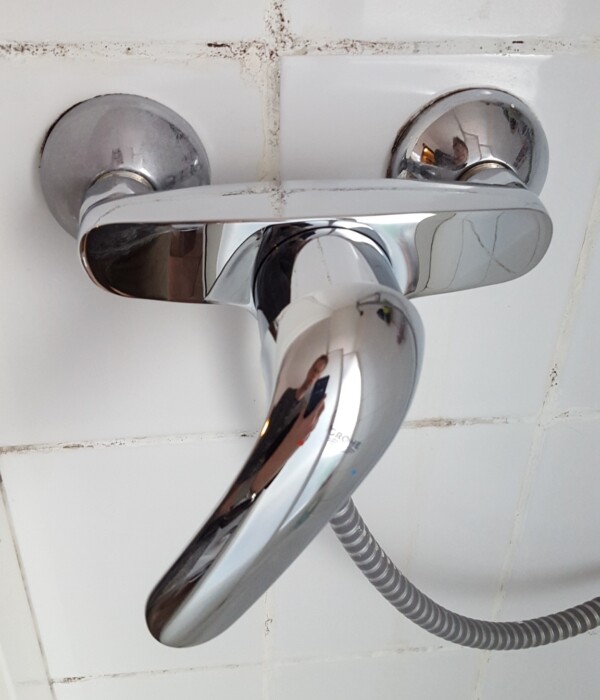
We now have a hygrometer in the bathroom. We even recorded over 100% humidity. How is that possible? After airing the room, the humidity quickly drops to about 55-60%.
We still need to address the mold issue. Can mold spray like the one we’ve used before on wallpaper also be used on grout?
jenne
D
Doc.Schnaggls2 Nov 2015 17:40jenne schrieb:
Turning off the water worked well too, it took quite a few turns 🙂. Hello jenne,
since you were surprised by the number of turns, I assume you don’t operate your shut-off valves regularly. 😱
You should definitely make a habit of doing this to keep them functional.
When we still lived in our "old" apartment, there was a severe water damage in the neighboring building caused by a lack of checking the shut-off valves’ operability:
A neighbor noticed a heavy drip at the kitchen angle valve – then he tried to turn off the hot water at the corresponding shut-off valve inside the apartment – but it was completely stuck and wouldn’t move. Afterward, the neighbor tried to close the valve with a plumber’s wrench, which unfortunately caused the entire shut-off valve to break off.
The apartment was uninhabitable for almost three months, and the water damage to the building was very significant, reaching a five-figure amount…
Long story short: closing and reopening the shut-off valves every few weeks can prevent major water damage… 😉
Best regards,
Dirk
Similar topics