
K
KingLoui8628 Jun 2024 12:11Hello everyone,
After replacing the front door of our 1960s house, the door was set back slightly and installed directly on the unfinished floor. A friend who is a tradesperson pointed out to me that there is no proper sealing between the existing staircase and the new front door. A gap of about 1 cm (0.4 inches) has formed between the door and the stairs.
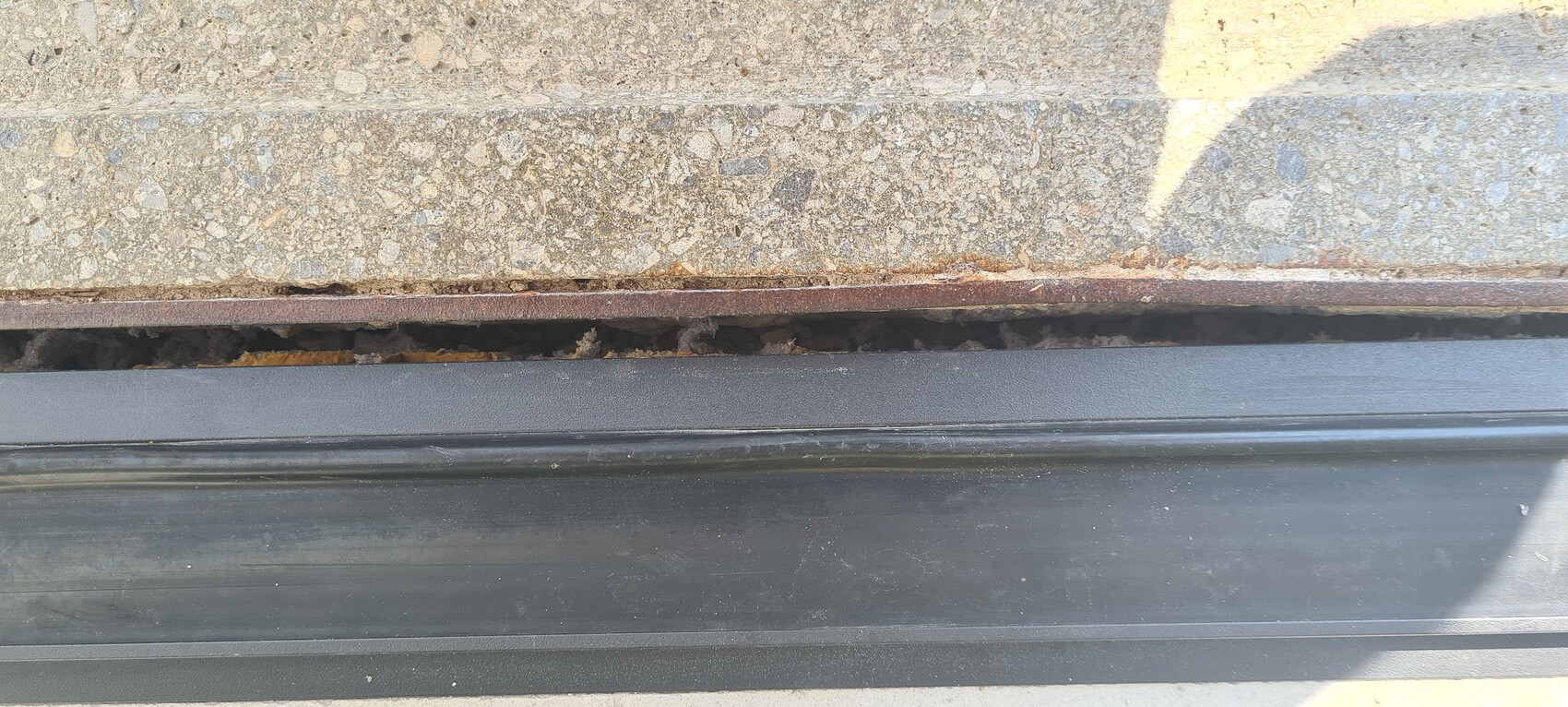

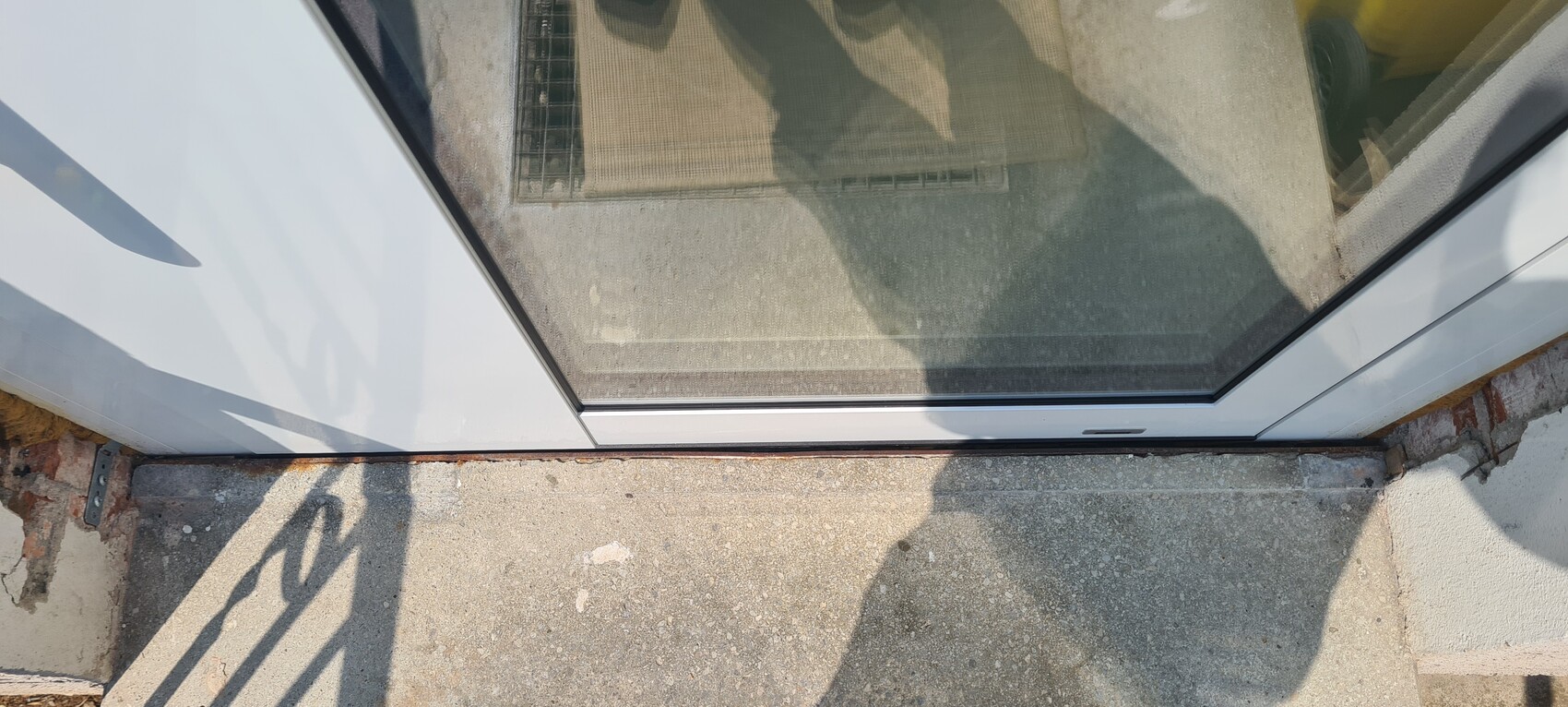
On advice, I have already removed some of the frame foam from the gap. To prevent water from seeping between the door and the stairs and damaging the anhydrite screed flooring inside, I would like to understand how this area can be professionally sealed. I have heard that liquid waterproofing membranes can reliably seal such areas. Are there other points I should consider? Of course, I want to avoid water entering the interior underneath the front door.
I would appreciate your advice on how to properly seal this area without any shortcuts.
Thank you very much and best regards
After replacing the front door of our 1960s house, the door was set back slightly and installed directly on the unfinished floor. A friend who is a tradesperson pointed out to me that there is no proper sealing between the existing staircase and the new front door. A gap of about 1 cm (0.4 inches) has formed between the door and the stairs.
On advice, I have already removed some of the frame foam from the gap. To prevent water from seeping between the door and the stairs and damaging the anhydrite screed flooring inside, I would like to understand how this area can be professionally sealed. I have heard that liquid waterproofing membranes can reliably seal such areas. Are there other points I should consider? Of course, I want to avoid water entering the interior underneath the front door.
I would appreciate your advice on how to properly seal this area without any shortcuts.
Thank you very much and best regards
Liquid applied waterproofing is definitely the preferred method. It just needs to be applied properly and professionally. Depending on the product, two coats are usually required, and often a fleece layer needs to be integrated.
I am currently dealing with a similar situation, but with the "advantage" that I have an overhang above the door, providing some protection against potentially penetrating water. I applied the transition areas twice using a ready-made compound. I had the floor-to-ceiling windows sealed directly by the roofer. It wasn’t cheap.
I am currently dealing with a similar situation, but with the "advantage" that I have an overhang above the door, providing some protection against potentially penetrating water. I applied the transition areas twice using a ready-made compound. I had the floor-to-ceiling windows sealed directly by the roofer. It wasn’t cheap.
Similar topics