
Hello everyone,
I have recently bought a new house. Unfortunately, we have experienced water damage for the second time. The builder’s analysis showed that it is caused by hydrostatic pressure. He is now sealing the exterior of the house to prevent this.
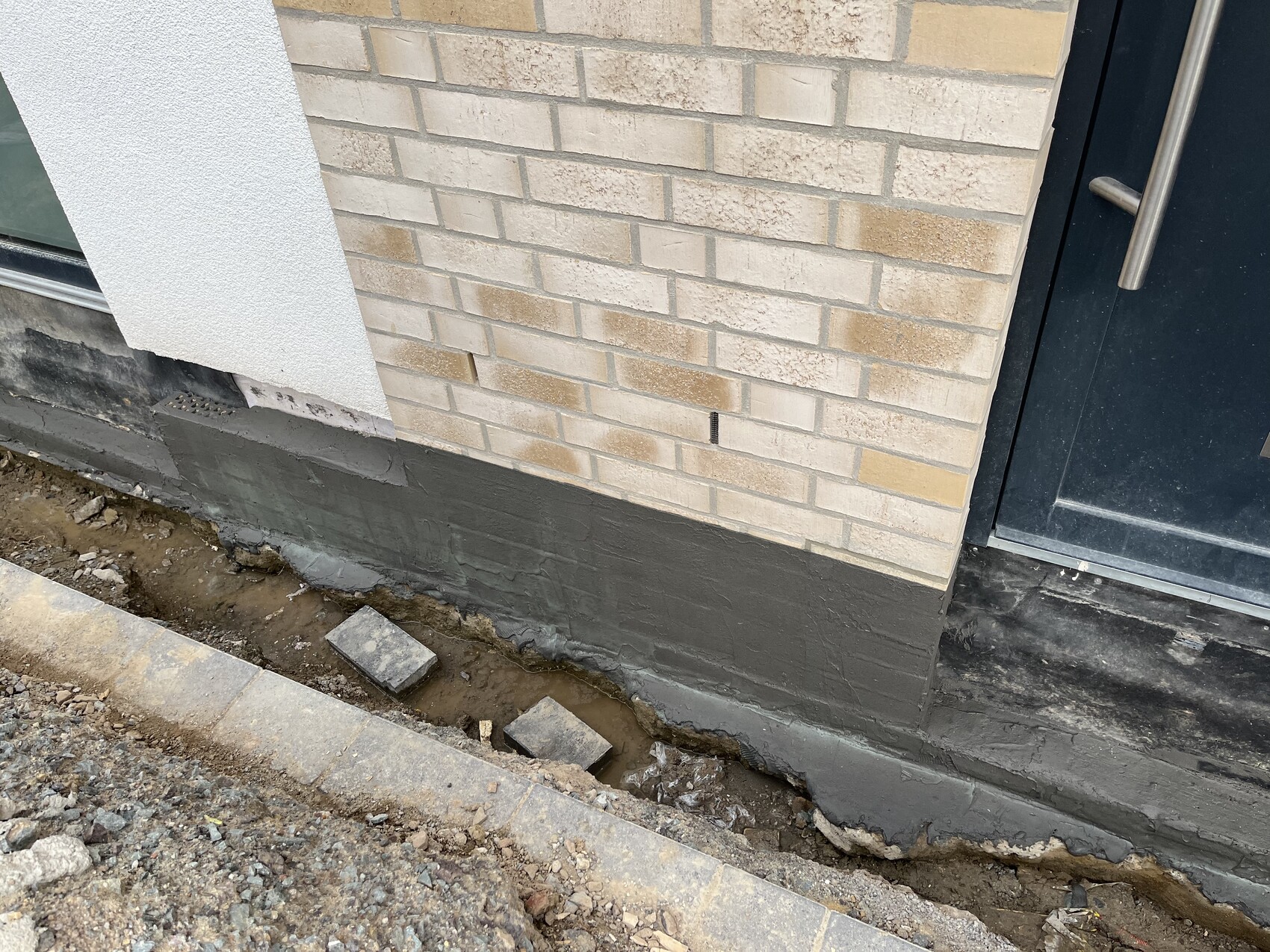
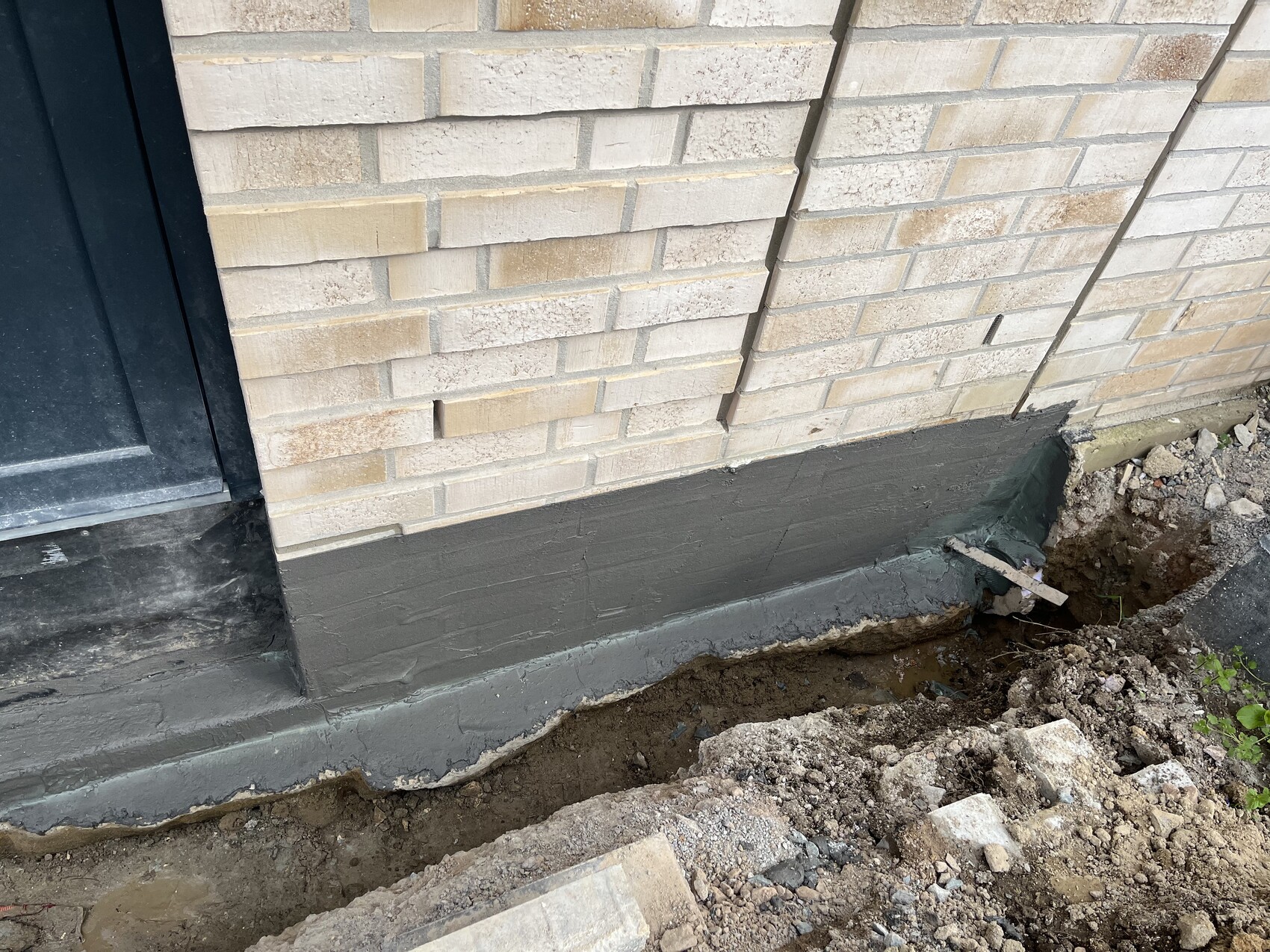
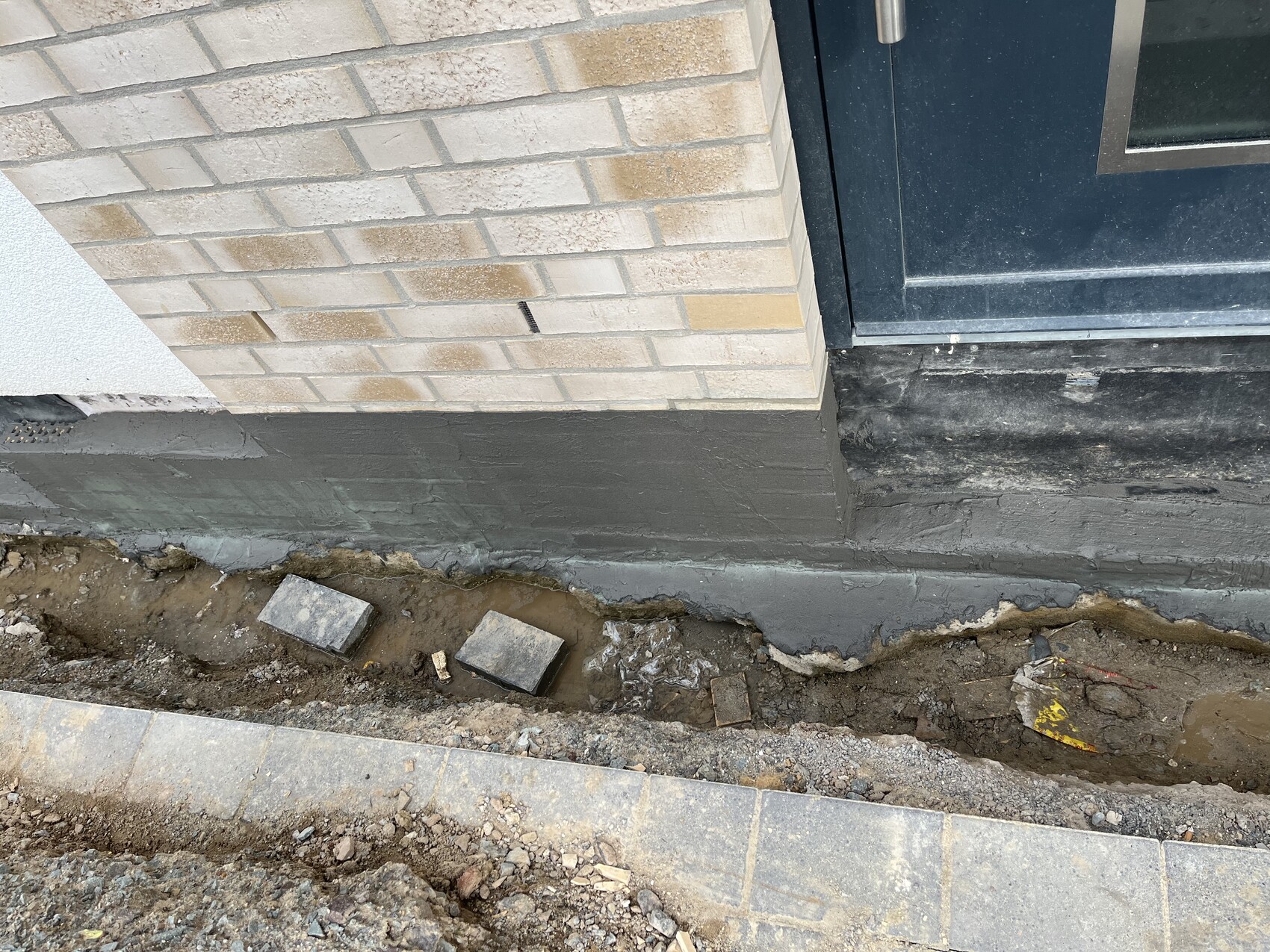
We have a cavity wall construction. The builder is currently applying PCI Bareseal directly onto the brickwork (photos).
Is this sufficient?
Thank you
I have recently bought a new house. Unfortunately, we have experienced water damage for the second time. The builder’s analysis showed that it is caused by hydrostatic pressure. He is now sealing the exterior of the house to prevent this.
We have a cavity wall construction. The builder is currently applying PCI Bareseal directly onto the brickwork (photos).
Is this sufficient?
Thank you
W
WilderSueden20 Apr 2023 20:49I didn’t fully understand the part about the gutter, but it doesn’t really matter. The problem with a drainage system is that it can get clogged over time. If you then have an issue, you are held responsible. By that time, the builder’s warranty has usually expired. That’s why I would insist on two things:
1. A professional waterproofing of the house according to the applicable standards (e.g. DIN). This may mean that the builder will have to remove the cladding and insulation again. This is expensive, so you definitely need an expert on your side. If the builder is already talking about hydrostatic pressure, he’s basically digging his own hole here. And since you already have water damage, the waterproofing is definitely not done correctly. Waterproofing of floor-to-ceiling windows needs to be checked separately.
2. Structural measures on the exterior grounds to keep water away from the house. Drainage is one possible solution, but it permanently transfers responsibility for the drainage system to you.
We also have poorly draining soil, and the house is slightly below the original ground level at the northeast corner. With the knowledge I have now, I wouldn’t do it that way again, but it is what it is. In any case, we are focusing on keeping water away from the house as much as possible and making sure everything is well waterproofed.
1. A professional waterproofing of the house according to the applicable standards (e.g. DIN). This may mean that the builder will have to remove the cladding and insulation again. This is expensive, so you definitely need an expert on your side. If the builder is already talking about hydrostatic pressure, he’s basically digging his own hole here. And since you already have water damage, the waterproofing is definitely not done correctly. Waterproofing of floor-to-ceiling windows needs to be checked separately.
2. Structural measures on the exterior grounds to keep water away from the house. Drainage is one possible solution, but it permanently transfers responsibility for the drainage system to you.
We also have poorly draining soil, and the house is slightly below the original ground level at the northeast corner. With the knowledge I have now, I wouldn’t do it that way again, but it is what it is. In any case, we are focusing on keeping water away from the house as much as possible and making sure everything is well waterproofed.
Similar topics