
ᐅ Seal, impregnate, or leave a shelly limestone wall untreated?
Created on: 25 Oct 2024 22:09
R
RaiweiredR
Raiweired25 Oct 2024 22:09Hello and good evening,
I had a natural stone wall made from shell limestone blocks, see the attached photos. The gaps between the blocks were filled with pozzolanic mortar, and the top surface, where the fence will later be mounted, was roughly leveled with pozzolanic mortar. Now to my question: Does the top surface primarily need to be sealed or waterproofed, or can I leave it as it is after masonry? There are very different opinions online. One viewpoint is that protection is not necessary, referring to castles and palaces that were not sealed or waterproofed. Others say that waterproofing can even be harmful. What is your opinion? If you think protection is necessary, which (transparent) product would you recommend?
Good luck
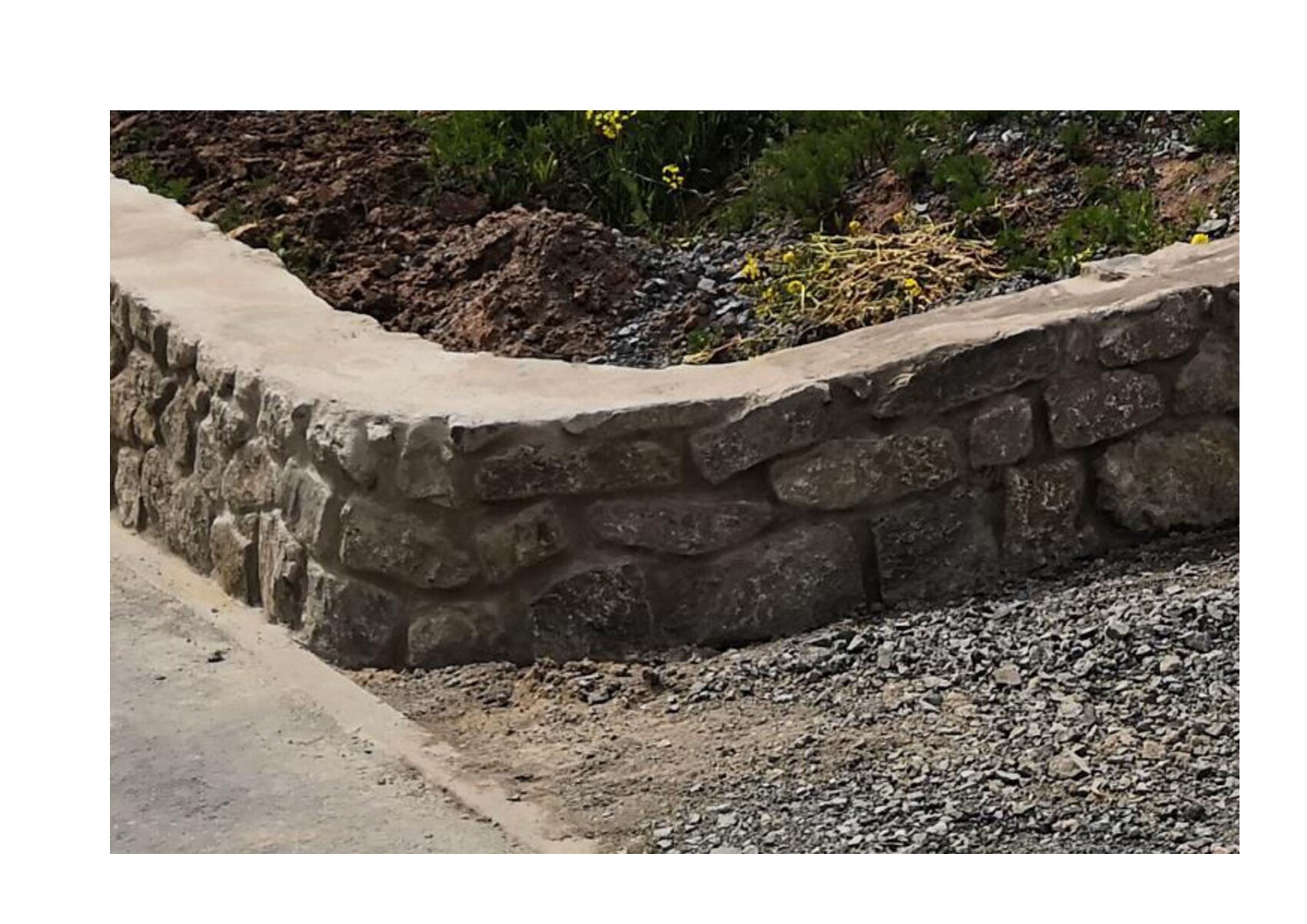
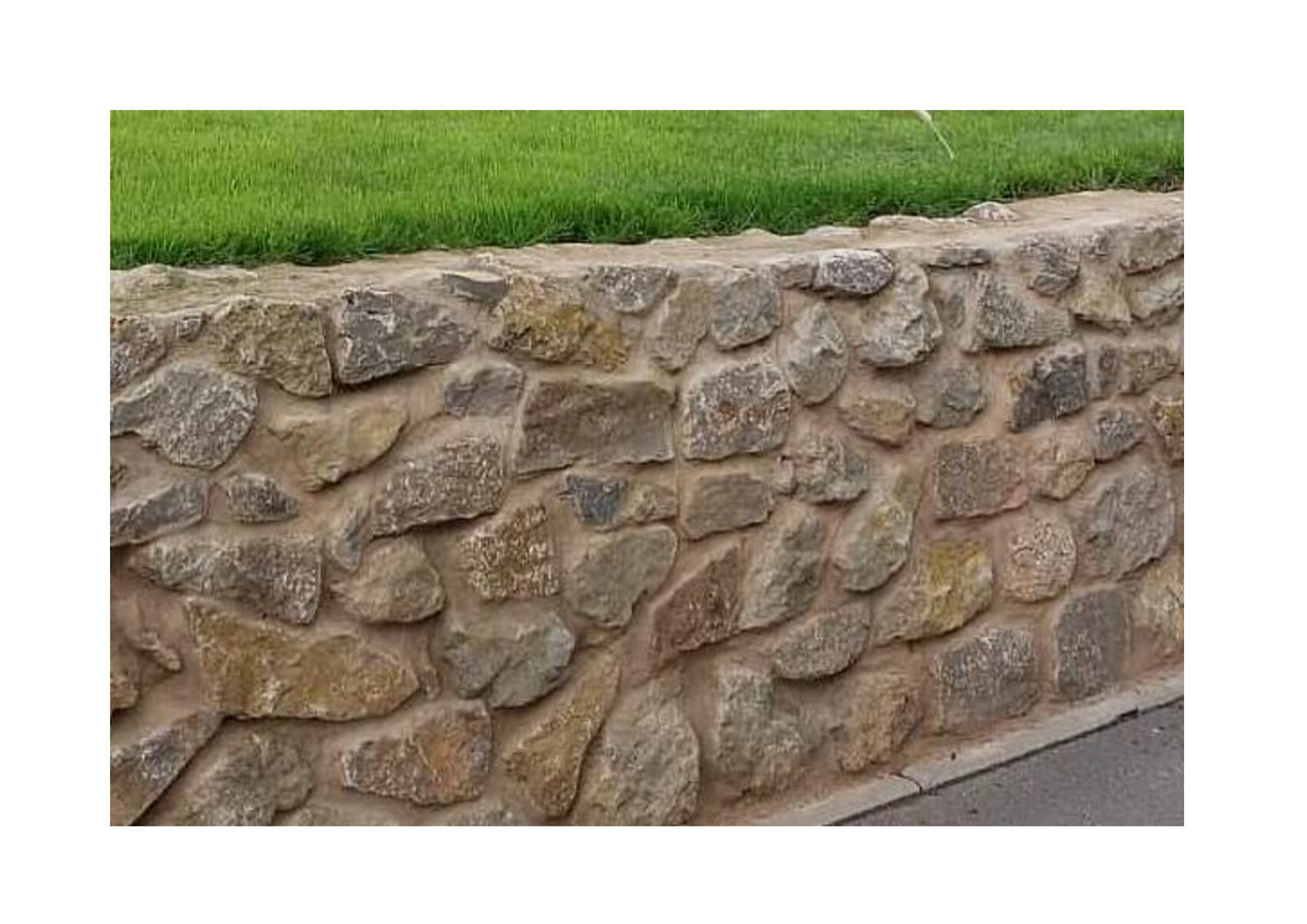
I had a natural stone wall made from shell limestone blocks, see the attached photos. The gaps between the blocks were filled with pozzolanic mortar, and the top surface, where the fence will later be mounted, was roughly leveled with pozzolanic mortar. Now to my question: Does the top surface primarily need to be sealed or waterproofed, or can I leave it as it is after masonry? There are very different opinions online. One viewpoint is that protection is not necessary, referring to castles and palaces that were not sealed or waterproofed. Others say that waterproofing can even be harmful. What is your opinion? If you think protection is necessary, which (transparent) product would you recommend?
Good luck
S
Schorsch_baut26 Oct 2024 09:02What does the contractor say? Anyone who constructs something like this and provides the warranty should know.
R
Raiweired26 Oct 2024 09:32Good morning Schorsch_baut, this wall was not built by a company; it was done as a DIY project. My son and my son-in-law are trained masons. They have built houses before and this time they built the wall. However, the question is whether protection is necessary or not. Neither my son nor my son-in-law could answer that question.
S
Schorsch_baut26 Oct 2024 10:07In our region, there are walls made of greywacke that are not treated with a water repellent. However, these walls usually do not have a flat top but rather a slightly sloped or rounded coping to allow water to drain off more effectively.
Similar topics