
M
Morus200228 Jul 2022 22:10Hello everyone,
I bought a house built in 1967, with an extension added in the mid-1980s.
The walkable attic measures approximately 10m by 7.5m (33ft by 25ft).
The height in the attic is just under 1.8m (6ft) at the center.
Energy efficiency rating of the house: F.
The energy certificate stated that insulating the basement and the uppermost ceiling could be done as individual measures.
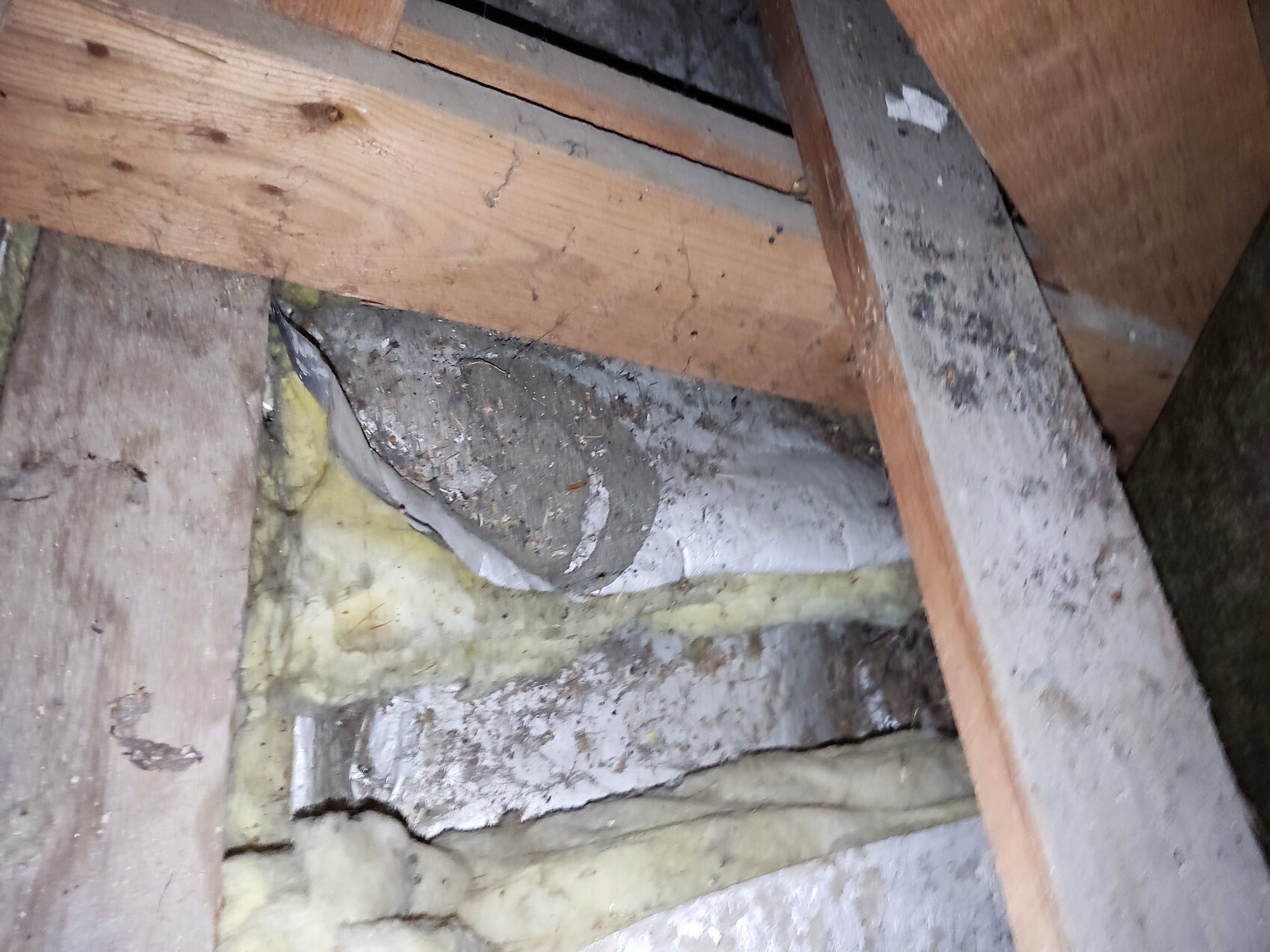
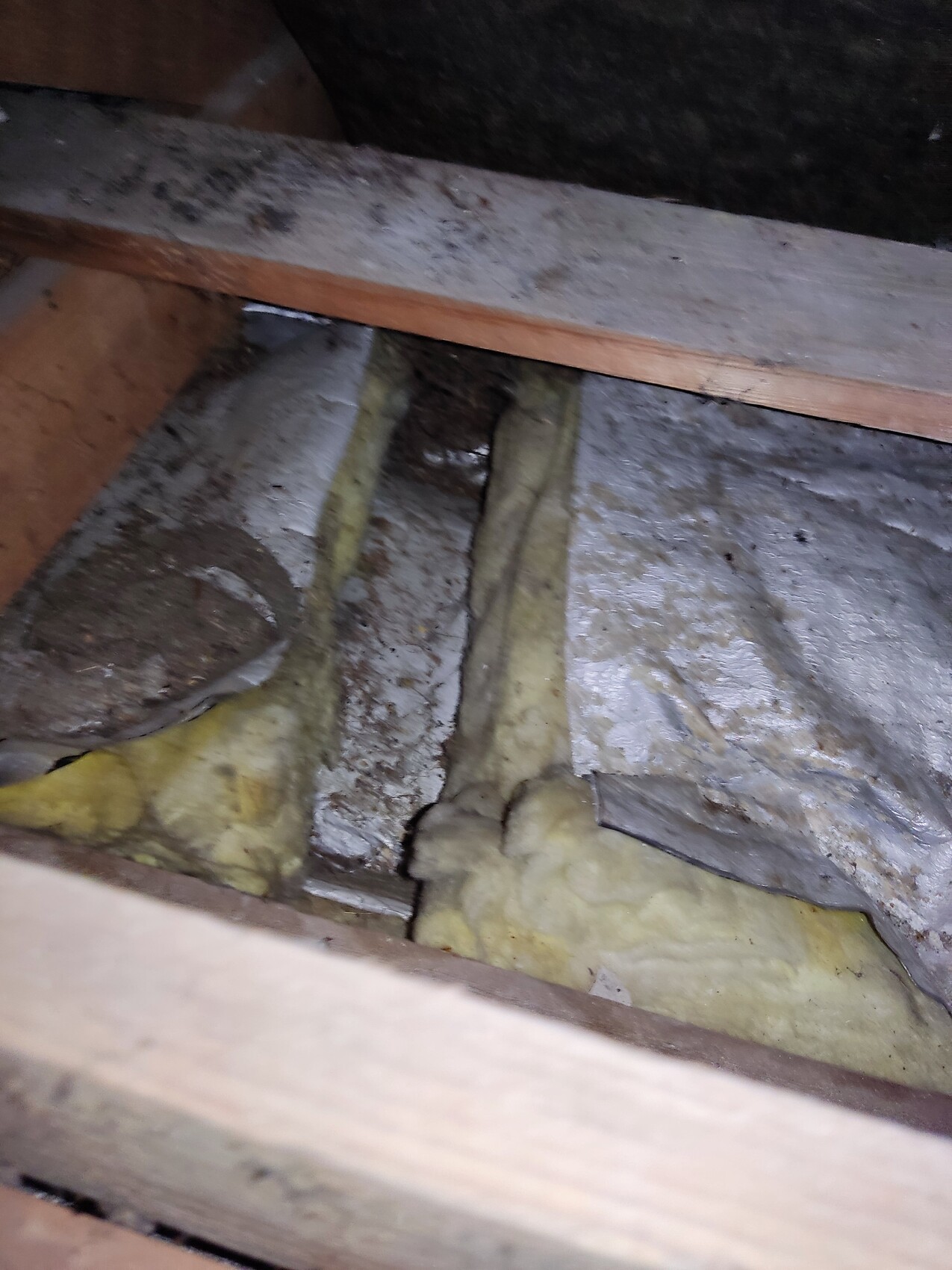
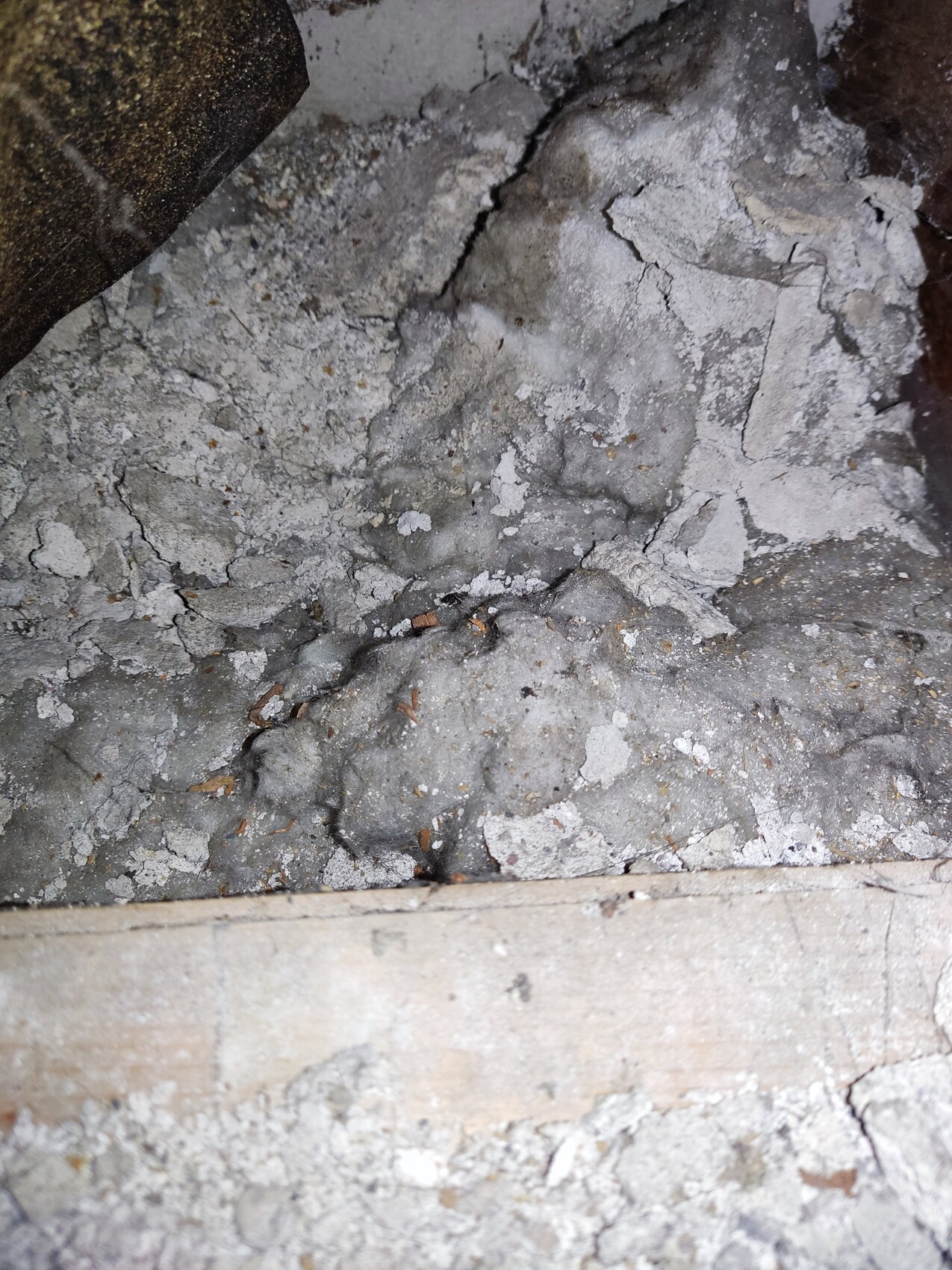
In the attic of the extension, I found some old insulation (see picture). I think it is mineral wool (yellow with a silver surface).
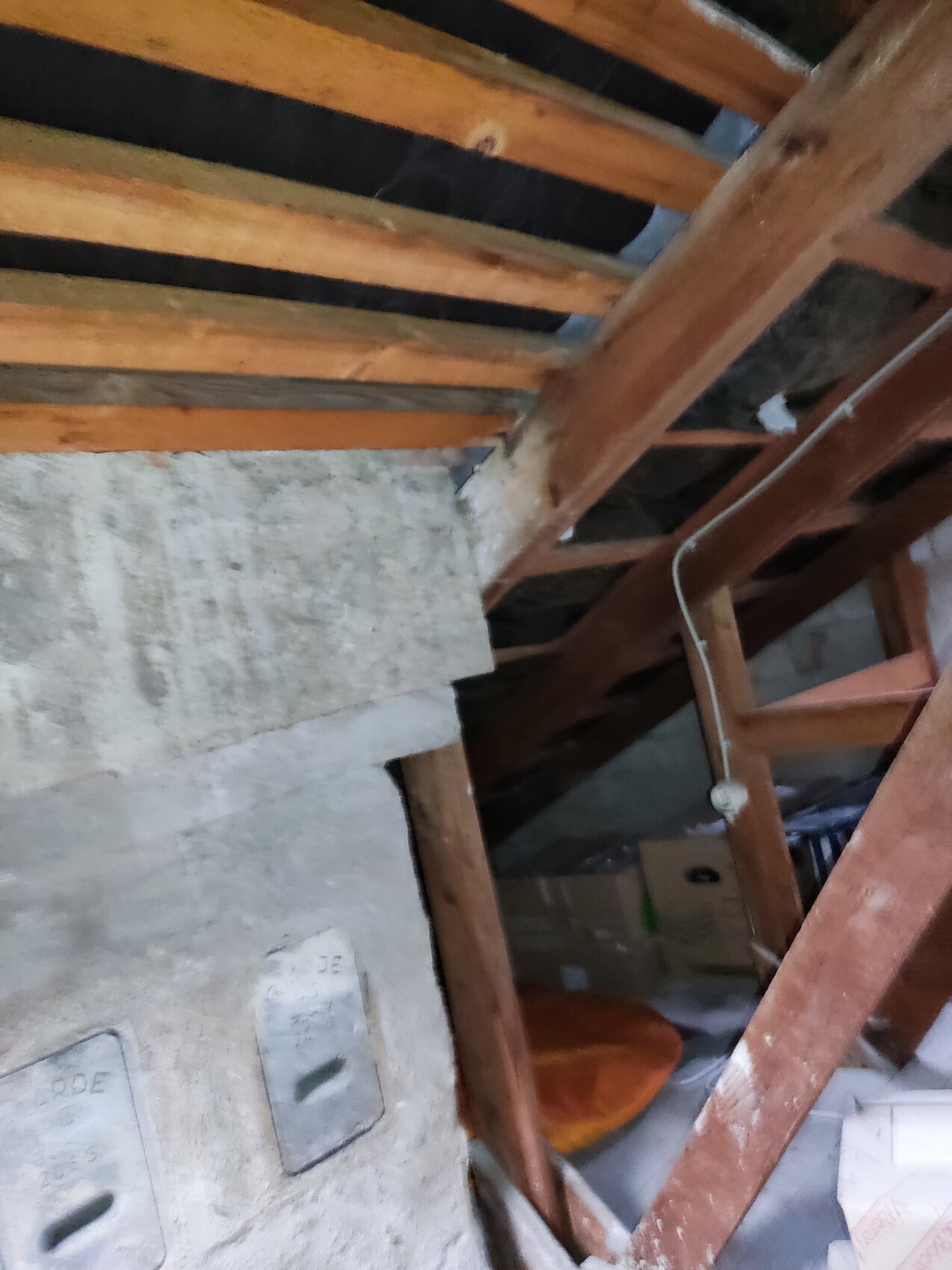
The original building also has some insulation (something grey, see picture).
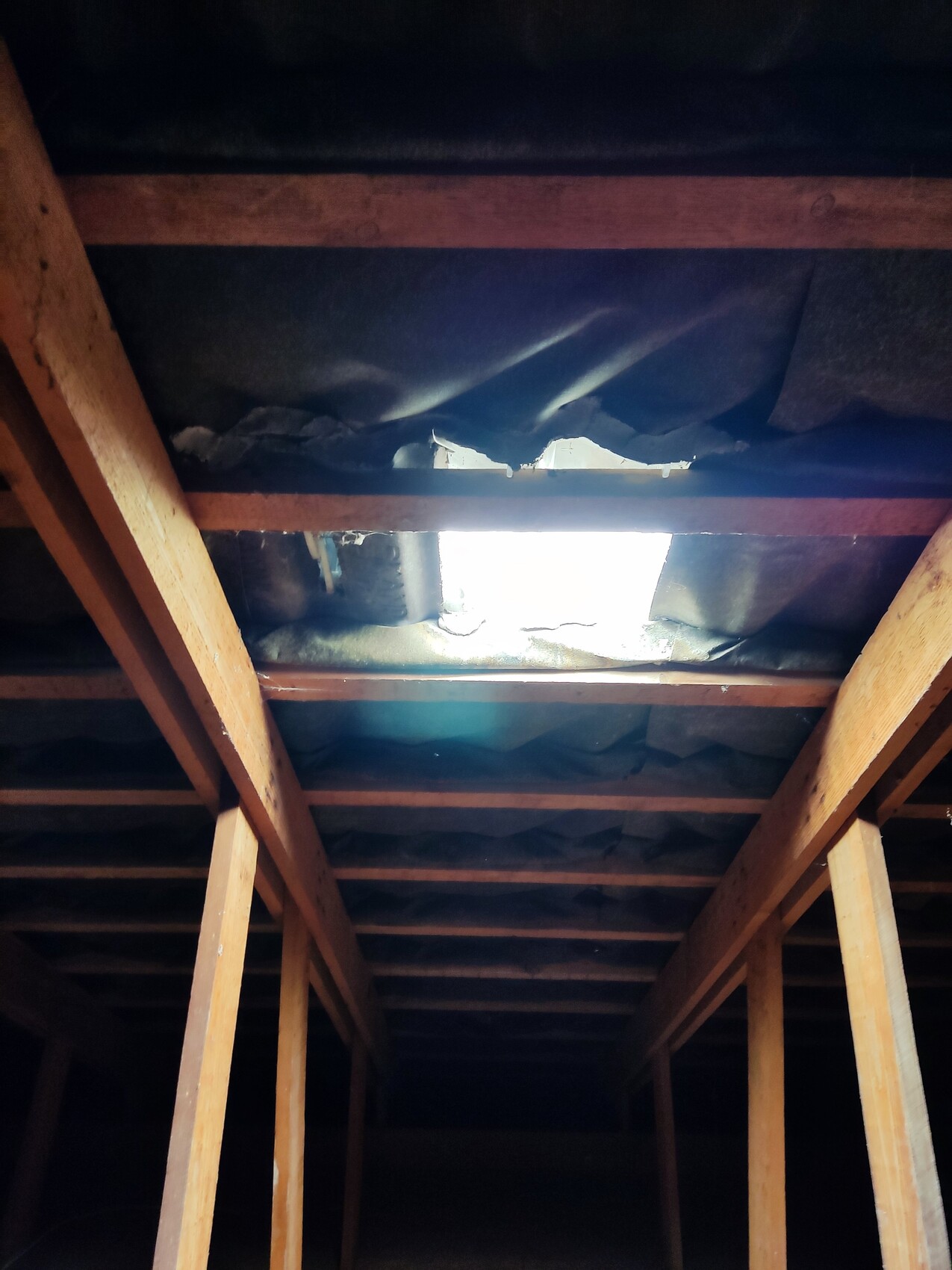
Floorboards are nailed over both areas (extension and original building) to make them walkable.
I would like to use the attic for storage and use sustainable local materials. Removing the floorboards is probably a lot of work, so I want to insulate at the rafters instead.
My plan:
I want to widen the rafters, which are about 11cm (4.3 inches) wide, with additional studs and fill about 25cm (10 inches) of seagrass insulation.
A membrane will be stapled between the roof tiles and the seagrass, and the whole thing will be covered with timber boards.
Questions:
1) Does this double insulation make sense (unknown insulation on the floor plus seagrass in the roof)?
2) Which membrane is best to use?
3) What type of timber should I use for the cladding?
Best regards and thanks in advance
Morus
I bought a house built in 1967, with an extension added in the mid-1980s.
The walkable attic measures approximately 10m by 7.5m (33ft by 25ft).
The height in the attic is just under 1.8m (6ft) at the center.
Energy efficiency rating of the house: F.
The energy certificate stated that insulating the basement and the uppermost ceiling could be done as individual measures.
In the attic of the extension, I found some old insulation (see picture). I think it is mineral wool (yellow with a silver surface).
The original building also has some insulation (something grey, see picture).
Floorboards are nailed over both areas (extension and original building) to make them walkable.
I would like to use the attic for storage and use sustainable local materials. Removing the floorboards is probably a lot of work, so I want to insulate at the rafters instead.
My plan:
I want to widen the rafters, which are about 11cm (4.3 inches) wide, with additional studs and fill about 25cm (10 inches) of seagrass insulation.
A membrane will be stapled between the roof tiles and the seagrass, and the whole thing will be covered with timber boards.
Questions:
1) Does this double insulation make sense (unknown insulation on the floor plus seagrass in the roof)?
2) Which membrane is best to use?
3) What type of timber should I use for the cladding?
Best regards and thanks in advance
Morus
No, in my opinion, it doesn’t make sense. The old glass wool insulation with the silver foil used as a vapor barrier needs to be removed and replaced. You can add additional insulation to the roof, but it should not be reed grass; instead, use wood fiber or cellulose if you want to avoid glass or stone wool. The materials should become increasingly vapor-permeable from the inside to the outside. That means a foil or glued OSB board on the inside, followed by insulation, and then a wind barrier beneath the roof tiles.
M
Morus200229 Jul 2022 14:02Grundaus schrieb:
No, in my opinion, that doesn’t make sense. The old glass wool insulation with the silver foil acting as a vapor retarder needs to be removed and replaced. Additional roof insulation can be installed, but not using thatch; instead, use wood fiber or cellulose if you don’t want glass or stone wool. The materials should always become more vapor permeable from the inside to the outside. That means a vapor retarder or taped OSB board on the inside, followed by insulation, and then a wind barrier toward the roof sheathing. Thank you very much for the help. Why does the old insulation have to be completely removed?
Would there then be space again under the floorboards for filling with sea grass?
I preferred to avoid wood because of its low fire resistance.
Best regards
Similar topics