
New here and already have a few questions....
We are tearing up the entire floor and want to install underfloor heating.... Now, we want a hardwood floor in the living room and a floor with a concrete look in all other rooms, including bathrooms, kitchen, and dining area.
My question is: I would really love a polished screed floor (except for the expansion joints) for a nice, uniform appearance. However, friends and two tradespeople have expressed concerns about cracks and similar issues.
I don’t want to seem unwilling to take advice, but I also don’t want to give up completely — after all, you see this kind of flooring in many places. Alternatively, I have (admittedly somewhat reluctantly) looked at concrete tiles. What bothers me there is that it always looks like tiles, either because of the grout lines or the repeating pattern. I want the floor to look a bit like concrete with shadows, stains, and the like (I hope this makes sense).
So, question for the pros: do you think going with the screed makes sense? Do you maybe have an alternative? Or are tiles really the most practical option?
Oh, ceiling heights are from 2.50 m (8 ft 2 in) upwards.
I’ll upload a few pictures...
So far, only the laminate flooring has been removed (which had been installed specifically for sale purposes).
Thanks a lot
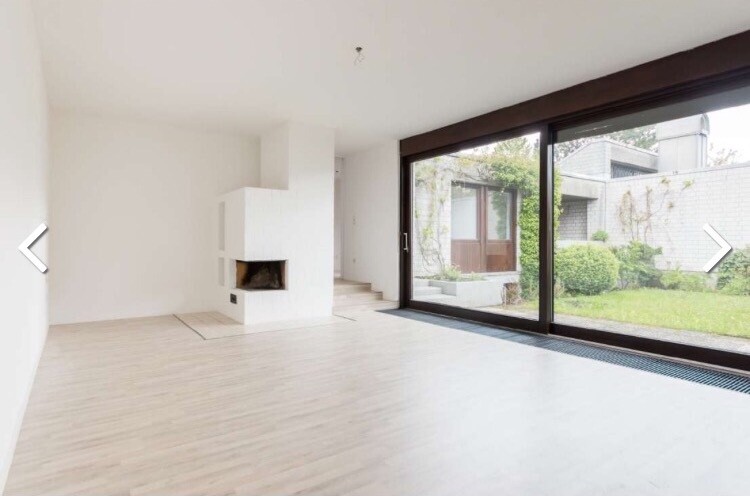
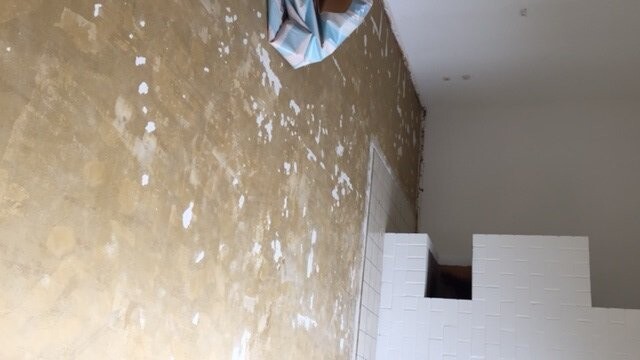
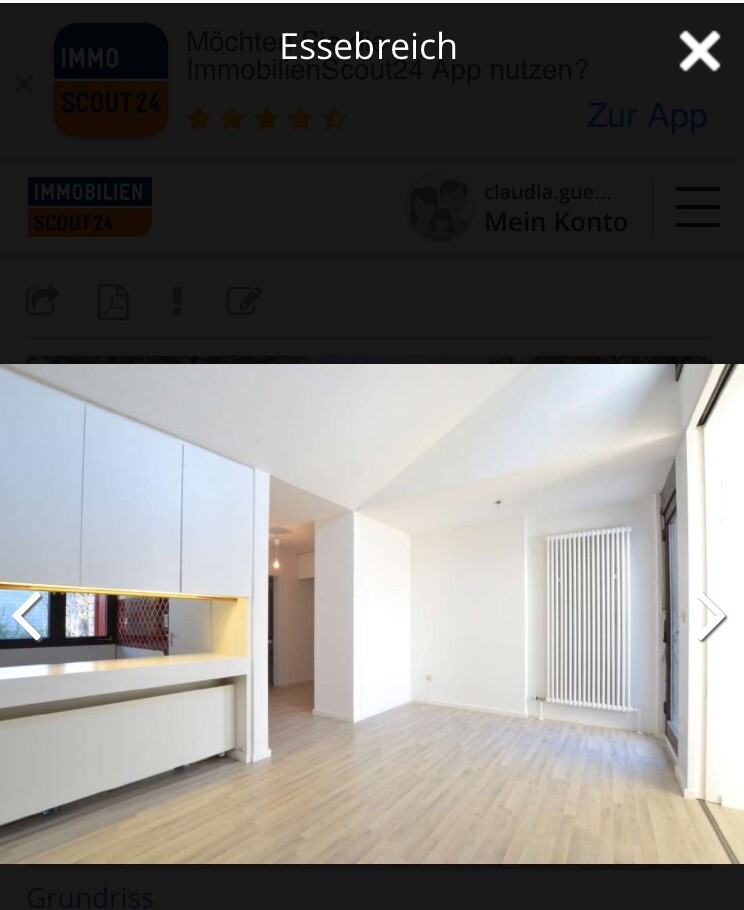
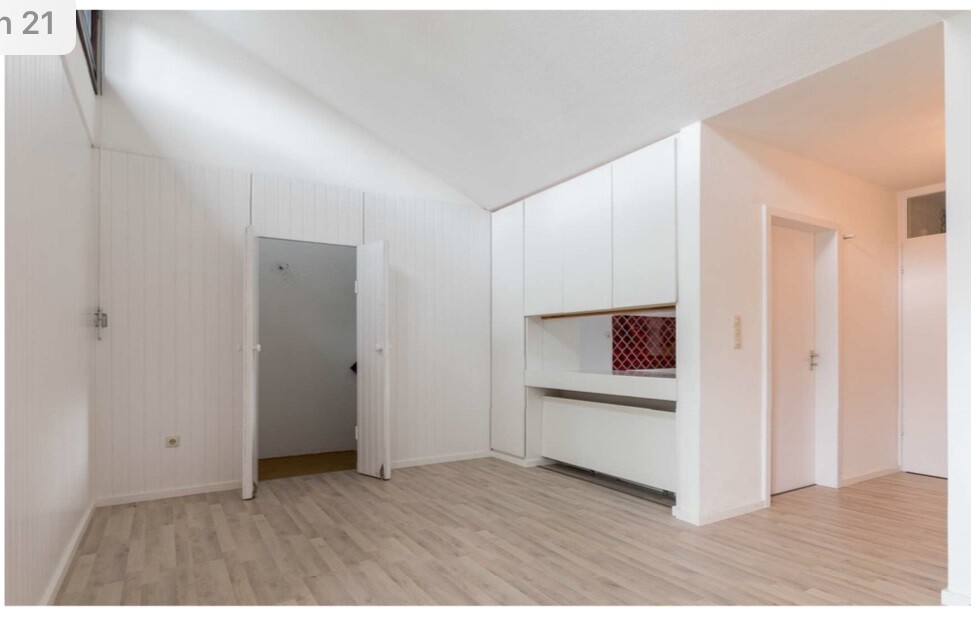
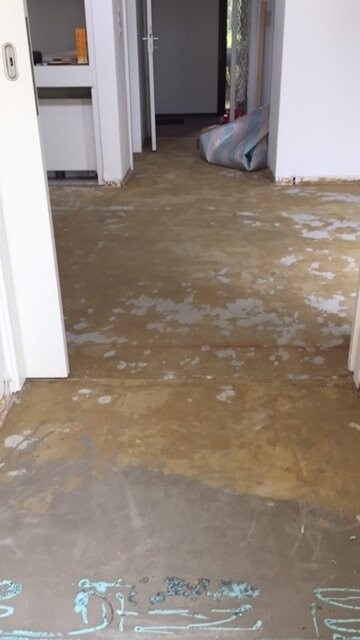
We are tearing up the entire floor and want to install underfloor heating.... Now, we want a hardwood floor in the living room and a floor with a concrete look in all other rooms, including bathrooms, kitchen, and dining area.
My question is: I would really love a polished screed floor (except for the expansion joints) for a nice, uniform appearance. However, friends and two tradespeople have expressed concerns about cracks and similar issues.
I don’t want to seem unwilling to take advice, but I also don’t want to give up completely — after all, you see this kind of flooring in many places. Alternatively, I have (admittedly somewhat reluctantly) looked at concrete tiles. What bothers me there is that it always looks like tiles, either because of the grout lines or the repeating pattern. I want the floor to look a bit like concrete with shadows, stains, and the like (I hope this makes sense).
So, question for the pros: do you think going with the screed makes sense? Do you maybe have an alternative? Or are tiles really the most practical option?
Oh, ceiling heights are from 2.50 m (8 ft 2 in) upwards.
I’ll upload a few pictures...
So far, only the laminate flooring has been removed (which had been installed specifically for sale purposes).
Thanks a lot
 DieScholz´ens19 Sep 2017 12:32
Yes, that's a pity... it sounded so promising.
But thank you for the information (learned something new again).
But thank you for the information (learned something new again).

"...Flowing asphalt screed is only possible as long as the windows or glazing are not yet installed!"
Sorry, dear community, but when such nonsense is shared within this discussion, I must raise my voice!
A flowing asphalt screed can of course also be installed when the glass panes are already fitted. Why not? The high installation temperature of the screed (today around 170°C (340°F)) has absolutely nothing to do with the windows! Why should it?
A few years ago, I recommended and also installed flowing asphalt throughout a high-rise building in Trier undergoing renovation due to limited floor build-up heights. Just like in thousands of residential buildings every year. The screed should only be installed if external weather influences (such as wind and rain entering the rooms) can be excluded.
If—and here I am specifically addressing all so-called half-knowledgeable people—if there is a query from the community coming to us, those without expertise should not actively participate in spreading confusion through misinformation.
The basic idea of choosing a flowing asphalt screed can never really be wrong. Unless the area is too small. Because no asphalt worker will fire up a 5m³ (176ft³) boiler for, for example, only 5m² (54ft²) of surface area! Because of the required heating energy.
---------------------------
Regards: KlaRa
Sorry, dear community, but when such nonsense is shared within this discussion, I must raise my voice!
A flowing asphalt screed can of course also be installed when the glass panes are already fitted. Why not? The high installation temperature of the screed (today around 170°C (340°F)) has absolutely nothing to do with the windows! Why should it?
A few years ago, I recommended and also installed flowing asphalt throughout a high-rise building in Trier undergoing renovation due to limited floor build-up heights. Just like in thousands of residential buildings every year. The screed should only be installed if external weather influences (such as wind and rain entering the rooms) can be excluded.
If—and here I am specifically addressing all so-called half-knowledgeable people—if there is a query from the community coming to us, those without expertise should not actively participate in spreading confusion through misinformation.
The basic idea of choosing a flowing asphalt screed can never really be wrong. Unless the area is too small. Because no asphalt worker will fire up a 5m³ (176ft³) boiler for, for example, only 5m² (54ft²) of surface area! Because of the required heating energy.
---------------------------
Regards: KlaRa
Once again: those who are not familiar with the current situation should refrain from such publications.
Mastic asphalt screeds were installed (this tense is correct) at temperatures up to 230°C (446°F). However, for about the last two years, they have only been applied at around 170°C (338°F).
If low-level windowpanes are present, they can be protected during screed installation using heat-resistant insulation materials.
The myth of glass panes shattering during installation is therefore something told on cold winter nights around the fire to entertain children. From a purely technical point of view, this claim has no basis whatsoever!
Hot mastic asphalt is still mostly carried piece by piece on the shoulders of construction workers to the application site. A very unpleasant task, certainly, but for spectacles wearers, it does not cause the glass to shatter explosively.
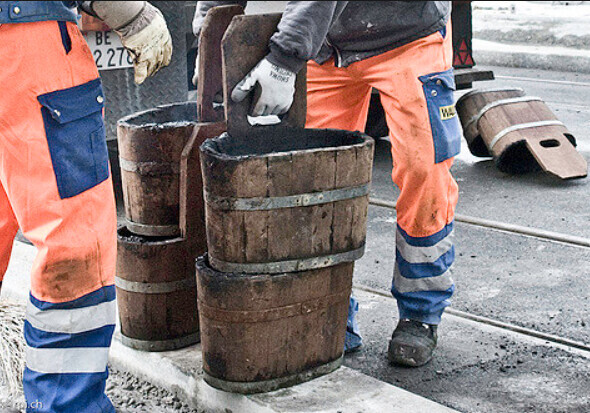
Mastic asphalt screeds were installed (this tense is correct) at temperatures up to 230°C (446°F). However, for about the last two years, they have only been applied at around 170°C (338°F).
If low-level windowpanes are present, they can be protected during screed installation using heat-resistant insulation materials.
The myth of glass panes shattering during installation is therefore something told on cold winter nights around the fire to entertain children. From a purely technical point of view, this claim has no basis whatsoever!
Hot mastic asphalt is still mostly carried piece by piece on the shoulders of construction workers to the application site. A very unpleasant task, certainly, but for spectacles wearers, it does not cause the glass to shatter explosively.
DieScholz´ens25 Sep 2017 11:15Just a quick update... the tiles are on order, and we’re looking at where we stand with the budget. The windows might still be included.
But I’ll get quotes for those once everything is finalized.
Thanks, everyone.
But I’ll get quotes for those once everything is finalized.
Thanks, everyone.
DieScholz´ens5 Jul 2018 10:42Hello,
some time has passed now, and quite a few construction works have taken place.
The floor was a big topic, and I think we found a great compromise.
A skim coat floor (not as cloudy as exposed concrete) but also seamless (expansion joints, of course, are present), and we managed to extend this floor completely from the regular floor into the shower and up the wall inside the shower.
Combined with the reclaimed oak planks in the living room, it’s a real eye-catcher.
Attached are a few pictures.
Best regards, Claudia
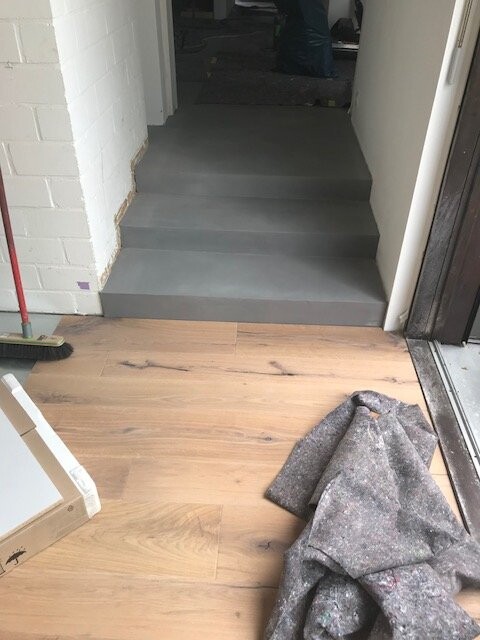
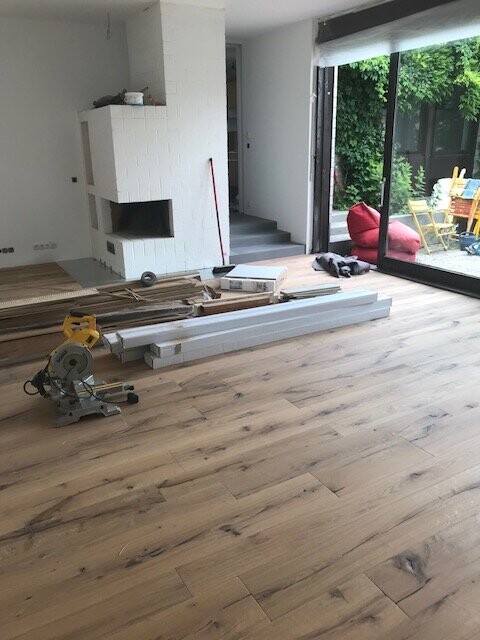
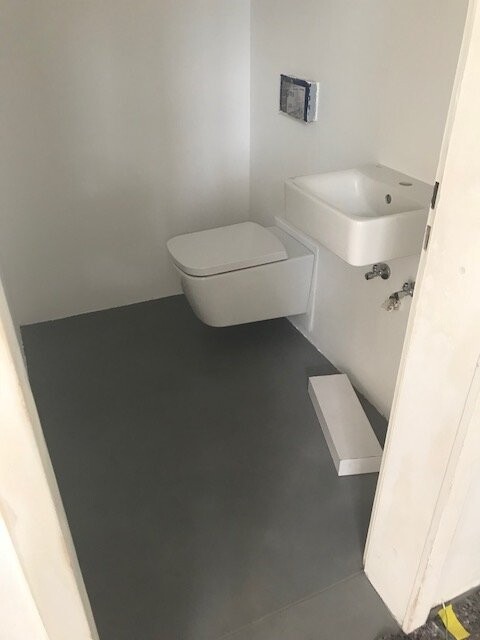
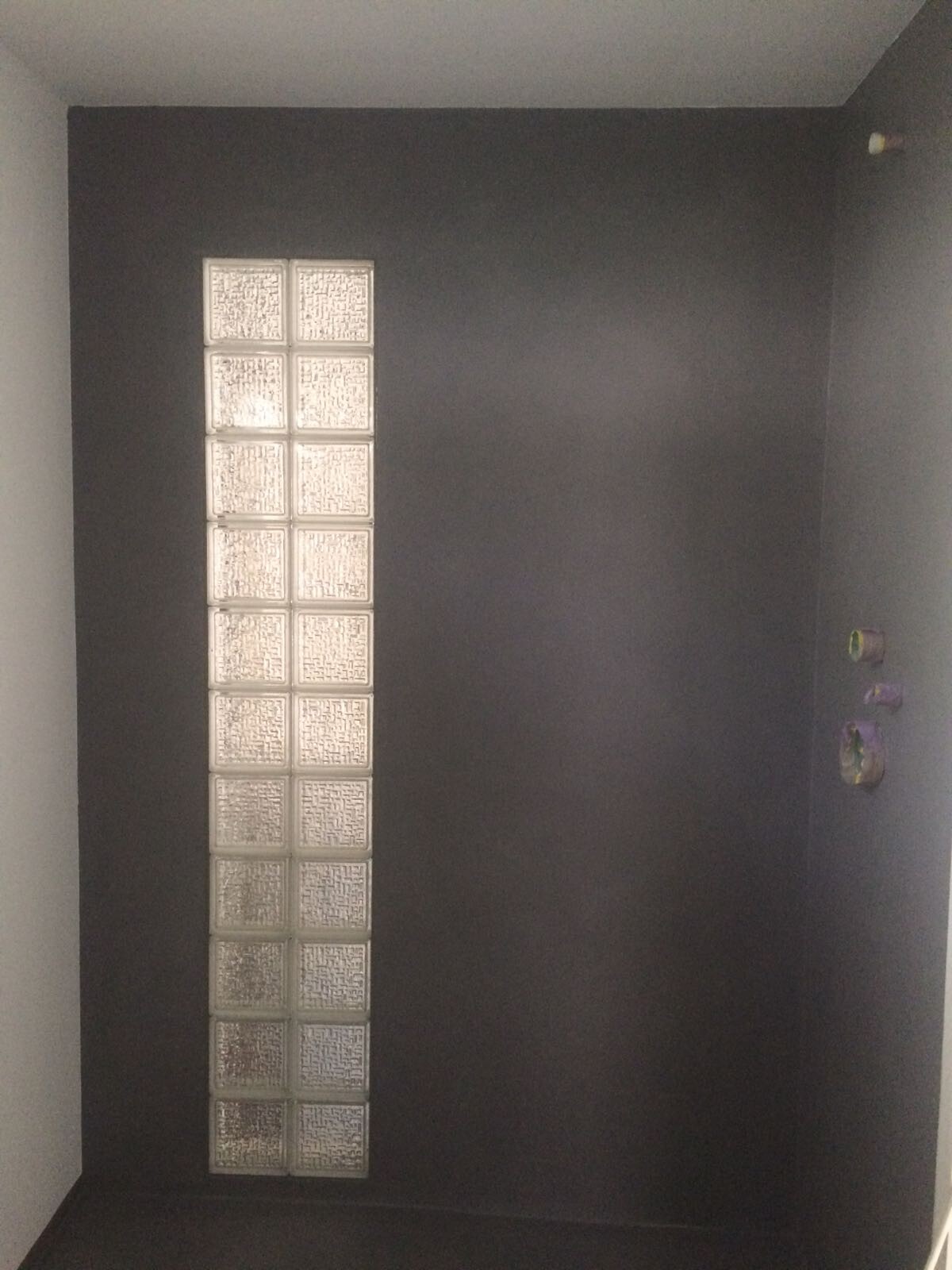
some time has passed now, and quite a few construction works have taken place.
The floor was a big topic, and I think we found a great compromise.
A skim coat floor (not as cloudy as exposed concrete) but also seamless (expansion joints, of course, are present), and we managed to extend this floor completely from the regular floor into the shower and up the wall inside the shower.
Combined with the reclaimed oak planks in the living room, it’s a real eye-catcher.
Attached are a few pictures.
Best regards, Claudia
Similar topics