
ᐅ Insulating an Old Farmhouse: Preparing an Uneven Facade – ETICS or Ventilated Façade?
Created on: 10 Jan 2026 16:40
H
hinterlandH
hinterland10 Jan 2026 16:40I live in an old, mixed farmhouse: the ground floor is masonry, with aerated concrete in the extension, and the upper floor consists of timber and clay plastered with a roughcast finish. The aim is to unify and insulate the exterior. One side still has exposed timber framing, while another shows two different paint colors from repairs, etc. Removing 300 square meters of old cement plaster from the former East Germany period is really not an option despite the motivation. Simply insulating over it is also not ideal. I’ve heard many opinions – some say that with a ventilated facade the soft insulation material will integrate well and that’s fine. Others recommend an ETICS (external thermal insulation composite system) using adhesive methods designed for uneven substrates, arguing that this will prevent the creation of a ventilated cavity.
There is also significant unevenness due to a beam – about 5 centimeters (2 inches) difference. Some suggest compensating for this by using insulation of different thicknesses, for example 16 cm (6 inches) and 10 cm (4 inches).
So –
How should I prepare the substrate – patch, repair, clean, smooth? As much as necessary, but as little as possible. I am fairly certain that this rough, porous plaster harbors pests over winter; woodpeckers are regularly active there too.
Or am I overthinking this and will a professional insulation installation simply seal it properly and solve the issue? Which insulation system do you consider the most sensible: ventilated facade (VHF) or ETICS?
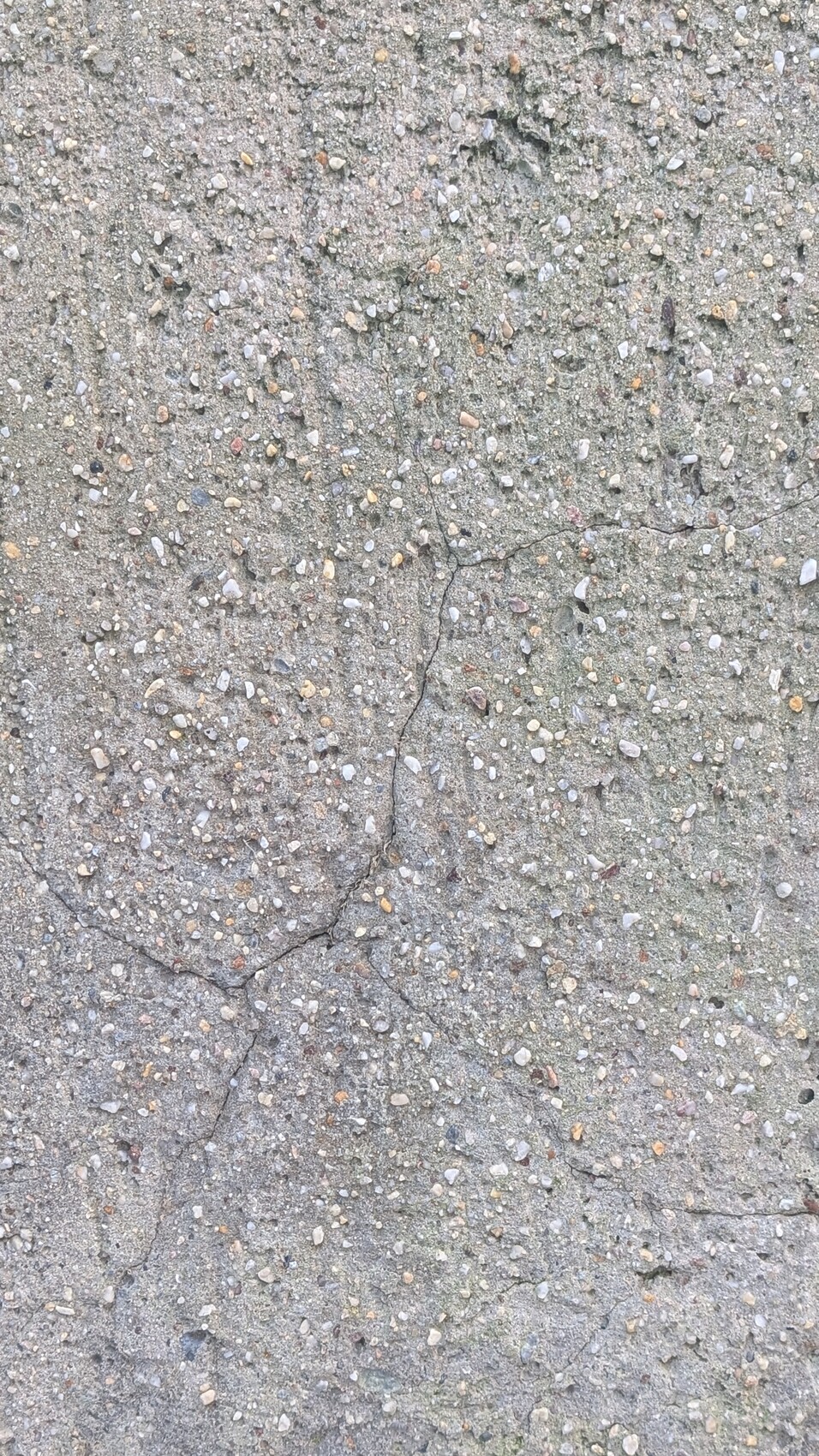
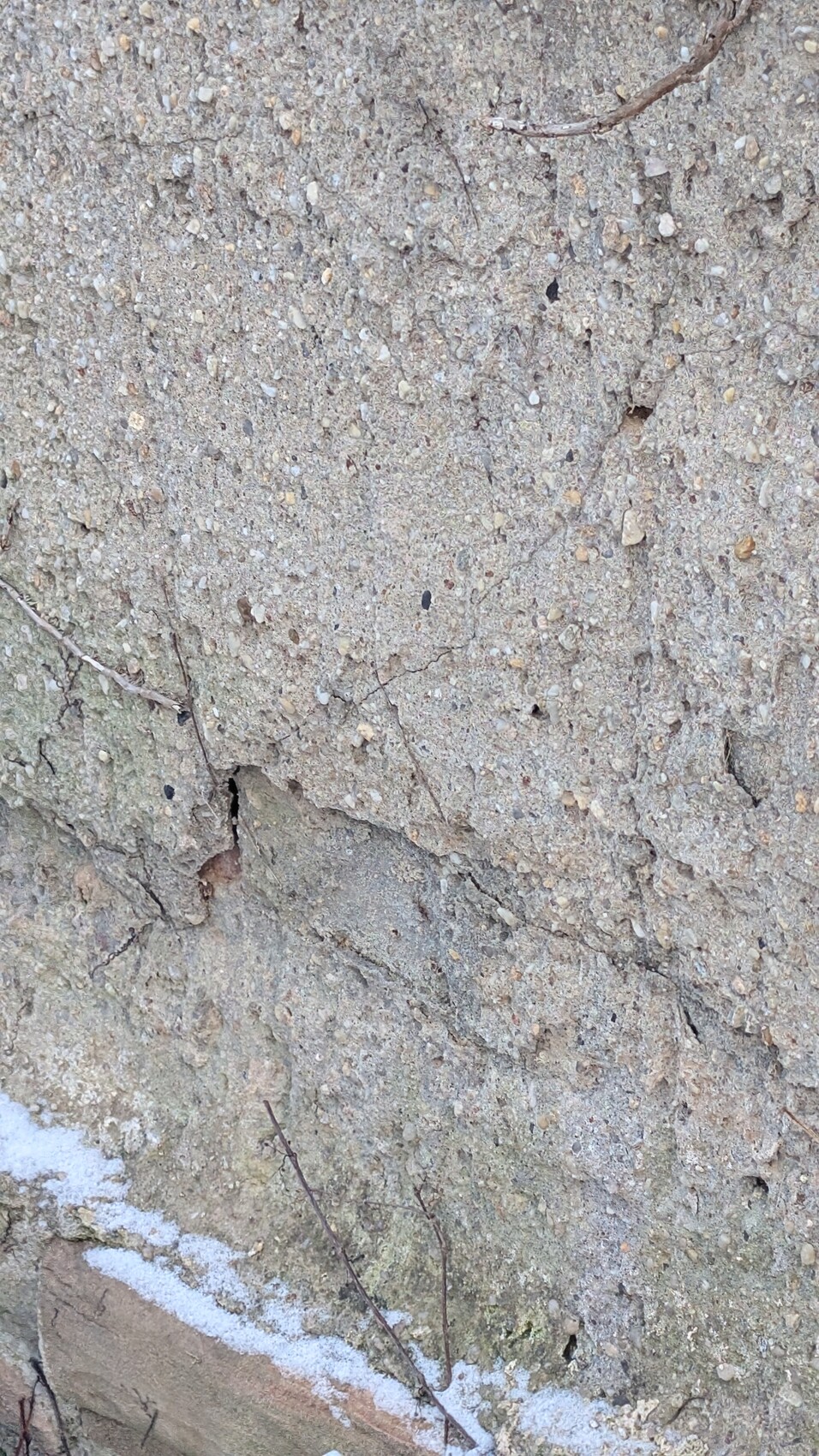
Attached are photos of the most extreme spots (damage from hedges/climbing plants and the pronounced difference caused by the beam).
Thank you very much, I look forward to hearing how you would proceed.
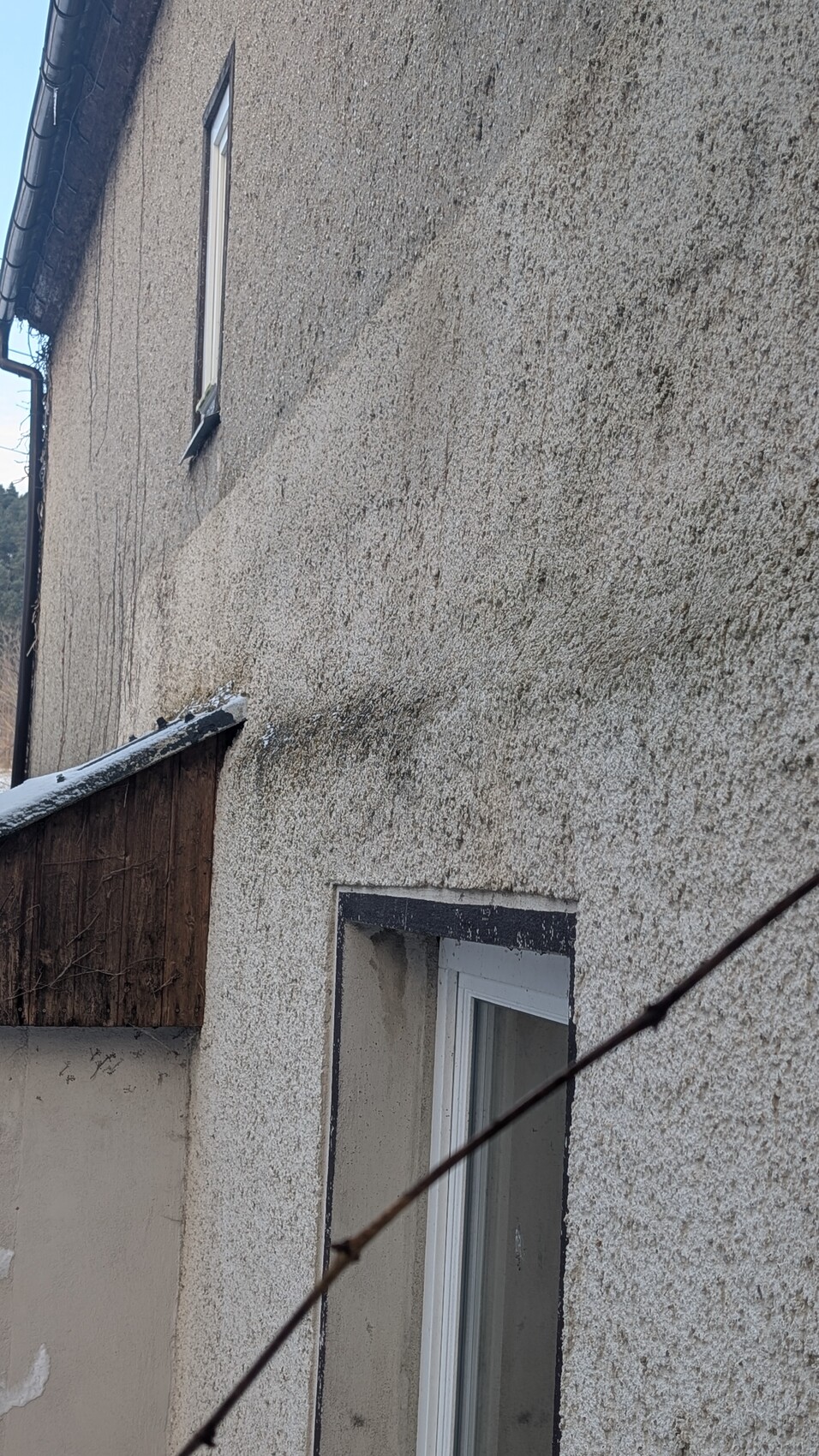
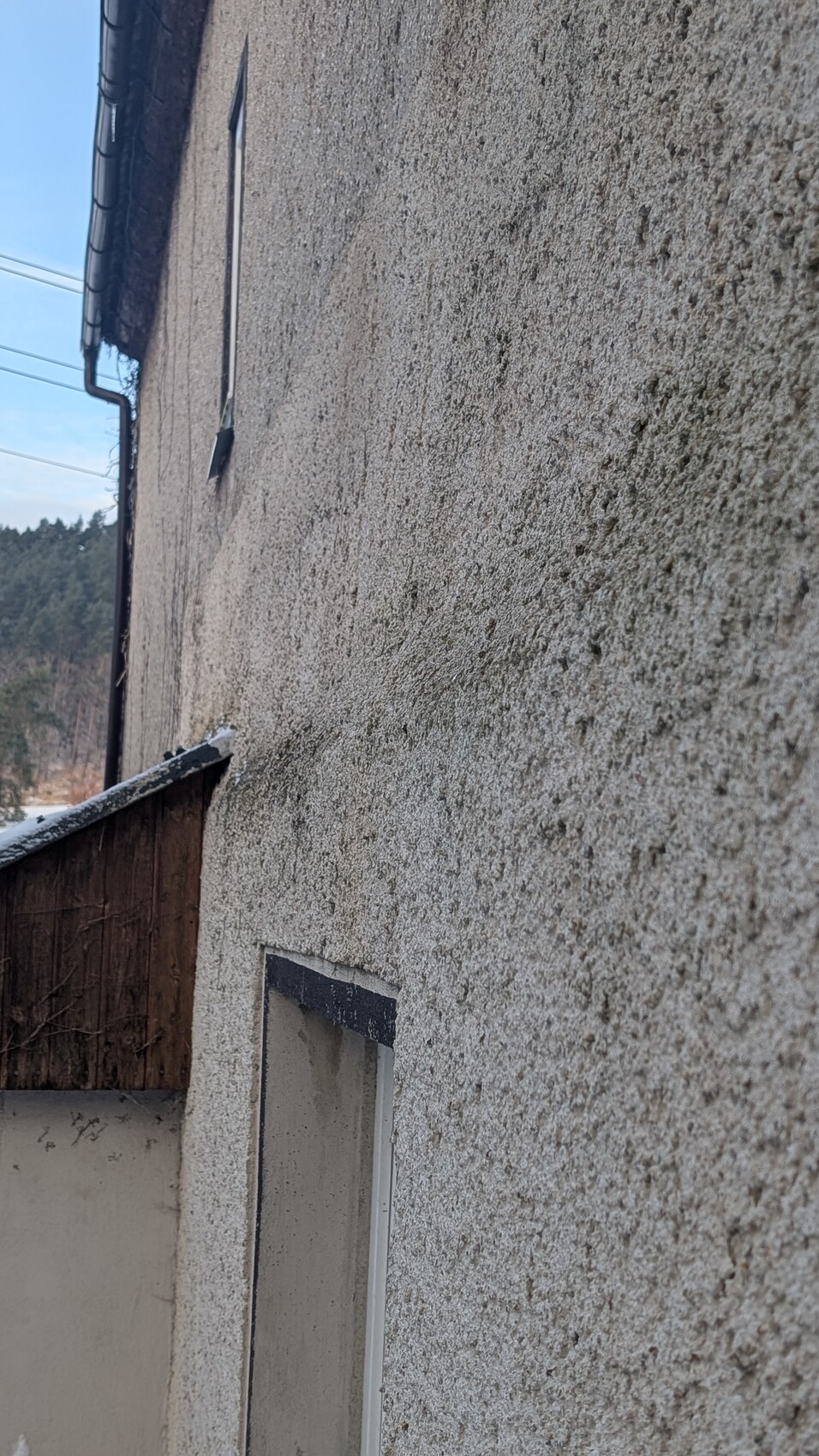
There is also significant unevenness due to a beam – about 5 centimeters (2 inches) difference. Some suggest compensating for this by using insulation of different thicknesses, for example 16 cm (6 inches) and 10 cm (4 inches).
So –
How should I prepare the substrate – patch, repair, clean, smooth? As much as necessary, but as little as possible. I am fairly certain that this rough, porous plaster harbors pests over winter; woodpeckers are regularly active there too.
Or am I overthinking this and will a professional insulation installation simply seal it properly and solve the issue? Which insulation system do you consider the most sensible: ventilated facade (VHF) or ETICS?
Attached are photos of the most extreme spots (damage from hedges/climbing plants and the pronounced difference caused by the beam).
Thank you very much, I look forward to hearing how you would proceed.
N
nordanney11 Jan 2026 11:25I see a completely standard facade for an ETICS (External Thermal Insulation Composite System). Adhesion with foam or adhesive mortar (in addition to anchors).
H
hinterland11 Jan 2026 19:05nordanney schrieb:
I see a typical facade for an external thermal insulation composite system (ETICS). Adhesion is done with foam or adhesive mortar (in addition to anchors). Okay, I was told that with an uneven base, ventilation gaps and their consequences are likely. Generally, it is recommended to seal joints with foam or insulation strips, sand down offsets flush, and apply the system evenly and homogeneously across the entire surface. A flat substrate is a prerequisite.
N
nordanney11 Jan 2026 19:42Maybe some spots will need touch-ups. But as for the plot, do you have a flat surface for the external thermal insulation composite system (ETICS / ETICS)?
H
hinterland11 Jan 2026 20:16What is the opinion on VHF? I see many advantages but, of course, also the cost.
Where the beam has worked, there is about 5 cm (2 inches) more overhang at the bottom. Do you then use two different insulation thicknesses with the ETICS? For example, 16 cm (6.3 inches) and 20 cm (7.9 inches).
Where the beam has worked, there is about 5 cm (2 inches) more overhang at the bottom. Do you then use two different insulation thicknesses with the ETICS? For example, 16 cm (6.3 inches) and 20 cm (7.9 inches).
N
nordanney11 Jan 2026 20:55hinterland schrieb:
What is your opinion on VHF? I see many advantages but, of course, also the cost.It’s a great solution – also something you can do yourself if you want. But the cost...hinterland schrieb:
Where the beam is installed, there’s about 5cm (2 inches) more overhang downwards.What exactly do you mean by that? It’s not clear from the pictures.One general question: Will the roof be addressed as well? It looks like neither an ETICS (external thermal insulation composite system) nor a ventilated façade will be installed.
Similar topics