
Hello everyone,
I’m currently considering how the room divider could be designed—whether it should be accessible from both sides or just one. I’m thinking of a height of about 1.40 m (4 ft 7 in).
On one side, the TV would be mounted, and on the other side, there would be a bench.
My thoughts:
I’m not sure why, but I feel that with the double-sided accessible option, when I’m watching TV, I might notice more movement in the background, which could be distracting, although it would feel more open.
With the single-sided option, I might have more possibilities for design.
Does anyone have experience with this or any opinions?
Thanks and regards!
PS: I also find the example photo interesting.
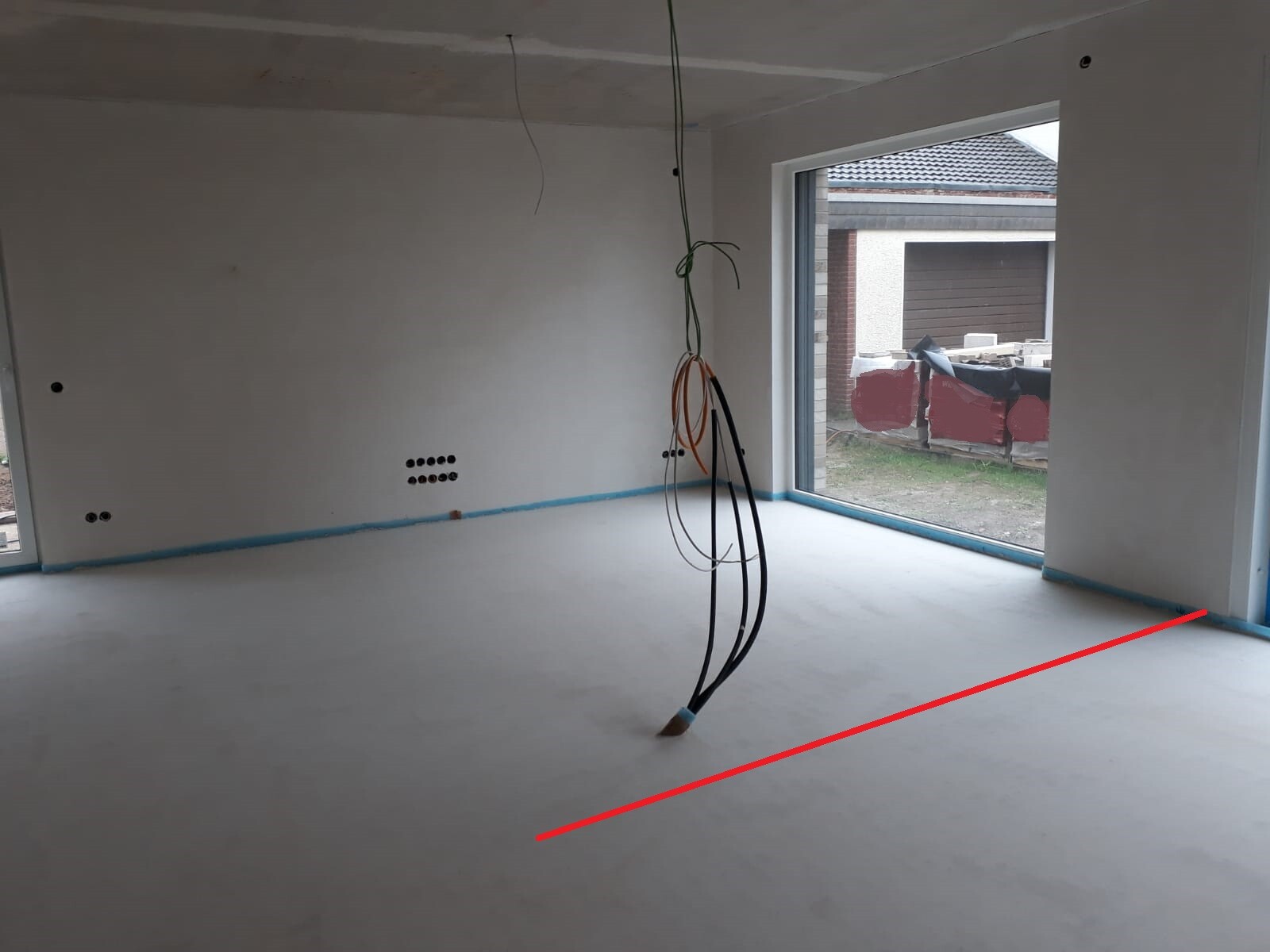
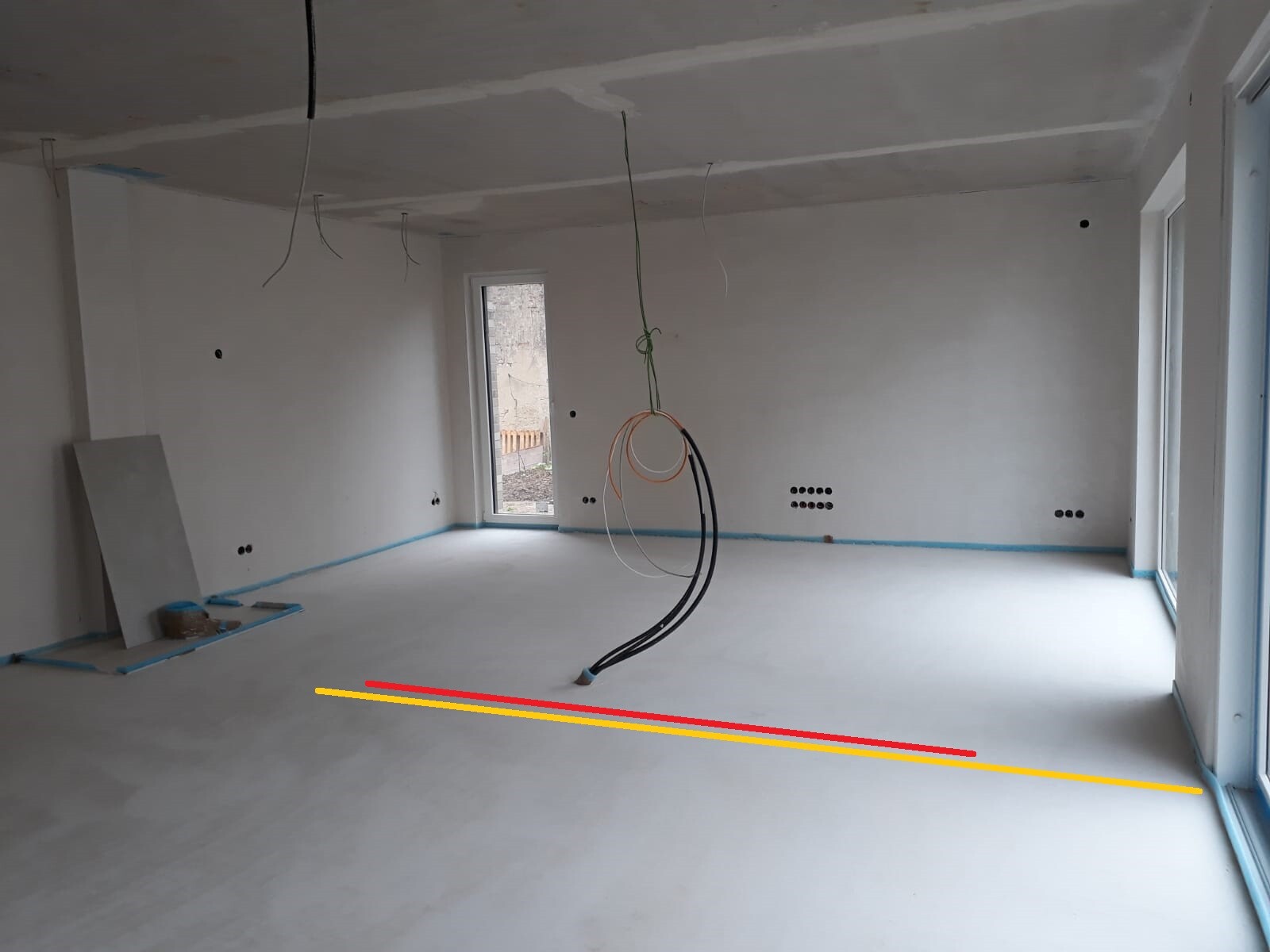
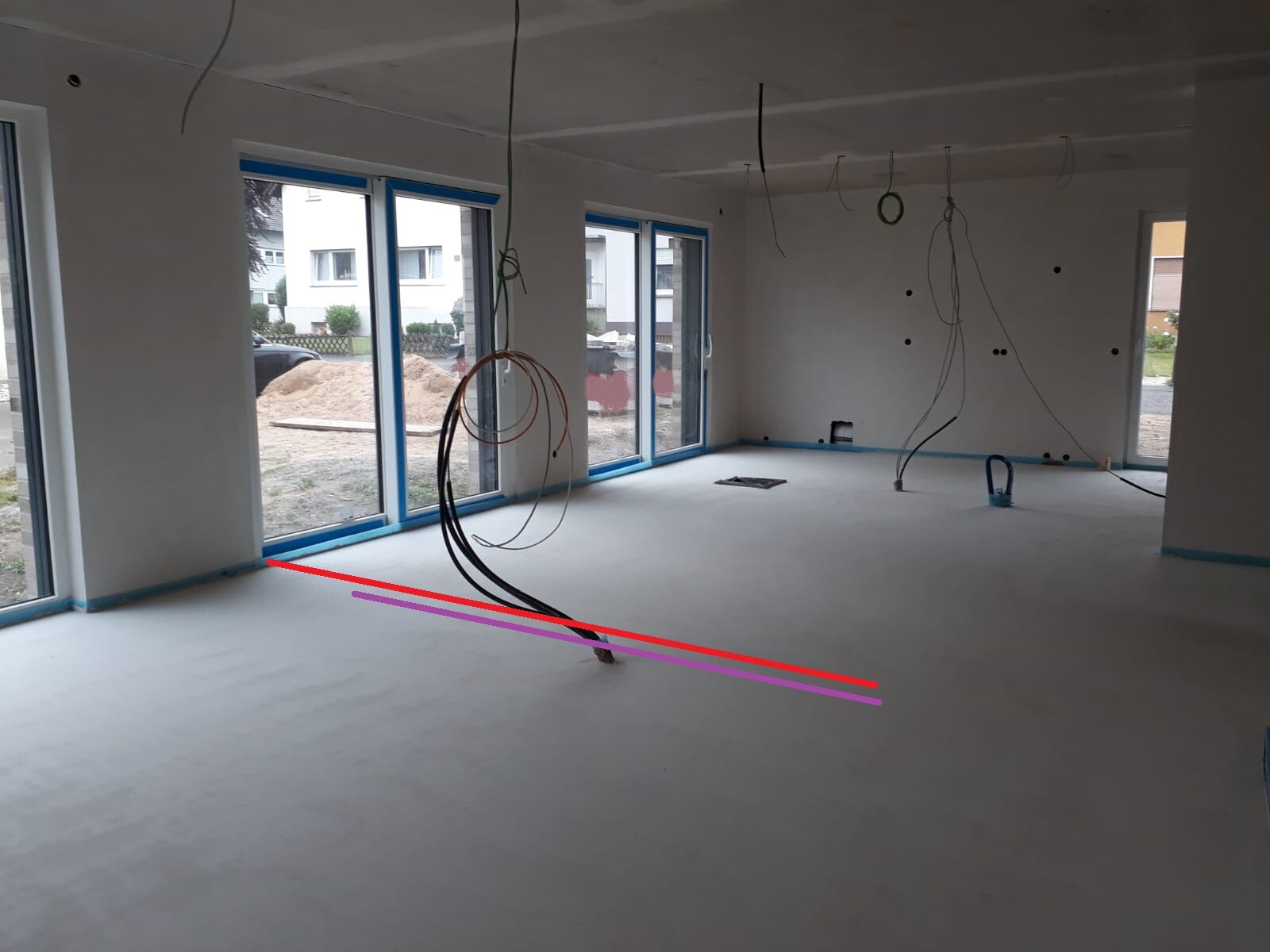
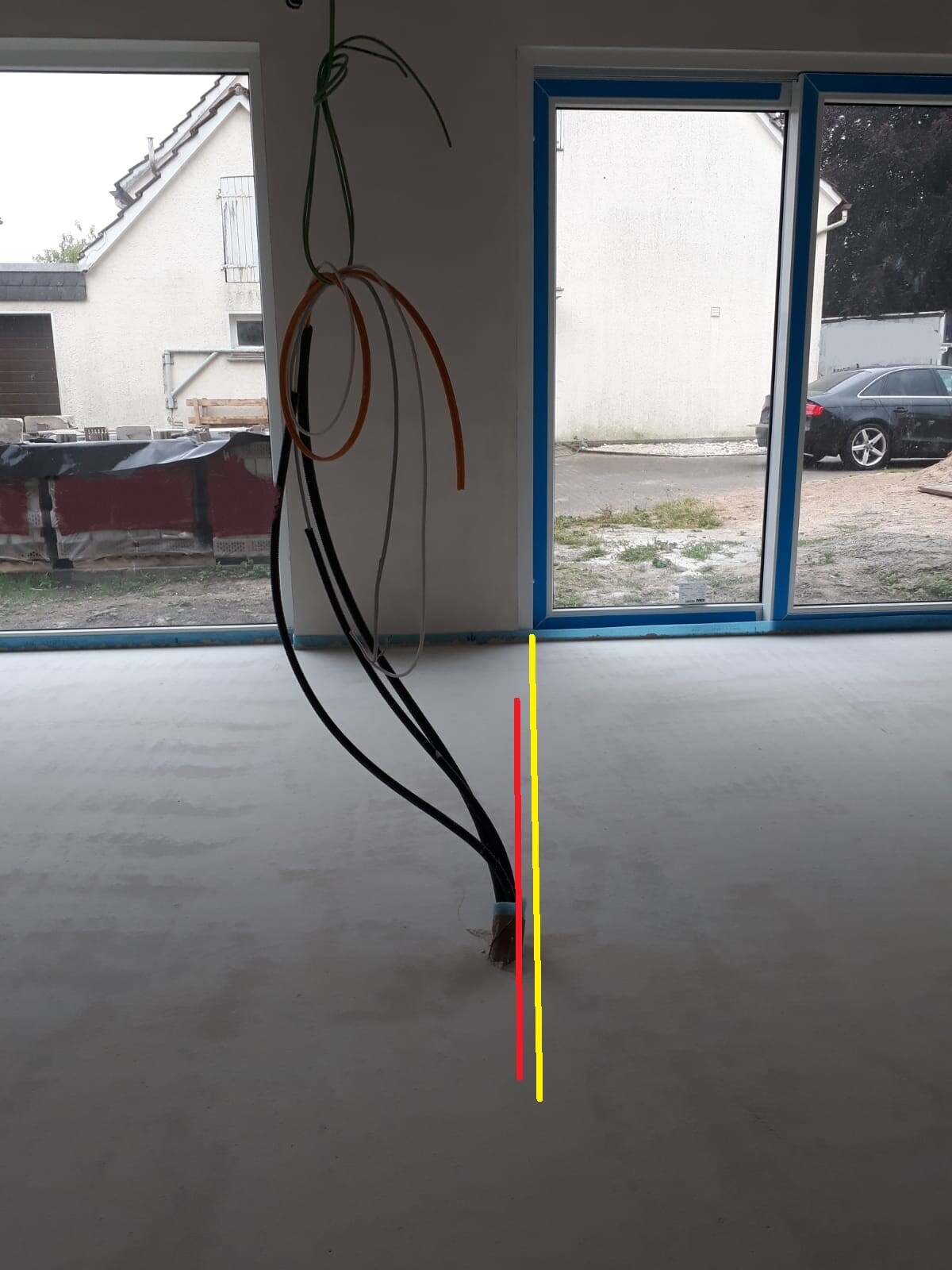
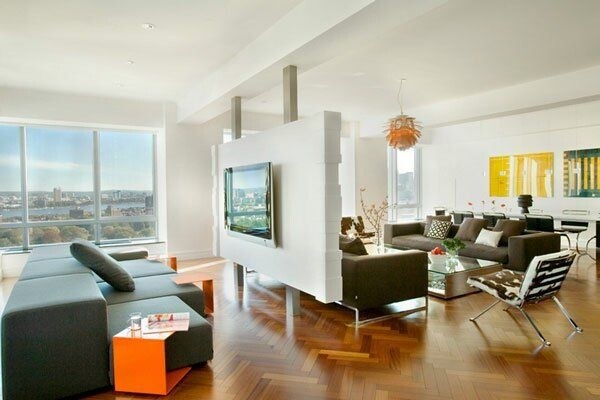
I’m currently considering how the room divider could be designed—whether it should be accessible from both sides or just one. I’m thinking of a height of about 1.40 m (4 ft 7 in).
On one side, the TV would be mounted, and on the other side, there would be a bench.
My thoughts:
I’m not sure why, but I feel that with the double-sided accessible option, when I’m watching TV, I might notice more movement in the background, which could be distracting, although it would feel more open.
With the single-sided option, I might have more possibilities for design.
Does anyone have experience with this or any opinions?
Thanks and regards!
PS: I also find the example photo interesting.
Alessandro schrieb:
I would create a modern room divider using wooden beams/slats. You can incorporate shelves or openings into it.
I would extend the beams along the ceiling.
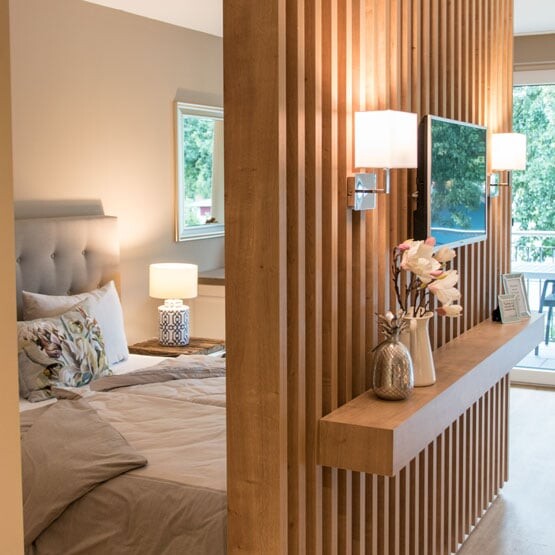
It looks very stylish, but wouldn’t you still see movement in the background? Who usually builds something like this, a carpenter?
Steffi’s design is still in the running for me as well.
P
pagoni202013 Jul 2020 22:05tumaa schrieb:
Looks very stylish, but won’t you see movement in the background? Who would make something like that, a carpenter?
Steffi’s model is still in the running for me as well. Of course, you will see movement, but whether that bothers you is something everyone has to decide for themselves. Otherwise, you’ll need to consider a closed version or something less distracting. A carpenter will make this if you want it in wood, but there are also shelving suppliers with whom you can create something similar. Basically, it’s mostly a matter of personal taste and imagination, and whether you prefer it closed or transparent. You’ll also need to figure out the cable management.
A
Alessandro14 Jul 2020 06:56You can clearly see movement when you look at it straight on. But you can also see that with a shelf. Whether it's these wooden beams or the shelf... unfortunately, neither will be available off the shelf.
I
Ideensucher15 Jul 2020 06:04I can’t imagine that a single 180cm (6 feet) high wall in the room would look good.
Why not, isn’t it similar to your example image at the beginning of the thread? It provides privacy but keeps the space open.
The question you need to ask yourself is: Is there a lot of movement behind the TV, or at most 1–2 people moving around?
You probably won’t be sitting there when your partner is having a few glasses of wine with three friends in the other area. They will get so loud that you’d have to turn the TV volume up to the point where it annoys the others.
My suggestions:
1) Keep the wall as low as possible (top edge at the TV height) and have something open or airy above it. Either shelves like Steffi’s or wooden beams up to the ceiling, as suggested 1–2 pages ago. Illuminate the whole setup with some warm light sources.
You can also angle the beams slightly crosswise to reduce visibility, possibly overlapped, for example / / / / / or / \ / \ / \ instead of I I I I I.
2) Make the wall 160cm (5 feet 3 inches) high and at least build it up to the ceiling at the edges; this might look better.
Try sketching sight lines on paper. If you sit 3m (10 feet) from the TV, eye level around 120cm (4 feet), and the wall is 160cm (5 feet 3 inches) high—what will you still see behind the wall? Only the person sitting with their back to the wall when they stand up.
Why not, isn’t it similar to your example image at the beginning of the thread? It provides privacy but keeps the space open.
The question you need to ask yourself is: Is there a lot of movement behind the TV, or at most 1–2 people moving around?
You probably won’t be sitting there when your partner is having a few glasses of wine with three friends in the other area. They will get so loud that you’d have to turn the TV volume up to the point where it annoys the others.
My suggestions:
1) Keep the wall as low as possible (top edge at the TV height) and have something open or airy above it. Either shelves like Steffi’s or wooden beams up to the ceiling, as suggested 1–2 pages ago. Illuminate the whole setup with some warm light sources.
You can also angle the beams slightly crosswise to reduce visibility, possibly overlapped, for example / / / / / or / \ / \ / \ instead of I I I I I.
2) Make the wall 160cm (5 feet 3 inches) high and at least build it up to the ceiling at the edges; this might look better.
Try sketching sight lines on paper. If you sit 3m (10 feet) from the TV, eye level around 120cm (4 feet), and the wall is 160cm (5 feet 3 inches) high—what will you still see behind the wall? Only the person sitting with their back to the wall when they stand up.
Ideensucher schrieb:
Is there a lot of movement behind the TV or just one or two people moving around at most?My wife cooks a lot, and we have three children (one on the way ).
The sofa has a seat height of about 45cm (18 inches), and I need to measure the distance to the room divider again, but I think it’s at least 3m (10 feet).
The TV should be at least 65 inches.
The second suggestion sounds very good to me, thank you!
Similar topics