
Hello,
On a friend’s roof, about 90% of the tiles have a chip in the same spot. The tiles were moved several times from place A to place B, which probably caused this damage.
Is this something you just have to accept?
The photos show it quite clearly. On site, it actually looks worse. The chip is always on the lower right corner of the tile across the entire roof.
When you try to wipe it off, it gets a little less noticeable, but the chip is still visible. Even the heavy rain we had occasionally in the last few days didn’t help. You have to wipe quite hard to reduce it somewhat.
Regards
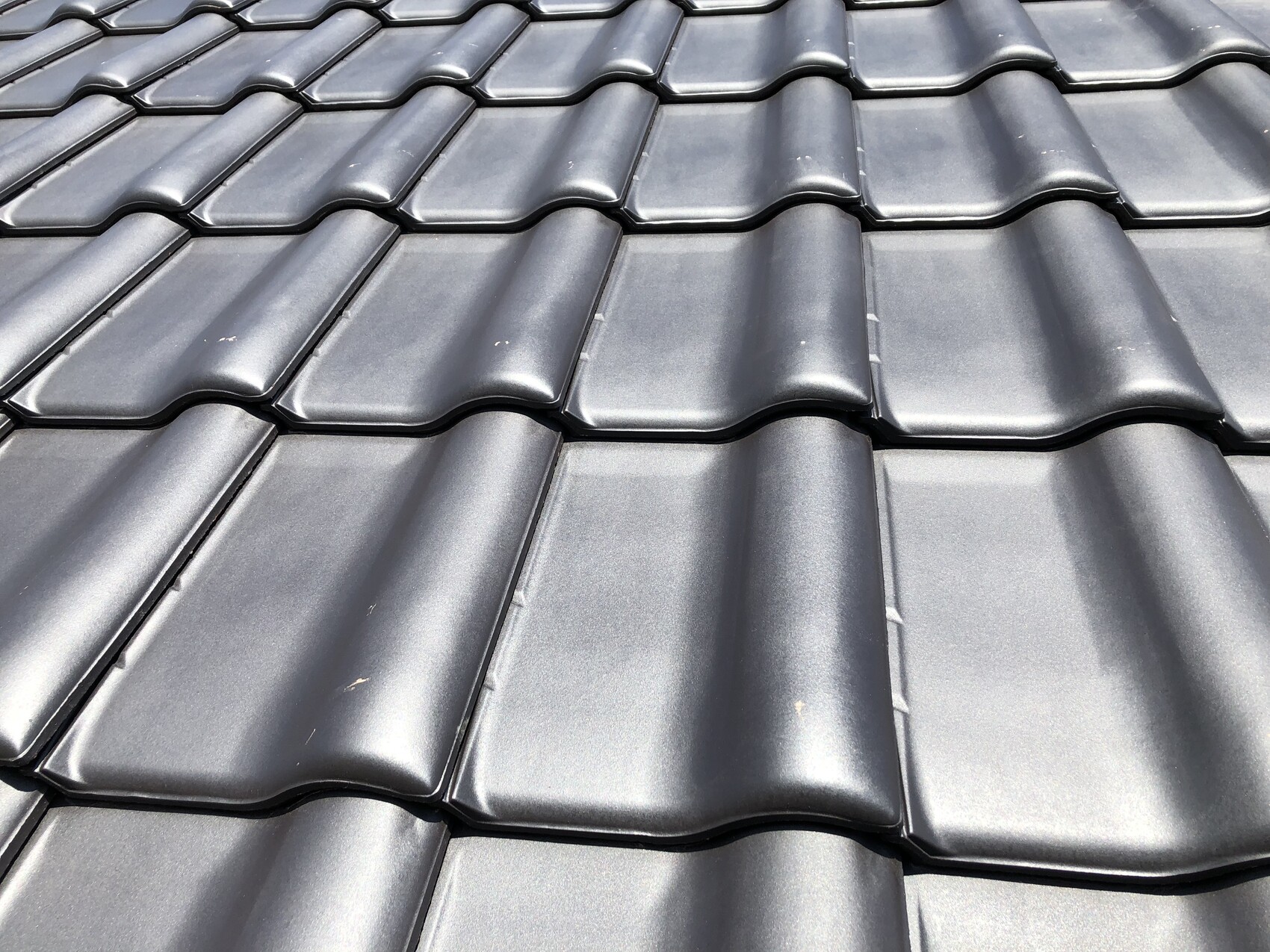
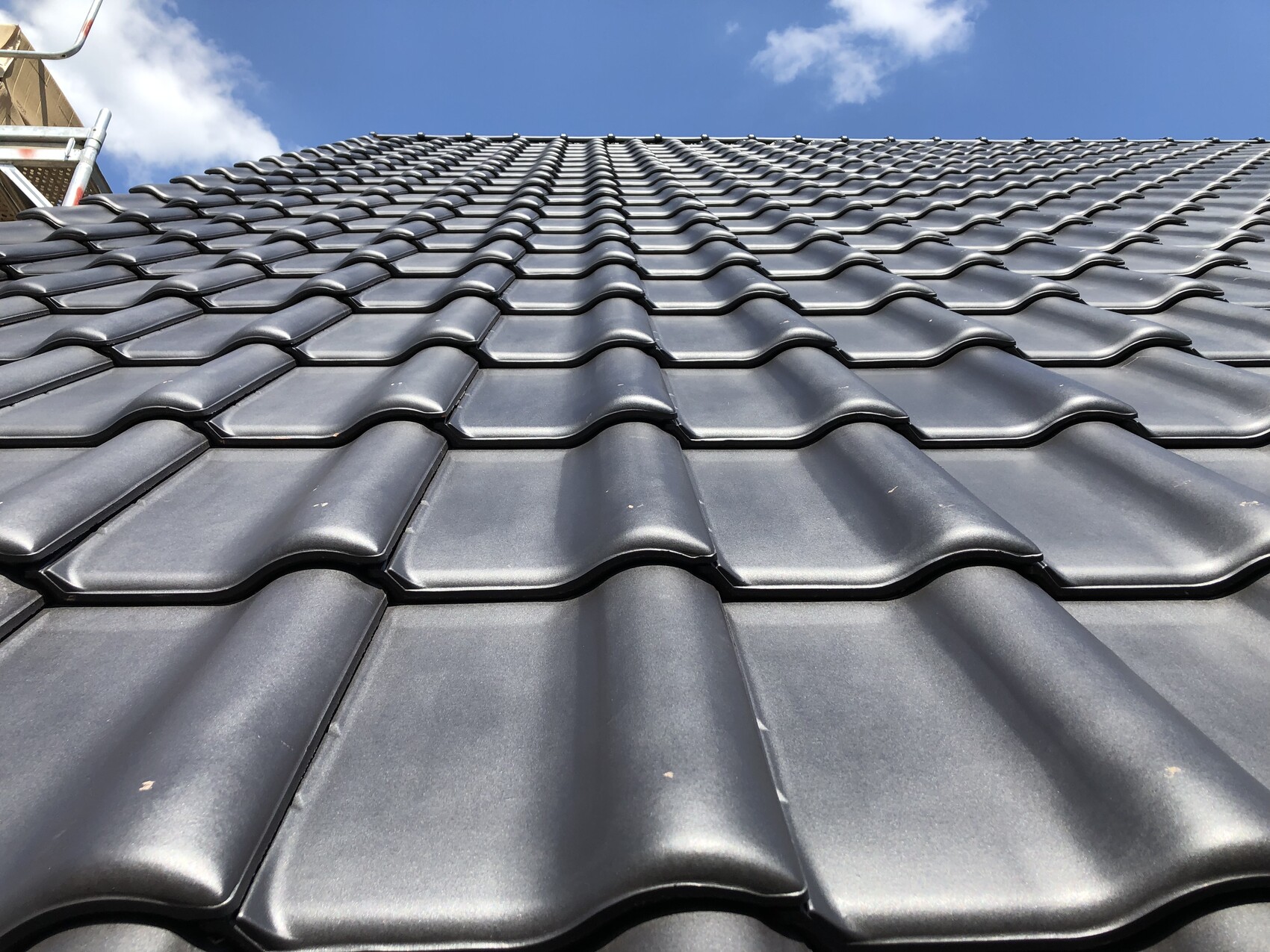
On a friend’s roof, about 90% of the tiles have a chip in the same spot. The tiles were moved several times from place A to place B, which probably caused this damage.
Is this something you just have to accept?
The photos show it quite clearly. On site, it actually looks worse. The chip is always on the lower right corner of the tile across the entire roof.
When you try to wipe it off, it gets a little less noticeable, but the chip is still visible. Even the heavy rain we had occasionally in the last few days didn’t help. You have to wipe quite hard to reduce it somewhat.
Regards
B
borderpuschl24 Jun 2019 08:43Hi,
this is not due to transport, but because the bricks were packaged too quickly and had not fully cured yet.
Due to very high demand at the moment (which has been ongoing for about 2 years), the bricks are no longer cured long enough (normally 6 weeks, currently only about 3-4 weeks). As a result, they are still too soft when packaged and get these chips at the contact points during packaging. It’s the same with my bricks.
this is not due to transport, but because the bricks were packaged too quickly and had not fully cured yet.
Due to very high demand at the moment (which has been ongoing for about 2 years), the bricks are no longer cured long enough (normally 6 weeks, currently only about 3-4 weeks). As a result, they are still too soft when packaged and get these chips at the contact points during packaging. It’s the same with my bricks.

A general rule of thumb is: Anything that cannot be seen from a distance of 10 meters (33 feet) is not considered a defect.
Furthermore, the engobe is not a protective coating for the bricks but merely a design element. Therefore, if it is slightly damaged (as shown in the pictures), it is not considered a defect.
However, everything depends on negotiation. During our build, we also encountered some defects with the roof tiles and were occasionally dissatisfied with the workmanship. With reasonable arguments, many issues were resolved satisfactorily.
Furthermore, the engobe is not a protective coating for the bricks but merely a design element. Therefore, if it is slightly damaged (as shown in the pictures), it is not considered a defect.
However, everything depends on negotiation. During our build, we also encountered some defects with the roof tiles and were occasionally dissatisfied with the workmanship. With reasonable arguments, many issues were resolved satisfactorily.
H
HilfeHilfe24 Jun 2019 10:02Make a complaint and see what happens. The roofer will probably pass the responsibility on to the supplier anyway. I only see compensation as a possibility, if at all.
K
kkk27272924 Jun 2019 13:40I had a similar problem. I stayed persistent for half a year and received five deliveries of verge stones until the issue was finally resolved. I also received compensation from the manufacturer (all without a lawyer or anything).
All the verge stones on my roof had chipping in the same spot. My roof tile was a black engobed beaver tail tile laid in double covering.
All the verge stones on my roof had chipping in the same spot. My roof tile was a black engobed beaver tail tile laid in double covering.
Similar topics