
ᐅ Properly Preparing a Drywall: Removing Paint, Priming, and Repainting
Created on: 28 Dec 2025 06:57
R
Reyman1Hello everyone,
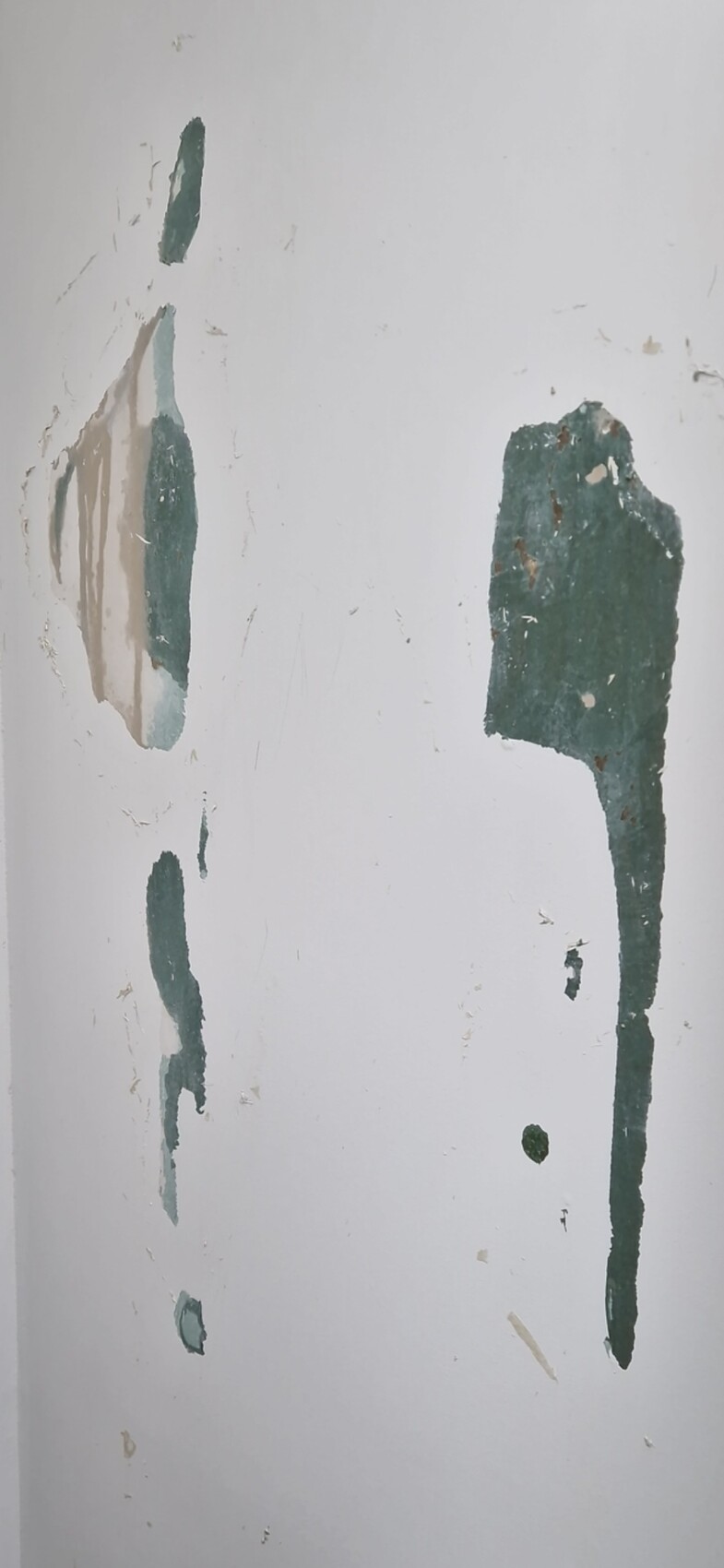
We moved into an apartment where the walls were painted without a primer.
We didn’t know this and wallpapered the bathroom. The wallpaper strips kept coming loose and wrinkling.
When we asked at the hardware store, it was confirmed that it was just regular paint. They recommended scraping off the paint from the drywall using water and a plastic putty knife. We started doing this, but it is very stubborn. We also didn’t want to make the wall too wet, so as not to damage the drywall underneath.
So our plan is to scrape off, apply primer, and then paint over.
P.S. We got one initial tip: scrape off any loose paint, apply a deep-penetrating primer, even over the paint, and then paint.
We moved into an apartment where the walls were painted without a primer.
We didn’t know this and wallpapered the bathroom. The wallpaper strips kept coming loose and wrinkling.
When we asked at the hardware store, it was confirmed that it was just regular paint. They recommended scraping off the paint from the drywall using water and a plastic putty knife. We started doing this, but it is very stubborn. We also didn’t want to make the wall too wet, so as not to damage the drywall underneath.
So our plan is to scrape off, apply primer, and then paint over.
P.S. We got one initial tip: scrape off any loose paint, apply a deep-penetrating primer, even over the paint, and then paint.
Hi,
This is a classic case of good intentions but poor execution. Applying paint directly onto drywall without a primer almost always backfires, especially in bathrooms. Water and filler can work, but they are just as troublesome as you described, and there is a real risk of the drywall paper softening if you wait too long. It’s often more effective to remove only the loose paint mechanically—that means anything that sounds hollow or shifts when pressed should be scraped off, but the rest can stay. After that, apply a deep-penetrating primer, preferably solvent-free but not the cheapest option, otherwise you won’t properly seal the wall. Only then should you paint or apply new wallpaper, or you’ll end up with waves again after about six months. Completely bare drywall is not a must, as hardware stores often claim, because it sounds like proper preparation. What really matters is that the surface absorbs moisture evenly and is solid!
This is a classic case of good intentions but poor execution. Applying paint directly onto drywall without a primer almost always backfires, especially in bathrooms. Water and filler can work, but they are just as troublesome as you described, and there is a real risk of the drywall paper softening if you wait too long. It’s often more effective to remove only the loose paint mechanically—that means anything that sounds hollow or shifts when pressed should be scraped off, but the rest can stay. After that, apply a deep-penetrating primer, preferably solvent-free but not the cheapest option, otherwise you won’t properly seal the wall. Only then should you paint or apply new wallpaper, or you’ll end up with waves again after about six months. Completely bare drywall is not a must, as hardware stores often claim, because it sounds like proper preparation. What really matters is that the surface absorbs moisture evenly and is solid!
Similar topics