
Hello!
We are renovating a house from 1913 and have significantly changed the layout on the ground floor.
I would really like to keep and restore the wooden floorboards, but there is a large hole right in the middle of the kitchen area (where there used to be a bathroom). Is it worth filling the hole with floorboards and refinishing the floor, or would it be better to remove everything and install a new floor? I’m wondering how noticeable it is when individual boards are replaced.
I would really appreciate your experiences!
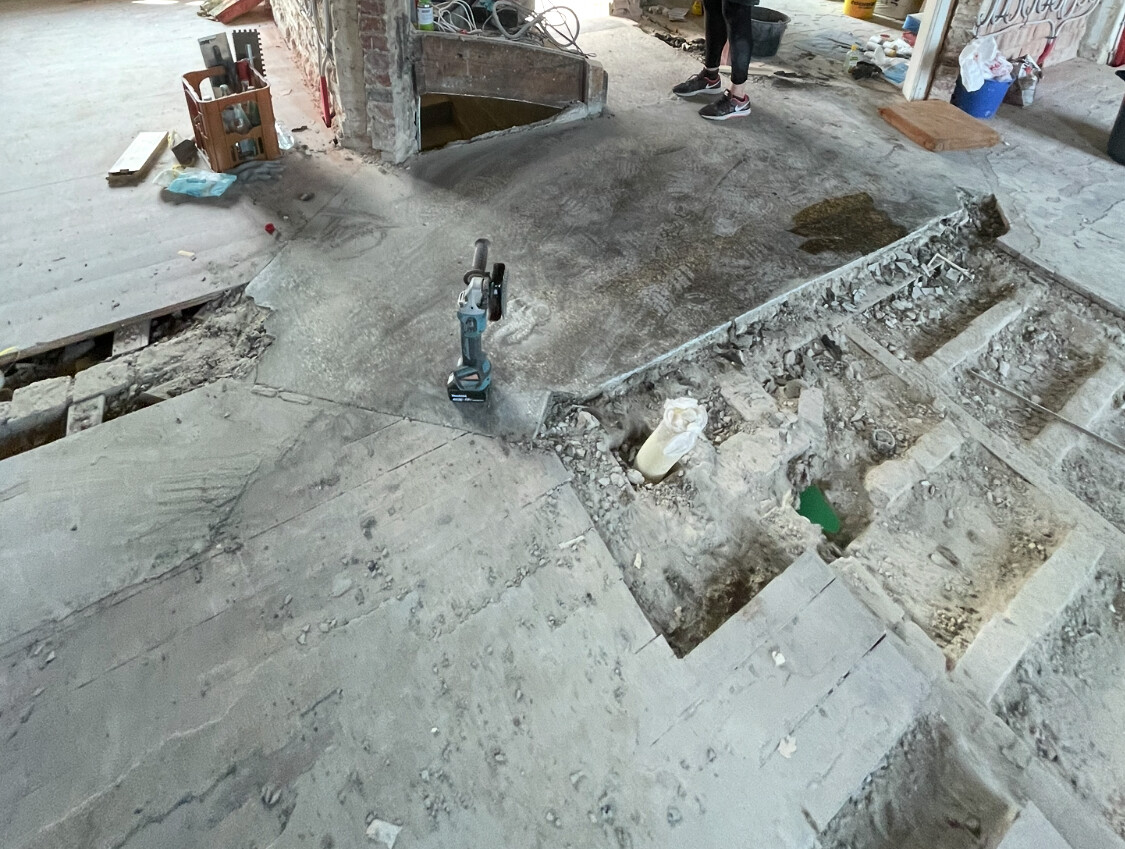
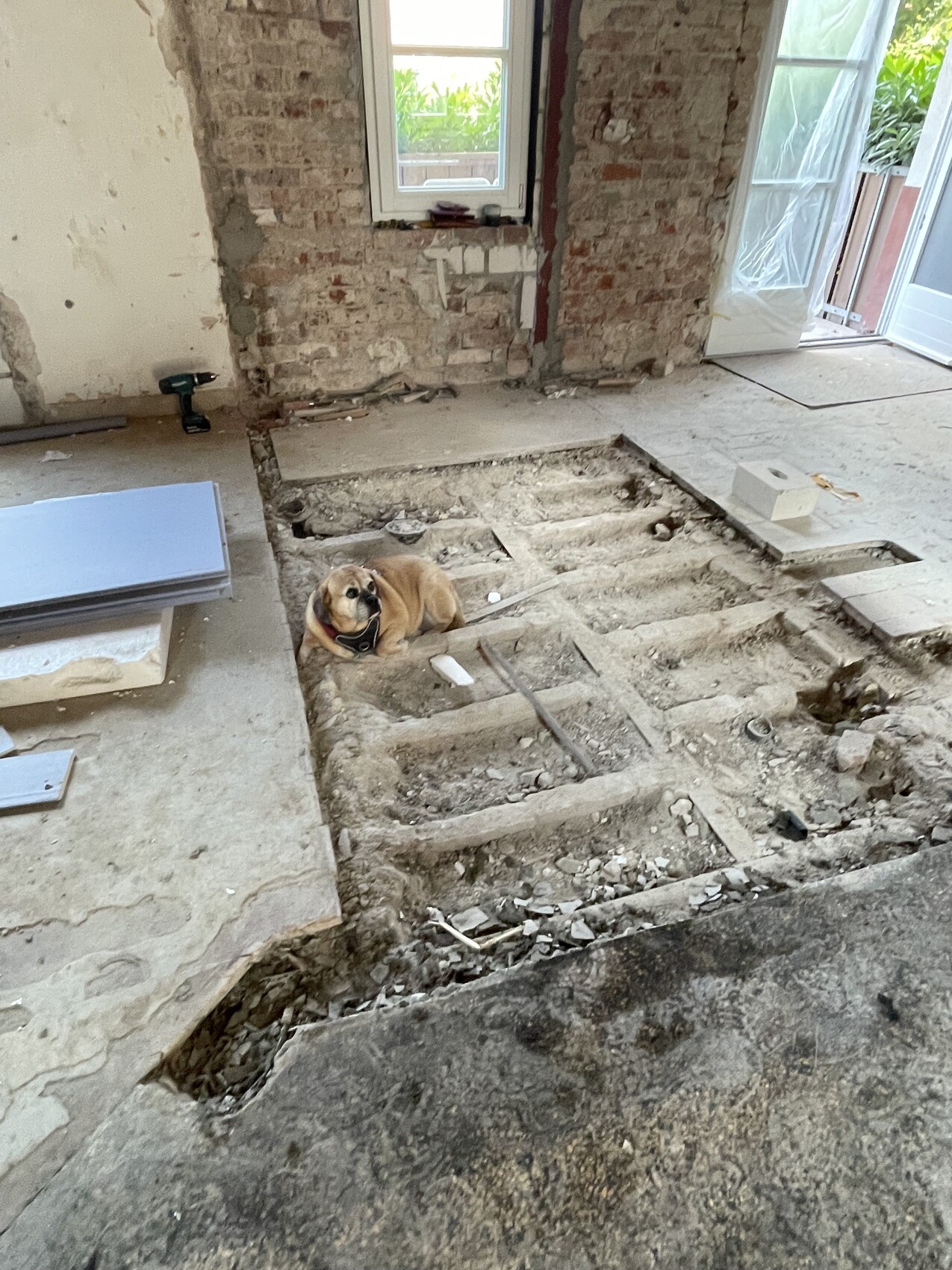
We are renovating a house from 1913 and have significantly changed the layout on the ground floor.
I would really like to keep and restore the wooden floorboards, but there is a large hole right in the middle of the kitchen area (where there used to be a bathroom). Is it worth filling the hole with floorboards and refinishing the floor, or would it be better to remove everything and install a new floor? I’m wondering how noticeable it is when individual boards are replaced.
I would really appreciate your experiences!
W
wiltshire12 Aug 2025 23:52If you want to tell the story of the house, you could cover or fill the areas without floorboards with a different material. I can imagine that a simple, modern, seamless floor in a carefully chosen contrasting color could create a very unique and impressive effect. It would be somewhat complex, as it would not fit the current substructure, but in my opinion, very appealing.
I have no idea about the subfloor and how to do it.
I would avoid using pieces of "foreign floorboards." Please share the floor plan with markings to show where the terrazzo ends and the floorboards begin. Also, how the furniture is planned. If, as it seems, the kitchen is arranged with an island, it might be possible to frame it in a way that enhances the visual appeal.
I would avoid using pieces of "foreign floorboards." Please share the floor plan with markings to show where the terrazzo ends and the floorboards begin. Also, how the furniture is planned. If, as it seems, the kitchen is arranged with an island, it might be possible to frame it in a way that enhances the visual appeal.

I would actually also recommend (as other forum members have mentioned) completely removing the old floorboards. This allows you to inspect the exposed load-bearing beams for any damage or loss of load-bearing capacity. Remove the old infill between the beams and refill the gaps with a modern inorganic material.
I do not see the need to consider impact sound insulation, as this room is likely on the ground floor. Furthermore, achieving high soundproofing standards in timber-framed houses is difficult, if not impossible.
You won’t be doing yourselves any favors by installing a patchwork solution, which was possibly chosen to minimize construction costs. The motto here is probably “grit your teeth, close your eyes, and get through it.”
Additionally, once the demolition is complete, you can check and, if necessary, correct the flatness of the load-bearing beams with relatively little effort.
Last but not least, please keep in mind that old nails in aged wood no longer provide the original friction values. This means that, for example, drying processes can cause the old nails to allow movement of the old floorboards, resulting in squeaking or creaking noises whenever the boards move.
Trying to fix this later would be almost equivalent to a complete renovation of the floor structure.
Conclusion: It’s better to remove everything and rebuild it from scratch, so you are definitely on the safe side for future comfort and livability!
Best regards to all: KlaRa
I do not see the need to consider impact sound insulation, as this room is likely on the ground floor. Furthermore, achieving high soundproofing standards in timber-framed houses is difficult, if not impossible.
You won’t be doing yourselves any favors by installing a patchwork solution, which was possibly chosen to minimize construction costs. The motto here is probably “grit your teeth, close your eyes, and get through it.”
Additionally, once the demolition is complete, you can check and, if necessary, correct the flatness of the load-bearing beams with relatively little effort.
Last but not least, please keep in mind that old nails in aged wood no longer provide the original friction values. This means that, for example, drying processes can cause the old nails to allow movement of the old floorboards, resulting in squeaking or creaking noises whenever the boards move.
Trying to fix this later would be almost equivalent to a complete renovation of the floor structure.
Conclusion: It’s better to remove everything and rebuild it from scratch, so you are definitely on the safe side for future comfort and livability!
Best regards to all: KlaRa
Similar topics