
Hello!
We are renovating a house from 1913 and have significantly changed the layout on the ground floor.
I would really like to keep and restore the wooden floorboards, but there is a large hole right in the middle of the kitchen area (where there used to be a bathroom). Is it worth filling the hole with floorboards and refinishing the floor, or would it be better to remove everything and install a new floor? I’m wondering how noticeable it is when individual boards are replaced.
I would really appreciate your experiences!
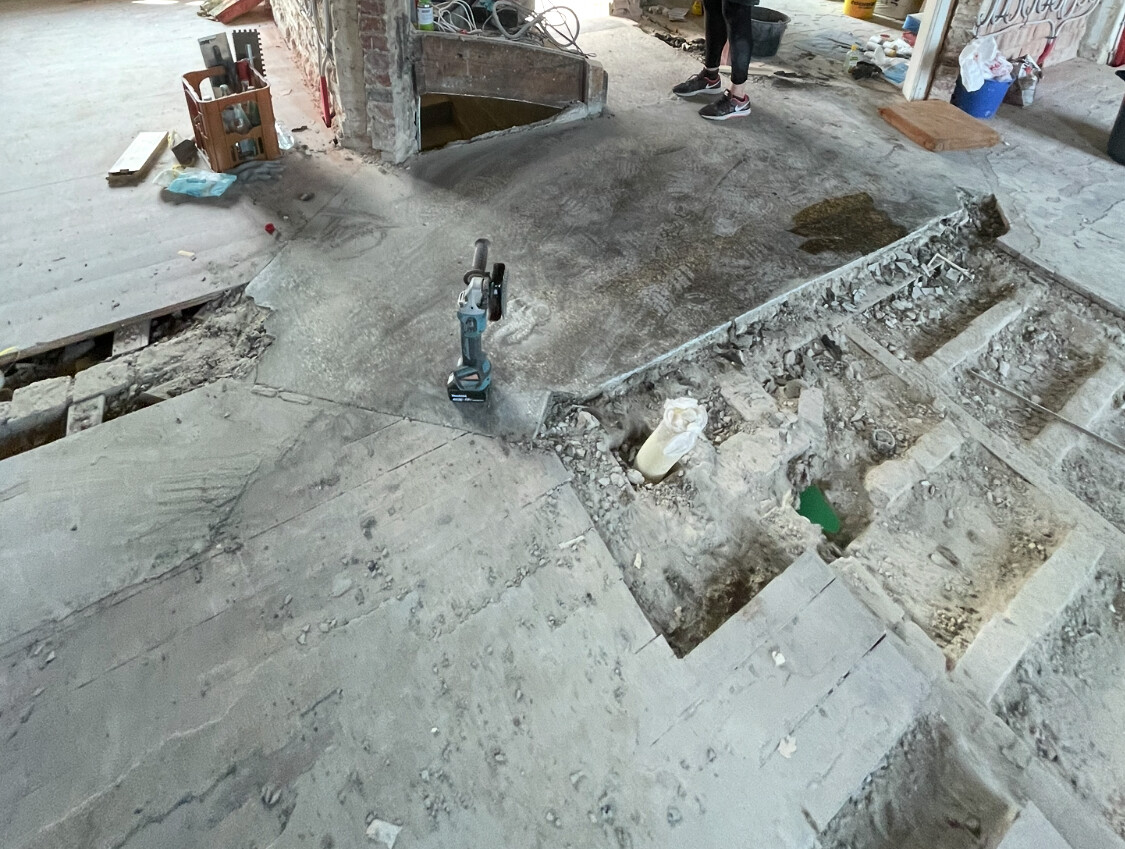
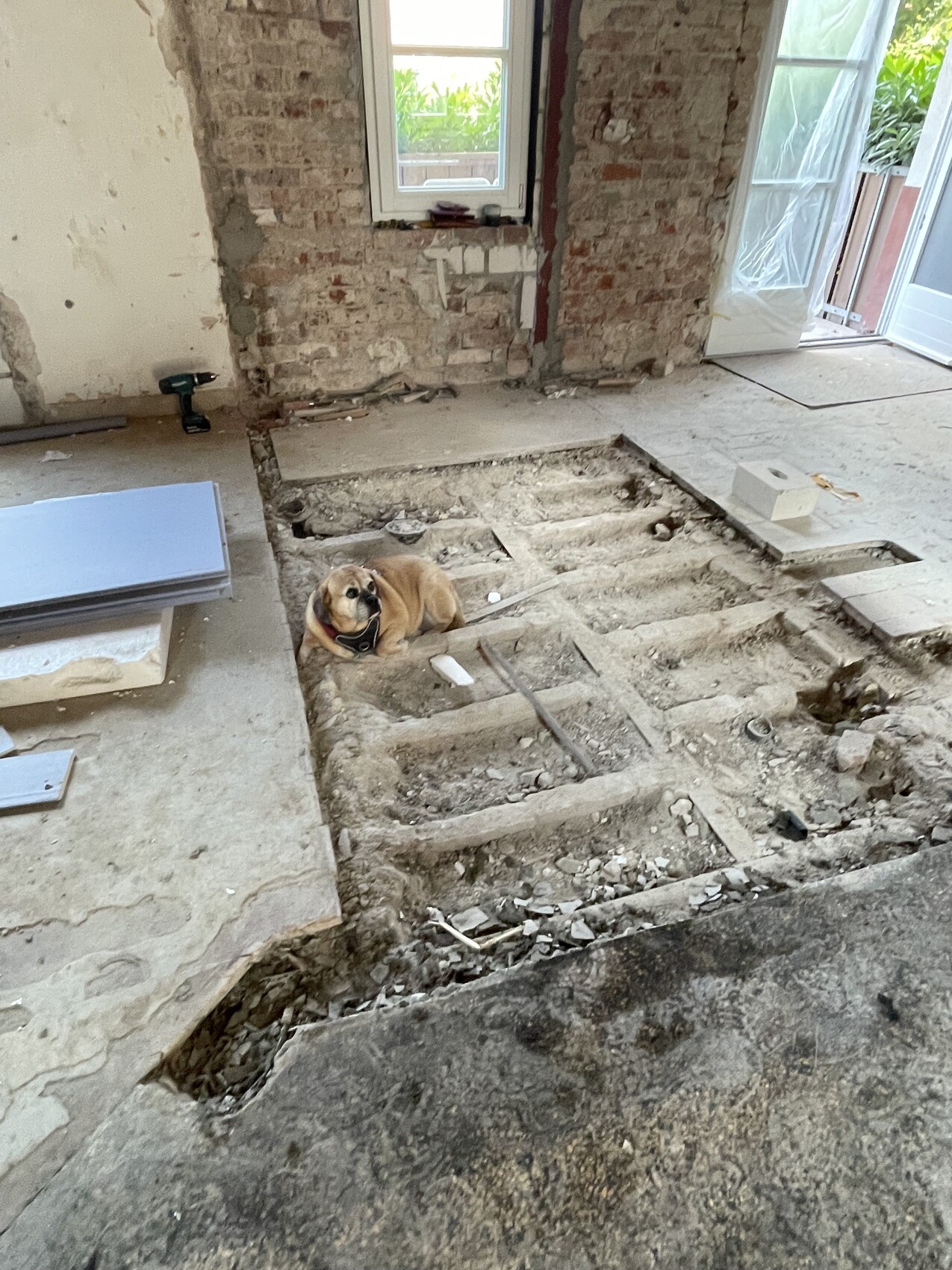
We are renovating a house from 1913 and have significantly changed the layout on the ground floor.
I would really like to keep and restore the wooden floorboards, but there is a large hole right in the middle of the kitchen area (where there used to be a bathroom). Is it worth filling the hole with floorboards and refinishing the floor, or would it be better to remove everything and install a new floor? I’m wondering how noticeable it is when individual boards are replaced.
I would really appreciate your experiences!
Without knowing more details, I could imagine intentionally designing a specific area of the floor differently so that it ultimately looks the way you want. Of course, this depends on the intended use, but changing the material (for example, natural stone or similar) can work quite well.
However, I would first consider whether simply "refinishing" is the right choice, because initially you need to see to what extent the wood can be reasonably restored. Often, in older houses, simple planks were nailed down, which already raises the question of whether that makes sense.
Additionally, consider whether you want or need to insulate underneath, or if there is some kind of material under the existing floorboards that, based on current knowledge, you would prefer not to have there anymore.
However, I would first consider whether simply "refinishing" is the right choice, because initially you need to see to what extent the wood can be reasonably restored. Often, in older houses, simple planks were nailed down, which already raises the question of whether that makes sense.
Additionally, consider whether you want or need to insulate underneath, or if there is some kind of material under the existing floorboards that, based on current knowledge, you would prefer not to have there anymore.
Hi Pia,
If the structural framework and support are correct, you can close the opening. It is essential that the wood type, thickness, width, and profile match exactly. Install only on the beams, offset the joints, and avoid cross joints. Check the former wet area for residual moisture, warping, and load-bearing capacity; carefully complete the subfloor and fill. Then sand the entire room and oil or lacquer the surface uniformly. Color variations will remain, but a calm, even surface looks better than a patchwork of newly mixed colors. If more than about one third is replaced or the flatness cannot be achieved, a complete rebuild is more sensible. In the kitchen, seal edges, carefully waterproof plinth areas, and protect splash zones. The kitchen can tolerate patina, but not soft or springy footsteps.
By the way, cute dog – make sure it doesn’t keep chewing on the hole.
Good luck!
If the structural framework and support are correct, you can close the opening. It is essential that the wood type, thickness, width, and profile match exactly. Install only on the beams, offset the joints, and avoid cross joints. Check the former wet area for residual moisture, warping, and load-bearing capacity; carefully complete the subfloor and fill. Then sand the entire room and oil or lacquer the surface uniformly. Color variations will remain, but a calm, even surface looks better than a patchwork of newly mixed colors. If more than about one third is replaced or the flatness cannot be achieved, a complete rebuild is more sensible. In the kitchen, seal edges, carefully waterproof plinth areas, and protect splash zones. The kitchen can tolerate patina, but not soft or springy footsteps.
By the way, cute dog – make sure it doesn’t keep chewing on the hole.
Good luck!
Pia1234 schrieb:
What kind of material wouldn’t you want to keep?These are just some thoughts, and we don’t know the situation. I have opened up floors before and then decided that I wouldn’t want to have that material permanently under my living room floor. This ranges from nests, small animals, or remains of unidentified material. It also depends on which rooms are below, whether you need (sound) insulation, if there is a risk of moisture underneath, etc.
As I said... just some ideas.
Similar topics