
ᐅ Repairing interior window reveals: calcium silicate boards or polystyrene panels?
Created on: 2 Nov 2019 17:21
S
sseweHello everyone,
I would like to get some expert opinions regarding the repair of interior window reveals. But first, a bit of background:
Two years ago, we moved into a mid-terrace house built in 1969 (and have since renovated almost everything). The windows date back to the late 1980s and are generally fine. Apart from the roof (which we completely insulated and re-roofed), we have not undertaken any additional insulation measures. The roller shutter boxes are accessible from the inside, and on the underside of each shutter box there is a simple plywood panel (inserted in a rail, see photos). These panels are neither insulated nor particularly airtight.
I have already replaced some of these plywood panels with insulated plastic covers. I removed the rails of the old panels, plastered over everything, and screwed the new covers in from below.
However, with some windows, there is a gap between the interior reveal and the window frame, varying in size depending on the room. In the worst cases, you can even see the expanding foam used during window installation. (During the previous viewing, wallpaper was nicely covering these areas…) This causes quite a draft, which might help prevent mold, but regarding drafts and heating costs, I’d like to reduce this inadvertent ventilation. Before replacing the shutter covers on these windows, I need to properly repair the reveals.
After some online research, my idea is to fill the existing holes, then install calcium silicate boards (reveal boards) on each side of the window reveal, and finally plaster/paint over them. At the building materials store, someone advised me to use polystyrene boards instead. However, I believe that calcium silicate boards are better suited in terms of moisture regulation and mold prevention. They are also available in fairly thin varieties, which is important since I don’t want to have to remove a lot of plaster everywhere...
What do the experts think? I want to make the area more airtight without causing any future damage.
Thanks in advance for your advice!
Best regards,
Stephan
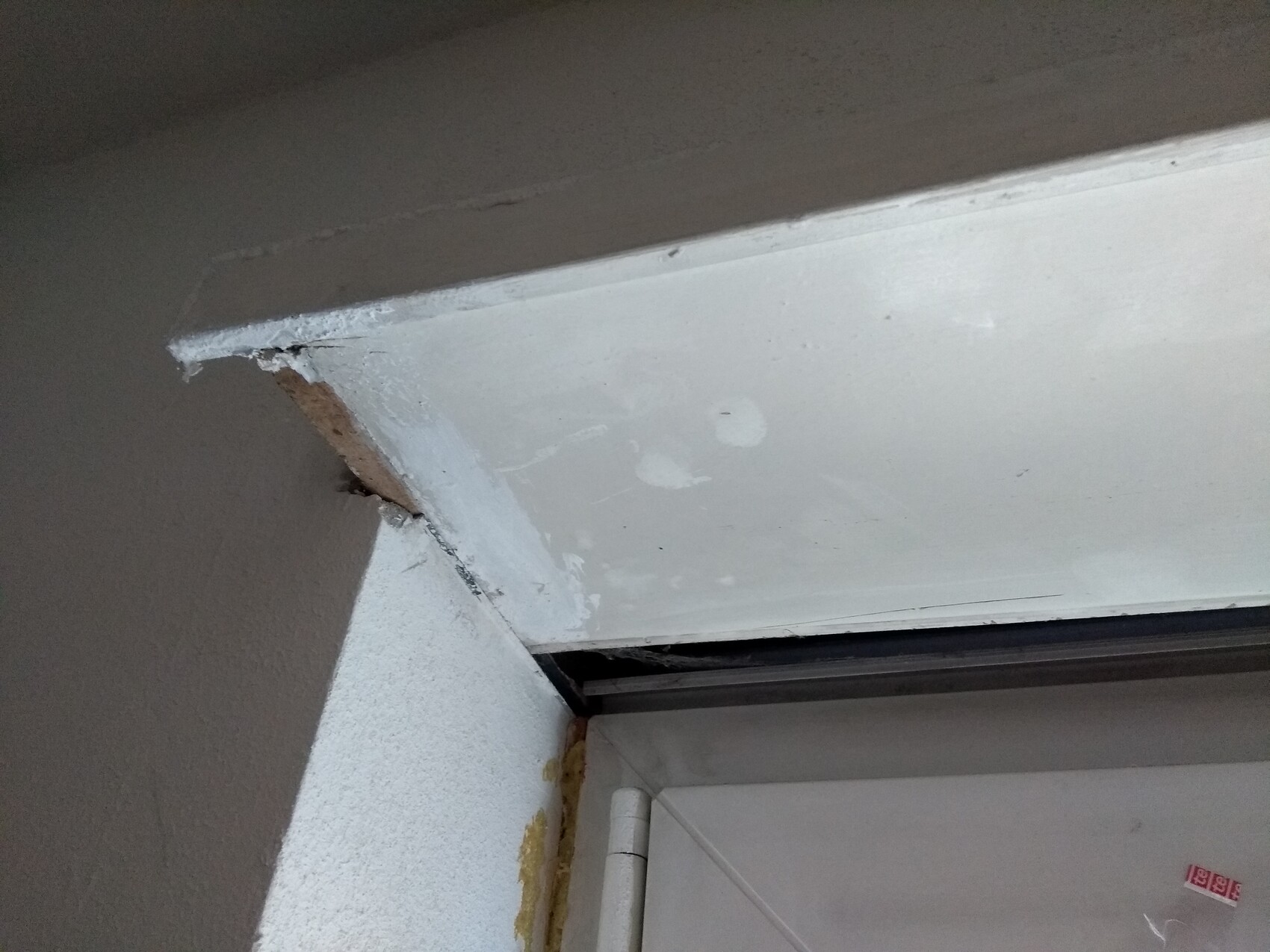
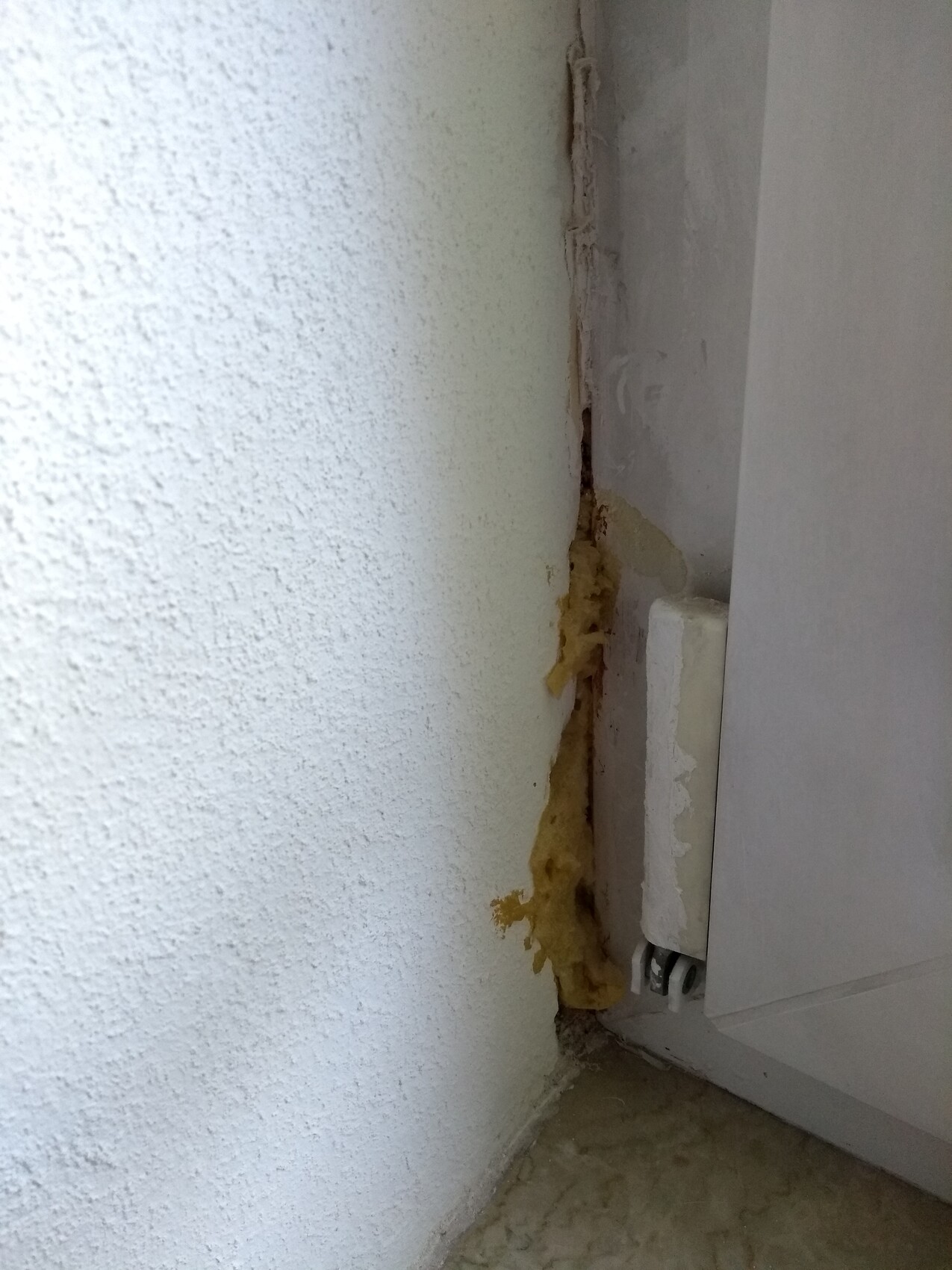
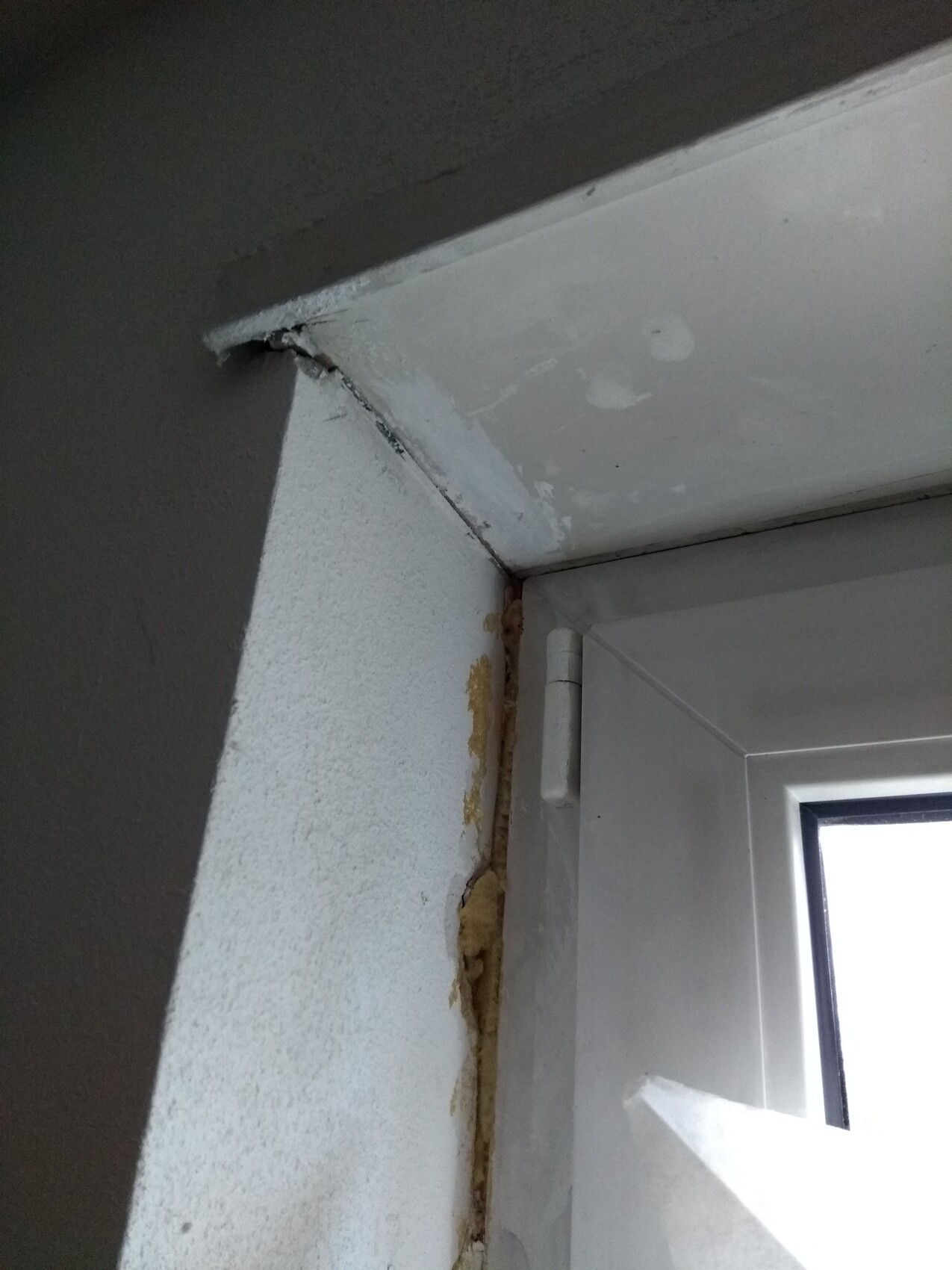
I would like to get some expert opinions regarding the repair of interior window reveals. But first, a bit of background:
Two years ago, we moved into a mid-terrace house built in 1969 (and have since renovated almost everything). The windows date back to the late 1980s and are generally fine. Apart from the roof (which we completely insulated and re-roofed), we have not undertaken any additional insulation measures. The roller shutter boxes are accessible from the inside, and on the underside of each shutter box there is a simple plywood panel (inserted in a rail, see photos). These panels are neither insulated nor particularly airtight.
I have already replaced some of these plywood panels with insulated plastic covers. I removed the rails of the old panels, plastered over everything, and screwed the new covers in from below.
However, with some windows, there is a gap between the interior reveal and the window frame, varying in size depending on the room. In the worst cases, you can even see the expanding foam used during window installation. (During the previous viewing, wallpaper was nicely covering these areas…) This causes quite a draft, which might help prevent mold, but regarding drafts and heating costs, I’d like to reduce this inadvertent ventilation. Before replacing the shutter covers on these windows, I need to properly repair the reveals.
After some online research, my idea is to fill the existing holes, then install calcium silicate boards (reveal boards) on each side of the window reveal, and finally plaster/paint over them. At the building materials store, someone advised me to use polystyrene boards instead. However, I believe that calcium silicate boards are better suited in terms of moisture regulation and mold prevention. They are also available in fairly thin varieties, which is important since I don’t want to have to remove a lot of plaster everywhere...
What do the experts think? I want to make the area more airtight without causing any future damage.
Thanks in advance for your advice!
Best regards,
Stephan