
 DieScholz´ens20 Nov 2017 10:23
Hello everyone,
The concrete flower box on the loggia had to be removed due to renovation work. It was connected to the masonry, and now I’m missing about 3–4 bricks on both the left and right sides.
Because of this, I’m pretty sure I won’t find a mason willing to take on this job (just my guess).
Now I’m thinking that setting these bricks can’t be that difficult (right?). I’ve never dealt with something like this before, but I feel confident enough to try installing the bricks myself. They are sand-lime bricks (see photo), so I would just go to the nearest hardware store and buy matching bricks and mortar.
1. Question: Is there anything special I need to consider regarding the mortar for sand-lime bricks?
2. Question: I read online that after finishing, you should remove some mortar from the joints before final plastering (that sounds logical, but I’m not sure). Is that the usual procedure?
3. Or would it be better to just leave it alone altogether?
Thanks a lot and best regards,
Claudia
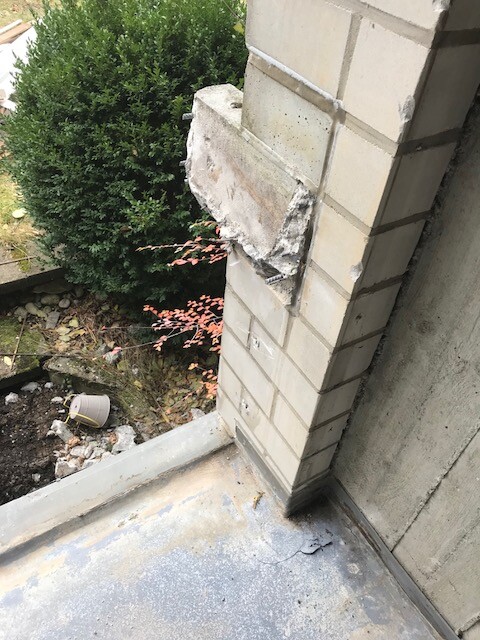
The concrete flower box on the loggia had to be removed due to renovation work. It was connected to the masonry, and now I’m missing about 3–4 bricks on both the left and right sides.
Because of this, I’m pretty sure I won’t find a mason willing to take on this job (just my guess).
Now I’m thinking that setting these bricks can’t be that difficult (right?). I’ve never dealt with something like this before, but I feel confident enough to try installing the bricks myself. They are sand-lime bricks (see photo), so I would just go to the nearest hardware store and buy matching bricks and mortar.
1. Question: Is there anything special I need to consider regarding the mortar for sand-lime bricks?
2. Question: I read online that after finishing, you should remove some mortar from the joints before final plastering (that sounds logical, but I’m not sure). Is that the usual procedure?
3. Or would it be better to just leave it alone altogether?
Thanks a lot and best regards,
Claudia
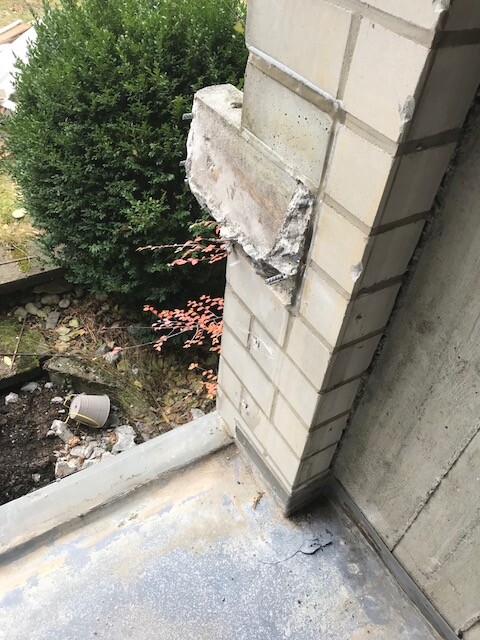
DieScholz´ens20 Nov 2017 10:41Attached is a close-up view. I have the same on the other side, and the concrete debris has been completely removed from the wall.

DieScholz´ens schrieb:
Second question: I read online that after completion you should remove some mortar from the joint before doing the final pointing (sounds logical, but what do I know). Is that how it’s done? Pointing? – I think you mean “jointing.” For walls that will be plastered, you don’t smooth or finish the joints beforehand. For exposed masonry—as in your case—the wall is built structurally first, and while the joint mortar is still soft, the joints are evenly raked out and then refilled with mortar, smoothing it flush. Search for “joint finishing technique” or “mortar joint finishing,” and you will find examples showing it done with a hose nozzle.
DieScholz´ens schrieb:
First question: Do I need to pay attention to anything specific with mortar for calcium silicate bricks? There are mortars optimized for different types of bricks. This relates to the fact that mortar contains water and different bricks absorb moisture to varying degrees. However, I wouldn’t worry too much about being perfectly optimal for three bricks; any small adjustments falling short of the ideal are manageable. You’re not taking a master craftsman exam here anyway.
You should have some local construction sites nearby where you might be able to ask a professional if they’d spend a little extra time giving you some advice for a small fee.
https://www.instagram.com/11antgmxde/
https://www.linkedin.com/company/bauen-jetzt/
DieScholz´ens27 Feb 2018 15:40Here is a brief update for those who are interested.
Doing it yourself with a bit of guidance (not pretty but rare)
The windows have already been delivered and installed. So, the old dark balcony/loggia thing is a thing of the past.
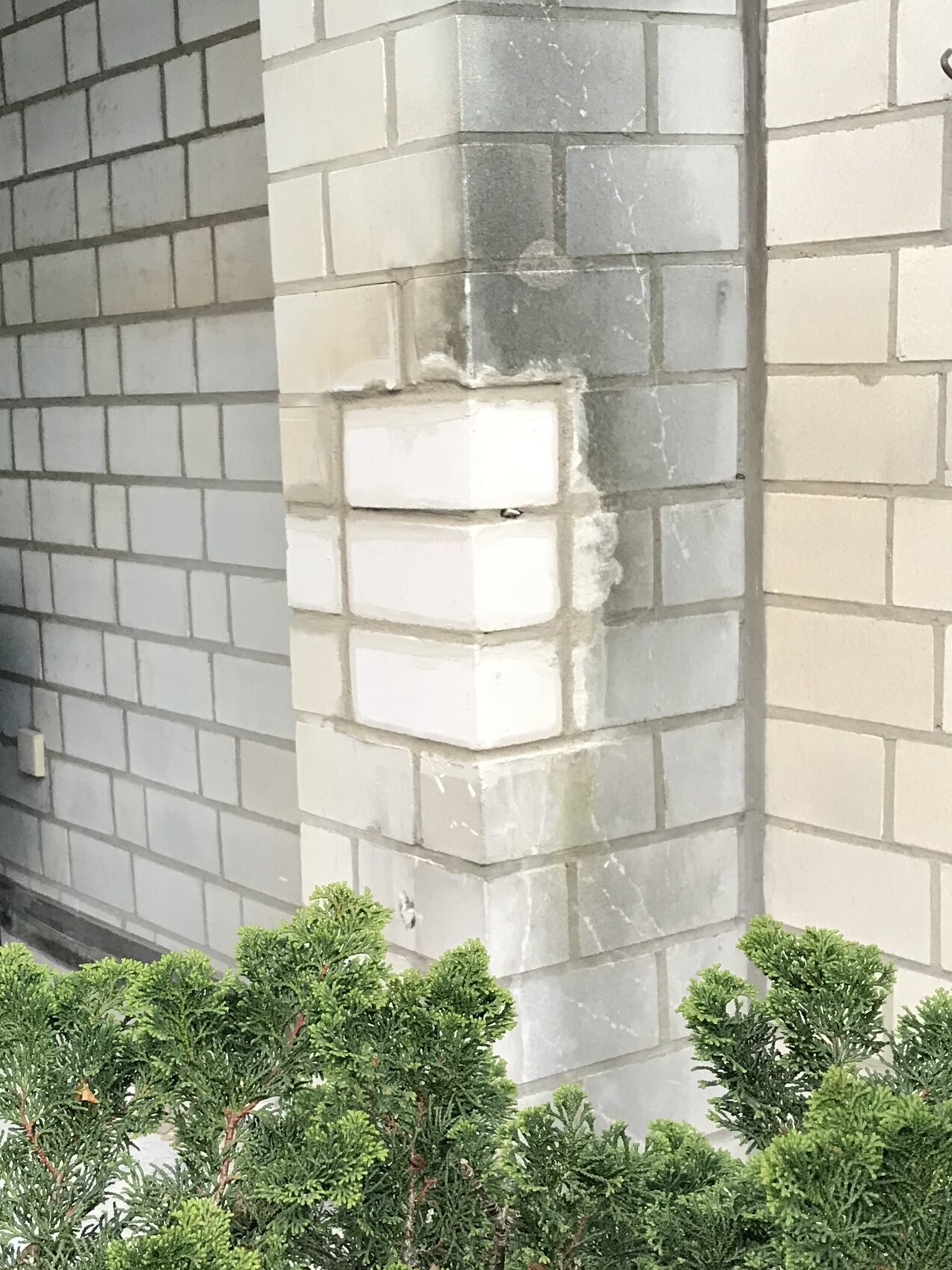
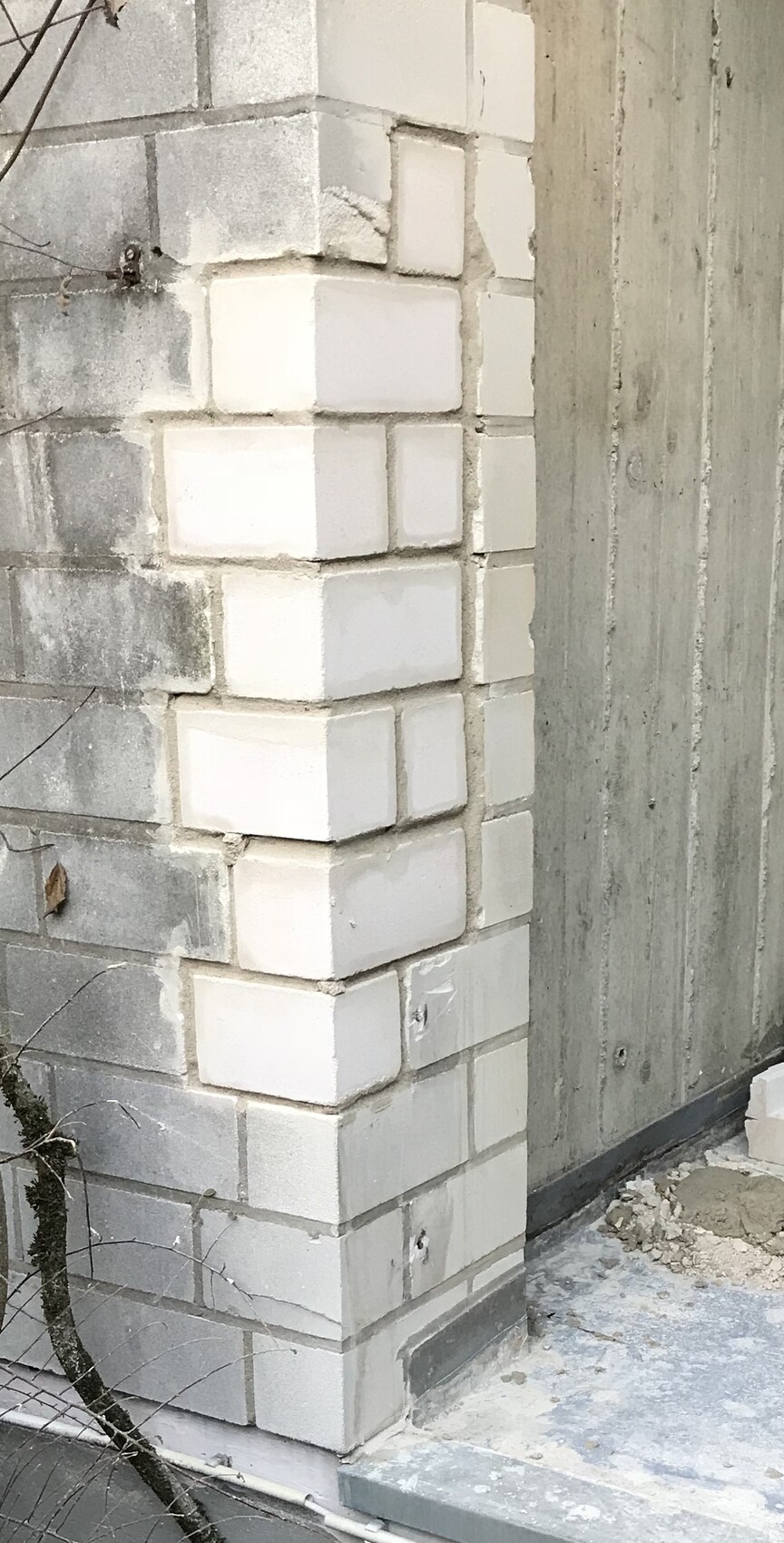
Doing it yourself with a bit of guidance (not pretty but rare)
The windows have already been delivered and installed. So, the old dark balcony/loggia thing is a thing of the past.
DieScholz´ens27 Feb 2018 15:49Before / After (I really like it)
Thanks again for the tips regarding different types of bricks and suitable mortar, etc.
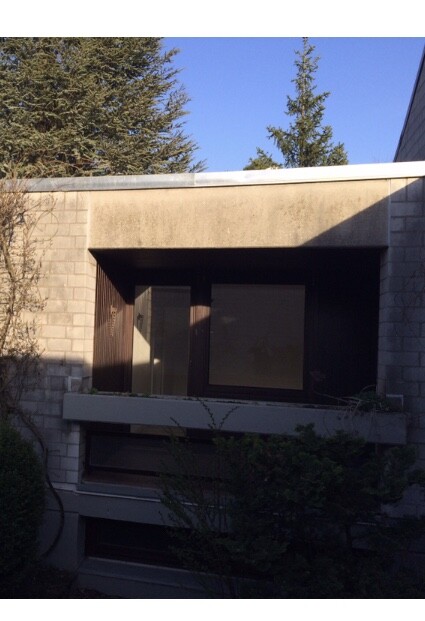
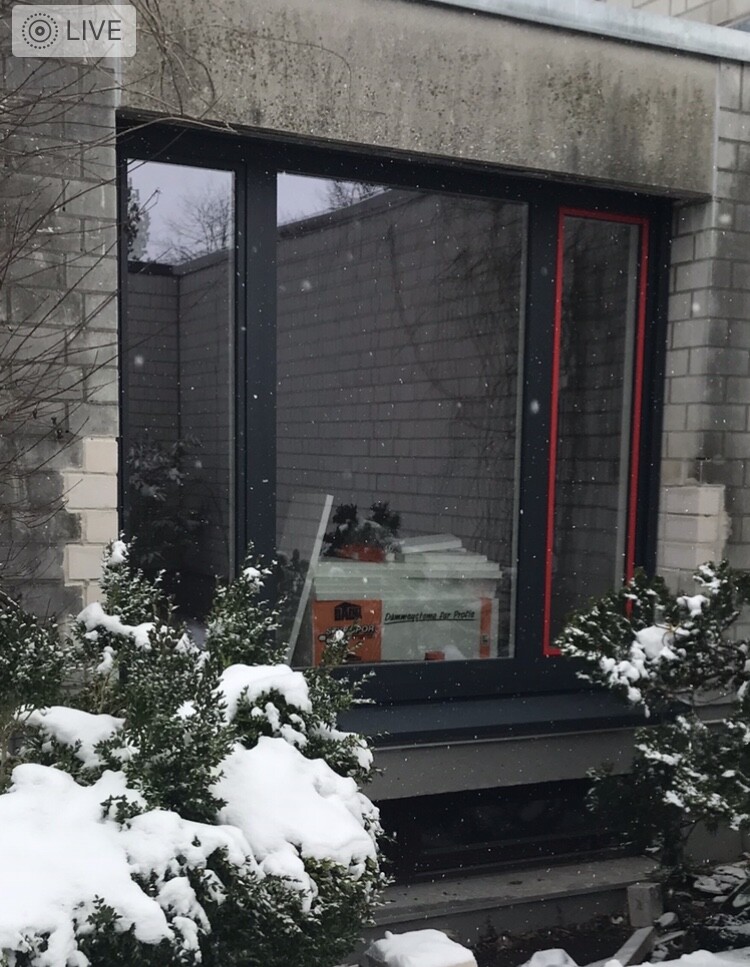
Thanks again for the tips regarding different types of bricks and suitable mortar, etc.
W
winnetou7827 Feb 2018 19:36It would have been nicer to repair it right away using the correct pattern, but for the beginning, it works [emoji106]
Similar topics