
ᐅ Renovating the Electrical System in a 1961 Townhouse: How to Plan the Wiring?
Created on: 19 Feb 2023 13:12
T
tkrhiman
Hello,
we have purchased a terraced house built in 1961. We had assumed that we would need to replace the electrical distribution board to retrofit residual current devices (RCDs). However, the electrical system was reportedly renewed in 2009. Upon closer inspection, it turns out this does not apply to everything. Some wiring from the original construction is still present, and the upper floor and attic are connected to only one circuit breaker.
Since we need to work on this anyway, we are considering renewing the entire electrical system to bring it up to a proper standard. We have kept the kitchen and bathroom as they were and do not want to open walls there. We expect that our entire planned renovation budget will now probably be consumed by the electrical work.
Currently, I am thinking about the best way to route the cables (floor plans attached). I have had two electricians on site so far. When I asked both about wall thicknesses, groove depths, and chasing around the chimneys, both said it would not be a problem as no house has ever collapsed because of that. They were also not willing to use conduit. I already have a quote from the first electrician, which I consider too expensive for a basic setup.
The second electrician appealed to me much more overall (except for the chasing issue), and he would also agree if I did the chasing and wiring myself, and he then handles the distribution board, equipotential bonding, and final inspection. That would suit my budget better and also give me the flexibility to add more sockets without constantly worrying about costs. Moreover, I believe I would take more time to do a careful and correct job than a company that wants to finish quickly to move on to the next site.
I want a modern electrical system with many sockets, circuits, and network outlets. My main question is how the electrical wiring can best be installed. Most interior partition walls are only 11.5 cm (4.5 inches) thick and probably must not be chased horizontally, and the 24 cm (9.5 inches) thick exterior walls may only be chased up to 25 mm (1 inch), leaving barely enough space for a 25 mm (1 inch) conduit. The two chimneys are still in use (a gas condensing boiler and a wood-burning stove), and I wonder how to run cables past them.
The bay window in the living room includes a radiator niche, windows, and roller shutter boxes, so I do not see a good way to route cables and conduits there.
I had considered running the wiring below the ceiling and installing a boxing with indirect lighting around the perimeter, but I think that would be a lot of work if done throughout the house.
We are actually under some time pressure; on the other hand, I do not want to cut corners on the electrical system now and hope not to have to touch it again for the next 30 to 40 years.
How would you proceed here?
Of course, I could invite three more electricians, but at the moment, I don’t feel they would pay much attention to the requirements, and that would also take a lot of time.
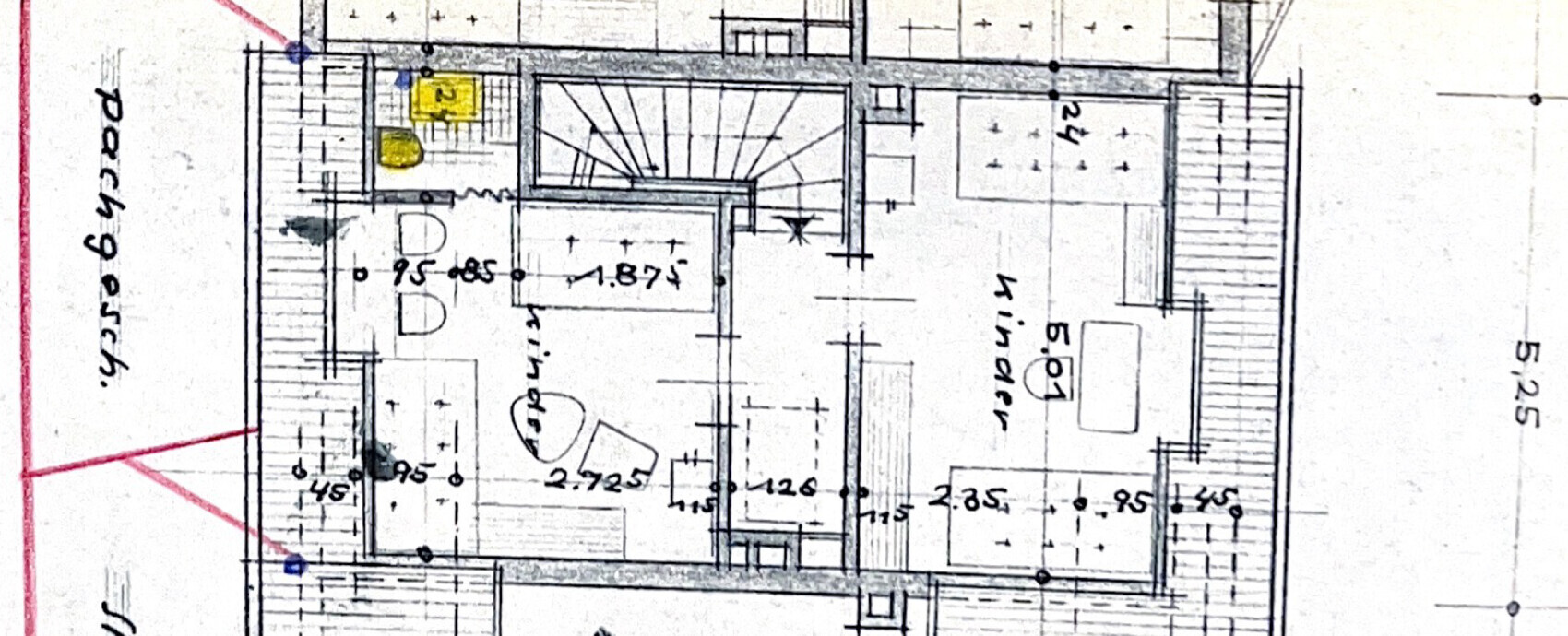

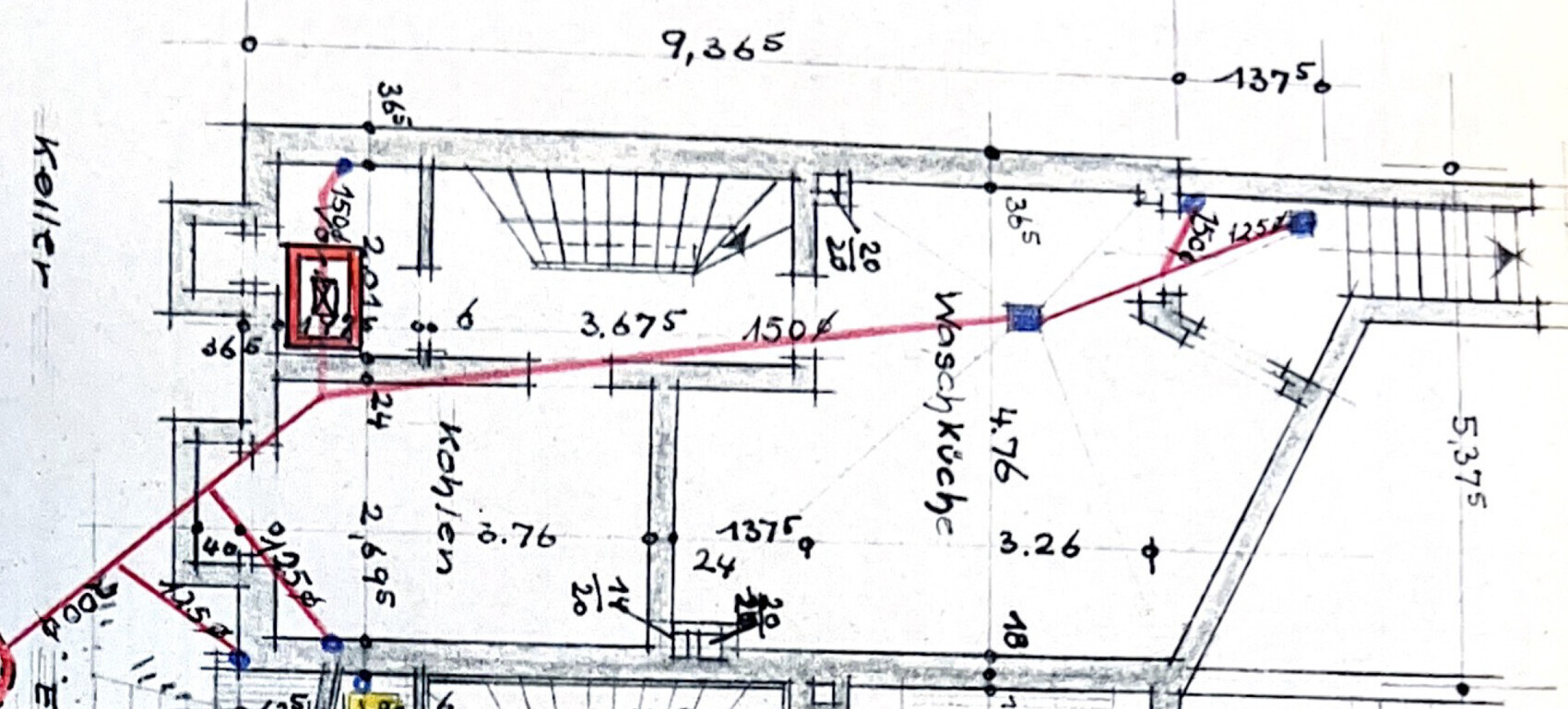
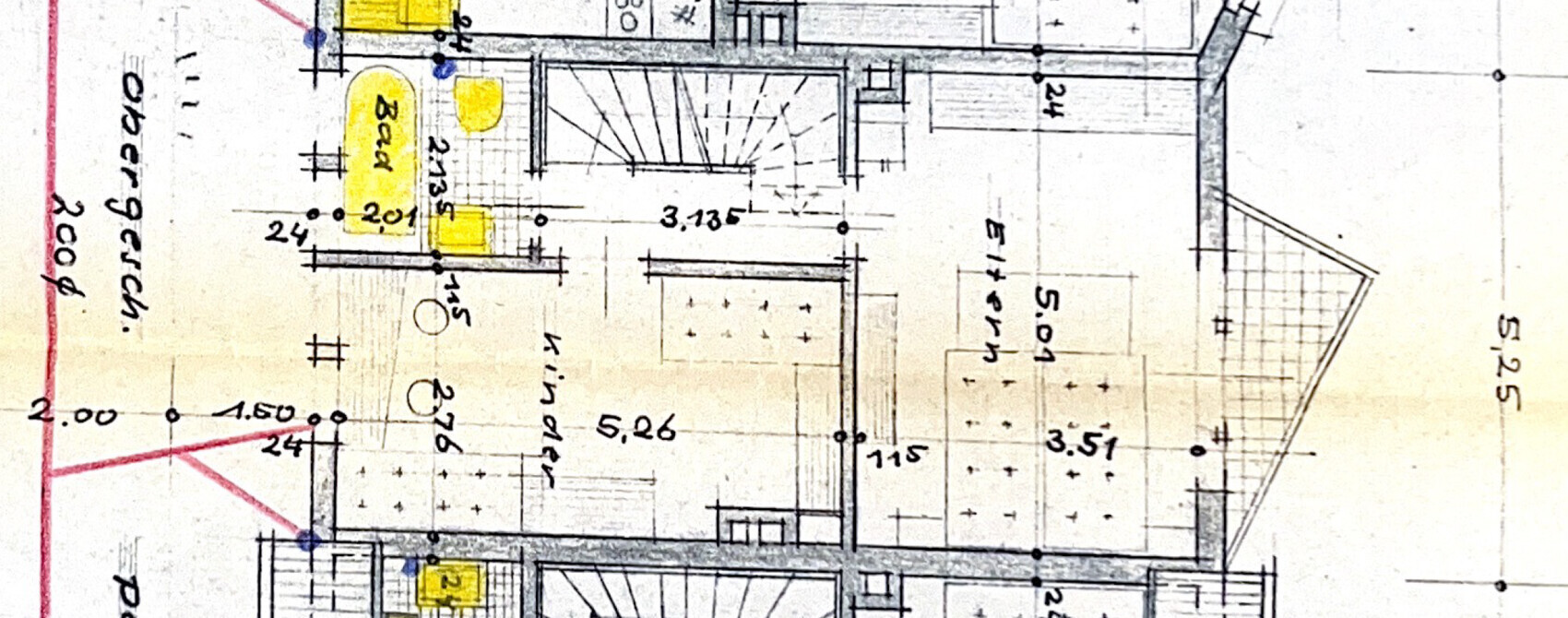
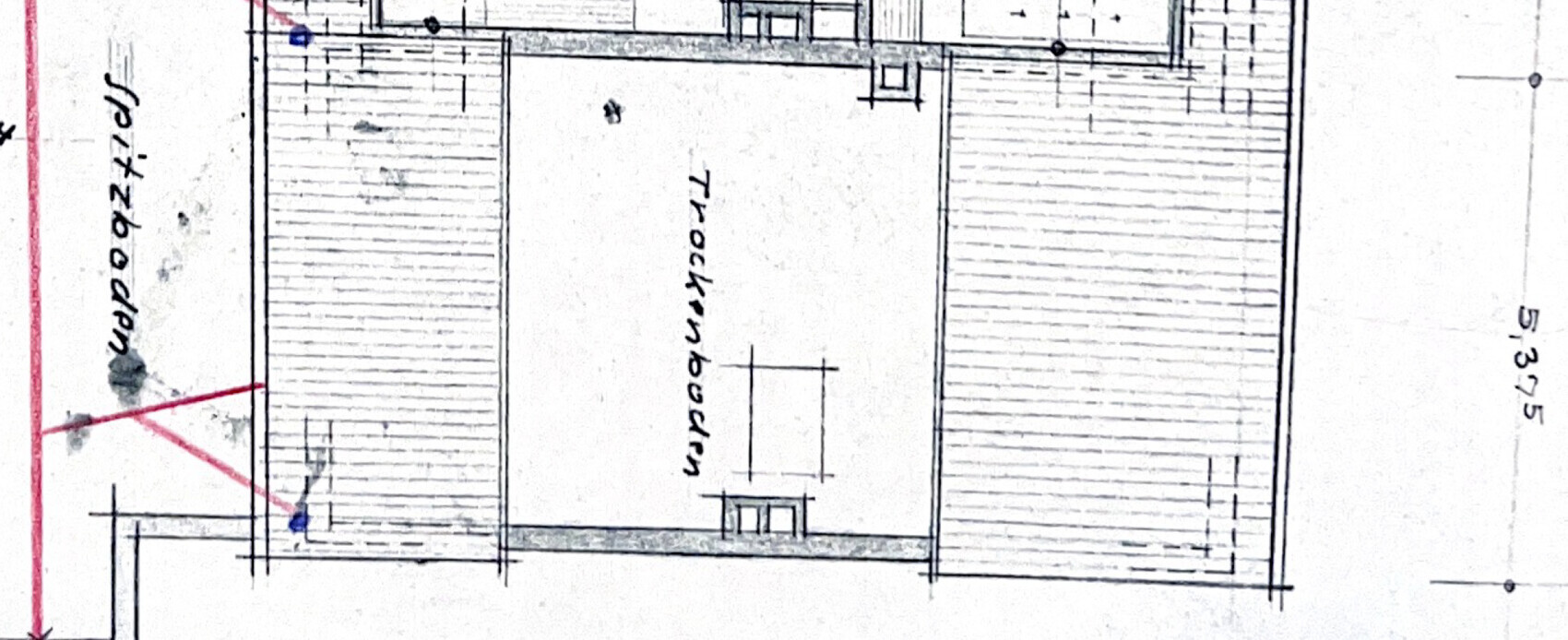
we have purchased a terraced house built in 1961. We had assumed that we would need to replace the electrical distribution board to retrofit residual current devices (RCDs). However, the electrical system was reportedly renewed in 2009. Upon closer inspection, it turns out this does not apply to everything. Some wiring from the original construction is still present, and the upper floor and attic are connected to only one circuit breaker.
Since we need to work on this anyway, we are considering renewing the entire electrical system to bring it up to a proper standard. We have kept the kitchen and bathroom as they were and do not want to open walls there. We expect that our entire planned renovation budget will now probably be consumed by the electrical work.
Currently, I am thinking about the best way to route the cables (floor plans attached). I have had two electricians on site so far. When I asked both about wall thicknesses, groove depths, and chasing around the chimneys, both said it would not be a problem as no house has ever collapsed because of that. They were also not willing to use conduit. I already have a quote from the first electrician, which I consider too expensive for a basic setup.
The second electrician appealed to me much more overall (except for the chasing issue), and he would also agree if I did the chasing and wiring myself, and he then handles the distribution board, equipotential bonding, and final inspection. That would suit my budget better and also give me the flexibility to add more sockets without constantly worrying about costs. Moreover, I believe I would take more time to do a careful and correct job than a company that wants to finish quickly to move on to the next site.
I want a modern electrical system with many sockets, circuits, and network outlets. My main question is how the electrical wiring can best be installed. Most interior partition walls are only 11.5 cm (4.5 inches) thick and probably must not be chased horizontally, and the 24 cm (9.5 inches) thick exterior walls may only be chased up to 25 mm (1 inch), leaving barely enough space for a 25 mm (1 inch) conduit. The two chimneys are still in use (a gas condensing boiler and a wood-burning stove), and I wonder how to run cables past them.
The bay window in the living room includes a radiator niche, windows, and roller shutter boxes, so I do not see a good way to route cables and conduits there.
I had considered running the wiring below the ceiling and installing a boxing with indirect lighting around the perimeter, but I think that would be a lot of work if done throughout the house.
We are actually under some time pressure; on the other hand, I do not want to cut corners on the electrical system now and hope not to have to touch it again for the next 30 to 40 years.
How would you proceed here?
Of course, I could invite three more electricians, but at the moment, I don’t feel they would pay much attention to the requirements, and that would also take a lot of time.
 HausKaufBayern22 Apr 2023 23:15
Have you made any progress? I would like to take a similar approach.
Our advantage is that the apartment is on the ground floor, so most of the cables can also be routed through the basement. The discussion with the electrician is still pending.
Our advantage is that the apartment is on the ground floor, so most of the cables can also be routed through the basement. The discussion with the electrician is still pending.