
ᐅ Renovating Two-Wire Electrical Systems – How to Reduce Costs When Hiring a Professional?
Created on: 25 Apr 2026 08:02
C
ColinM
Hello everyone,
We are about to sign a contract with a notary for a property we really like. It is an old house (1939), but comprehensively and well renovated in 2000 (wood fiber insulation on the outside and on the rafters, clay tiles, new condensing boiler from 2023). The plot, location, garage, dry basement – everything is excellent.
Unfortunately, a major issue has come to light. The house connection, meter cabinet, and distribution box are new. Behind the distribution box, everything is still 2-wire, probably aluminum cables from former East Germany times. The whole house is also somewhat chaotically wired with wooden paneling on ceilings and walls, numerous ceiling lights, outlets everywhere, etc. An electrician inspected all the wiring in 2025 and found it acceptable, but noted that it does not meet current safety standards and needs to be renovated. According to the seller, she still has a thick file documenting the sale of all cables, pipes, etc., including photos. The contractor was a craftsman and builder himself, so I assume this documentation is fairly accurate and can serve as a basis for the electricians. I cannot currently assess whether any shortcuts or traditional grounding methods (“neutraling”) were used after reunification.
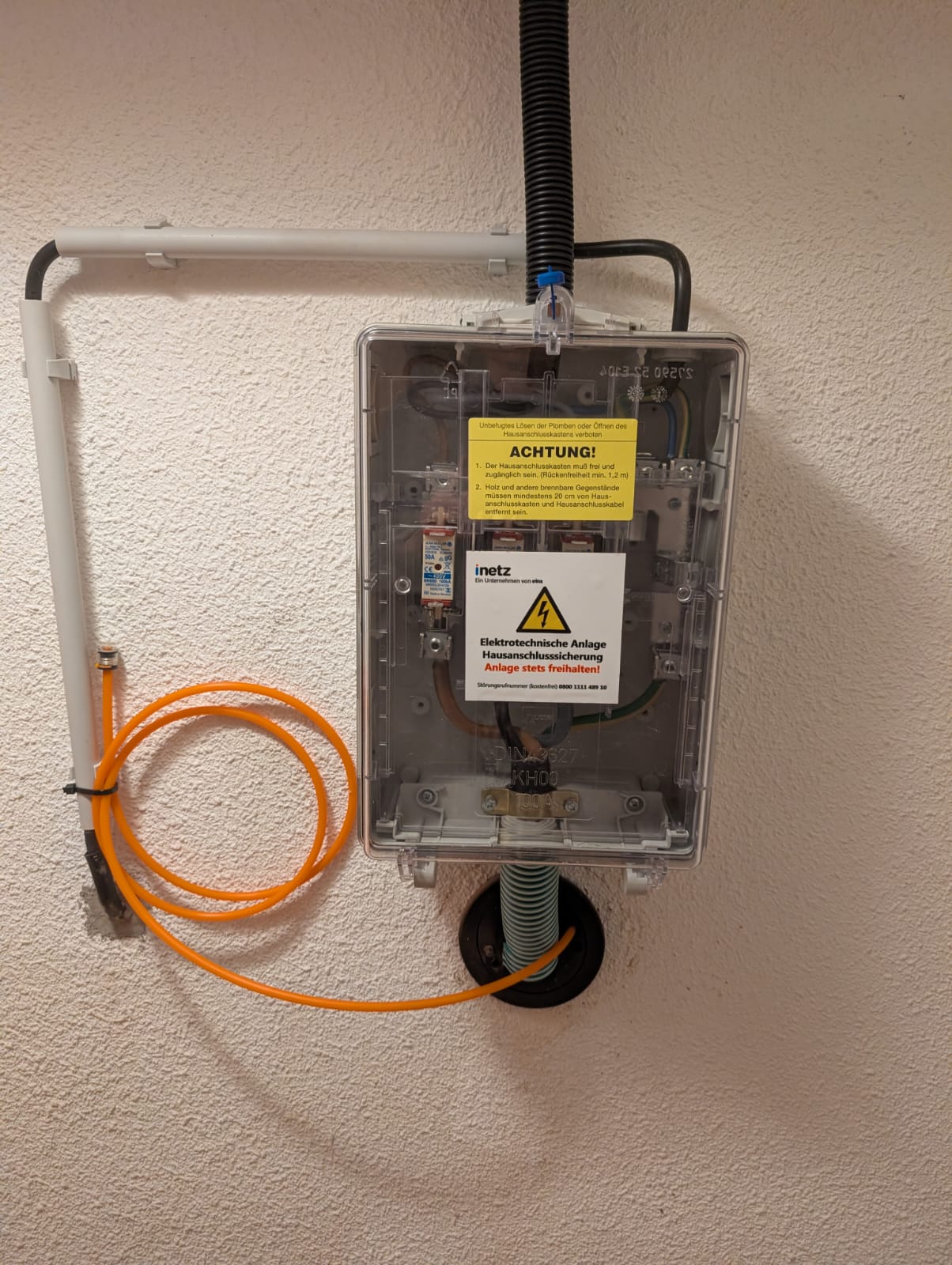
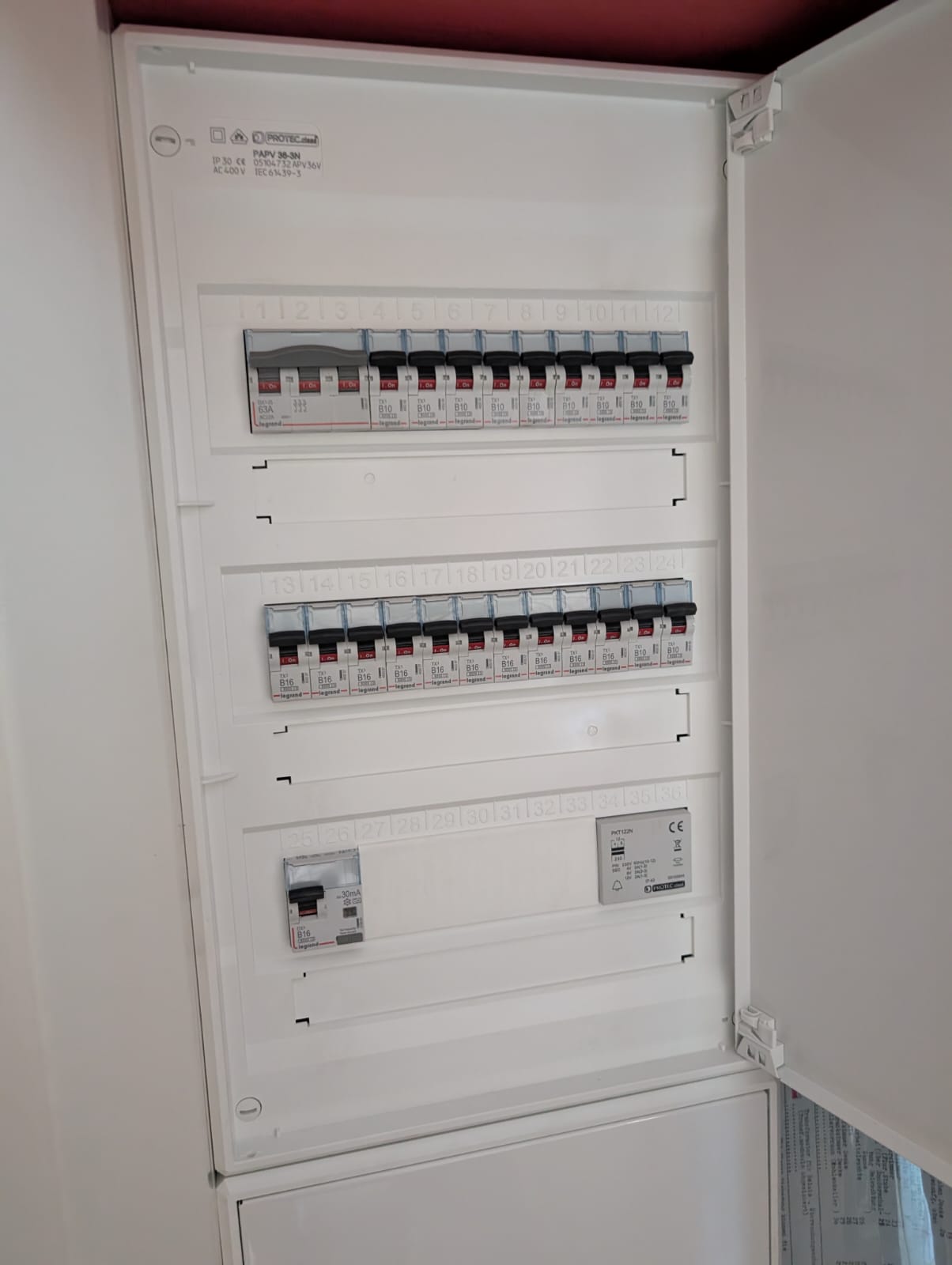
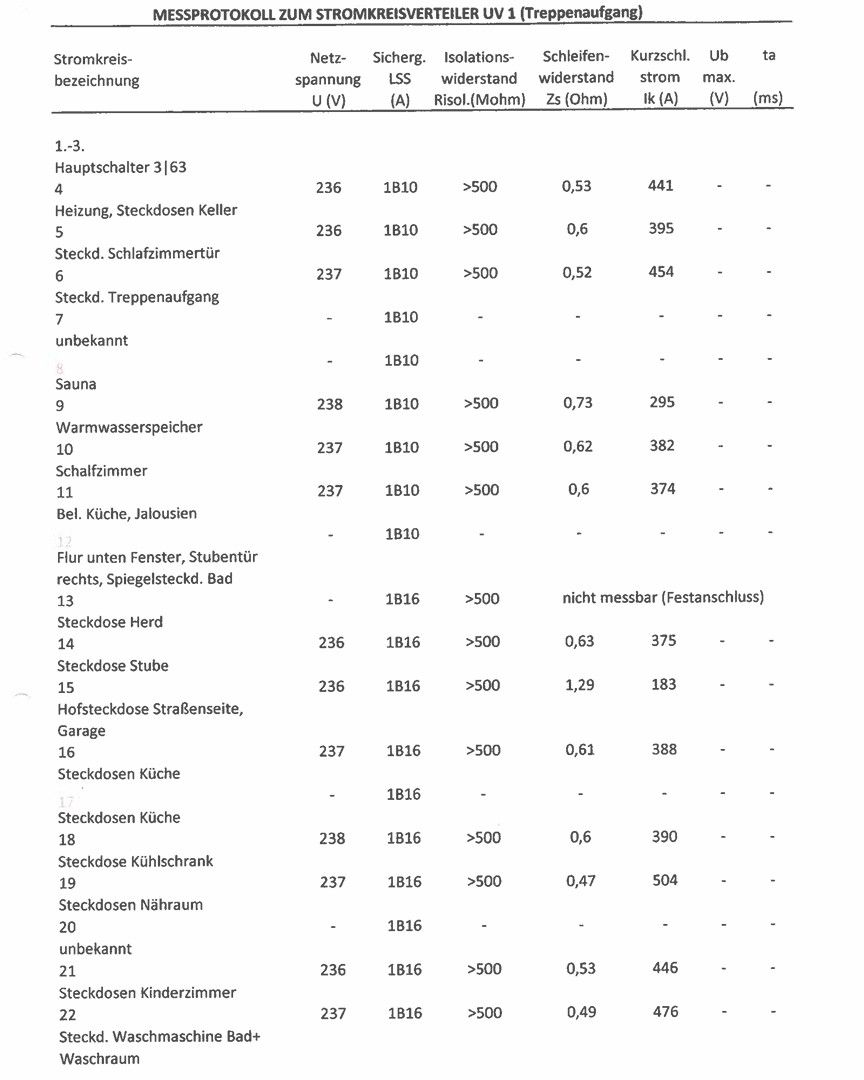
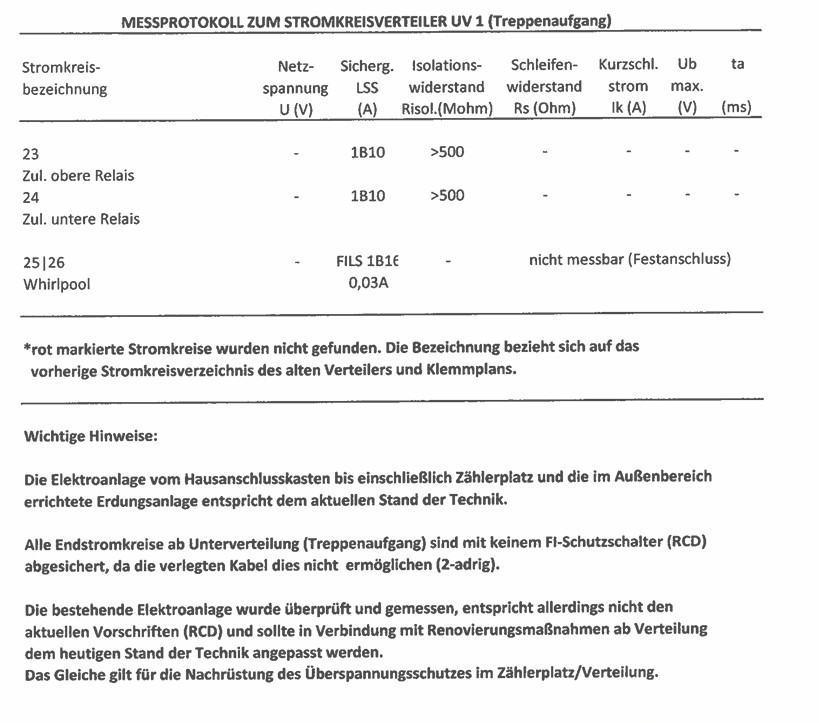
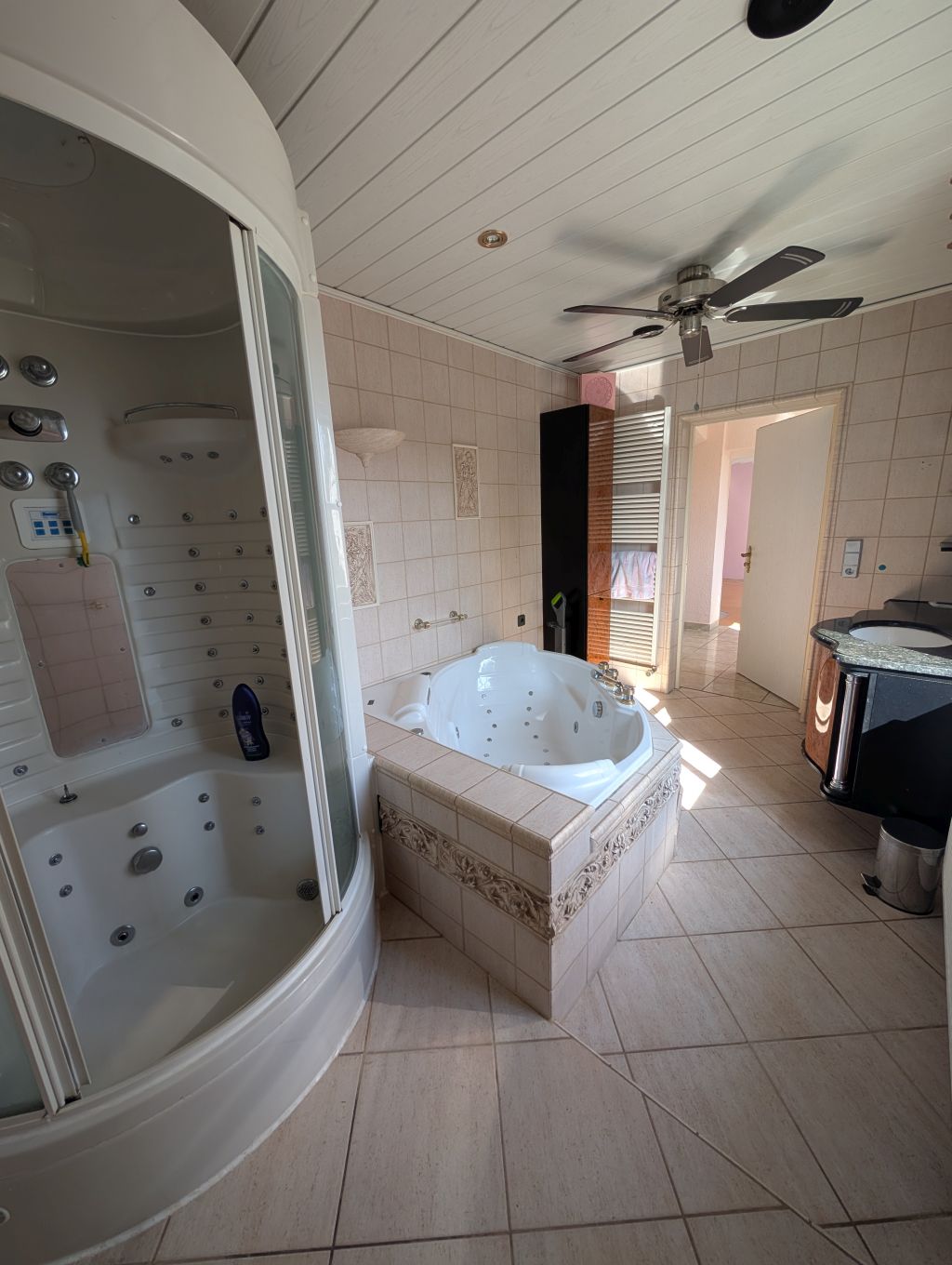
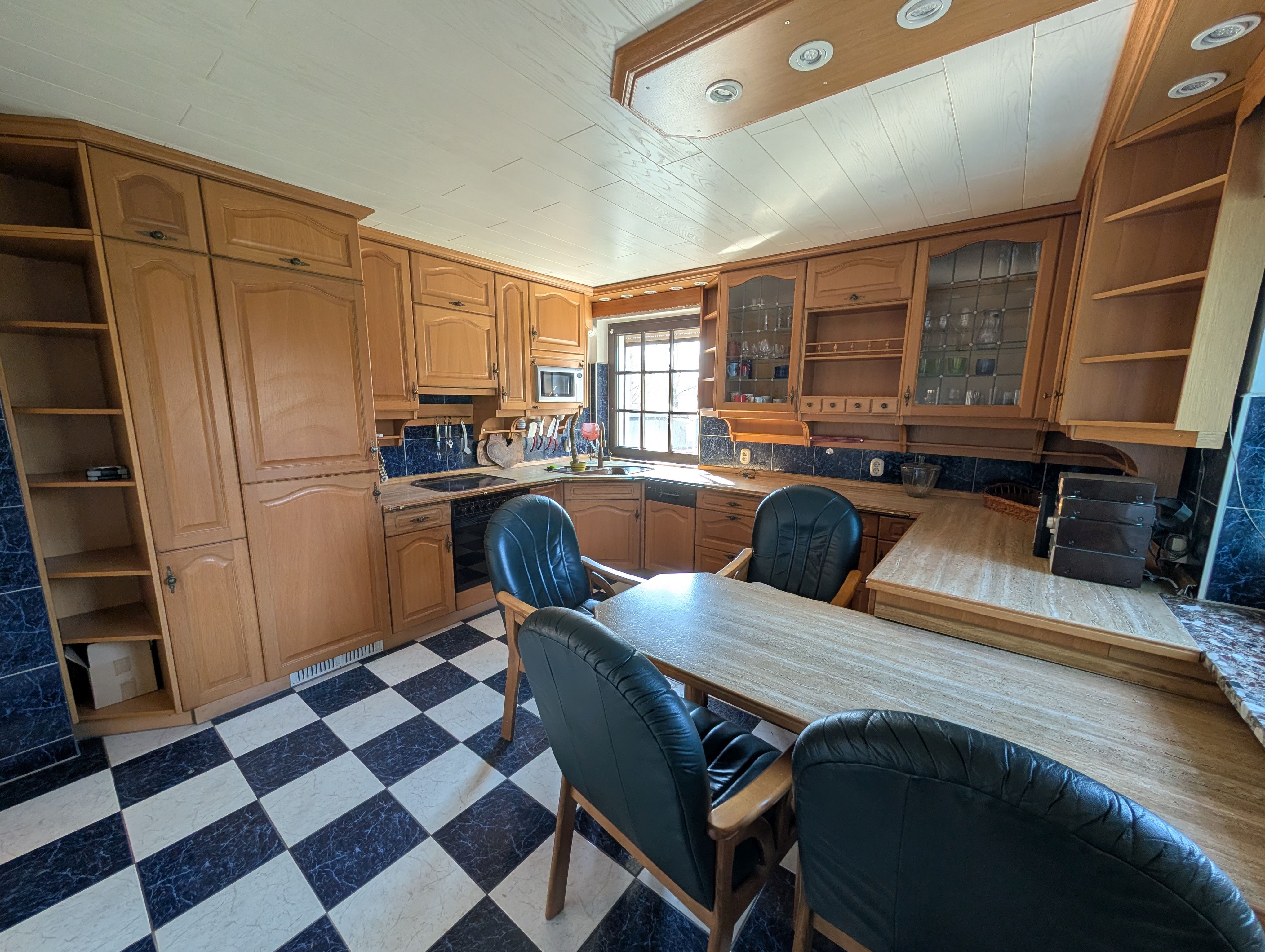
I spoke with the electrician who installed the house connection. He estimates 16,000–18,000 for a full electrical renovation, thanks to Eastern European labor costs. That’s still within our budget, but I’m worried about follow-up costs—for example, if plaster has to be removed when chasing a wall for wiring. This will also delay everything, adding summer holidays, etc., which would lead to a long period of paying both rent and mortgage. I am particularly concerned about the bathroom and kitchen. The bathroom is a bit quirky in style but of high quality. We had intended to keep the old fitted kitchen mostly as is, just repaint or foil the fronts and install our newer appliances. Unfortunately, both the bathroom and kitchen are fully tiled up to shoulder height.
So my question:
Are there ways to reduce costs and especially follow-up work? Suggestions I’ve received so far from friends:
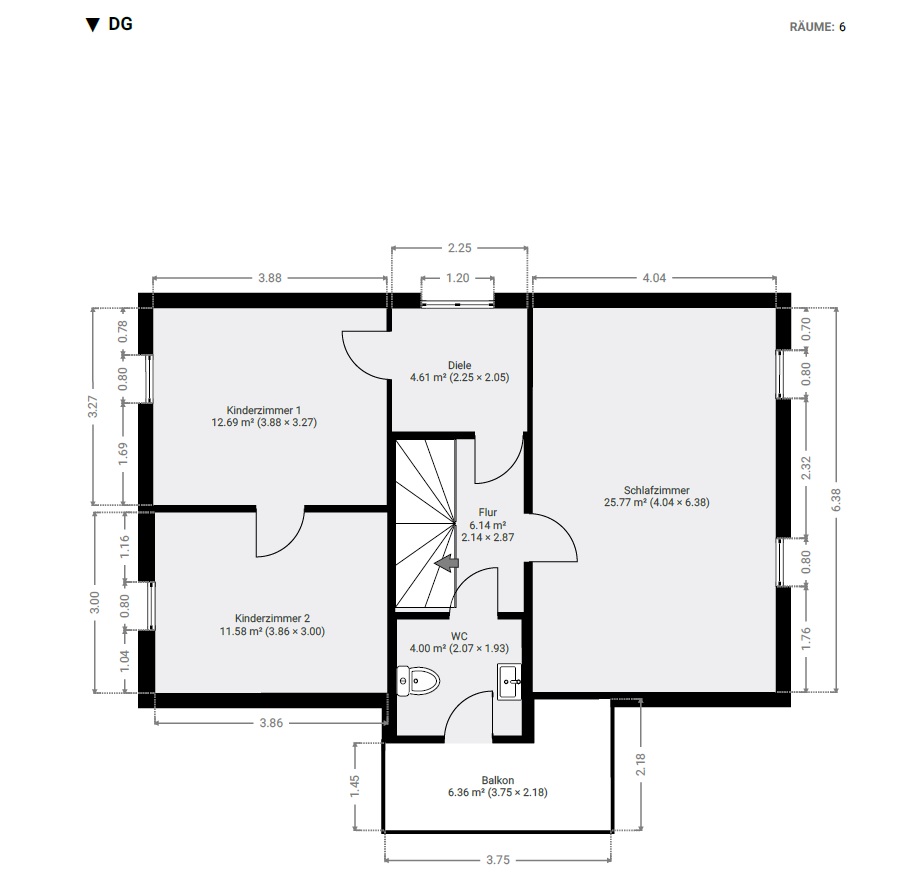
- Install underfloor heating in the upper floor using a dry construction method (due to clay ceilings). The modules are usually about 25mm (1 inch) high. Leave a bit of space at the edges to run new cables, then only chase up to the sockets.
- For ceiling lights, route wiring through the ceiling above them. In my opinion, light switches could be completely disconnected, then I would use Hue bulbs (we already have them) and install wireless battery-powered switches. This is not ideal, but cheaper than chasing open walls and ceilings and replastering.
- Leave seldom-used sockets (outdoor areas, basement, infrared sauna) as they are and protect them with a residual current device (RCD) plug adapter (I found decent ones from 21 EUR, made in Germany). The same applies to the “kitchen lighting and blinds” circuit. I’m least interested in this one, as it only runs the blinds and a few spotlights.
- In the kitchen, run the oven connection and socket circuits on surface-mounted conduit with rubber cable from the hallway, hiding cables under the plinth or behind cabinets. Then from below, run surface-mounted conduit to the sockets.
- Generally, just disconnect old cables here and there, leave them in the walls, and prefer surface-mounted wiring solutions.
All work would be carried out by a professional. The question is only: Is this legally, technically, and safety-wise acceptable, and will professionals agree to do it? This is all a bit makeshift and looks untidy, but if I have to choose between “some surface-mounted wiring and living in a house with a garden” or “all wiring flush-mounted and continue renting with annoying neighbors” or “another loan with bad interest rates,” I choose the surface-mounted wiring.
We have about 60,000 renovation budget, and it is currently being exceeded.
Thank you very much for your tips!
We are about to sign a contract with a notary for a property we really like. It is an old house (1939), but comprehensively and well renovated in 2000 (wood fiber insulation on the outside and on the rafters, clay tiles, new condensing boiler from 2023). The plot, location, garage, dry basement – everything is excellent.
Unfortunately, a major issue has come to light. The house connection, meter cabinet, and distribution box are new. Behind the distribution box, everything is still 2-wire, probably aluminum cables from former East Germany times. The whole house is also somewhat chaotically wired with wooden paneling on ceilings and walls, numerous ceiling lights, outlets everywhere, etc. An electrician inspected all the wiring in 2025 and found it acceptable, but noted that it does not meet current safety standards and needs to be renovated. According to the seller, she still has a thick file documenting the sale of all cables, pipes, etc., including photos. The contractor was a craftsman and builder himself, so I assume this documentation is fairly accurate and can serve as a basis for the electricians. I cannot currently assess whether any shortcuts or traditional grounding methods (“neutraling”) were used after reunification.
I spoke with the electrician who installed the house connection. He estimates 16,000–18,000 for a full electrical renovation, thanks to Eastern European labor costs. That’s still within our budget, but I’m worried about follow-up costs—for example, if plaster has to be removed when chasing a wall for wiring. This will also delay everything, adding summer holidays, etc., which would lead to a long period of paying both rent and mortgage. I am particularly concerned about the bathroom and kitchen. The bathroom is a bit quirky in style but of high quality. We had intended to keep the old fitted kitchen mostly as is, just repaint or foil the fronts and install our newer appliances. Unfortunately, both the bathroom and kitchen are fully tiled up to shoulder height.
So my question:
Are there ways to reduce costs and especially follow-up work? Suggestions I’ve received so far from friends:
- Install underfloor heating in the upper floor using a dry construction method (due to clay ceilings). The modules are usually about 25mm (1 inch) high. Leave a bit of space at the edges to run new cables, then only chase up to the sockets.
- For ceiling lights, route wiring through the ceiling above them. In my opinion, light switches could be completely disconnected, then I would use Hue bulbs (we already have them) and install wireless battery-powered switches. This is not ideal, but cheaper than chasing open walls and ceilings and replastering.
- Leave seldom-used sockets (outdoor areas, basement, infrared sauna) as they are and protect them with a residual current device (RCD) plug adapter (I found decent ones from 21 EUR, made in Germany). The same applies to the “kitchen lighting and blinds” circuit. I’m least interested in this one, as it only runs the blinds and a few spotlights.
- In the kitchen, run the oven connection and socket circuits on surface-mounted conduit with rubber cable from the hallway, hiding cables under the plinth or behind cabinets. Then from below, run surface-mounted conduit to the sockets.
- Generally, just disconnect old cables here and there, leave them in the walls, and prefer surface-mounted wiring solutions.
All work would be carried out by a professional. The question is only: Is this legally, technically, and safety-wise acceptable, and will professionals agree to do it? This is all a bit makeshift and looks untidy, but if I have to choose between “some surface-mounted wiring and living in a house with a garden” or “all wiring flush-mounted and continue renting with annoying neighbors” or “another loan with bad interest rates,” I choose the surface-mounted wiring.
We have about 60,000 renovation budget, and it is currently being exceeded.
Thank you very much for your tips!

I’ll go through everything once more:
- On the ground floor, we will chase the walls in the hallway and living room near the floor, running cables normally from socket to socket, but NOT up to the switches or lighting.
- In the kitchen, we will remove exactly one tile, create an access point there, and run a surface-mounted rubber cable behind the cabinets/inside the plinth to connect the stove and sockets. The sockets will be installed into the countertop. The existing sockets in the tiles will be disconnected, and I will close the hole with filler or a suitable 3D-printed part. Not ideal, but manageable for about 10 years until we possibly install a new kitchen.
- In the bathroom, we will access the socket at the sink from the other side of the wall in the hallway. The second socket further in the room will be decommissioned. All tiles will remain intact.
- On the upper floor, we will install underfloor heating and lay the cables directly underneath, as shown here: https://youtu.be/tHXoQ8pV9IA?t=65 We will only chase the walls up to the sockets.
- In the attic, everything will be surface-mounted anyway, so aesthetics are less important.
- For the ceiling lights, we will drill through the floor from the room above and keep the lamps permanently powered. For standard E27 fittings, I will use Hue bulbs; the spots will be replaced with a large batch of inexpensive Zigbee spots from AliExpress. This way, mood lighting will be possible everywhere.
- All switches will be disconnected. I will replace them with wireless solutions, preferably these: https://www.youtube.com/watch?v=4Amn6tmsSFM
- Two to three electrical circuits may remain as they are in the existing installation. This would need to be checked individually. In the basement, surface-mounted installation on the tiles could also be an option.
- Hopefully, some three-wire cables have already been installed somewhere that can be used, and only the supply lines are two-wire. Apparently, some work was done after reunification.
This approach should minimize chasing work and preserve the tiles. I do not need a physical light switch – in fact, physical switches often lead to unintentionally turning smart lights off completely, forcing you to get up and reset the color and brightness. I don’t want to start using Shelly or similar; I want to continue using my existing Hue and Homematic devices.
Is this approach feasible, or is there anything speaking against it?
- On the ground floor, we will chase the walls in the hallway and living room near the floor, running cables normally from socket to socket, but NOT up to the switches or lighting.
- In the kitchen, we will remove exactly one tile, create an access point there, and run a surface-mounted rubber cable behind the cabinets/inside the plinth to connect the stove and sockets. The sockets will be installed into the countertop. The existing sockets in the tiles will be disconnected, and I will close the hole with filler or a suitable 3D-printed part. Not ideal, but manageable for about 10 years until we possibly install a new kitchen.
- In the bathroom, we will access the socket at the sink from the other side of the wall in the hallway. The second socket further in the room will be decommissioned. All tiles will remain intact.
- On the upper floor, we will install underfloor heating and lay the cables directly underneath, as shown here: https://youtu.be/tHXoQ8pV9IA?t=65 We will only chase the walls up to the sockets.
- In the attic, everything will be surface-mounted anyway, so aesthetics are less important.
- For the ceiling lights, we will drill through the floor from the room above and keep the lamps permanently powered. For standard E27 fittings, I will use Hue bulbs; the spots will be replaced with a large batch of inexpensive Zigbee spots from AliExpress. This way, mood lighting will be possible everywhere.
- All switches will be disconnected. I will replace them with wireless solutions, preferably these: https://www.youtube.com/watch?v=4Amn6tmsSFM
- Two to three electrical circuits may remain as they are in the existing installation. This would need to be checked individually. In the basement, surface-mounted installation on the tiles could also be an option.
- Hopefully, some three-wire cables have already been installed somewhere that can be used, and only the supply lines are two-wire. Apparently, some work was done after reunification.
This approach should minimize chasing work and preserve the tiles. I do not need a physical light switch – in fact, physical switches often lead to unintentionally turning smart lights off completely, forcing you to get up and reset the color and brightness. I don’t want to start using Shelly or similar; I want to continue using my existing Hue and Homematic devices.
Is this approach feasible, or is there anything speaking against it?
Similar topics