
Hello fellow homeowners,
This concerns an old building from 1909, a timber-framed structure with a natural stone vaulted cellar, which we have purchased to renovate. The experts say the cellar is fine, but I have a different gut feeling. Therefore, I would like to ask for your opinions:
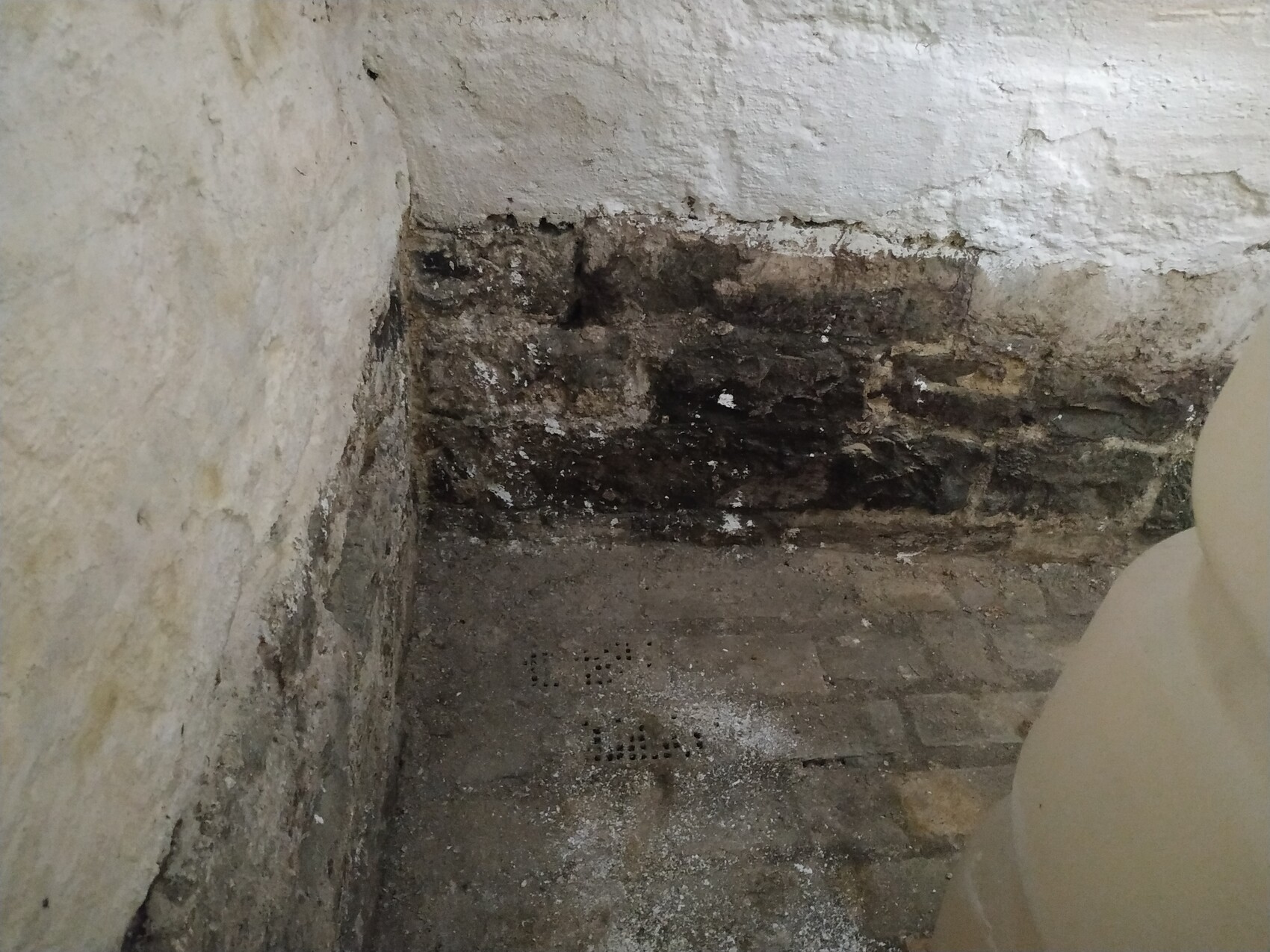
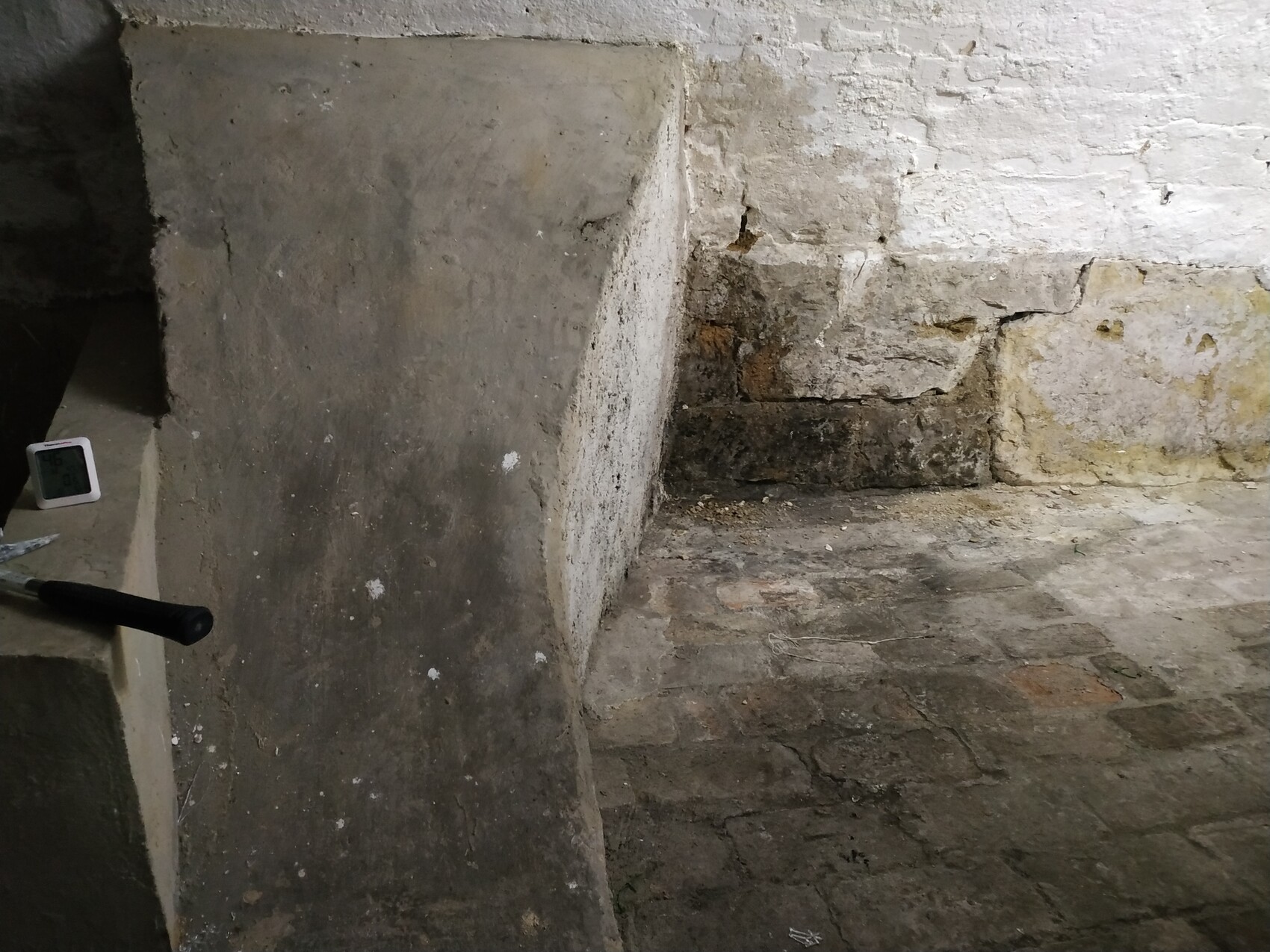
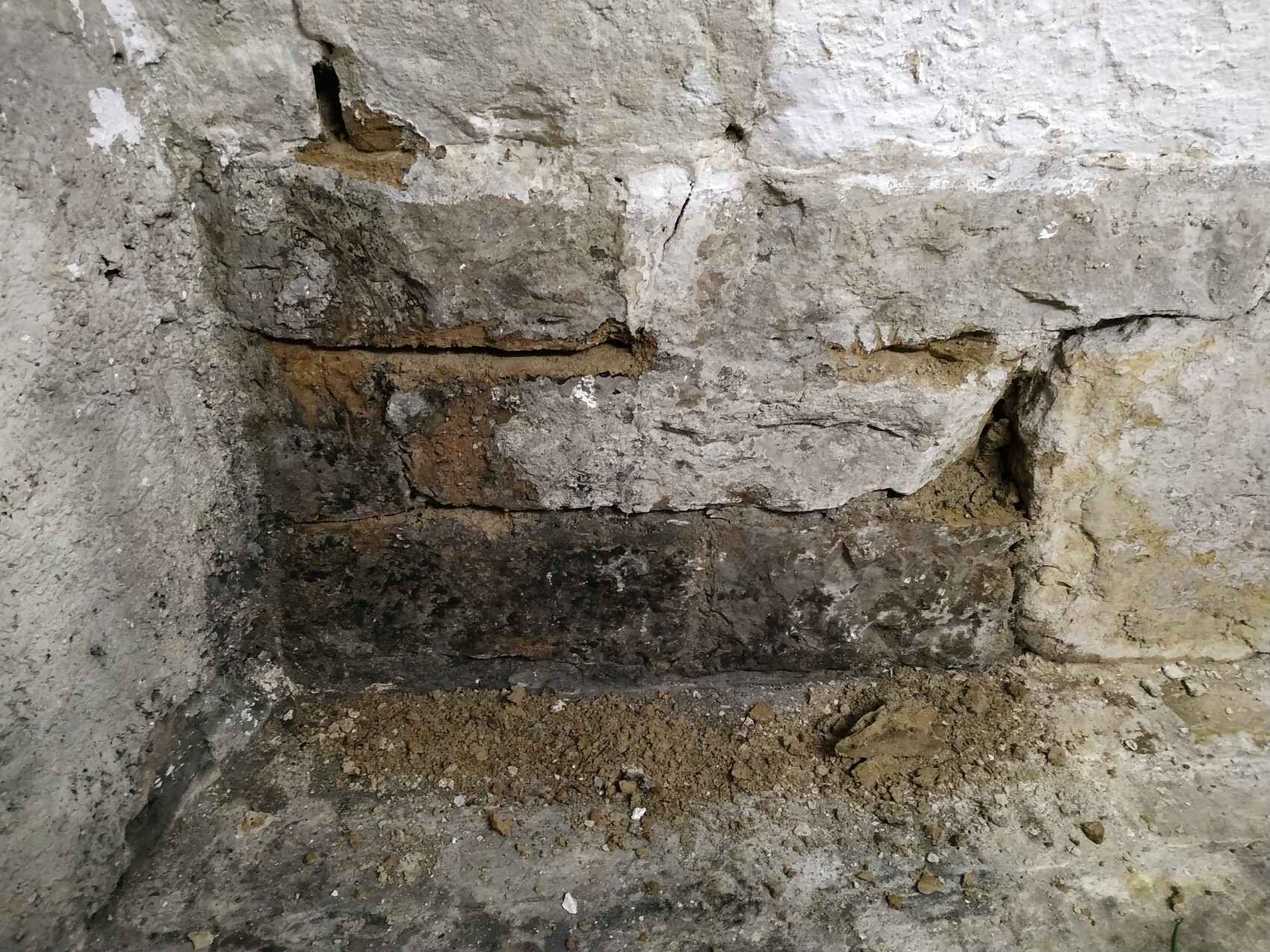
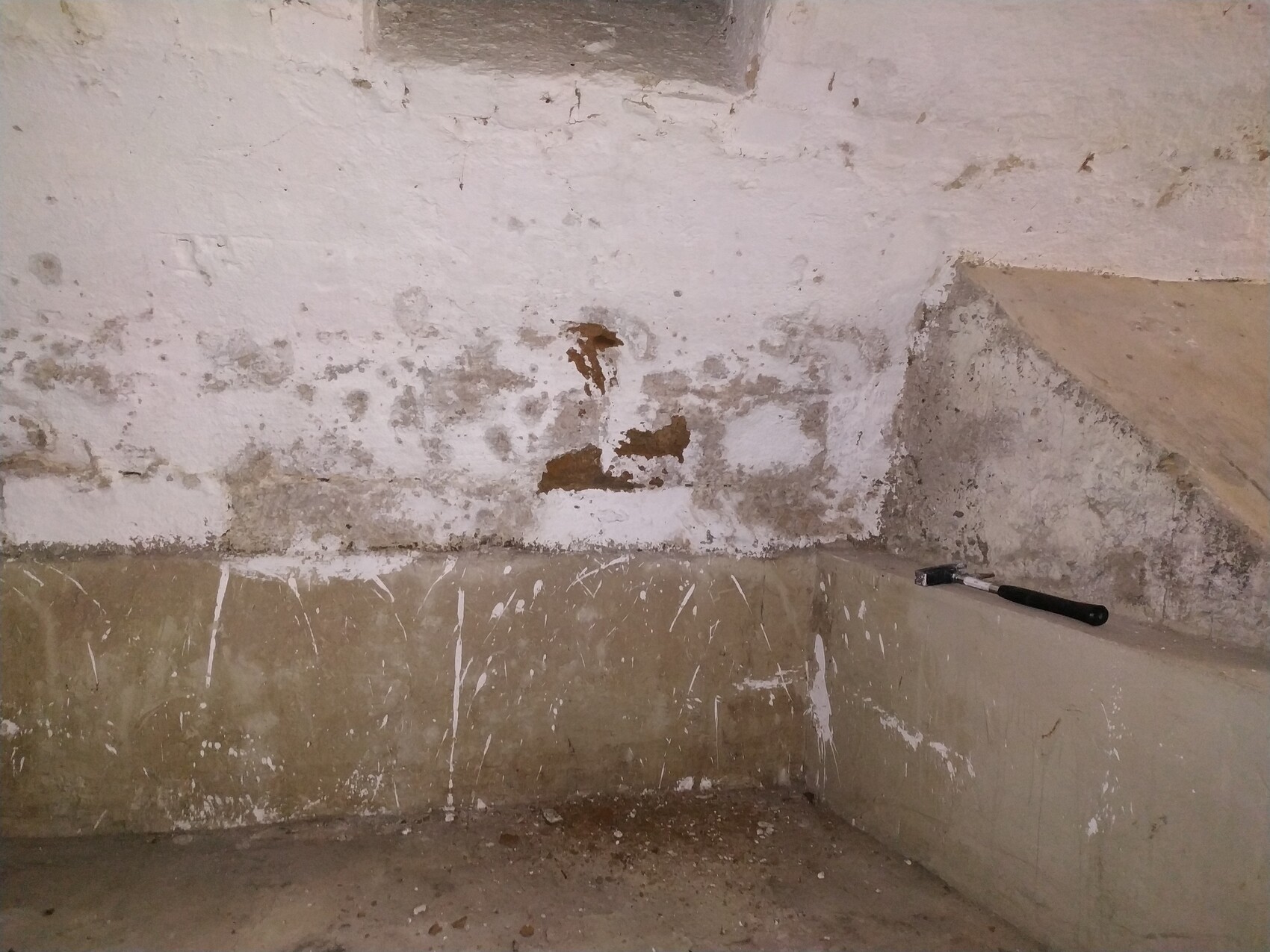
The cellar (approximately 30m² (320 sq ft)) and the cellar air now seem relatively dry. I currently measure about 6°C (43°F) at around 47% humidity. A moisture meter didn’t react at the walls either. According to a neighbor, it was already wet there, and some repairs were done. Specifically, a 0.5m (20 inch) high “sealing basin” was made from a cement wall on the inside of one wall. However, there are still two spots on the wall facing the slope where black mold growth is visible. (The mold samples are already in the lab.) The joints there are particularly damp/crumbling and can be lightly chiseled out with a hammer. Apparently, moisture still seeps in there, at least enough to make the wall wet/damp. The cellar has a slightly earthy/damp smell, which isn’t sharp but, in my opinion, should be eliminated.
The intended use of the cellar is only storage. However, I definitely want to prevent other cellar rooms or the upper floors from picking up the musty smell from the vaulted cellar. Also, I am concerned that the long-term load-bearing capacity of the wall might be affected.
Unfortunately, there are many approaches as to if and how to tackle this. Some solutions (such as from Isotech) seem to rely on insulating the cellar from the inside to prevent moisture from entering. But my gut feeling is that this cellar (at least this side) must be sealed from the outside. That means excavation, sealing, and installing a drainage system. Then the mold can be removed and the walls plastered inside, with the hope that it will stay dry afterwards.
Thank you very much for your input!
This concerns an old building from 1909, a timber-framed structure with a natural stone vaulted cellar, which we have purchased to renovate. The experts say the cellar is fine, but I have a different gut feeling. Therefore, I would like to ask for your opinions:
The cellar (approximately 30m² (320 sq ft)) and the cellar air now seem relatively dry. I currently measure about 6°C (43°F) at around 47% humidity. A moisture meter didn’t react at the walls either. According to a neighbor, it was already wet there, and some repairs were done. Specifically, a 0.5m (20 inch) high “sealing basin” was made from a cement wall on the inside of one wall. However, there are still two spots on the wall facing the slope where black mold growth is visible. (The mold samples are already in the lab.) The joints there are particularly damp/crumbling and can be lightly chiseled out with a hammer. Apparently, moisture still seeps in there, at least enough to make the wall wet/damp. The cellar has a slightly earthy/damp smell, which isn’t sharp but, in my opinion, should be eliminated.
The intended use of the cellar is only storage. However, I definitely want to prevent other cellar rooms or the upper floors from picking up the musty smell from the vaulted cellar. Also, I am concerned that the long-term load-bearing capacity of the wall might be affected.
Unfortunately, there are many approaches as to if and how to tackle this. Some solutions (such as from Isotech) seem to rely on insulating the cellar from the inside to prevent moisture from entering. But my gut feeling is that this cellar (at least this side) must be sealed from the outside. That means excavation, sealing, and installing a drainage system. Then the mold can be removed and the walls plastered inside, with the hope that it will stay dry afterwards.
- What is the right approach for such vaulted cellars? Is internal sealing effective, or is external sealing essential?
- Does drainage only make sense on the slope side, or does it have to be installed on all sides (other walls seem to have been spared for 100 years)?
- Is a floor seal/covering also necessary?
- What costs should be realistically expected here?
Thank you very much for your input!
At some point, we will remove the old plaster and that will be it. There is enough airflow anyway; on one side there is a passage to the garage and there is also a window. We cannot access it from the outside, as there is a staircase on one side and on the other, a 13 m (43 ft) mountain is pressing against it.