
Hello everyone,
We have had a garden shed for a few weeks now, but it still requires quite a bit of renovation work. Hopefully, someone here with DIY experience can help answer my questions. I would like to take on the renovation myself. Since I am handy and have some technical knowledge, I feel confident about doing this. Unfortunately, I am less sure about which materials I need.
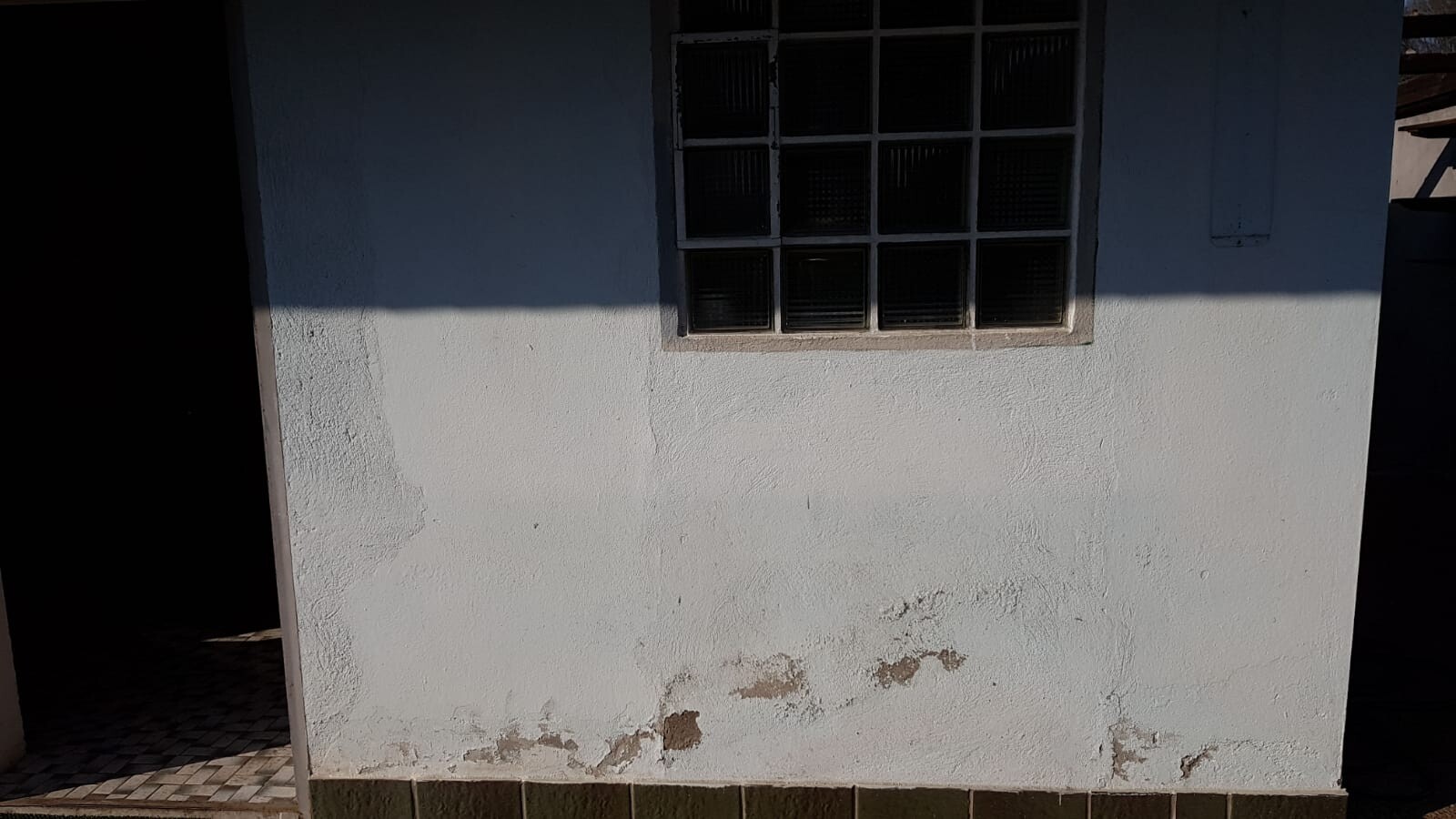
1. The exterior facade needs painting (see pictures). What type of paint is suitable for this? Can I just paint over it, or do I need to do some surface preparation? What about the areas where the plaster is crumbling? Do I need to apply plaster there?
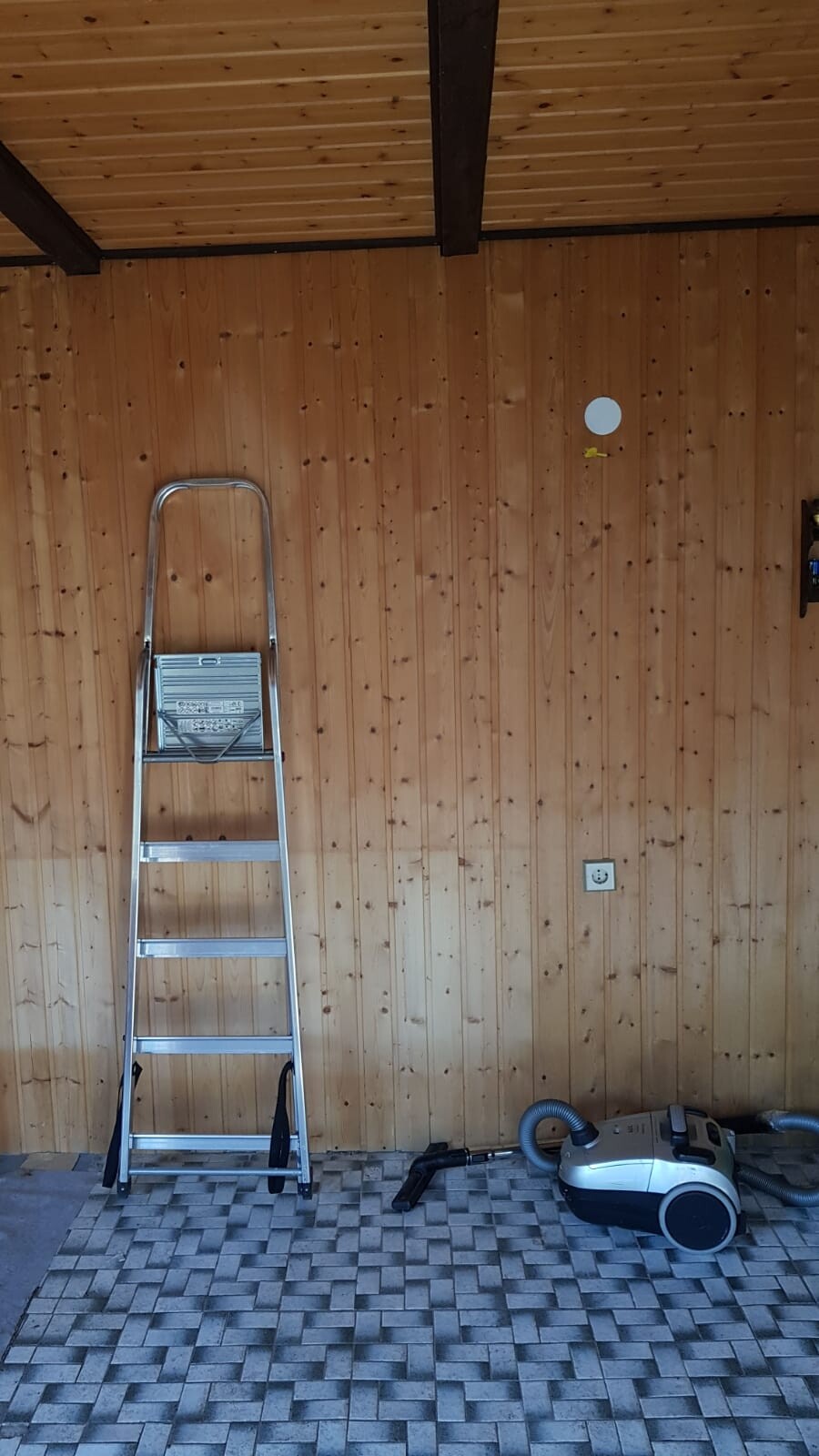
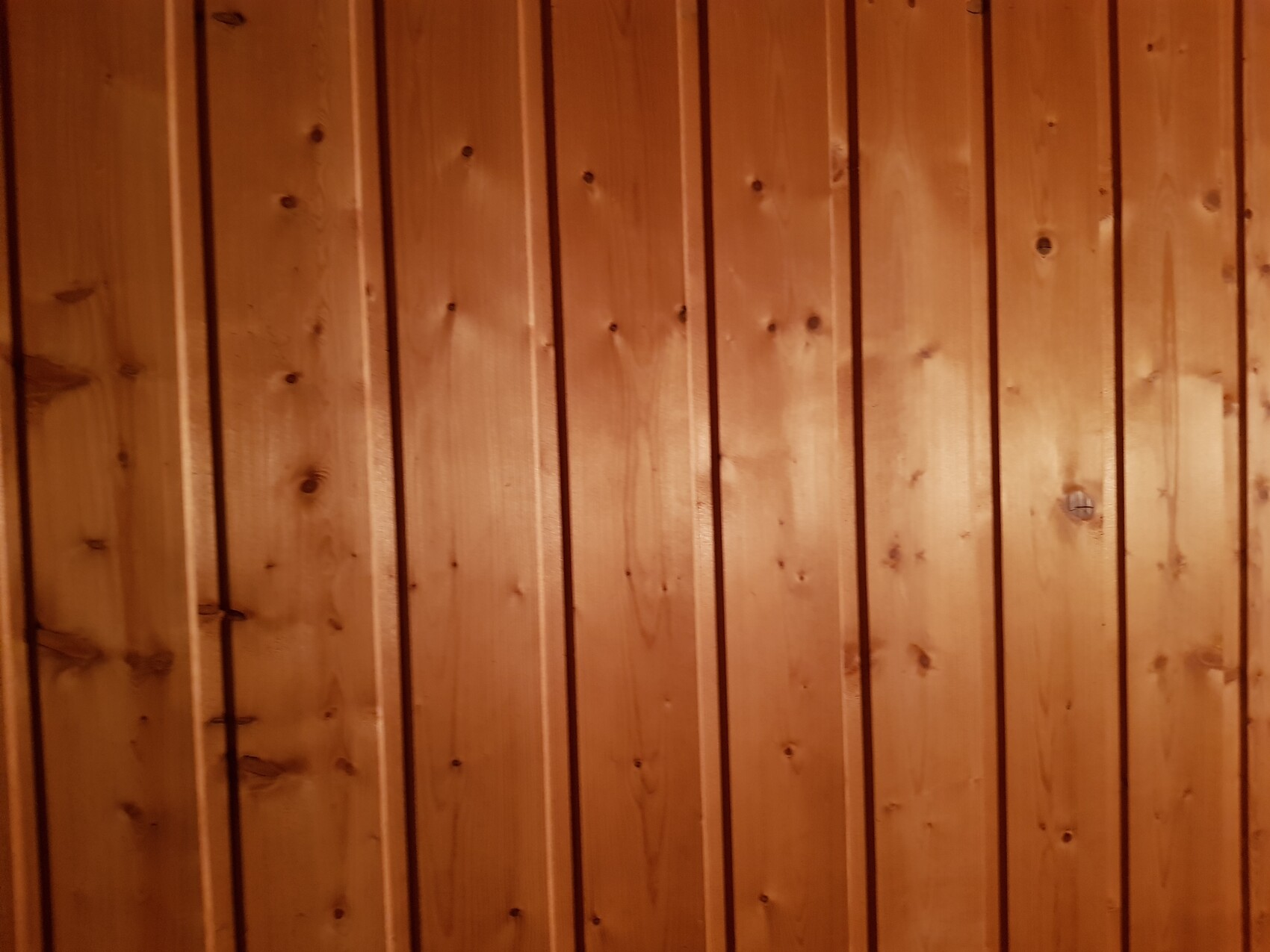
2. Inside also needs painting. Part of the wall and the ceiling consist of wood panels. Again, the same question applies: what kind of paint or varnish do I need, and is any surface preparation necessary?
3. The paving slabs throughout the garden are in very poor condition (broken, uneven, worn). I would like to replace them. In this case, do I need to renew the base/substrate, or can I simply lay the new slabs on the existing base? I have no idea if the base is suitable or if it was installed properly originally.
We have had a garden shed for a few weeks now, but it still requires quite a bit of renovation work. Hopefully, someone here with DIY experience can help answer my questions. I would like to take on the renovation myself. Since I am handy and have some technical knowledge, I feel confident about doing this. Unfortunately, I am less sure about which materials I need.
1. The exterior facade needs painting (see pictures). What type of paint is suitable for this? Can I just paint over it, or do I need to do some surface preparation? What about the areas where the plaster is crumbling? Do I need to apply plaster there?
2. Inside also needs painting. Part of the wall and the ceiling consist of wood panels. Again, the same question applies: what kind of paint or varnish do I need, and is any surface preparation necessary?
3. The paving slabs throughout the garden are in very poor condition (broken, uneven, worn). I would like to replace them. In this case, do I need to renew the base/substrate, or can I simply lay the new slabs on the existing base? I have no idea if the base is suitable or if it was installed properly originally.
Exterior: Remove any loose areas and fill them with repair plaster. I'm not sure if priming is necessary. Just check the instructions on the repair plaster. It might also be sufficient to dampen the facade. Later, you can paint it white with exterior paint. However, I would prime it beforehand.
Interior: The pine wood is probably varnished. Do you want to keep it white or natural?
Regarding the panels: check underneath to see what’s there. Usually, some filler sand is enough to lay the panels on.
You can find good information about this in do-it-yourself books available at the library. YouTube can also be helpful.
If it is a narrow, natural path, I would keep it simple. Gaps can be allowed to moss over, filled with gravel, or planted with ground cover.
Interior: The pine wood is probably varnished. Do you want to keep it white or natural?
Regarding the panels: check underneath to see what’s there. Usually, some filler sand is enough to lay the panels on.
You can find good information about this in do-it-yourself books available at the library. YouTube can also be helpful.
If it is a narrow, natural path, I would keep it simple. Gaps can be allowed to moss over, filled with gravel, or planted with ground cover.
If I repair the loose spots with patching plaster, will the surface finish be the same? In the picture, you can already see that the surface is very uneven. Will this be covered by paint? If not, is it possible to smooth the wall beforehand, for example by sanding or similar methods?
I plan to paint the wood white.
I plan to paint the wood white.
ilaycan schrieb:
If I repair the loose spots with patching plaster, will I get the same surface finish?There are rough plaster, textured plaster, etc.
The best is to take a photo to a specialist store and show them.
In my opinion, it looks like a fine plaster finish.
ilaycan schrieb:
You can already see in the picture that the surface is very uneven. Will paint cover that?No, paint cannot even out surface irregularities.
If you want high-end quality, you should redo everything. But you should be skilled enough for that.
Your questions and knowledge do not align with achieving a perfect result since this is your first time and you are not yet experienced.
That’s not a problem, but perhaps you should either lower your expectations if you do it yourself or have it done professionally.
ilaycan schrieb:
If not, can the wall be sanded smooth beforehand or something similar?Pfff... see above.
Many things are possible, but you need to weigh the benefit against the cost, both time and money.
I would do it as well as possible and then plant a climbing rose bush in front of it to hide the imperfections.
ilaycan schrieb:
I want to paint the wood white.That is quite labor-intensive over a large area, but doable. First prime with white primer, then paint. Also consider showing the picture to a specialist store. The pine boarding is a common cladding type.
Hello ilaycan
You are from Düsseldorf!
Go to Sonnen-Herzog. They provide professional advice on all related questions.
I am always very satisfied with them.
Regarding the panels: If you want to enjoy them for a long time, remove the panels, excavate the subsoil 50-60cm (20-24 inches), install a reinforced concrete layer (RCL), and lay the panels on 5cm (2 inches) of crushed stone. Edging stones are necessary for this. It requires some work, but it is worth it.
Steven (also from Düsseldorf)
You are from Düsseldorf!
Go to Sonnen-Herzog. They provide professional advice on all related questions.
I am always very satisfied with them.
Regarding the panels: If you want to enjoy them for a long time, remove the panels, excavate the subsoil 50-60cm (20-24 inches), install a reinforced concrete layer (RCL), and lay the panels on 5cm (2 inches) of crushed stone. Edging stones are necessary for this. It requires some work, but it is worth it.
Steven (also from Düsseldorf)
M
Mottenhausen2 Apr 2019 09:52The problem with the exterior wall is rising damp, which causes the paint to peel.
Repairing and repainting will look exactly the same after just a few years. A well-intended solution in the past was to apply a coating over the repeatedly blooming base area, resulting in the moisture now appearing higher up. Since you probably don’t want to undertake the effort of sealing, the only option would be to expose the base down to the masonry and leave it permanently open to allow evaporation. Simply leave a strip of about 10cm (4 inches) without plaster.
Renovation plaster and similar treatments only move the problem further up the wall.
Repairing and repainting will look exactly the same after just a few years. A well-intended solution in the past was to apply a coating over the repeatedly blooming base area, resulting in the moisture now appearing higher up. Since you probably don’t want to undertake the effort of sealing, the only option would be to expose the base down to the masonry and leave it permanently open to allow evaporation. Simply leave a strip of about 10cm (4 inches) without plaster.
Renovation plaster and similar treatments only move the problem further up the wall.
Similar topics