
ᐅ Renovating Existing Buildings: Always an Exciting Challenge
Created on: 9 Dec 2019 22:55
R
ReudnitzerR
Reudnitzer9 Dec 2019 22:55Since I don’t want to overuse the house photo thread, but have come across several projects in the forum where members are clearly dealing with old buildings, renovating gradually, and repeatedly discovering valuable features worth preserving, I’d like to start this thread.
Many of us face similar challenges, such as damp basements, unusual floor plans, thick-bed mortar, legacy issues—problems that typically don’t occur in a “standard” new build. I think it would be great to exchange ideas here. How have you solved such problems? Were there any unpleasant surprises? What would you do differently today? Feel free to include before-and-after pictures.
Many of us face similar challenges, such as damp basements, unusual floor plans, thick-bed mortar, legacy issues—problems that typically don’t occur in a “standard” new build. I think it would be great to exchange ideas here. How have you solved such problems? Were there any unpleasant surprises? What would you do differently today? Feel free to include before-and-after pictures.
R
Reudnitzer10 Dec 2019 11:00Let me start here, whether for encouragement or as a warning.
Here is one of our "small projects," the cube. The room is called that because it is almost exactly 3x3x3m (10x10x10 ft) in size.
The problem: for some reason, the outside corner of this room seems to be the coldest, and therefore the dampest, corner of the house. Consequently, the clay plaster had come loose there, and a previous owner patched the missing plaster with cement mortar, creating a perfect breeding ground for mold. Despite regular ventilation, moisture always remained on the surface, which then caused mold growth.
The first, somewhat naive plan was to remove the concrete, patch it with Klimasan renovation plaster, and be done with it.
Fortunately, we consulted a clay plaster specialist friend, who said: you really need to expose the entire wall, and the opposite one won’t hold up much longer either.
That was, of course, not what we wanted to hear, but I then exposed the wall and the opposite one in a layering process.
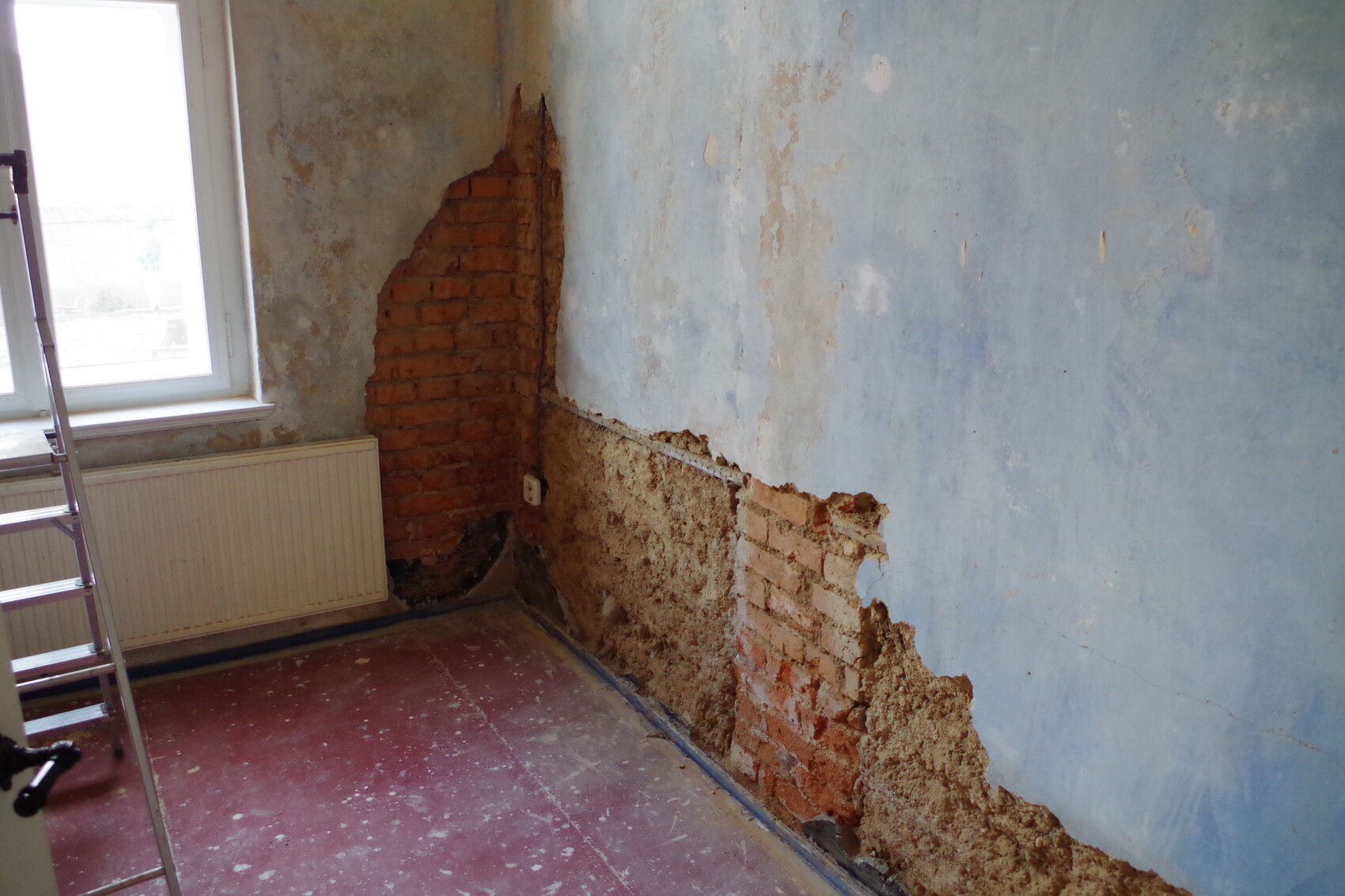
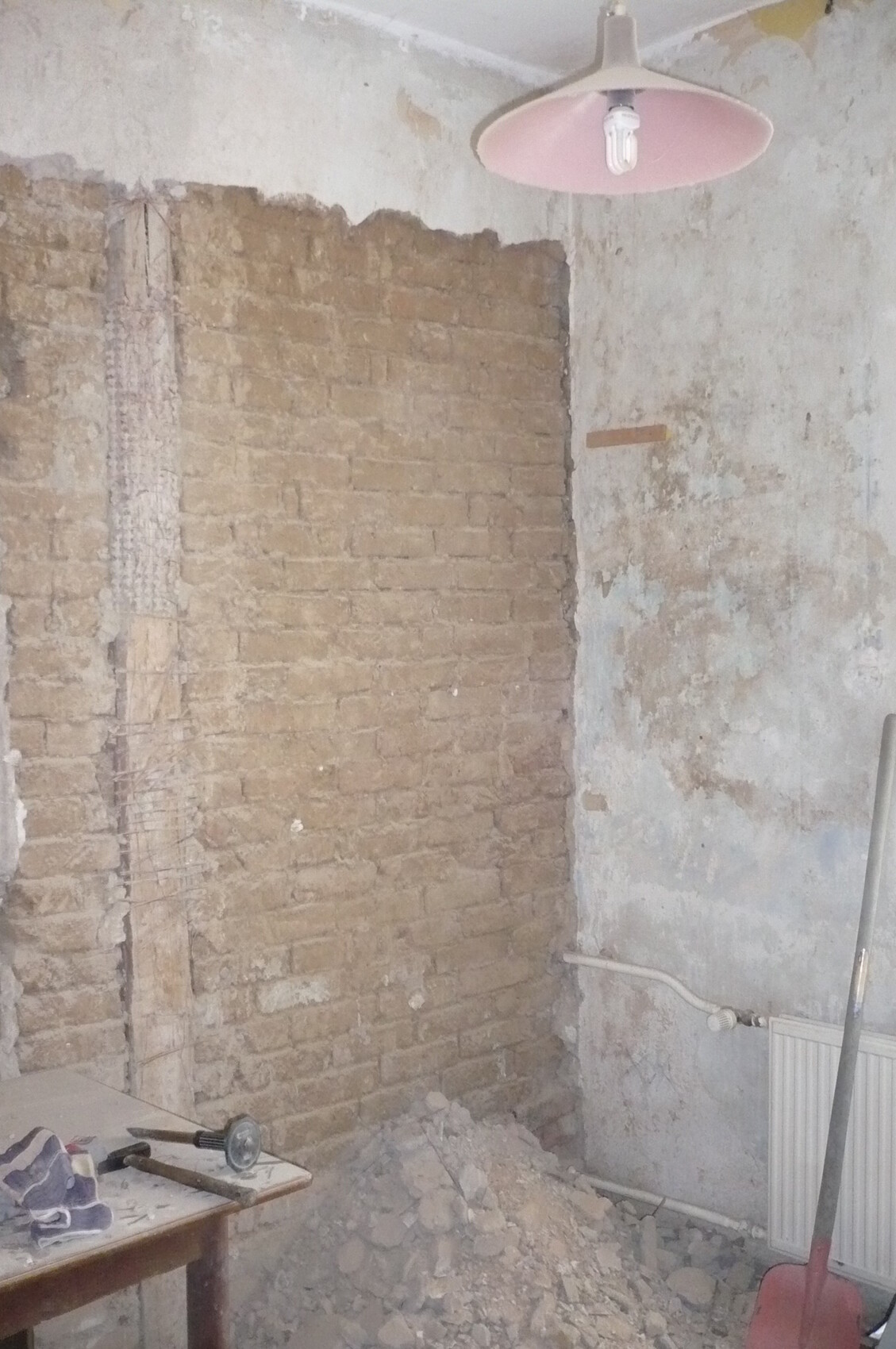
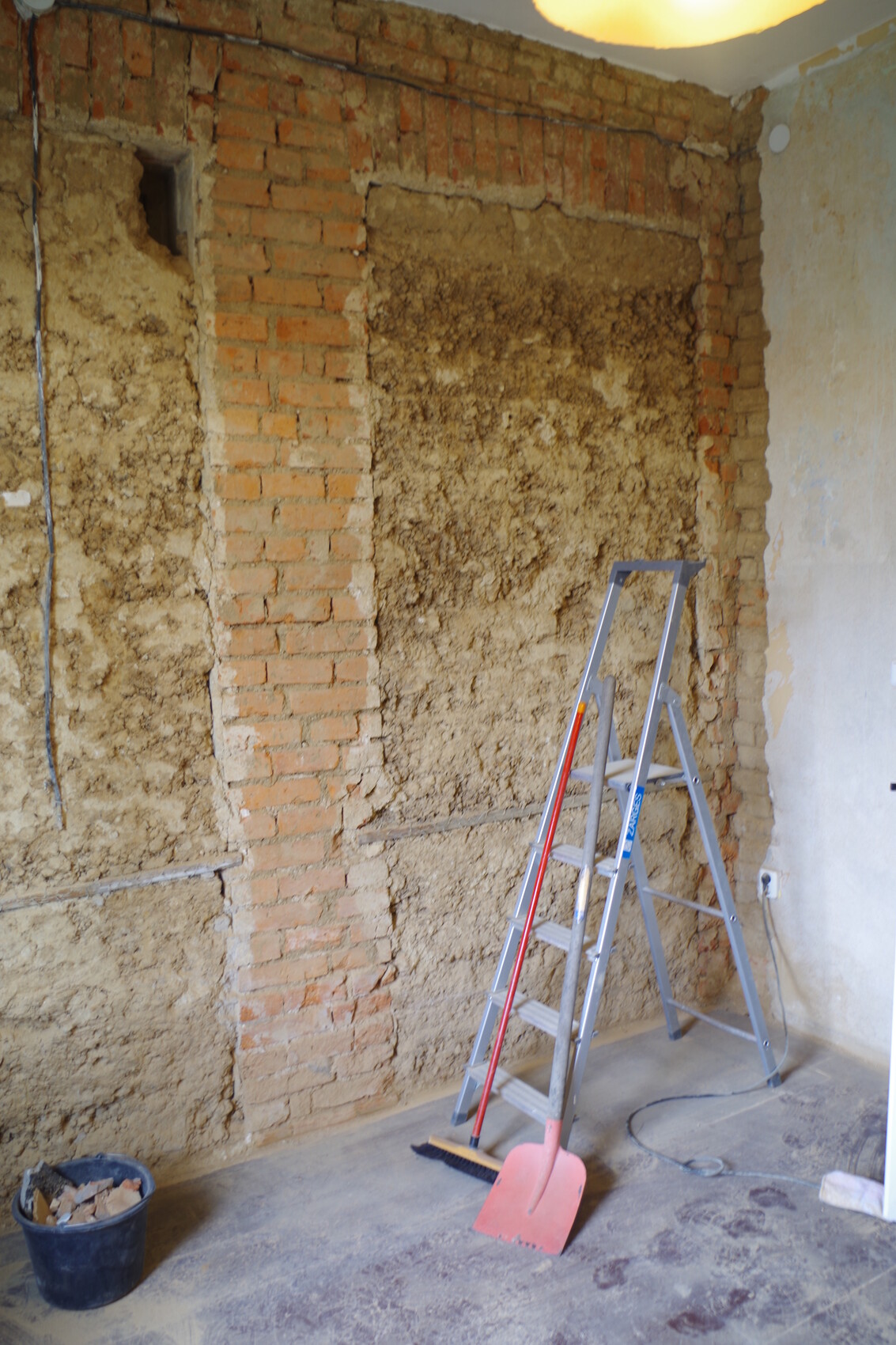
Here is one of our "small projects," the cube. The room is called that because it is almost exactly 3x3x3m (10x10x10 ft) in size.
The problem: for some reason, the outside corner of this room seems to be the coldest, and therefore the dampest, corner of the house. Consequently, the clay plaster had come loose there, and a previous owner patched the missing plaster with cement mortar, creating a perfect breeding ground for mold. Despite regular ventilation, moisture always remained on the surface, which then caused mold growth.
The first, somewhat naive plan was to remove the concrete, patch it with Klimasan renovation plaster, and be done with it.
Fortunately, we consulted a clay plaster specialist friend, who said: you really need to expose the entire wall, and the opposite one won’t hold up much longer either.
That was, of course, not what we wanted to hear, but I then exposed the wall and the opposite one in a layering process.
R
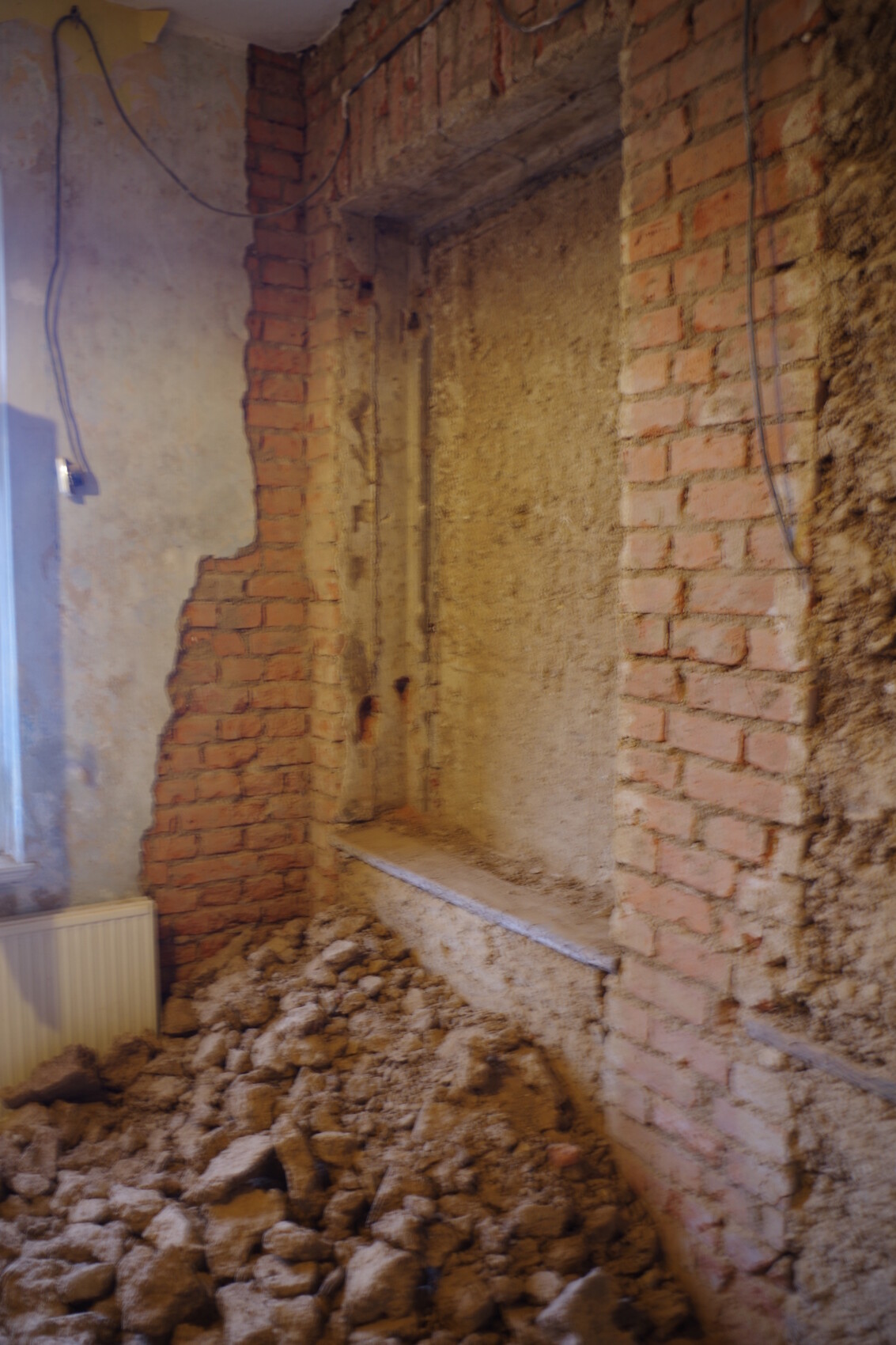
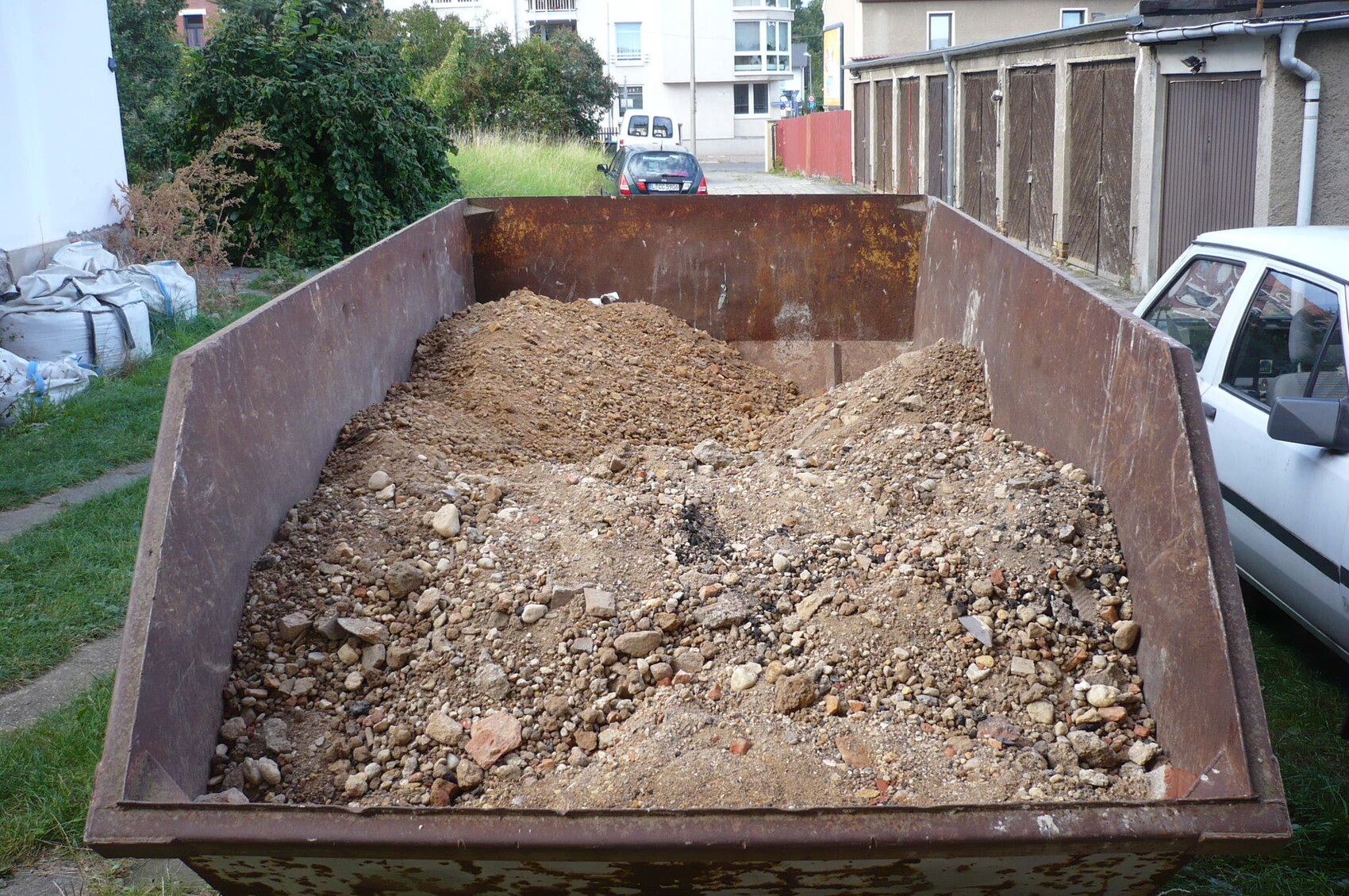
Reudnitzer10 Dec 2019 11:11And then the two boarded-up windows appeared. The husband wasn’t at all pleased and wanted to seal up the mess again right away, but a call to the carpenter settled the matter: since he was already building windows, he could simply make one for us. So, more dirt was made, more debris was carried out bucket by bucket through the window to the container, and more serious muscle soreness was suffered. But then the clay builder took over, and at least when it came to the Cubes project, we could finally sit back for a while.

R
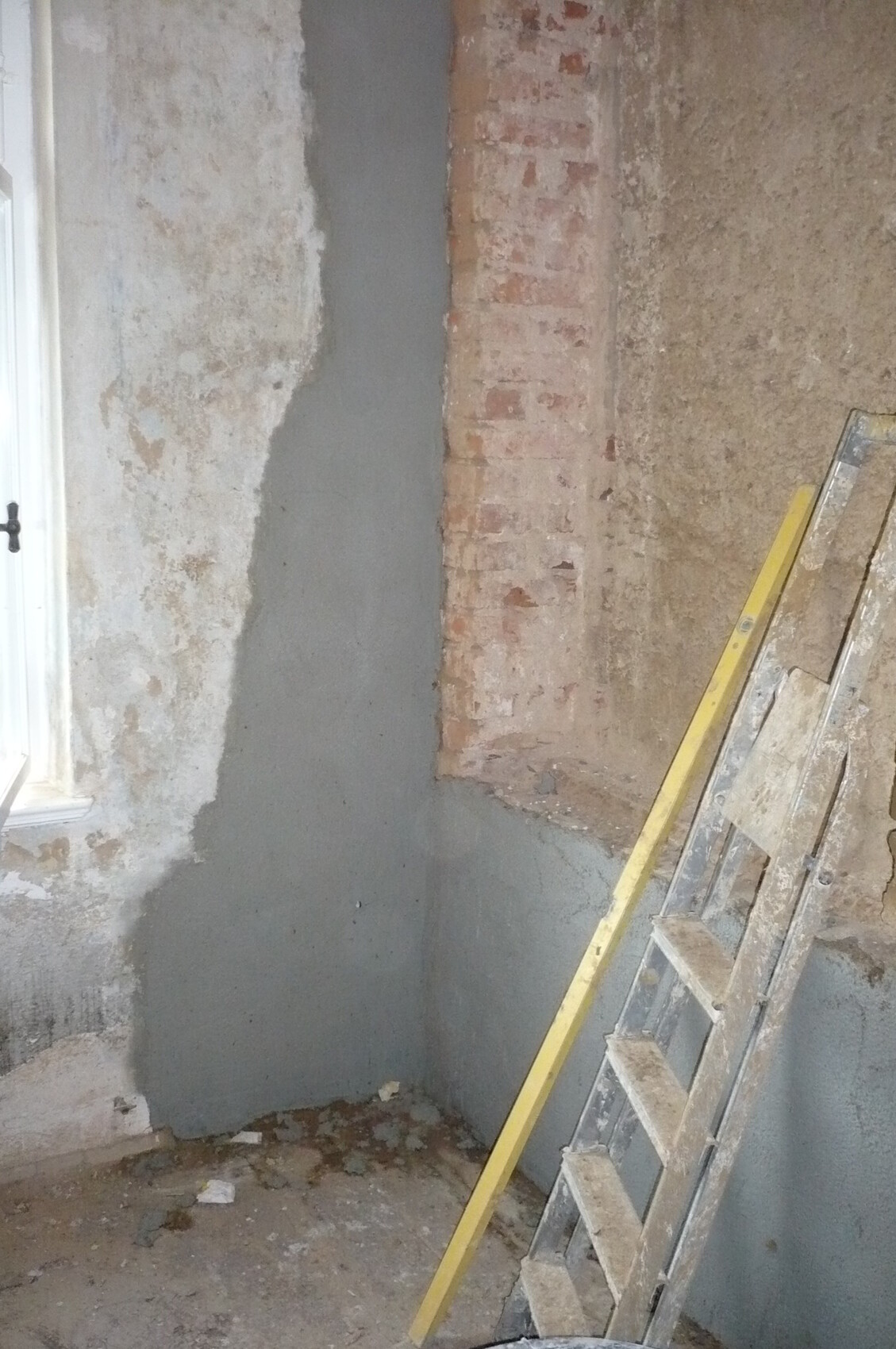
Reudnitzer10 Dec 2019 12:33Just a quick note on the work of the clay builder: I could never have done it that well myself.

R
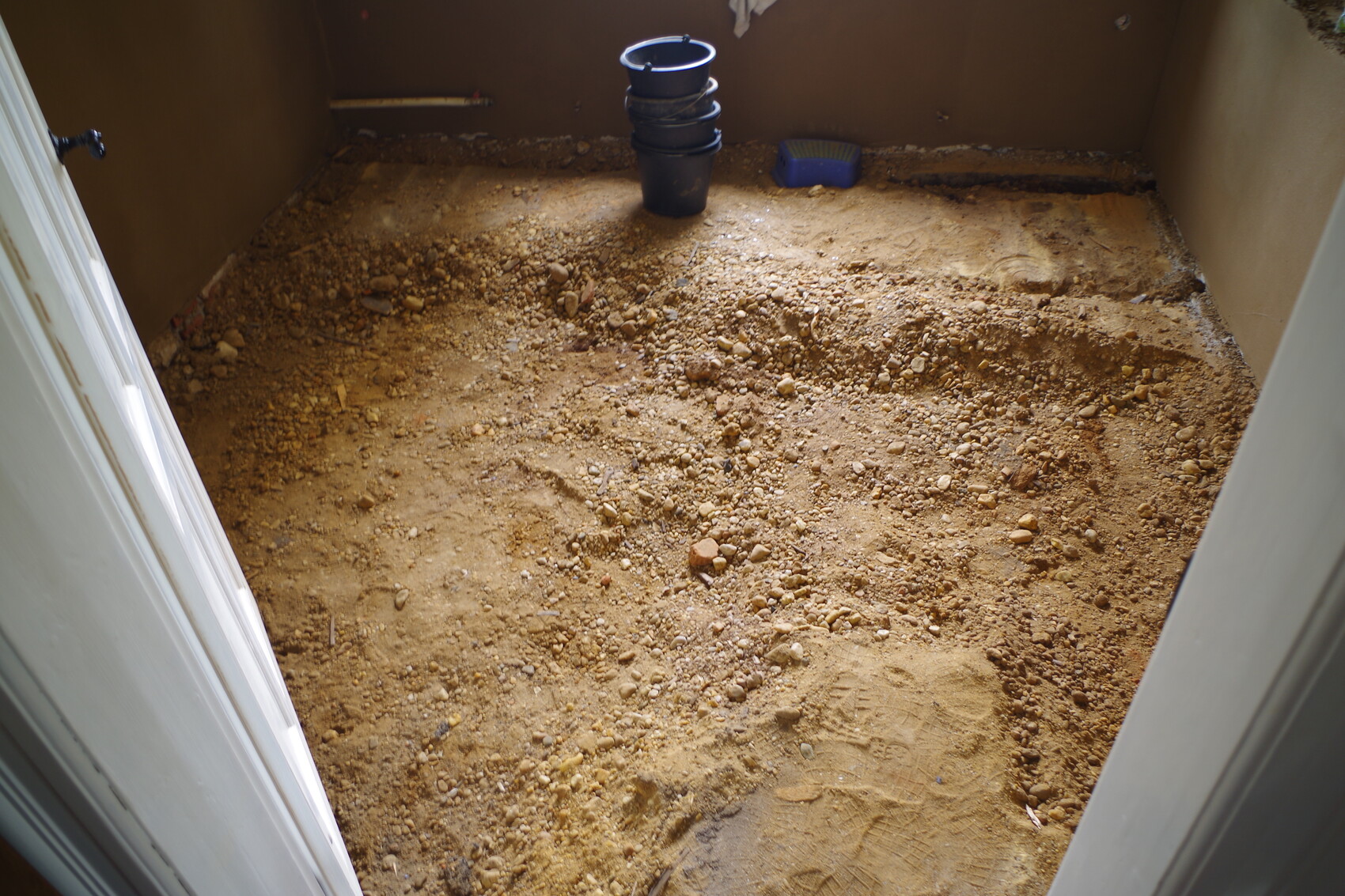
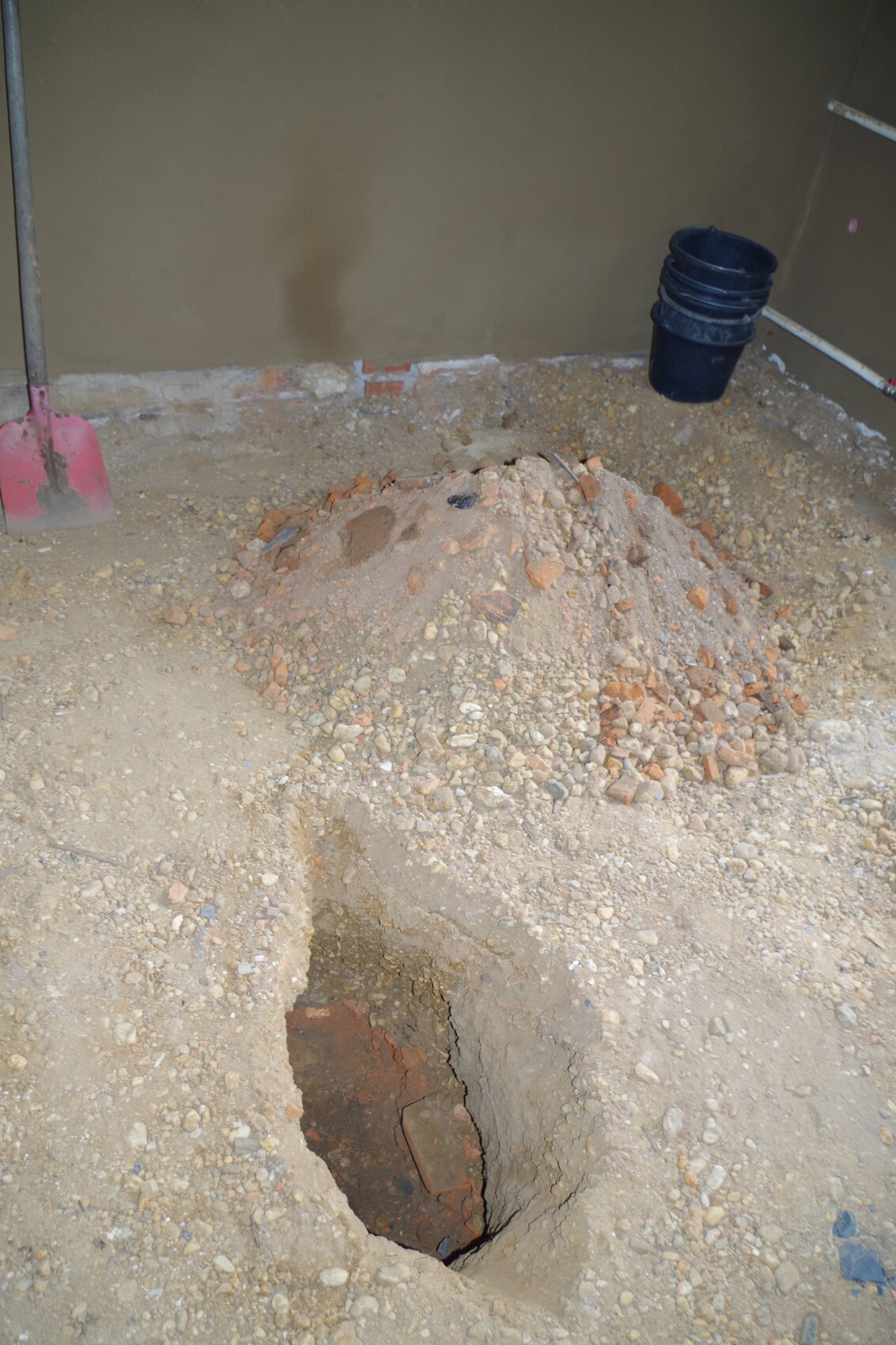
Reudnitzer10 Dec 2019 13:17After we had mentally, physically, and morally recovered from the clay-intensive phase, we moved on to the flooring. The construction phase we called “sandbox” began (the dog loved digging here). The joists were barely salvageable, so more drastic measures were necessary. This meant shoveling again and carrying the material out through the window in buckets. We excavated about 30cm (12 inches). A test borehole down to one meter (3.3 feet) revealed that beneath there was neither a secret cellar nor the Amber Room, but just “historic” construction debris, so we left it at that.

Similar topics