
N
NeuerUser9 Sep 2025 10:37Hello,
my family and I are considering renovating our roof ourselves. We are currently looking for a master roofer who can assist us with their expertise, especially with sealing the roof windows and chimneys. We might have already found someone. However, this should not be the main topic here. This is more about getting a second opinion.
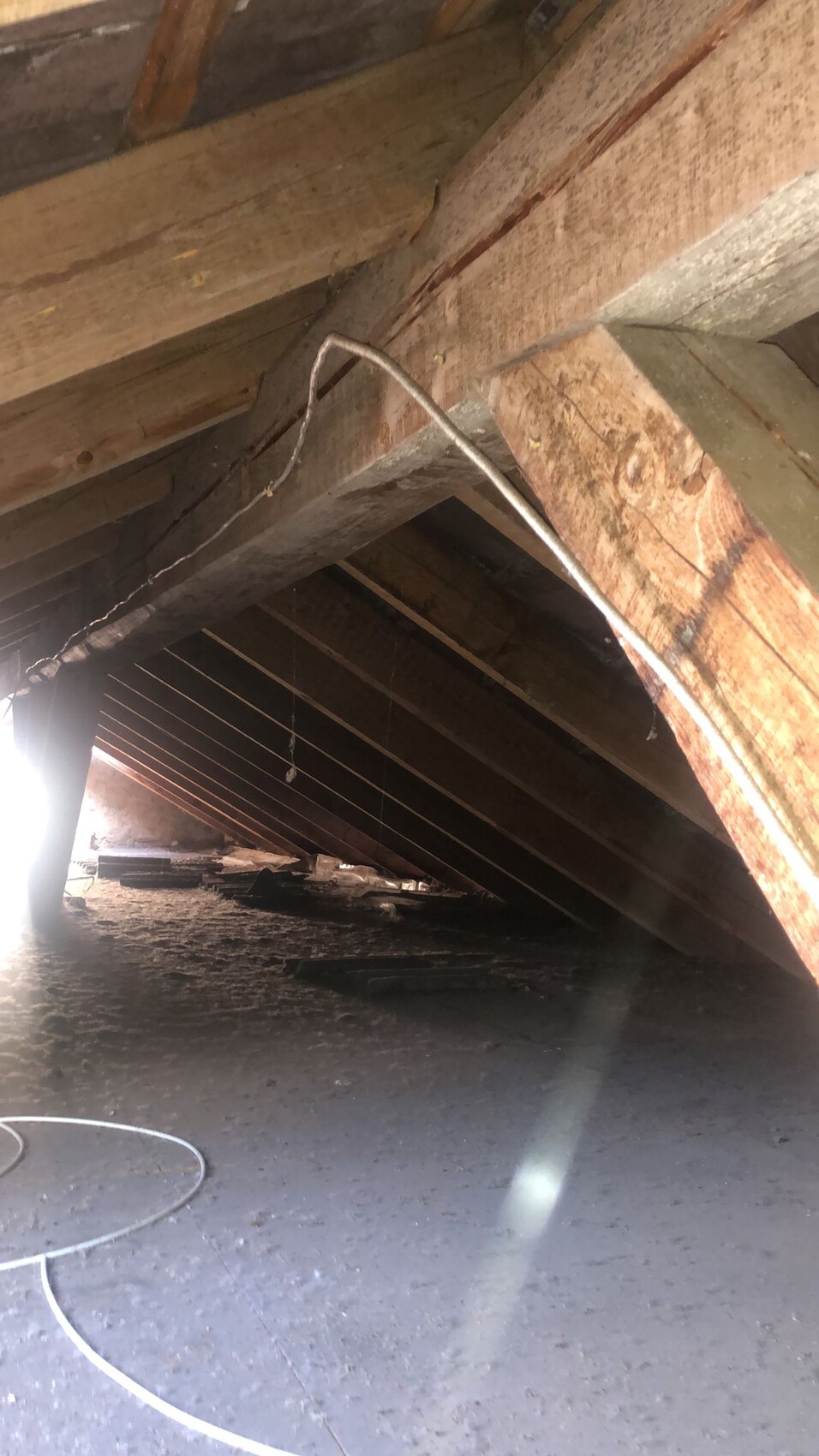
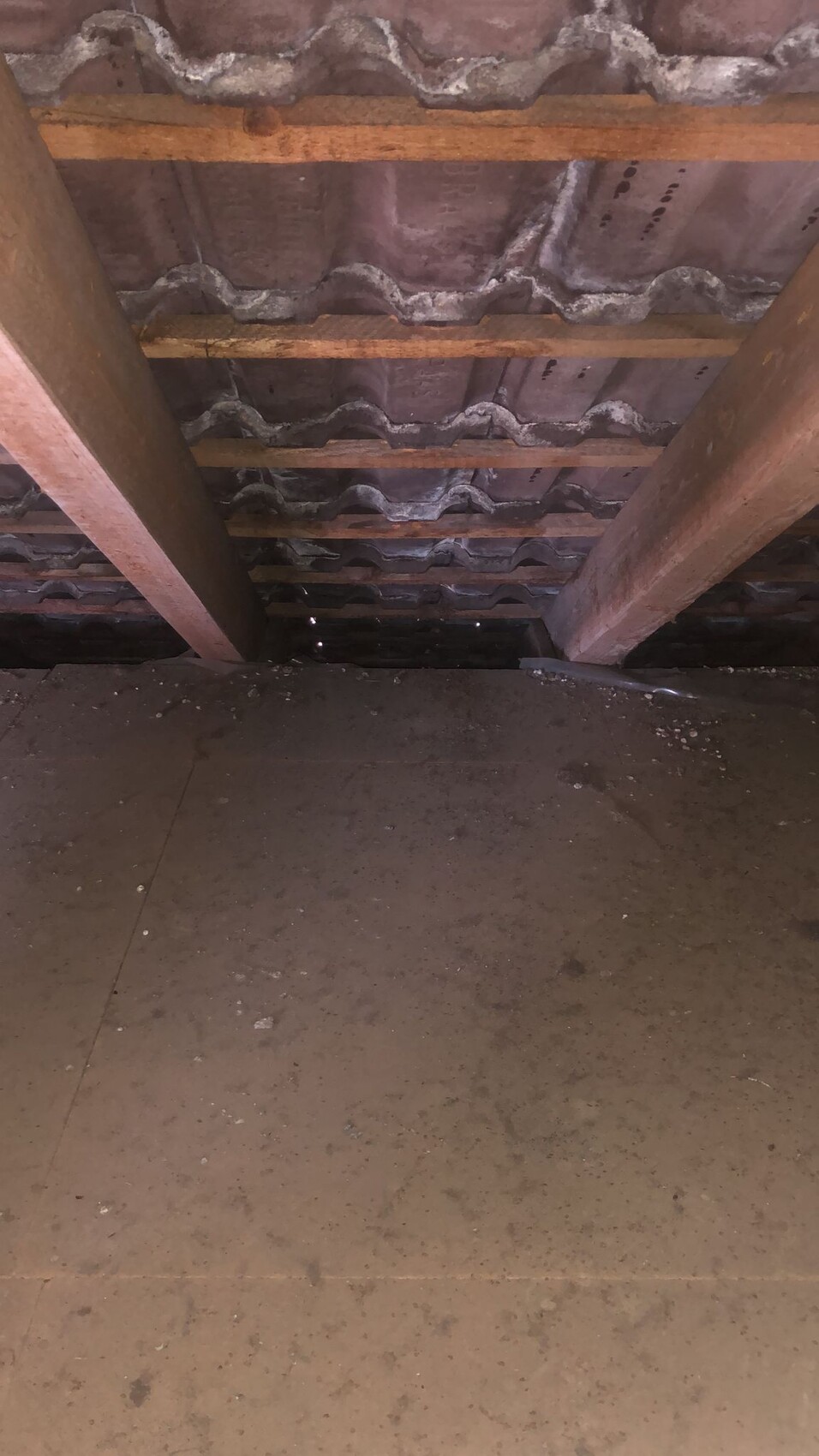
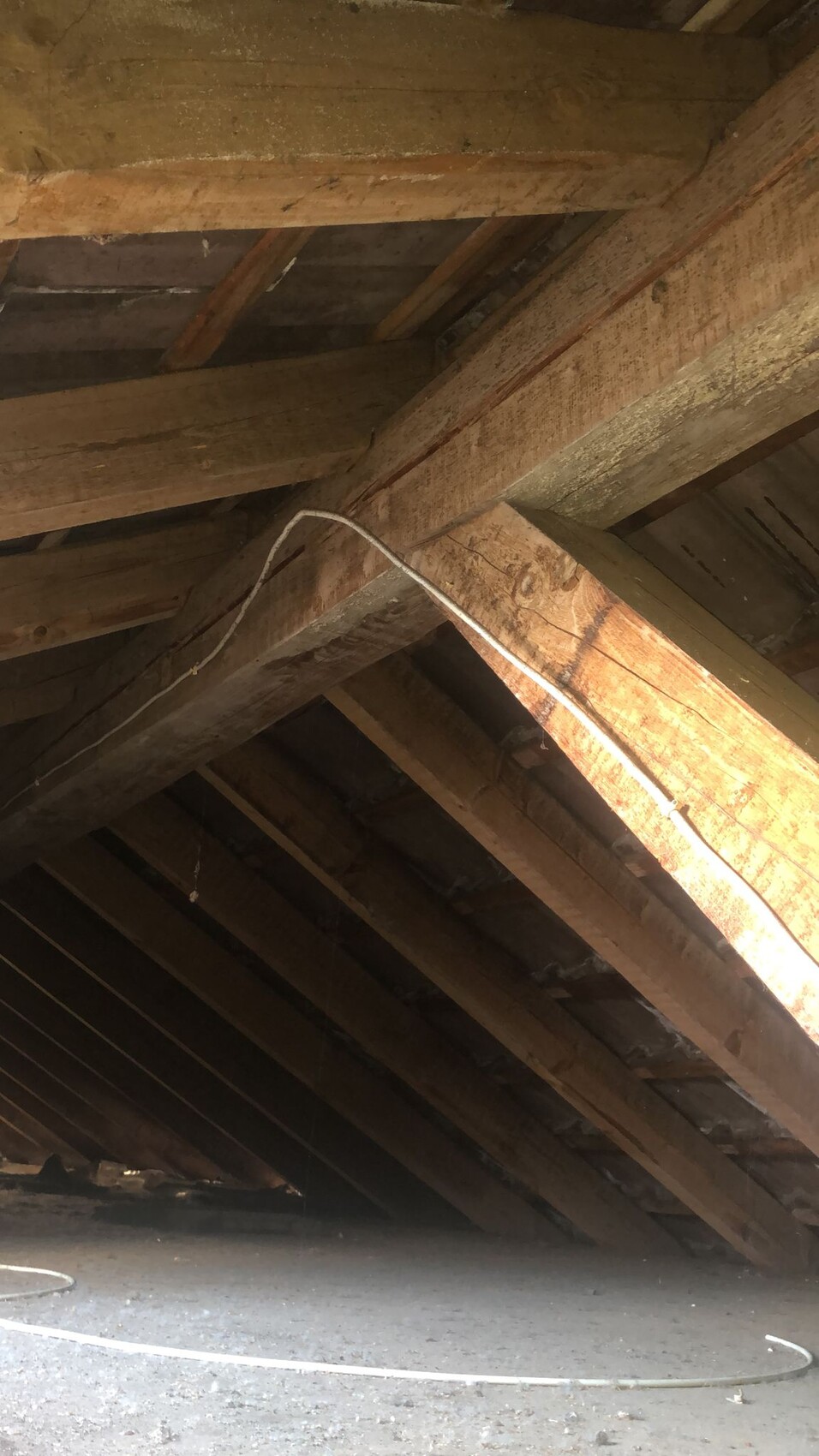
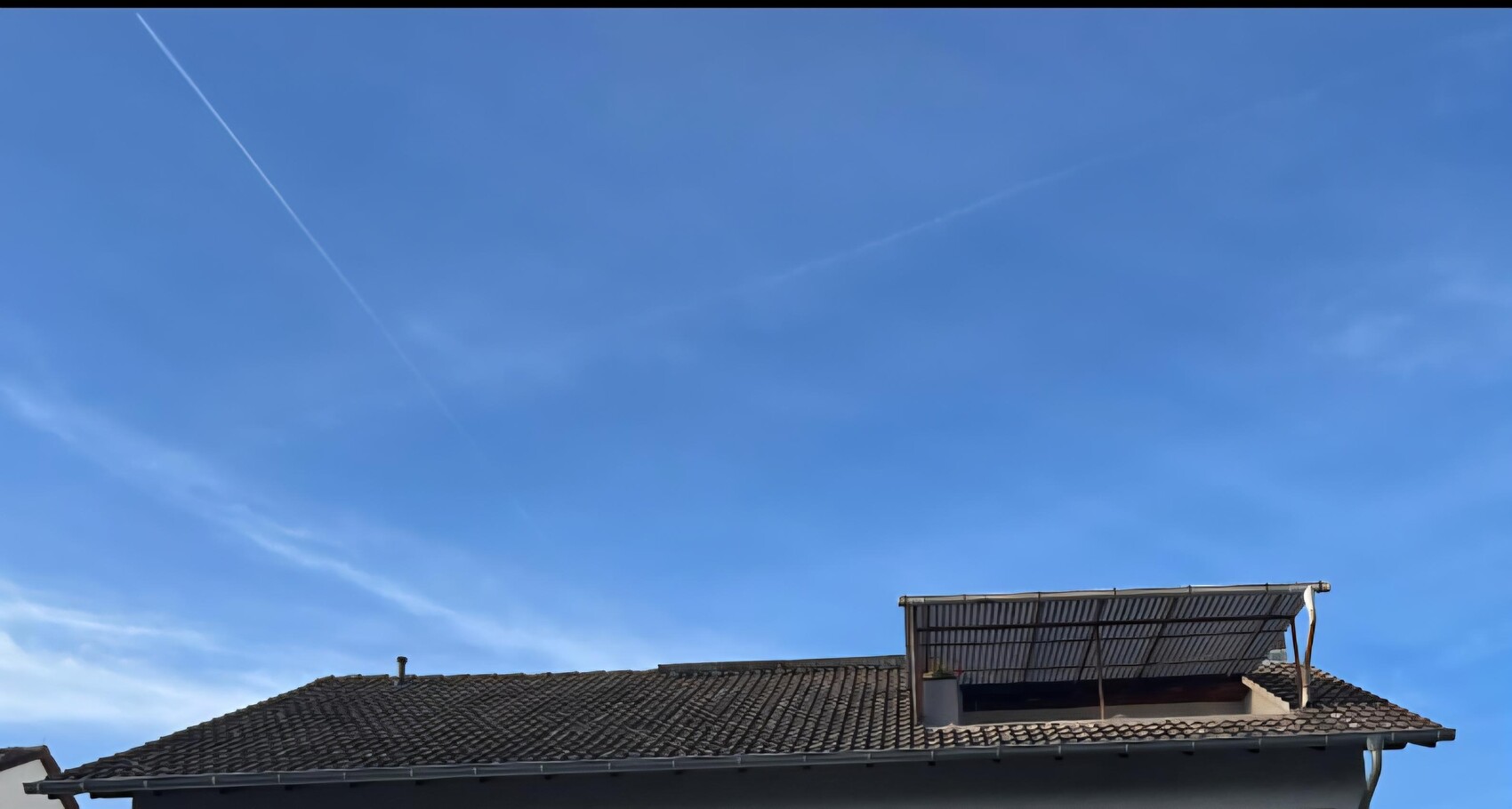
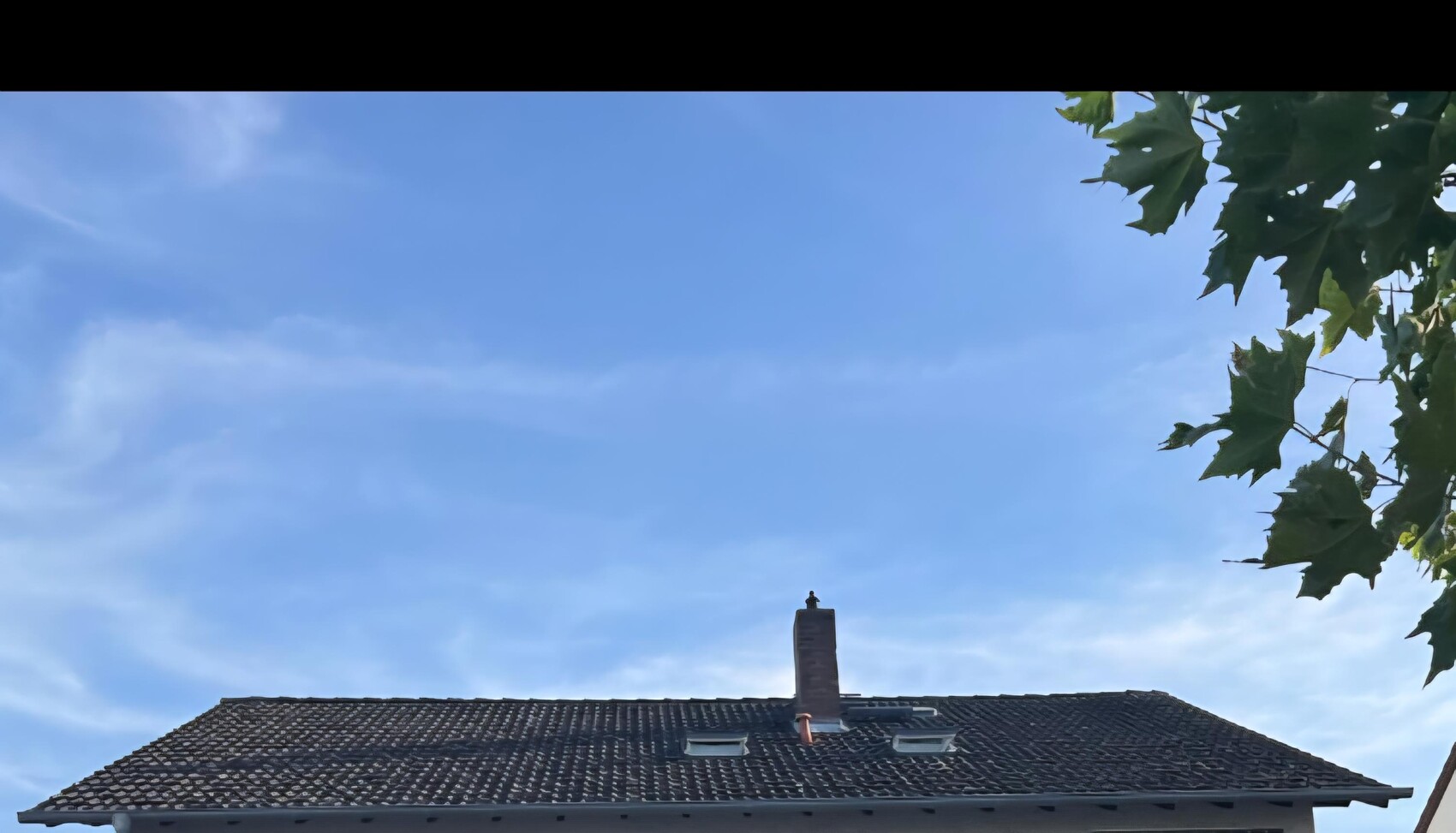
I have attached some pictures.
Due to the current construction and my research so far, only a combination of insulated roofing (insulation above the rafters) and insulation between the rafters is an option. We prefer not to completely rebuild the attic apartment. We are aware that the windows will need to be raised.
I am mainly interested in your recommendations regarding materials — whether for the insulation between the rafters or the insulated roofing above the rafters. Also, which type of vapor retarder would be best to use. To be honest, eco-friendly materials are not a priority for me, as initial research shows that although they fulfill their purpose, they tend to be quite expensive. Other materials are reportedly just as effective and more affordable. Also, advice on which wood wool lightweight board to use, etc.
Additionally, I would like to know which installation method you would recommend for the vapor retarder. Would you suggest placing the vapor retarder between the individual roof rafters (12 to 14 cm (5 to 6 inches) wide) and fastening it with small battens? How should the vapor retarder best be installed in the area of the gutter to prevent moisture accumulation? We were thinking of carefully cutting, adhering, and nailing or stapling it there.
The roof terrace / balcony will also be renovated. Oh, and later a photovoltaic system will be installed on the side of the balcony.
Thanks in advance for your feedback, if any come at all 😀
my family and I are considering renovating our roof ourselves. We are currently looking for a master roofer who can assist us with their expertise, especially with sealing the roof windows and chimneys. We might have already found someone. However, this should not be the main topic here. This is more about getting a second opinion.
I have attached some pictures.
Due to the current construction and my research so far, only a combination of insulated roofing (insulation above the rafters) and insulation between the rafters is an option. We prefer not to completely rebuild the attic apartment. We are aware that the windows will need to be raised.
I am mainly interested in your recommendations regarding materials — whether for the insulation between the rafters or the insulated roofing above the rafters. Also, which type of vapor retarder would be best to use. To be honest, eco-friendly materials are not a priority for me, as initial research shows that although they fulfill their purpose, they tend to be quite expensive. Other materials are reportedly just as effective and more affordable. Also, advice on which wood wool lightweight board to use, etc.
Additionally, I would like to know which installation method you would recommend for the vapor retarder. Would you suggest placing the vapor retarder between the individual roof rafters (12 to 14 cm (5 to 6 inches) wide) and fastening it with small battens? How should the vapor retarder best be installed in the area of the gutter to prevent moisture accumulation? We were thinking of carefully cutting, adhering, and nailing or stapling it there.
The roof terrace / balcony will also be renovated. Oh, and later a photovoltaic system will be installed on the side of the balcony.
Thanks in advance for your feedback, if any come at all 😀
N
nordanney9 Sep 2025 11:22To be honest? You seem to be a complete beginner.
So first,
talk to him once you’ve found him.
It gets really interesting in the inhabited attic. Installing the vapor barrier there without interfering with the existing ceiling cladding will be tricky – it needs to be on the interior (warm) side and, above all, properly connected so that warm air doesn’t leak into the insulation and cause moisture issues.
There aren’t any I wouldn’t recommend. Wood fiber has its advantages for summer heat protection. Is noise an issue for you?
Why?
P.S. The exterior photos reveal almost nothing.
So first,
NeuerUser schrieb:
Master roofer looking to share his expertise with us
talk to him once you’ve found him.
It gets really interesting in the inhabited attic. Installing the vapor barrier there without interfering with the existing ceiling cladding will be tricky – it needs to be on the interior (warm) side and, above all, properly connected so that warm air doesn’t leak into the insulation and cause moisture issues.
NeuerUser schrieb:
I’m mainly interested in materials you can recommend here.
There aren’t any I wouldn’t recommend. Wood fiber has its advantages for summer heat protection. Is noise an issue for you?
NeuerUser schrieb:
Due to the current construction method and my research so far, only a combination of on-rafter insulation and between-rafter insulation is an option.
Why?
P.S. The exterior photos reveal almost nothing.
N
NeuerUser9 Sep 2025 13:08Correct, which is why I have these questions and have watched all the videos and visited websites about roof construction, as well as consulted the master roofer.
For example, I watched videos by "ENERGIESPARKOMMISSAR." Most recently, the following videos from him: Roof Insulation – external / insulation between and above rafters / airtightness.
He explains the maximum insulation thickness for insulation between rafters and that a combination is usually the best option for older buildings, so the roof does not have to be completely rebuilt. Since the attic is not used anyway, less insulation is needed in the insulation above the rafters.
The vapor barrier could be installed like in the attachment. But here, I’m more interested in exploring all the possibilities to make sure the master roofer isn’t giving us misleading information.

For example, I watched videos by "ENERGIESPARKOMMISSAR." Most recently, the following videos from him: Roof Insulation – external / insulation between and above rafters / airtightness.
He explains the maximum insulation thickness for insulation between rafters and that a combination is usually the best option for older buildings, so the roof does not have to be completely rebuilt. Since the attic is not used anyway, less insulation is needed in the insulation above the rafters.
The vapor barrier could be installed like in the attachment. But here, I’m more interested in exploring all the possibilities to make sure the master roofer isn’t giving us misleading information.
A
ajokr202511 Sep 2025 08:35What are the dimensions of the roof rafters?
If you plan to install heavy insulation materials made of wood fibers between and above the rafters, the load capacity might be exceeded, especially if photovoltaic modules are also going to be mounted later.
It’s better to first check the structural calculations of the roof rafters or consult a structural engineer.
What are the temperatures like in the finished attic space on hot summer days? Mineral wool or expanded polystyrene (EPS) insulation tend to be less effective over time for this purpose, and using wood fiber insulation might cause the structural issues mentioned above. In that case, a ductless mini-split air conditioning unit on the balcony is a better solution, especially if you have your own photovoltaic system.
If you plan to install heavy insulation materials made of wood fibers between and above the rafters, the load capacity might be exceeded, especially if photovoltaic modules are also going to be mounted later.
It’s better to first check the structural calculations of the roof rafters or consult a structural engineer.
What are the temperatures like in the finished attic space on hot summer days? Mineral wool or expanded polystyrene (EPS) insulation tend to be less effective over time for this purpose, and using wood fiber insulation might cause the structural issues mentioned above. In that case, a ductless mini-split air conditioning unit on the balcony is a better solution, especially if you have your own photovoltaic system.
N
NeuerUser15 Sep 2025 00:35ajokr2025 schrieb:
What are the dimensions of the roof rafters?
If you add heavy insulation between and above the rafters made of wood fibers, the load capacity might be exceeded, especially if photovoltaic modules are also planned to be installed later.
So it’s better to first check the structural calculations for the rafters or consult a structural engineer.
How are the temperatures in the finished attic space on hot summer days?
Mineral wool or polystyrene won’t help much over time, and with wood fiber insulation you might face the structural issues mentioned above.
In that case, a split air conditioning unit on the balcony would be a better solution, especially combined with your own photovoltaic system.I hadn’t thought of that idea at all.
In the long run, a complete "roof tile renovation" including photovoltaic panels and air conditioning might be more economical than roof insulation.
Coincidentally, my friend can install air conditioning units very cheaply.
Similar topics