
Hello everyone,
We are now in the fortunate/unfortunate position of inheriting my parents’ house from 1988/89. Most likely, my parents will move into a rental apartment around December, and then we can start renovation and remodeling work. Overall, the house is in good condition, and we will soon receive a brief report needed for the payout among the siblings.
As usual, you start small and then it grows.
The bathrooms are about 5 years old, so nothing will be done there. The gas heating system is from 2013, I believe, and will be sufficient for now.
What is set in stone:
1) Remove the complete flooring on the ground floor and first floor and install underfloor heating. We want to install a wood-burning stove with a heat exchanger in the living room, possibly water-cooled. At a minimum, we will lay the water pipes when breaking up the floor, so it can be retrofitted later if needed.
Manifold 1 will be placed in the hallway behind the front door, and manifold 2 upstairs in the hallway between the children’s rooms.
1.1) Hallway, kitchen, storage room: I can get tiles at a reasonable price through an acquaintance, including tile installation.
1.2) Living room: Parquet flooring, still to be selected.
1.3) Upper floor: Probably cork flooring.
1.4) In the course of this, I also want to install a proper network cabling. Two network outlets in each children’s bedroom plus one for an access point, 2 x 2 ports in the living room, and four ports in the basement. The basement will include the future home office.
2) If structurally feasible, a wall opening will be created between the kitchen and living room. The maximum width will be determined by the structural engineer and will be around 1.5-2 meters (approximately 5-6.5 feet), not 3 meters (about 10 feet) as shown in the plan.
3) All doors and frames will be replaced. Possibly a sliding door will be installed from the entrance hall to the kitchen.
5) Painting.
6) New carpet in the basement.
Where I am still working and uncertain about the scope of work (and will need your advice):
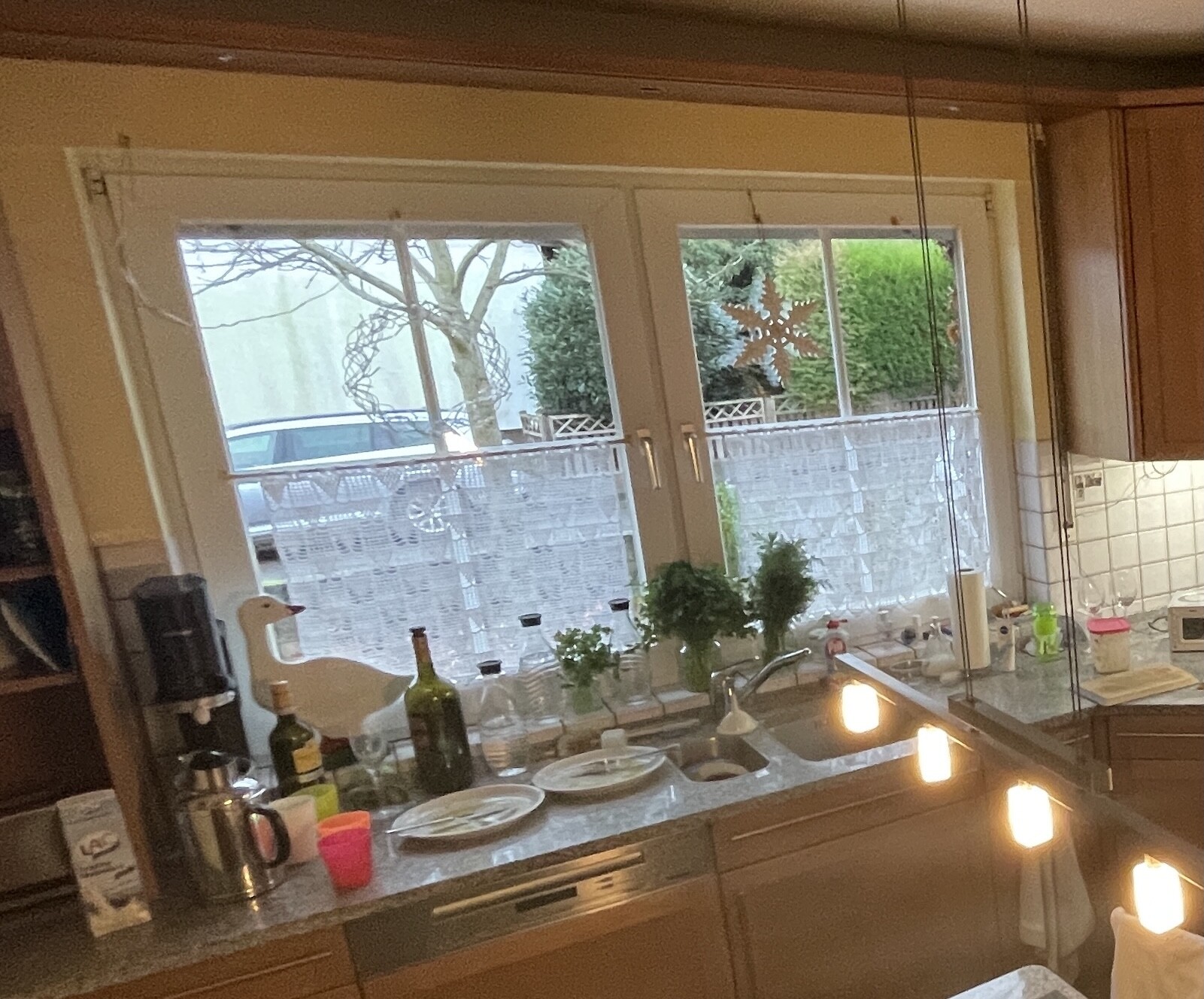
7) All windows will be replaced. They are original from 1988 with double-glazed PVC frames. All have a Helima muntin bar, if I remember correctly. We don’t like them and want new ones. What exactly should I pay attention to in order to keep the effort and disturbance as low as possible? Basically, we don’t want extensive chipping work on the masonry. No additional or new wall insulation is planned. Keyword here: mold prevention.
I don’t have a better picture at hand right now, but I will provide detailed photos later.
8) The front door will also be replaced at the same time. Same considerations as point 7. I cannot estimate the extent of the work.
9) The electrical distribution cabinet probably needs work as well, as it is still from 1988.
Nice to have:
10) New staircase, if the costs are not too high.
11) Drywall partition in the basement/stairwell due to “cold drafts” going up (according to my wife).
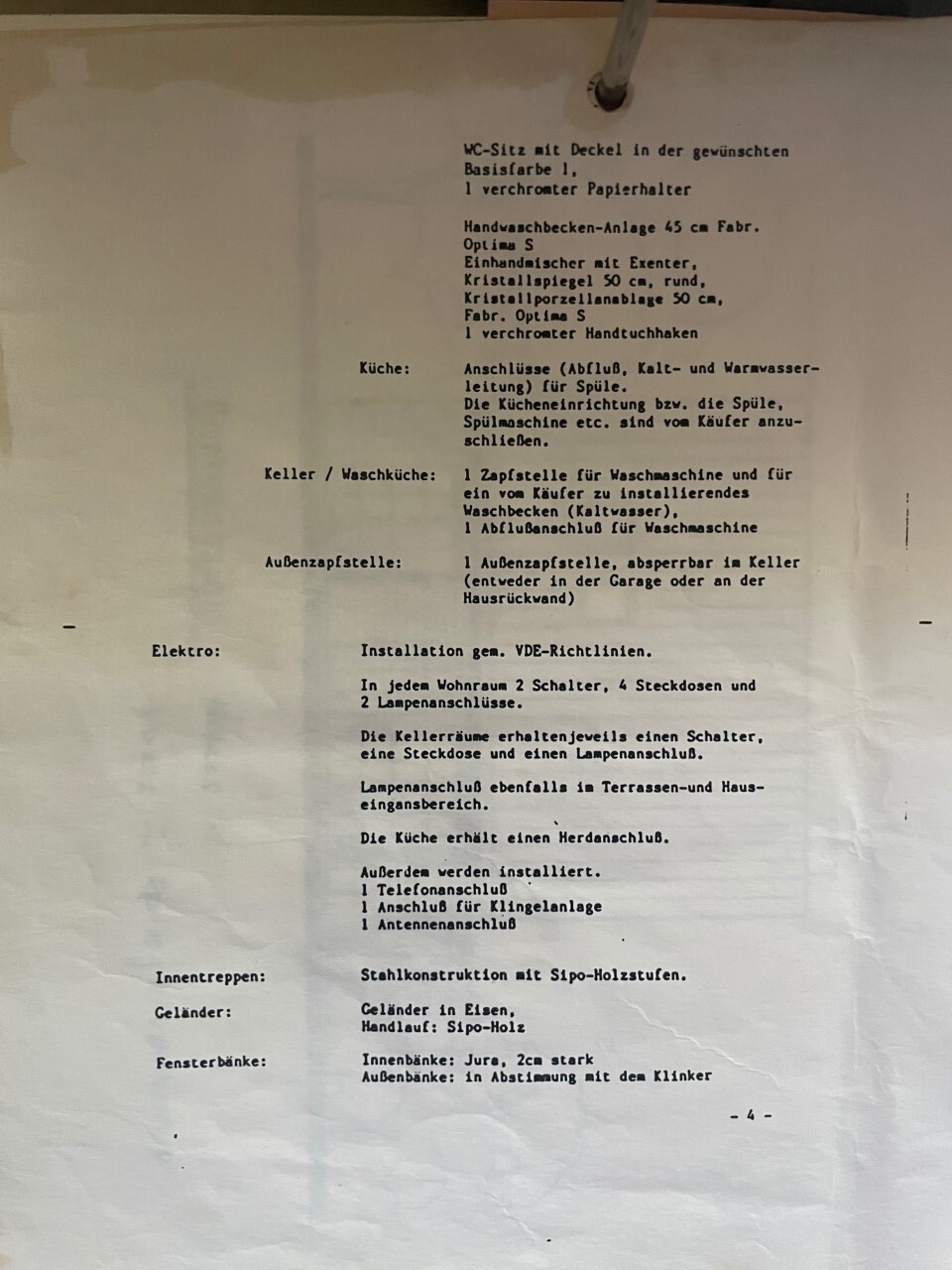
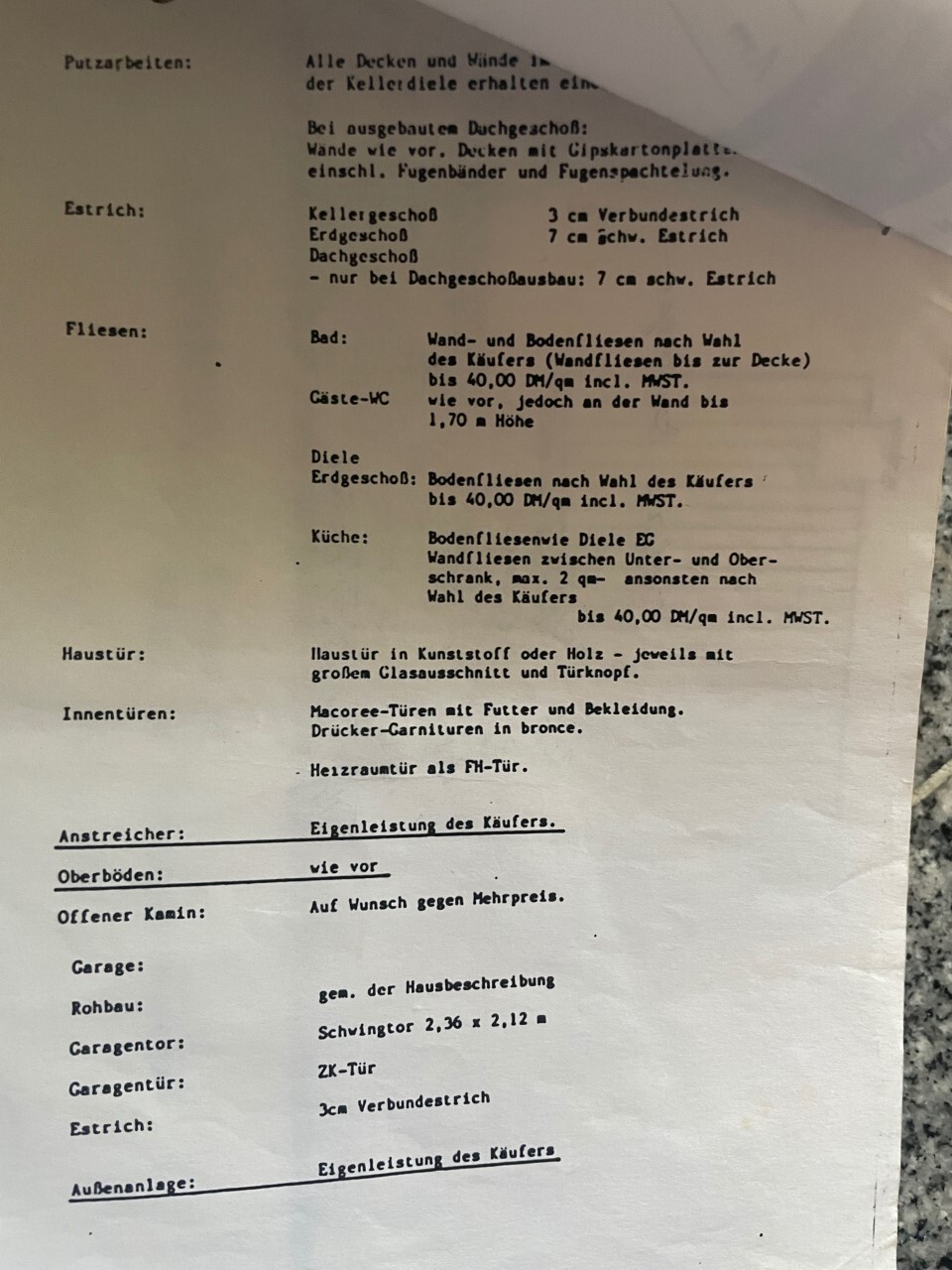
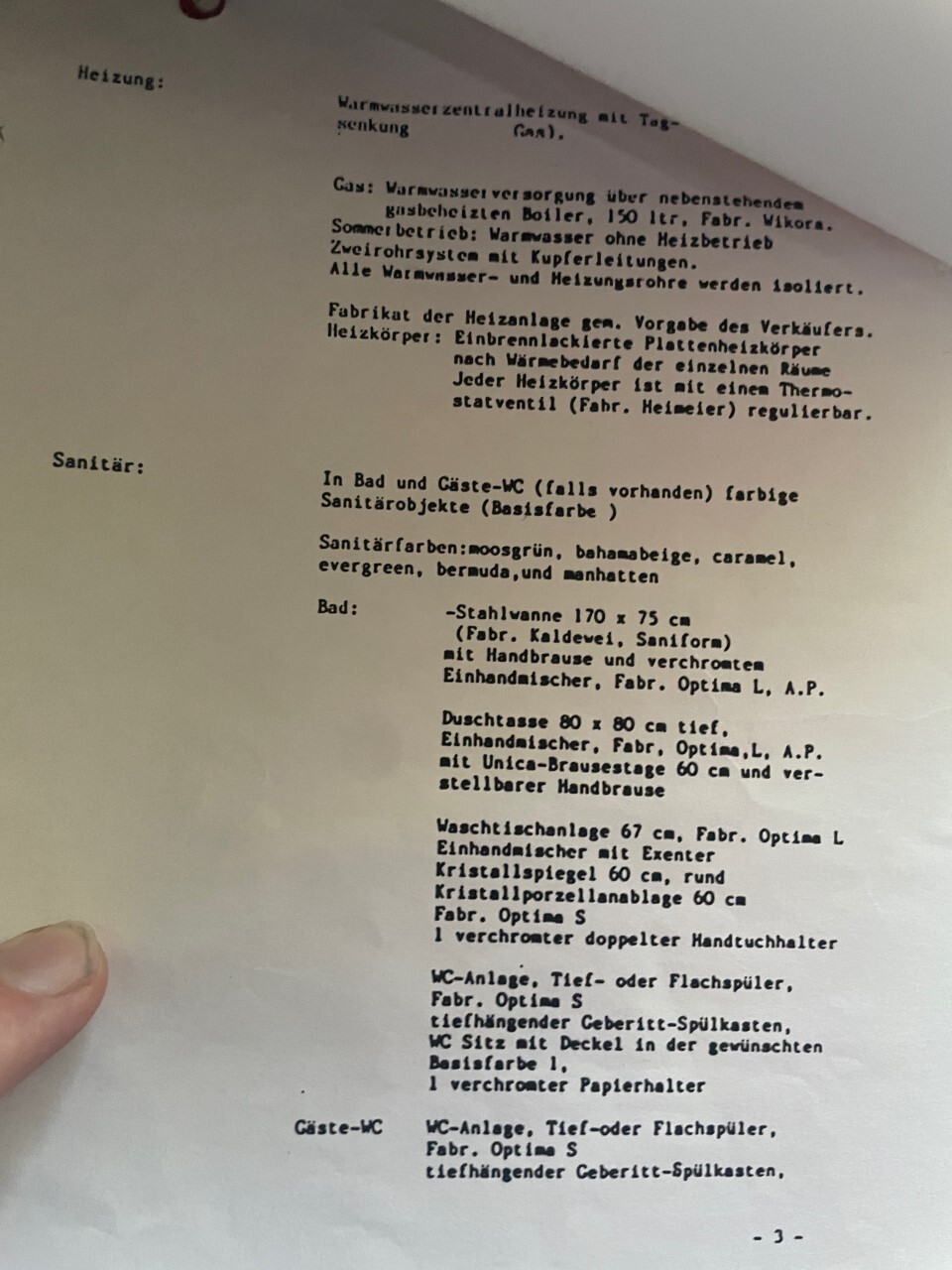
I have attached the plans and the project description.
Thank you very much and have a great day.

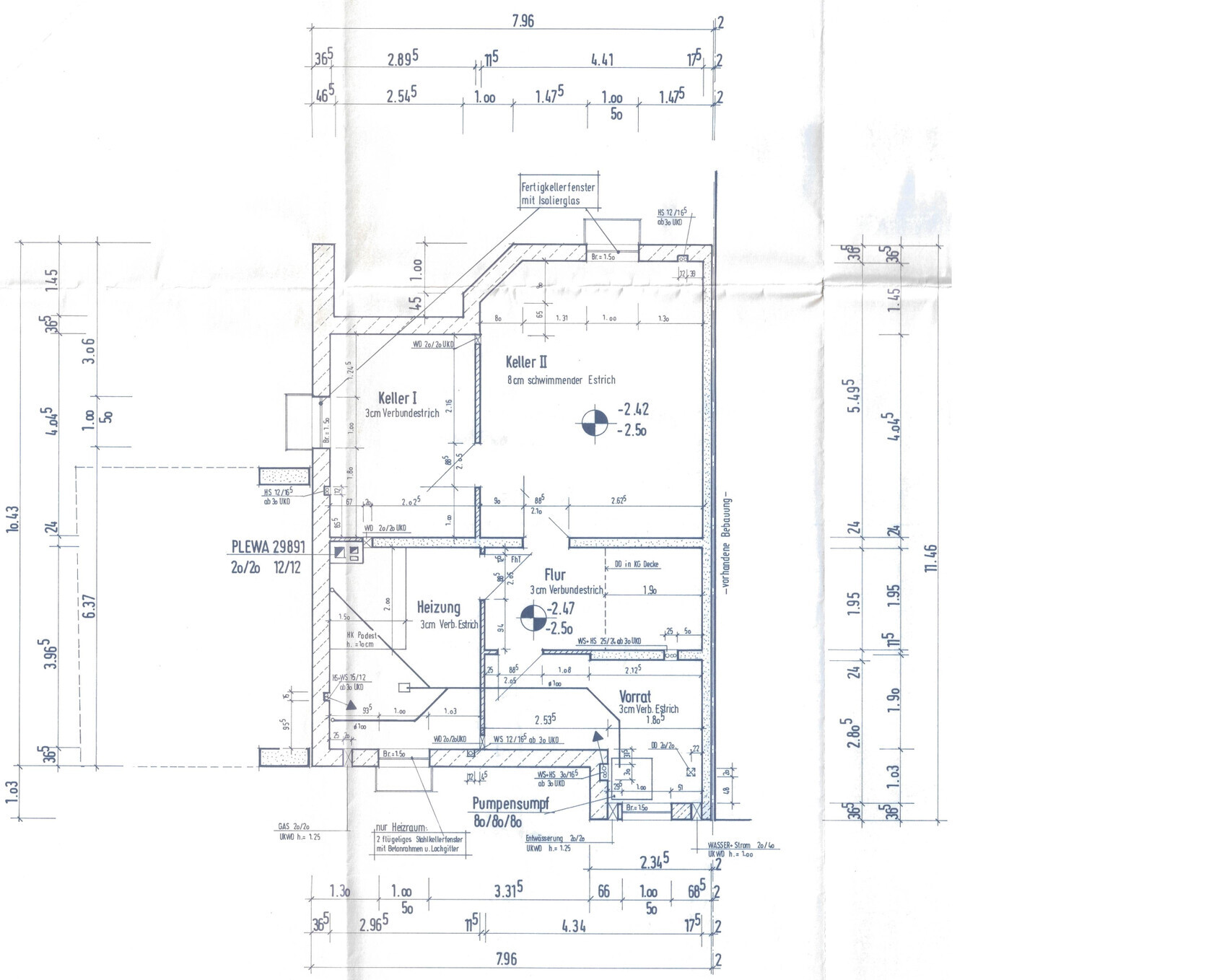
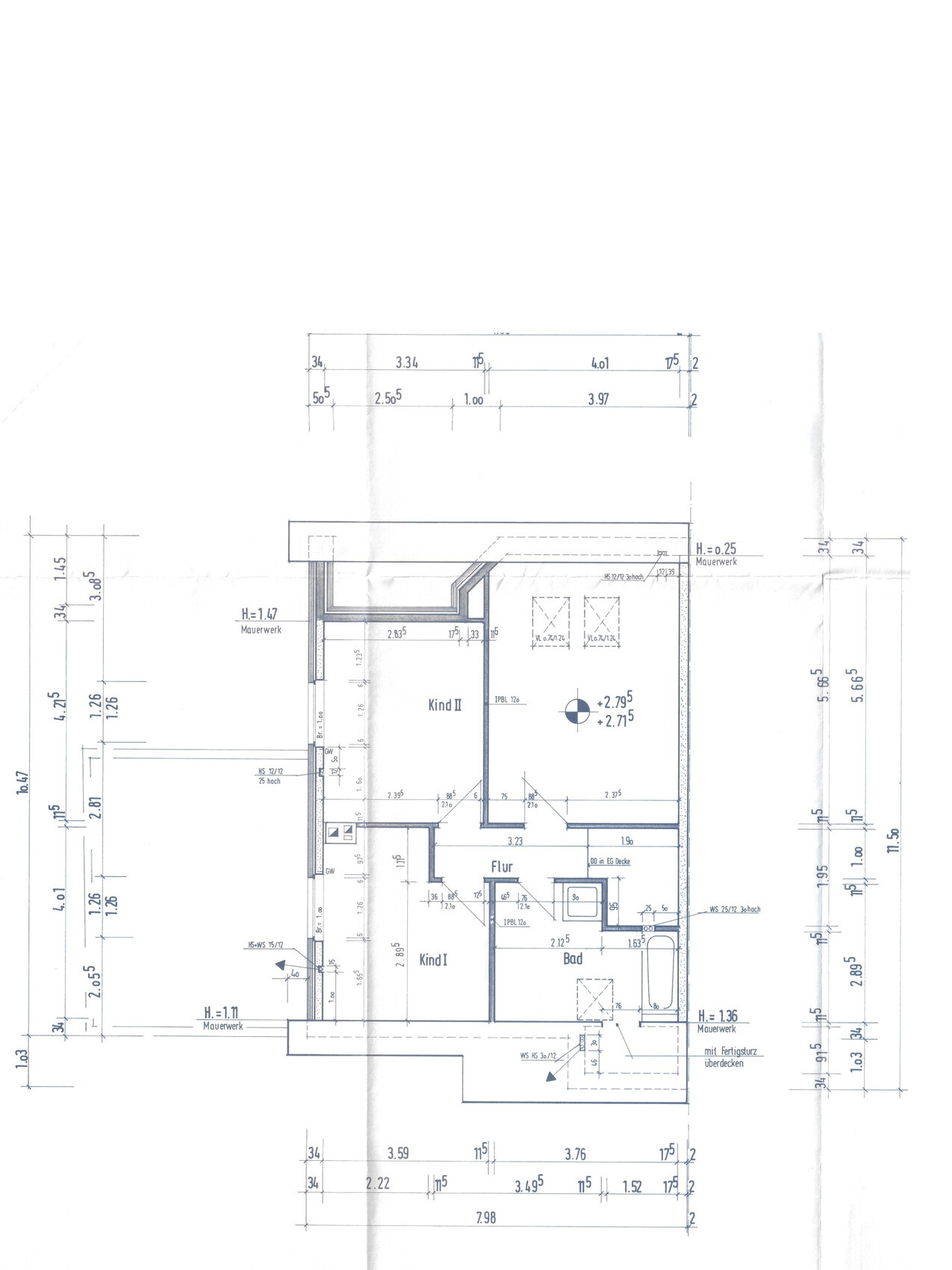
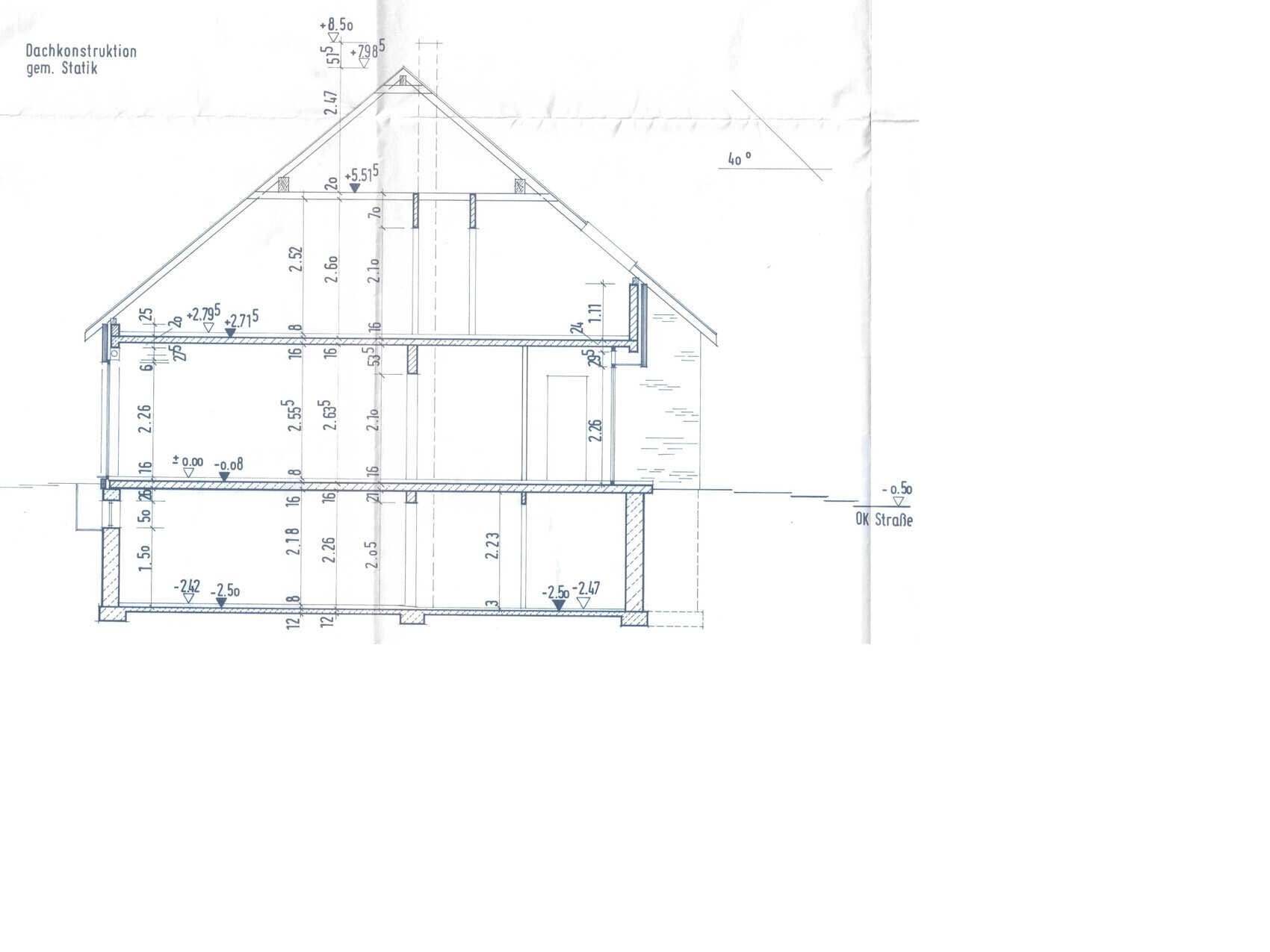
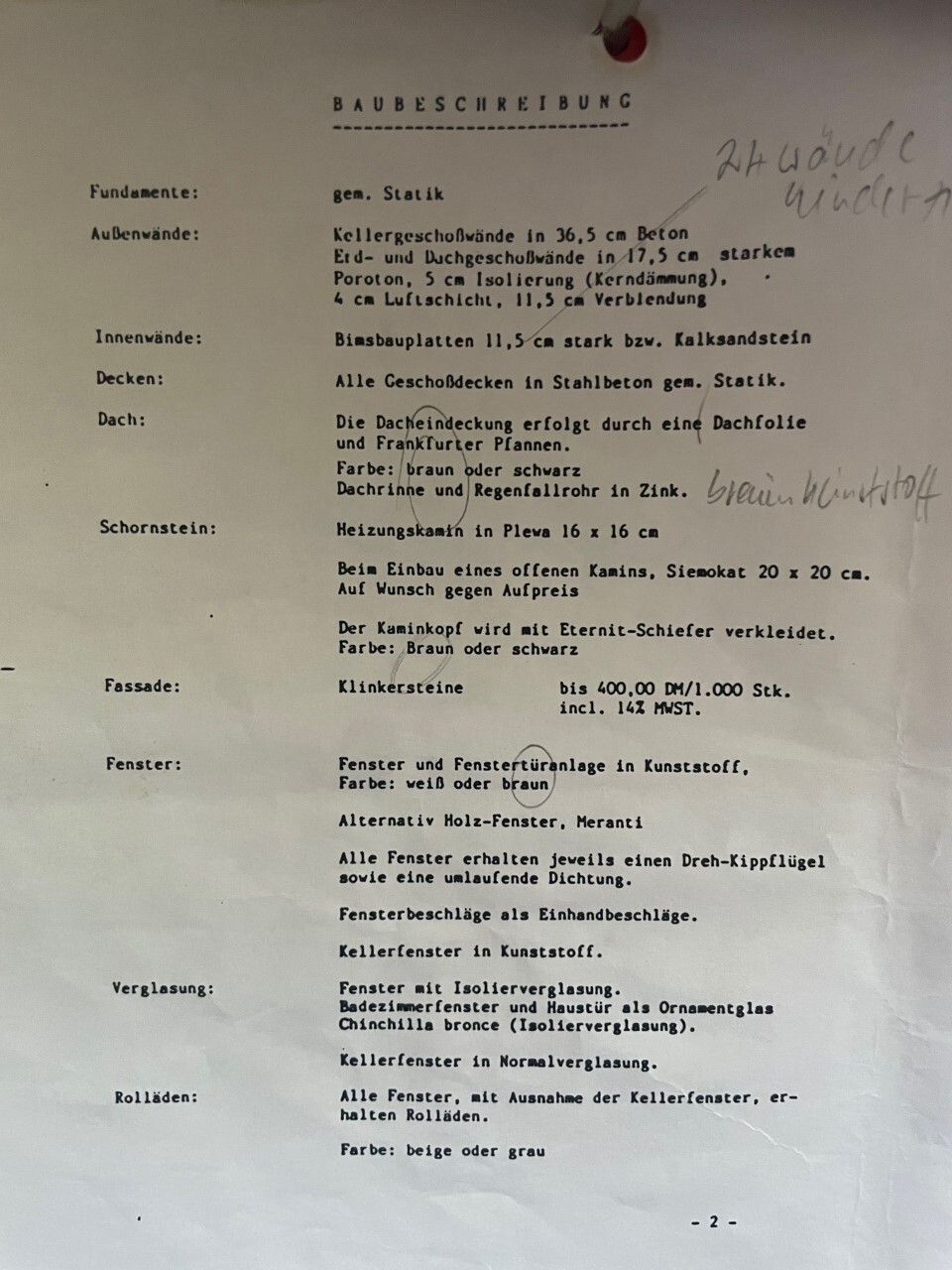
We are now in the fortunate/unfortunate position of inheriting my parents’ house from 1988/89. Most likely, my parents will move into a rental apartment around December, and then we can start renovation and remodeling work. Overall, the house is in good condition, and we will soon receive a brief report needed for the payout among the siblings.
As usual, you start small and then it grows.
The bathrooms are about 5 years old, so nothing will be done there. The gas heating system is from 2013, I believe, and will be sufficient for now.
What is set in stone:
1) Remove the complete flooring on the ground floor and first floor and install underfloor heating. We want to install a wood-burning stove with a heat exchanger in the living room, possibly water-cooled. At a minimum, we will lay the water pipes when breaking up the floor, so it can be retrofitted later if needed.
Manifold 1 will be placed in the hallway behind the front door, and manifold 2 upstairs in the hallway between the children’s rooms.
1.1) Hallway, kitchen, storage room: I can get tiles at a reasonable price through an acquaintance, including tile installation.
1.2) Living room: Parquet flooring, still to be selected.
1.3) Upper floor: Probably cork flooring.
1.4) In the course of this, I also want to install a proper network cabling. Two network outlets in each children’s bedroom plus one for an access point, 2 x 2 ports in the living room, and four ports in the basement. The basement will include the future home office.
2) If structurally feasible, a wall opening will be created between the kitchen and living room. The maximum width will be determined by the structural engineer and will be around 1.5-2 meters (approximately 5-6.5 feet), not 3 meters (about 10 feet) as shown in the plan.
3) All doors and frames will be replaced. Possibly a sliding door will be installed from the entrance hall to the kitchen.
5) Painting.
6) New carpet in the basement.
Where I am still working and uncertain about the scope of work (and will need your advice):
7) All windows will be replaced. They are original from 1988 with double-glazed PVC frames. All have a Helima muntin bar, if I remember correctly. We don’t like them and want new ones. What exactly should I pay attention to in order to keep the effort and disturbance as low as possible? Basically, we don’t want extensive chipping work on the masonry. No additional or new wall insulation is planned. Keyword here: mold prevention.
I don’t have a better picture at hand right now, but I will provide detailed photos later.
8) The front door will also be replaced at the same time. Same considerations as point 7. I cannot estimate the extent of the work.
9) The electrical distribution cabinet probably needs work as well, as it is still from 1988.
Nice to have:
10) New staircase, if the costs are not too high.
11) Drywall partition in the basement/stairwell due to “cold drafts” going up (according to my wife).
I have attached the plans and the project description.
Thank you very much and have a great day.
dertill schrieb:
For the windows, I would recommend triple glazing with warm edge spacers. Don’t cut corners on the frame in the patio door area; generally, it’s better to go with an 85mm (3.3 inches) profile depth or use aluminum patio doors. Avoid anthracite colors—stick to white or light gray instead. Everyone uses anthracite.
Looking at the pictures in your second post, you could keep the existing frames if they are stable and not flimsy. That way, you only need to replace the glazing without any chiseling work. You can also leave out the muntins. I don’t like internal muntins either, but having none at all looks odd too. I personally prefer true divided lites or multi-panel designs, but that requires a full replacement.
In general, fixed-glass units are significantly cheaper (not fixed sashes, but simply fixed without any operable sash). This allows you to create great effects with window layouts—for example, having a relatively large operating sash in the middle of wider windows, with narrow fixed glass panels on the sides. It’s cost-effective, provides a visual sense of height, and offers space on the windowsill that doesn’t need to be cleared for ventilation.
What an answer, thanks a lot. Since we’re not fans of muntins, losing them isn’t a problem. The tip about the layout might make sense for the kitchen. We’ll see. By profile and 85, do you mean the frame depth?11ant schrieb:
From the pictures, the rebate for the glazing bead isn’t clear enough; it might only be possible to use double-glazed units again,What do you mean by the rebate for the glazing bead?Tassimat schrieb:
The roller shutter boxes really stand out to me: Are they properly insulated and sealed, or could there be drafts? I have no idea what was typically done for that construction year.Yeah, I need to check that too. I’ll add it to the list. It looks easy to fix if I understand correctly.
ElEnrico schrieb:
what do you mean by reserve of the glazing bead.Sorry, that was poorly phrased: you can see how much allowance the sash profile has by looking at the glazing beads. The glazing beads themselves do not have any allowance; you replace them when installing a thicker glass unit. You can read more about glass units at the source of the explanations mentioned (unfortunately, external links are not allowed here).https://www.instagram.com/11antgmxde/
https://www.linkedin.com/company/bauen-jetzt/
ElEnrico schrieb:
By profile with m and 85, do you mean the depth? Yes, the profile depth of the new window units, in case they are replaced. The simpler ones have a depth of 68 or 70mm (2.7 or 2.8 inches).
11ant schrieb:
You can tell how much reserve the sash profile has by looking at the glazing beads. The glazing beads themselves have no reserve and are replaced when installing a thicker glazing unit. Exactly, thanks for the addition.
When I referred to triple glazing, I meant new windows including the profile. For the existing ones, that probably won’t be possible.
Even so, the questioner will achieve an improvement from the current U-value of 2.5–3.0 to about 1.0–1.2 with new double glazing featuring warm edge spacers, which corresponds to a reduction in heating demand of approximately 100–150 kWh per m² (10.8–14.0 kWh per ft²) of window area annually.
What won’t be improved are thermal weak points in old window profiles and possibly ventilation losses due to old or defective seals.
dertill schrieb:
I was referring to new windows with triple glazing, including the frame. This probably won’t be possible with the existing ones.
However, even with new double glazing with warm edge spacers, the questioner can reduce the current U-value from 2.5–3.0 to about 1.0–1.2, which corresponds to a heat demand reduction of approximately 100–150 kWh per square meter of window area per year.
What will not be improved are weak points in thermal insulation in old window frames, as well as possible ventilation losses due to old or faulty seals. Exactly, the seals can also be replaced individually. From what I remember, we sourced them as standard products from suppliers, so they are probably not specific to a particular frame profile (although available in different versions). Therefore, replacing them should not be a big issue, even if the window manufacturer no longer exists.
https://www.instagram.com/11antgmxde/
https://www.linkedin.com/company/bauen-jetzt/
 Winniefred16 Sep 2022 14:18
I’m not familiar with buildings from that year. However, I can tell you that replacing windows is not a big deal, as long as they’re not too large (windows can be quite heavy). You might notice some plaster chipping off inside the window reveals, but that’s easy to fix and repaint. That’s how it was in our case. I haven’t replaced an exterior door yet.
Similar topics