
Hello,
I recently purchased an end-terrace house built in 1986 and am planning the upcoming renovation work. Now I am wondering whether I need to replace the roof insulation to improve thermal protection against heat and cold. This would be a good time since we do not yet live in the house.
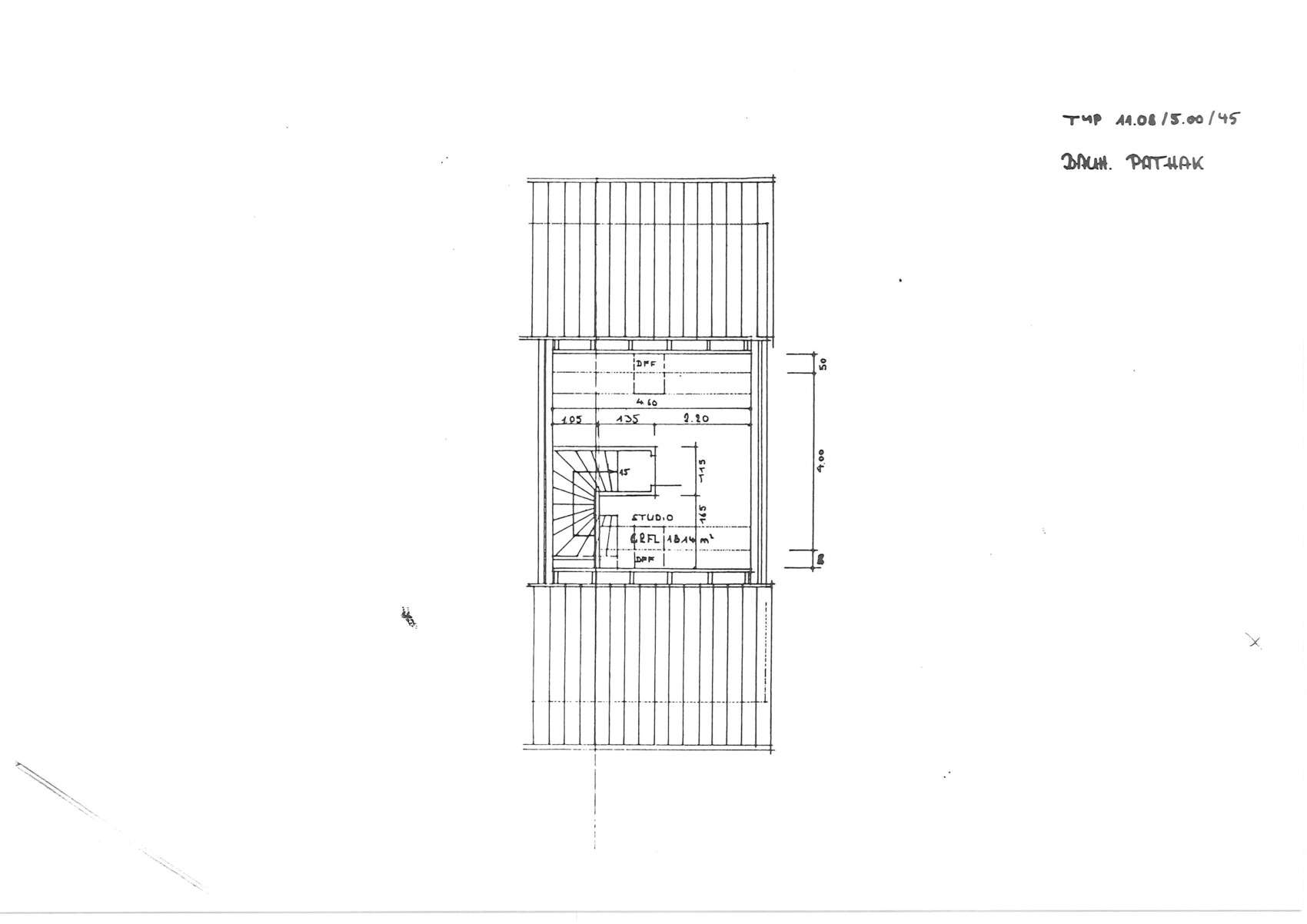
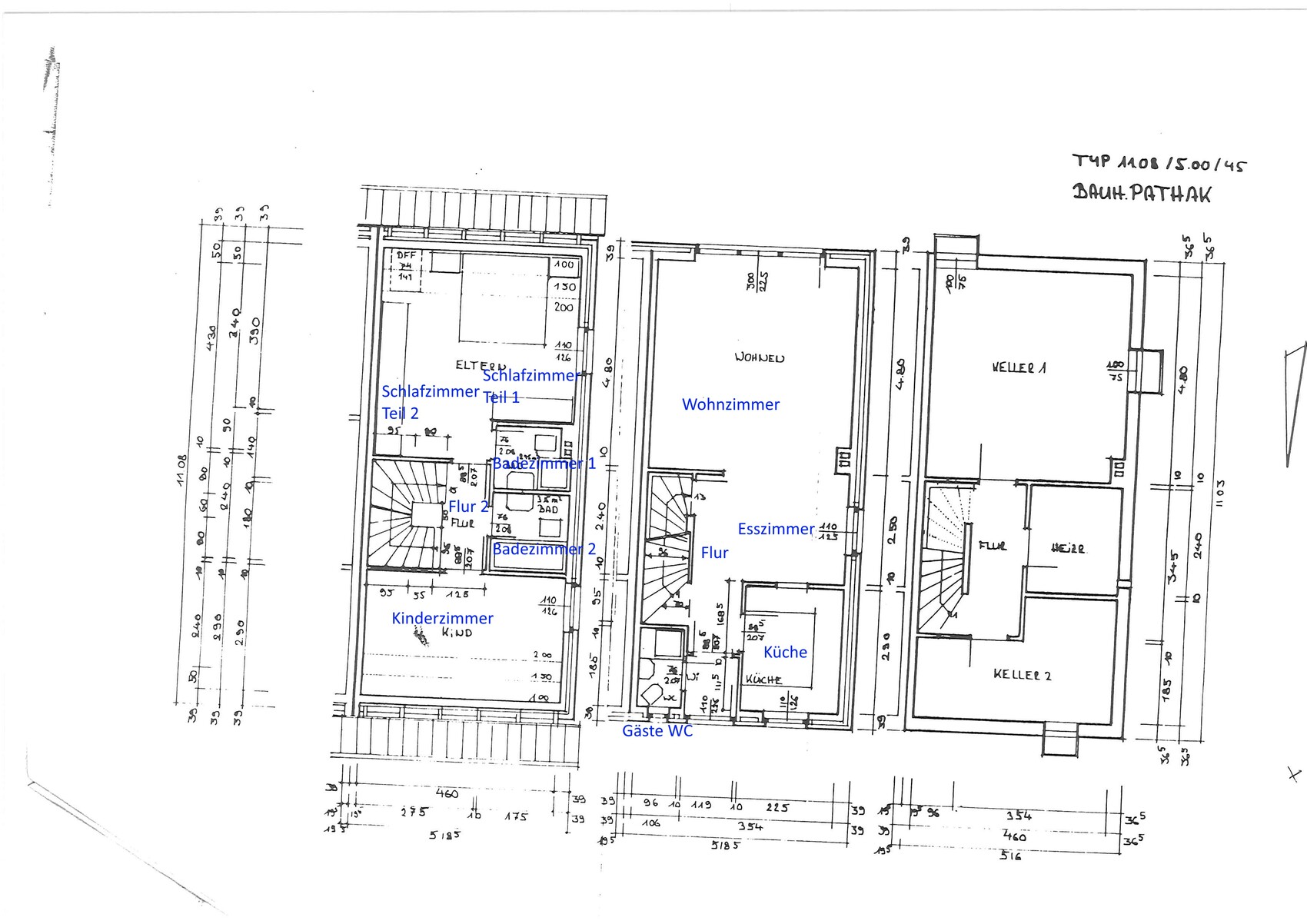
It has a pitched roof that covers two floors (out of three). The attic is converted into a room and has radiators and two roof windows (Braas) on each side. The ceilings and walls are covered with wooden battens, while on the second floor the walls and ceilings are covered with drywall panels.
The construction description states:
"Plasterboard on counter battens, 10cm (4 inches) mineral wool, between joists, air space, concrete roof tiles."
A vapor barrier/retardant foil is visible.
In some areas of the attic, wooden beams have warped slightly forward and cannot be pushed back by hand. Also, some wooden paneling is missing, leaving the insulation exposed.
I have read that until the 1990s, carcinogenic mineral wool was used. Unfortunately, I do not know which type is installed in my house. Should the insulation be replaced for this reason alone?
According to the previous owner, drafts are only noticeable through the bedroom inspection hatch on the second floor. Otherwise, there is nothing unusual in winter or summer.
What do you recommend: replace or leave as is?
I recently purchased an end-terrace house built in 1986 and am planning the upcoming renovation work. Now I am wondering whether I need to replace the roof insulation to improve thermal protection against heat and cold. This would be a good time since we do not yet live in the house.
It has a pitched roof that covers two floors (out of three). The attic is converted into a room and has radiators and two roof windows (Braas) on each side. The ceilings and walls are covered with wooden battens, while on the second floor the walls and ceilings are covered with drywall panels.
The construction description states:
"Plasterboard on counter battens, 10cm (4 inches) mineral wool, between joists, air space, concrete roof tiles."
A vapor barrier/retardant foil is visible.
In some areas of the attic, wooden beams have warped slightly forward and cannot be pushed back by hand. Also, some wooden paneling is missing, leaving the insulation exposed.
I have read that until the 1990s, carcinogenic mineral wool was used. Unfortunately, I do not know which type is installed in my house. Should the insulation be replaced for this reason alone?
According to the previous owner, drafts are only noticeable through the bedroom inspection hatch on the second floor. Otherwise, there is nothing unusual in winter or summer.
What do you recommend: replace or leave as is?
Here is what I would do if the attic is not going to be used anyway:
Remove the beams including the top floor ceiling in the upper floor. Then install 140mm (5.5 inches) of mineral wool insulation between the joists. Add a 40mm (1.5 inches) batten perpendicular to the joists, with another 40mm (1.5 inches) of mineral wool insulation between the battens. This reduces thermal bridges.
On top of that, install 18mm (0.7 inches) OSB3 boards with tongue and groove edges. Please glue them carefully! Seal the wall connection with expanding foam tape from the window segment, then seal it with acrylic.
Then you can install your gypsum boards on top. This adds 3cm (1.2 inches) of build-up but provides a very good vapor barrier. It also minimizes thermal bridges, is airtight against wind, and adds substantial mass for heat and sound insulation.
Your U-value will be around 0.24, which is not outstanding but acceptable. It is also outwardly vapor permeable in case of mistakes.
Doubling up would be better but this is fine. Additional insulation layers can be added on top of the upper floor ceiling if you don’t want to use the attic.
Remove the beams including the top floor ceiling in the upper floor. Then install 140mm (5.5 inches) of mineral wool insulation between the joists. Add a 40mm (1.5 inches) batten perpendicular to the joists, with another 40mm (1.5 inches) of mineral wool insulation between the battens. This reduces thermal bridges.
On top of that, install 18mm (0.7 inches) OSB3 boards with tongue and groove edges. Please glue them carefully! Seal the wall connection with expanding foam tape from the window segment, then seal it with acrylic.
Then you can install your gypsum boards on top. This adds 3cm (1.2 inches) of build-up but provides a very good vapor barrier. It also minimizes thermal bridges, is airtight against wind, and adds substantial mass for heat and sound insulation.
Your U-value will be around 0.24, which is not outstanding but acceptable. It is also outwardly vapor permeable in case of mistakes.
Doubling up would be better but this is fine. Additional insulation layers can be added on top of the upper floor ceiling if you don’t want to use the attic.
A
atomic200025 Jul 2019 17:06Thank you for your response. I forgot to mention that the attic/ top floor is intended to be used as a room. On the upper floor, there are bedrooms, children's rooms, and two bathrooms. What is your suggestion in this case?
A
atomic200025 Jul 2019 17:50But 4cm (1.6 inches) is more than 20% of 14cm (5.5 inches).
Why is doubling up better?
Why is doubling up better?
Well, as a general rule, I wouldn’t recommend anything less than 24cm (9.5 inches). Just as a general guideline. But in existing buildings, compromises have to be made.
If the attic floor is fully used and heated, then insulation against heat or cold in the top floor ceiling becomes irrelevant. At that point, it’s more about soundproofing. I’m not very knowledgeable in that area.
I would extend the roof surfaces all the way up as described.
You could also skip the OSB and use a membrane instead. Then choose one that is vapor-permeable. OSB, however, adds useful mass.
When it comes to insulation (especially in energy-efficient buildings), my motto is: more is always better.
But 14+4 would be a reasonable compromise. Would that work for you as well?
If the attic floor is fully used and heated, then insulation against heat or cold in the top floor ceiling becomes irrelevant. At that point, it’s more about soundproofing. I’m not very knowledgeable in that area.
I would extend the roof surfaces all the way up as described.
You could also skip the OSB and use a membrane instead. Then choose one that is vapor-permeable. OSB, however, adds useful mass.
When it comes to insulation (especially in energy-efficient buildings), my motto is: more is always better.
But 14+4 would be a reasonable compromise. Would that work for you as well?
A
atomic200026 Jul 2019 10:35I visited the site again yesterday and measured the rafter depth. Forget using the ruler on the Lidl water level—the depth is not 16 but at least 17cm (7 inches). Therefore, I am leaning towards the following construction, which Joedreck also suggested:
14cm (5.5 inches) Rockwool stone wool Klemmrock 035 > vapor control layer > 4cm (1.5 inches) counter battens > 4cm (1.5 inches) insulation below counter battens > gypsum boards.
14cm (5.5 inches) Rockwool stone wool Klemmrock 035 > vapor control layer > 4cm (1.5 inches) counter battens > 4cm (1.5 inches) insulation below counter battens > gypsum boards.
- I have no experience with aluminum foil membranes—what do you think? Intuitively, I tend to prefer a “standard” diffusion-open vapor control layer. I’m also concerned that covering the roof with aluminum foil might interfere with cell phone reception, causing phones to operate at full antenna power, which isn’t exactly healthy.
- Should I stick with the system or can I buy good membranes, tapes, and adhesives separately and save money? Do you have any brand or model recommendations for these materials?
- Which gypsum boards and thickness do you recommend?
- Should I seal the hole in the roofing membrane or leave it as a ventilation opening?
- How should I insulate the ventilation pipes against condensation?
Well, then use 16cm (6.3 inches) stone wool. That will give you a total of 20cm (7.9 inches).
Use a vapor-permeable membrane. It is more forgiving of mistakes.
You can insulate the pipes with 4cm (1.6 inches) wool. I would cut it in half to 2cm (0.8 inches), wrap it around the pipe, and secure it with wire.
Cover the hole with two strips of tape, and that’s it.
Use a vapor-permeable membrane. It is more forgiving of mistakes.
You can insulate the pipes with 4cm (1.6 inches) wool. I would cut it in half to 2cm (0.8 inches), wrap it around the pipe, and secure it with wire.
Cover the hole with two strips of tape, and that’s it.
Similar topics