
Hello friends,
I would like to remove a wall and take about 10 cm (4 inches) off the upper part of the wall. I want to do this to give the stove a bit more space.
I strongly suspect that it is a load-bearing wall. My question is, if I want to remove it as marked, can I do it like that, or should/must I install a steel beam? The wall is made of brick, but I’m not exactly sure what kind. However, you are experts and can probably tell from the photo 😉
Thank you for your help.
P.S.
Behind the upright wall, I would also like to remove about 70 cm (28 inches) of masonry that runs parallel to the stove.
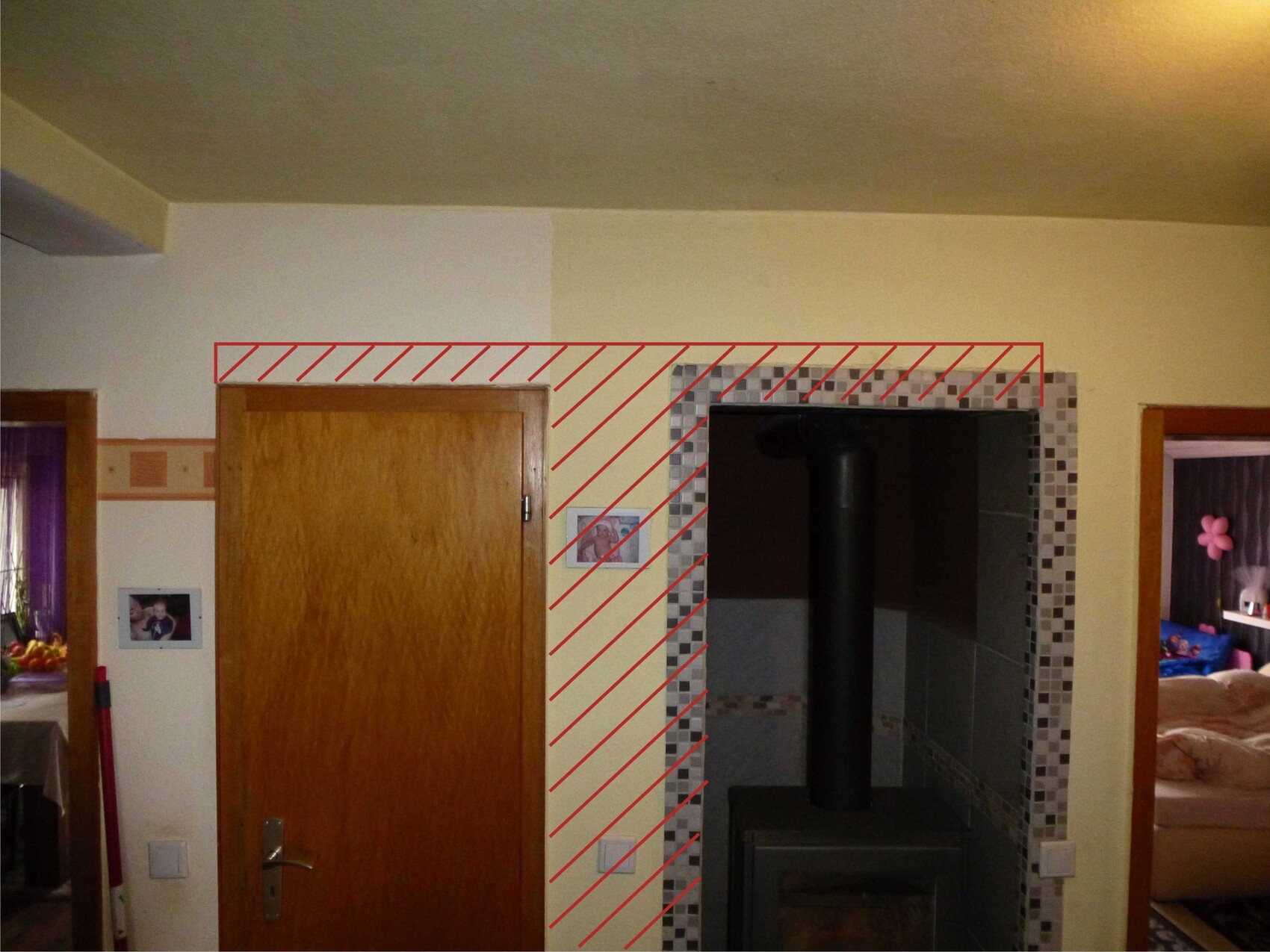
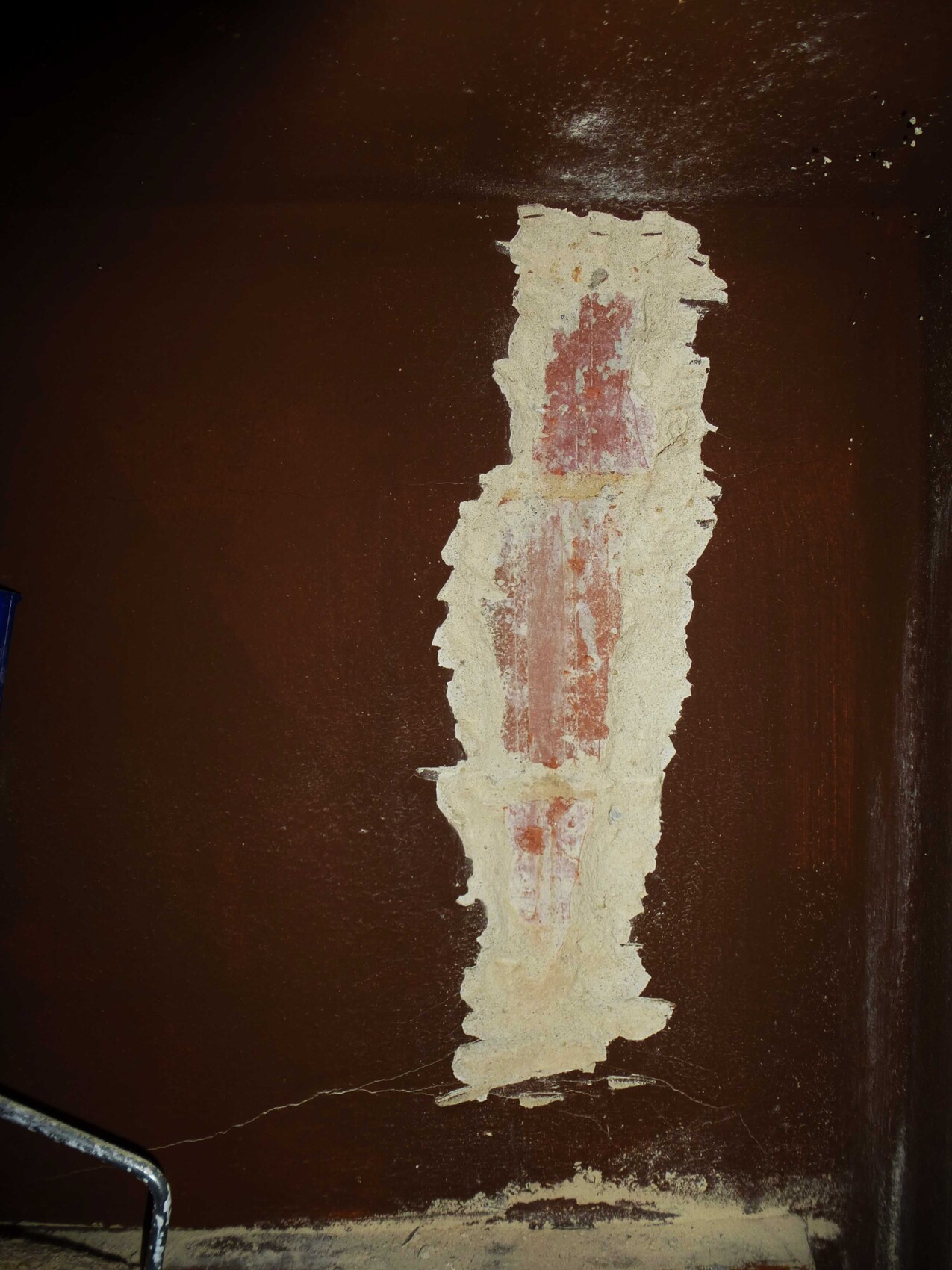
I would like to remove a wall and take about 10 cm (4 inches) off the upper part of the wall. I want to do this to give the stove a bit more space.
I strongly suspect that it is a load-bearing wall. My question is, if I want to remove it as marked, can I do it like that, or should/must I install a steel beam? The wall is made of brick, but I’m not exactly sure what kind. However, you are experts and can probably tell from the photo 😉
Thank you for your help.
P.S.
Behind the upright wall, I would also like to remove about 70 cm (28 inches) of masonry that runs parallel to the stove.
H
HilfeHilfe21 Apr 2017 18:00Remote diagnosis is impossible... seriously, get a structural engineer to inspect the house!
Hello,
whether a wall is load-bearing or not cannot be determined from photos, but only from the building plans.
If these are not available, a structural engineer needs to be hired to assess the walls or the wall.
However, even if plans exist, it is not possible to simply say from an online forum whether the wall is load-bearing.
What do you expect? That someone might say: "Go ahead" and you just knock down the wall... in the worst case, the house or the ceiling could collapse. And then what???
whether a wall is load-bearing or not cannot be determined from photos, but only from the building plans.
If these are not available, a structural engineer needs to be hired to assess the walls or the wall.
However, even if plans exist, it is not possible to simply say from an online forum whether the wall is load-bearing.
What do you expect? That someone might say: "Go ahead" and you just knock down the wall... in the worst case, the house or the ceiling could collapse. And then what???

Dzenan73 schrieb:
All right, thanks already for the reply.
I will play it safe and proceed as if it were a load-bearing wall, using the correct approach (supports, steel beams, etc.).
Then I think I’m on the safe side.
Thanks Provided you really know what you’re doing. That means you have done this before or have a true professional involved who fully understands it. Then, at your own absolute risk, it might work.
But just the fact that you hoped someone from the forum could take over or advise on the structural decision seriously calls into question whether that is the case.
This may sound a bit firm or blunt, but this is a safety-critical matter where the risk of (partial) collapse—and the associated danger to life—could remain even years later if done incorrectly.
Ultimately, you need to assess for yourself whether you are a professional or have only learned the “procedure” from the internet. I also like to try things myself. But in this case, I definitely wouldn’t dare to do it without first obtaining a clear approval from a structural engineer or rather subcontracting the execution to specialists.

I would definitely recommend consulting a structural engineer... Firstly, because you can’t properly assess the situation just from photos, and secondly, because it’s the safest option.
If something were to go wrong, you would have significant damage (obviously), and you would also be personally responsible if you make decisions on your own.
If something were to go wrong, you would have significant damage (obviously), and you would also be personally responsible if you make decisions on your own.
Similar topics