
Hello,
the house is almost finished and we are in the final stretch. Until a few days ago, we were very excited.
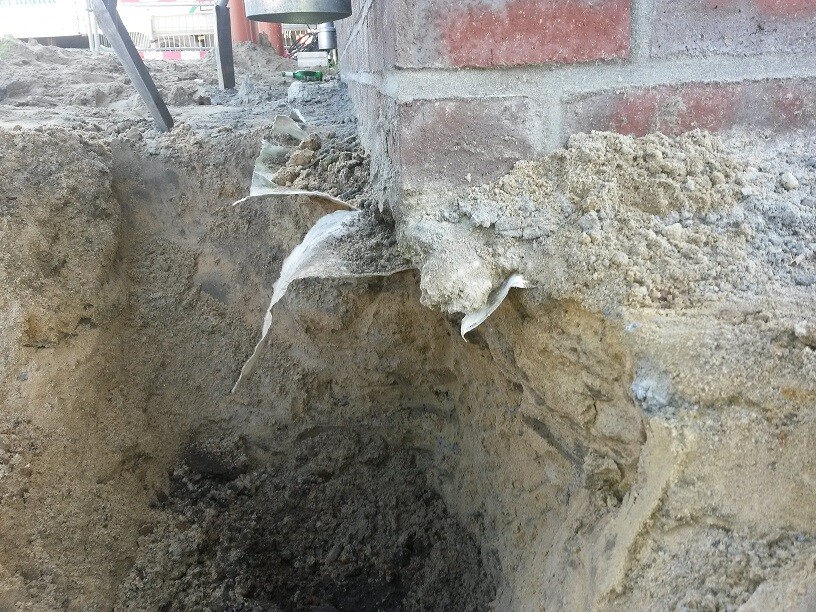
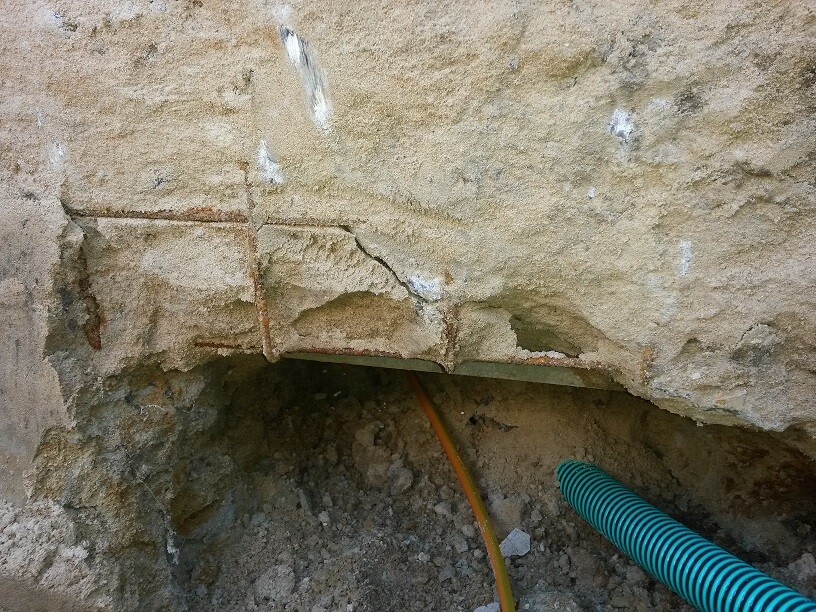
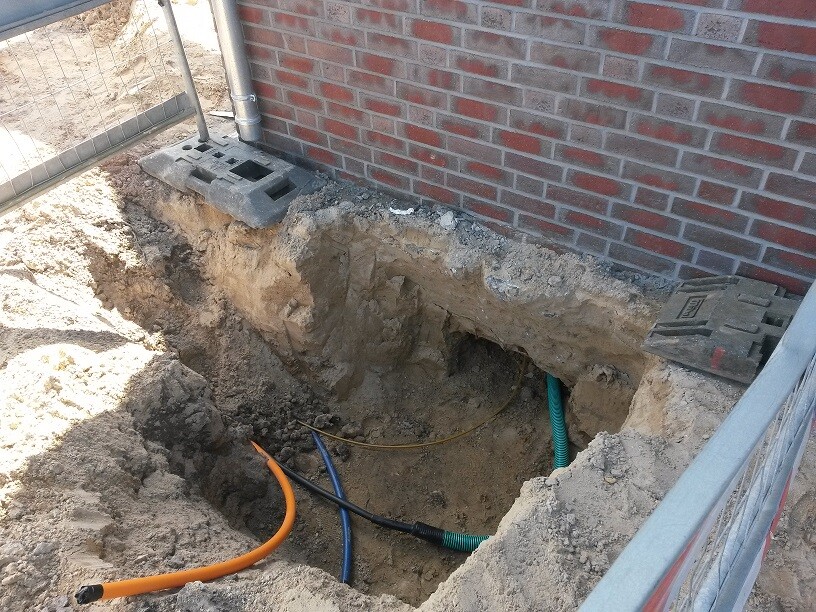
During the installation of the utility connections a few days ago, I had a clear view of the foundation slab. I noticed that the reinforcement bars are considerably exposed.
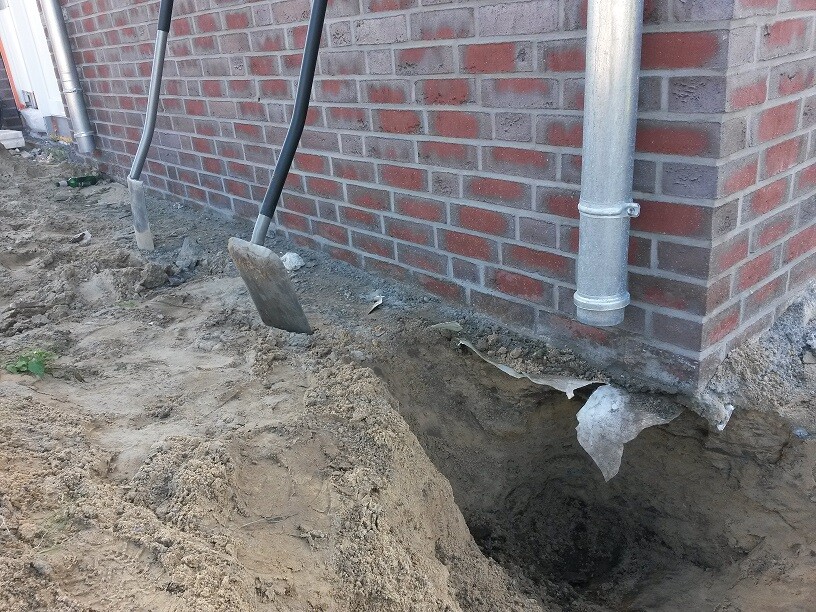
I then dug test holes around the house and found that parts of the reinforcement bars are also exposed here and there.
Workers from neighboring construction sites kindly pointed out that this might be a serious defect. The bars could rust, and the rust might eat into the slab, causing it to crack. At the same time, frost and moisture could worsen the damage.
By the way, I also noticed that the brickwork is hanging free over a stretch of about 1m (3 feet).
My question now is: is this exposed reinforcement a major problem? Or can it be repaired?
the house is almost finished and we are in the final stretch. Until a few days ago, we were very excited.
During the installation of the utility connections a few days ago, I had a clear view of the foundation slab. I noticed that the reinforcement bars are considerably exposed.
I then dug test holes around the house and found that parts of the reinforcement bars are also exposed here and there.
Workers from neighboring construction sites kindly pointed out that this might be a serious defect. The bars could rust, and the rust might eat into the slab, causing it to crack. At the same time, frost and moisture could worsen the damage.
By the way, I also noticed that the brickwork is hanging free over a stretch of about 1m (3 feet).
My question now is: is this exposed reinforcement a major problem? Or can it be repaired?
 MusterFaust12 Sep 2016 09:56
Details that need to be clarified.
However, I lack the necessary expertise for this. On Wednesday, there will be a meeting with the site manager at the construction site.
After that, I need to see what the inspector says.
Thank you very much for the key points; I will bring them up on Wednesday and wait for the response.
However, I lack the necessary expertise for this. On Wednesday, there will be a meeting with the site manager at the construction site.
After that, I need to see what the inspector says.
Thank you very much for the key points; I will bring them up on Wednesday and wait for the response.
These are not thermal bridges... we are talking about the strip foundation.
The underside coverage of the floor slab is not considered here yet.
I am also a complete layman, but the solution sounds confusing to me. The load transfer takes place downward, not sideways. Also, I don’t believe the joints can be sealed so easily. Hopefully, the surveyor will know about this.
The underside coverage of the floor slab is not considered here yet.
I am also a complete layman, but the solution sounds confusing to me. The load transfer takes place downward, not sideways. Also, I don’t believe the joints can be sealed so easily. Hopefully, the surveyor will know about this.

I don’t know the exact construction status, but it looks to me like this is a double-layer wall. That’s why I think a separate foundation was made for the facing brickwork, which now shows this weakness. It would make sense, as it would represent a decoupling of the thermal insulation from the wall and the house’s foundation slab.
If my assumption is correct, then underpinning and pre-grouting would definitely work. During the renovation of a very old house with a 50 cm (20 inches) sandstone wall, we did something similar. We excavated sections about 2 m (6.5 feet) long and underpinned with concrete and steel. Back then, experts, heritage conservators, and structural engineers were involved, and all approved it as acceptable. The point is, if it worked there, why not here? Of course, the prerequisite is that it is actually just the foundation for the brick veneer and not the main foundation slab.
This could be verified by checking the penetration at the bottom.
This is a good example of why you should visit your construction site daily and take photos with a digital camera regularly. It costs nothing and makes analyzing such incidents much easier.
Regardless, an expert and possibly a structural engineer definitely need to examine this on site.
If my assumption is correct, then underpinning and pre-grouting would definitely work. During the renovation of a very old house with a 50 cm (20 inches) sandstone wall, we did something similar. We excavated sections about 2 m (6.5 feet) long and underpinned with concrete and steel. Back then, experts, heritage conservators, and structural engineers were involved, and all approved it as acceptable. The point is, if it worked there, why not here? Of course, the prerequisite is that it is actually just the foundation for the brick veneer and not the main foundation slab.
This could be verified by checking the penetration at the bottom.
This is a good example of why you should visit your construction site daily and take photos with a digital camera regularly. It costs nothing and makes analyzing such incidents much easier.
Regardless, an expert and possibly a structural engineer definitely need to examine this on site.
K
Knallkörper12 Sep 2016 14:14Since we had a similar issue… although on a much smaller scale:
In general, it is possible to achieve the required concrete cover retrospectively, for example with shotcrete. I am less clear on why reinforcing steel would still need to be installed for this. I also don’t understand why a thermal bridge should occur. It will be important to ensure that no water can collect on the concrete strip that might be “reworked.”
Are there any photos of the reinforcement of the slab before pouring? That might help determine whether the necessary cover is at least present at the bottom.
It would be great if you could share the findings of your expert for general information here!
In general, it is possible to achieve the required concrete cover retrospectively, for example with shotcrete. I am less clear on why reinforcing steel would still need to be installed for this. I also don’t understand why a thermal bridge should occur. It will be important to ensure that no water can collect on the concrete strip that might be “reworked.”
Are there any photos of the reinforcement of the slab before pouring? That might help determine whether the necessary cover is at least present at the bottom.
It would be great if you could share the findings of your expert for general information here!
K
Knallkörper12 Sep 2016 14:18Tom1607 schrieb:
to me, it looks like a double-layer wall. That’s why I think a separate foundation was made for the brick claddingUsually, a rather wide frost protection strip is poured. The slab is then placed on top of it. The frost protection strip extends, for example, 30cm (12 inches) above ground level. The insulation, including perimeter insulation, and the brick cladding are placed on this "overhang." They are definitely not separate foundations.
Similar topics