
ᐅ Reducing the Garden Shed Wall Construction – How to Do It and What Wall Thickness to Choose?
Created on: 30 Nov 2018 10:26
B
BarnhouseB
Barnhouse30 Nov 2018 10:26Hello,
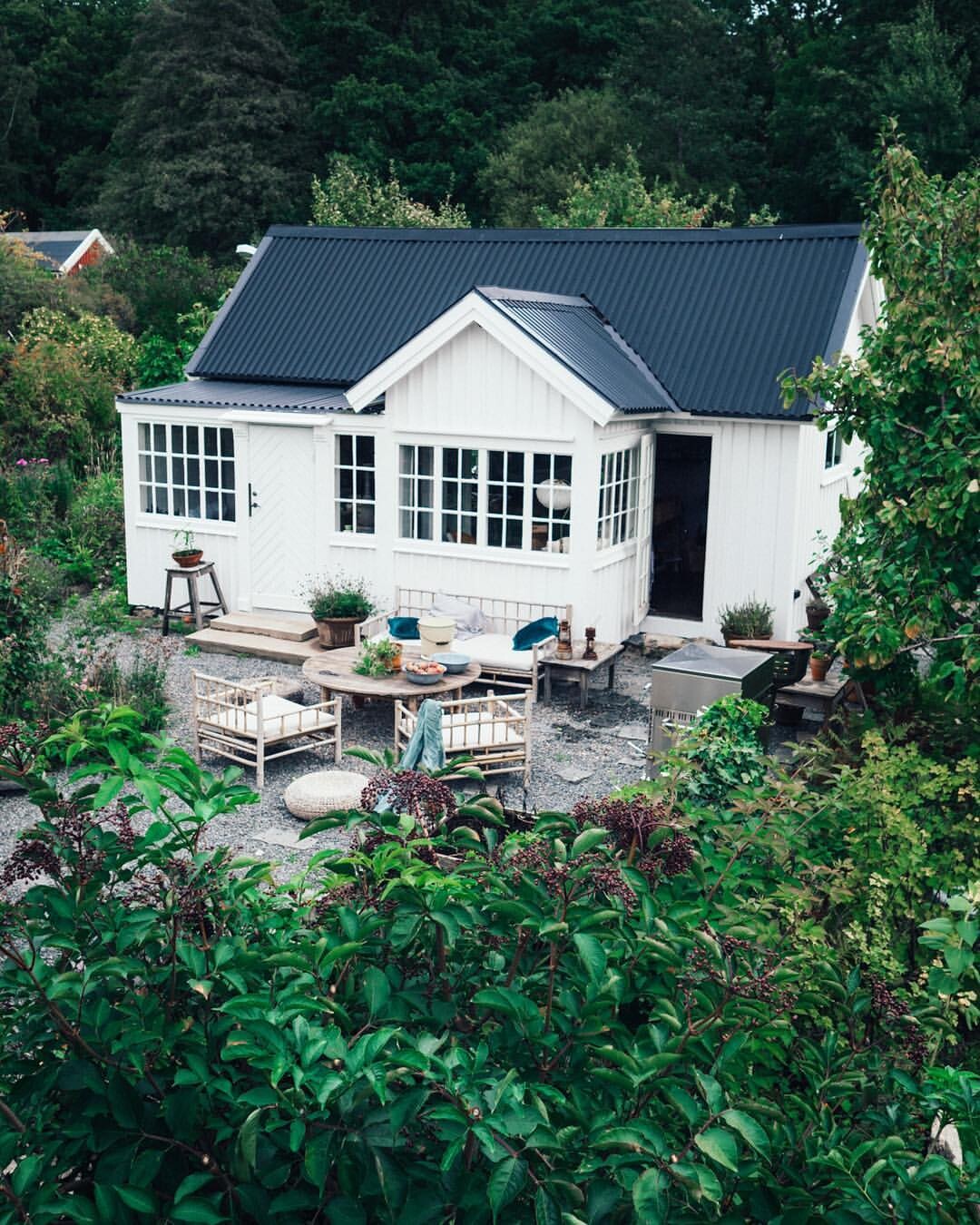
I am currently planning a small garden shed for our backyard.
It should look roughly like this:
I intended to build it using timber frame construction with a ventilated facade and likewise vertical cladding on the inside. Now I realized that the wall structure will be about 30cm (12 inches) thick.
Wall structure:
However, the proportions don’t really suit the small house (about 6 x 3 m (20 x 10 ft) interior). I feel the walls will then be much too thick.
Does anyone have an idea how to reduce the wall thickness but still keep the same appearance as shown in the photo?
Thank you very much and best regards,
Jens
I am currently planning a small garden shed for our backyard.
It should look roughly like this:
I intended to build it using timber frame construction with a ventilated facade and likewise vertical cladding on the inside. Now I realized that the wall structure will be about 30cm (12 inches) thick.
Wall structure:
However, the proportions don’t really suit the small house (about 6 x 3 m (20 x 10 ft) interior). I feel the walls will then be much too thick.
Does anyone have an idea how to reduce the wall thickness but still keep the same appearance as shown in the photo?
Thank you very much and best regards,
Jens
N
nordanney30 Nov 2018 10:34Why use 3cm (1¼ inches) battens, counter battens, and cladding? Why a 12cm (5 inches) stud frame? The house is supposed to look good, not withstand a war (and it isn’t even insulated yet!). It can be done much more elegantly ;-)
Why have ventilation at all?
Why have ventilation at all?
B
Barnhouse30 Nov 2018 12:28Yes, and how?
Insulation is still optional, and if used, probably wood fiber boards placed between the studs.
That’s why a ventilated facade is necessary, as far as I know.
Or is that incorrect?
A 12/6 (30/15 cm) stud frame is too massive???
The general use is intended as a living space and for overnight stays during summer.
However, I would like to keep the option open to install a small stove/fireplace later, so that it’s possible to spend a night outside in autumn/winter as well.
Therefore, I am already considering how the wall construction could be designed for that.
Insulation is still optional, and if used, probably wood fiber boards placed between the studs.
That’s why a ventilated facade is necessary, as far as I know.
Or is that incorrect?
A 12/6 (30/15 cm) stud frame is too massive???
The general use is intended as a living space and for overnight stays during summer.
However, I would like to keep the option open to install a small stove/fireplace later, so that it’s possible to spend a night outside in autumn/winter as well.
Therefore, I am already considering how the wall construction could be designed for that.
A 12cm (5 inch) stud frame will work fine.
With horizontal sheathing, you could save a batten, so about 3cm (1 inch).
And why use the same build-up on the inside again? It’s not necessary. Either use OSB board or, if you want a wood look, apply the profile boards horizontally directly onto the stud frame, like this:
Interior air
Profile boards horizontal 19mm (¾ inch)
Vapor barrier 1mm (0.04 inch)
12cm (5 inch) stud frame with insulation between the studs
DWD panel 16mm (⅝ inch)
Vertical battens 28mm (1 1/8 inch)
Outer cladding 19mm (¾ inch)
This way, you’ll get a total thickness of about 20cm (8 inches).
If you’re building the facade with ventilation behind the cladding anyway and finishing the interior, I would recommend installing the insulation as well. It doesn’t cost much, makes the interior more comfortable during transitional seasons, and in winter you can keep it frost-free with a small heater.
With horizontal sheathing, you could save a batten, so about 3cm (1 inch).
And why use the same build-up on the inside again? It’s not necessary. Either use OSB board or, if you want a wood look, apply the profile boards horizontally directly onto the stud frame, like this:
Interior air
Profile boards horizontal 19mm (¾ inch)
Vapor barrier 1mm (0.04 inch)
12cm (5 inch) stud frame with insulation between the studs
DWD panel 16mm (⅝ inch)
Vertical battens 28mm (1 1/8 inch)
Outer cladding 19mm (¾ inch)
This way, you’ll get a total thickness of about 20cm (8 inches).
If you’re building the facade with ventilation behind the cladding anyway and finishing the interior, I would recommend installing the insulation as well. It doesn’t cost much, makes the interior more comfortable during transitional seasons, and in winter you can keep it frost-free with a small heater.
B
Barnhouse30 Nov 2018 13:16Thanks for the suggestion.
However, we prefer vertical cladding for both the interior and exterior, as it looks best to us and fits the "Swedish cottage" style the most.
But you are of course right, the counter battens and battens are exactly what make the wall structure so thick.
Is there an alternative for this with vertical cladding and insulation placed between the studs?
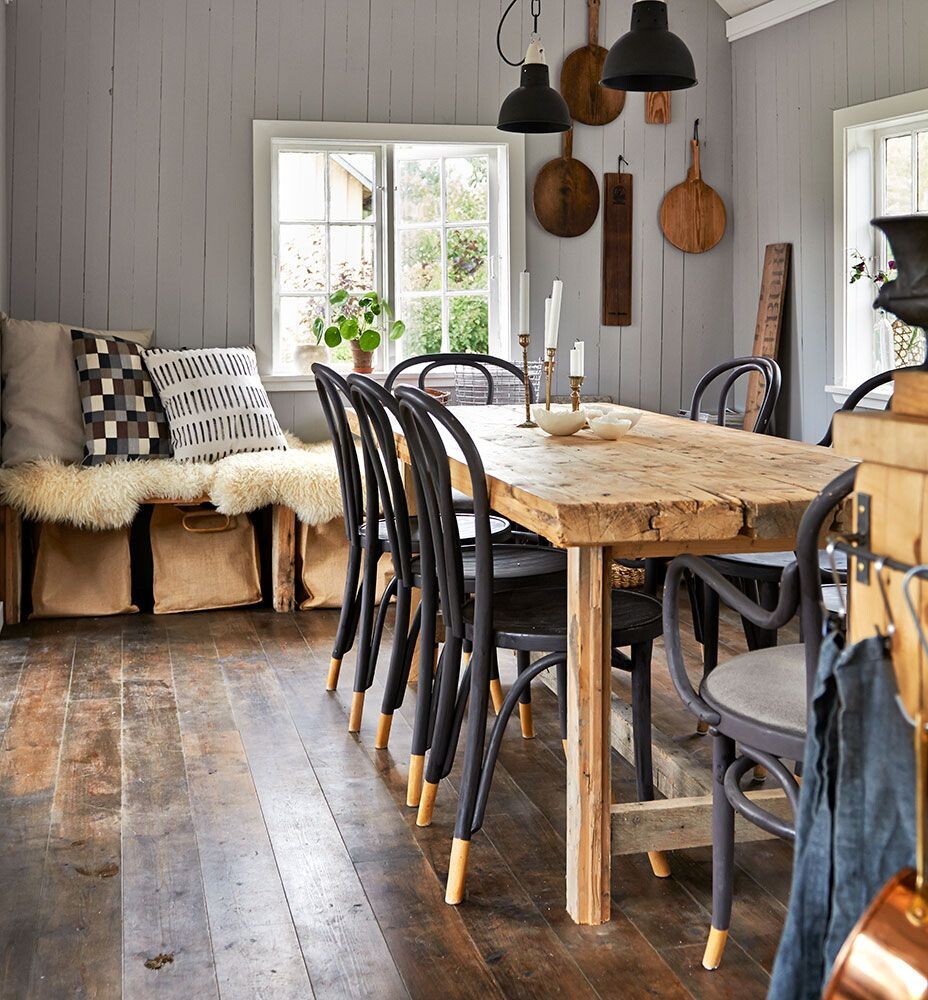
However, we prefer vertical cladding for both the interior and exterior, as it looks best to us and fits the "Swedish cottage" style the most.
But you are of course right, the counter battens and battens are exactly what make the wall structure so thick.
Is there an alternative for this with vertical cladding and insulation placed between the studs?
N
nordanney30 Nov 2018 13:31Barnhouse schrieb:
12/6 studs are too massive???Barnhouse schrieb:
Yes, and how? How about 8x8? Battens 24mm (1 inch) instead of 30mm (1.2 inches)? Cladding boards can be as thin as 14mm (0.55 inches), but I would rather go with about 19/20mm (0.75 inches).
The same look, just not such a thick construction.
Similar topics