
ᐅ Rainwater is not draining properly into the gutter and is seeping into the masonry.
Created on: 10 Feb 2021 14:37
S
Stefan2.84S
Stefan2.8410 Feb 2021 14:37Hello everyone,
Although I am generally very satisfied with our house construction, I have recently noticed some defects. One missing ventilation in the guest bathroom (still under review) and a few minor issues (really just minor).
Last week, I noticed a problem that I also need to sort out. I saw damp spots starting at the slightly protruding basement wall (which serves as a garage and is therefore open on the street side). I climbed up to the small front canopy of the wall and took a watering can with me to pour water over the roof. I then noticed that the roof tiles have an increasing gap along their length from the roof edge to the gutter. Where it is damp, most of the water does not flow into the gutter but instead runs inward. (The attached pictures probably show the situation better than I can describe it :-) ).
Since I have already paid in full, I have unfortunately not received any response despite several phone calls, emails, etc. I have now written a formal complaint about the defects and intend to send it. This means that after always politely asking for feedback, I now want to take a somewhat more assertive approach. I am also concerned that this might put the building structure at risk. Perhaps someone can advise me if and how this situation can be repaired and whether it would require major effort.
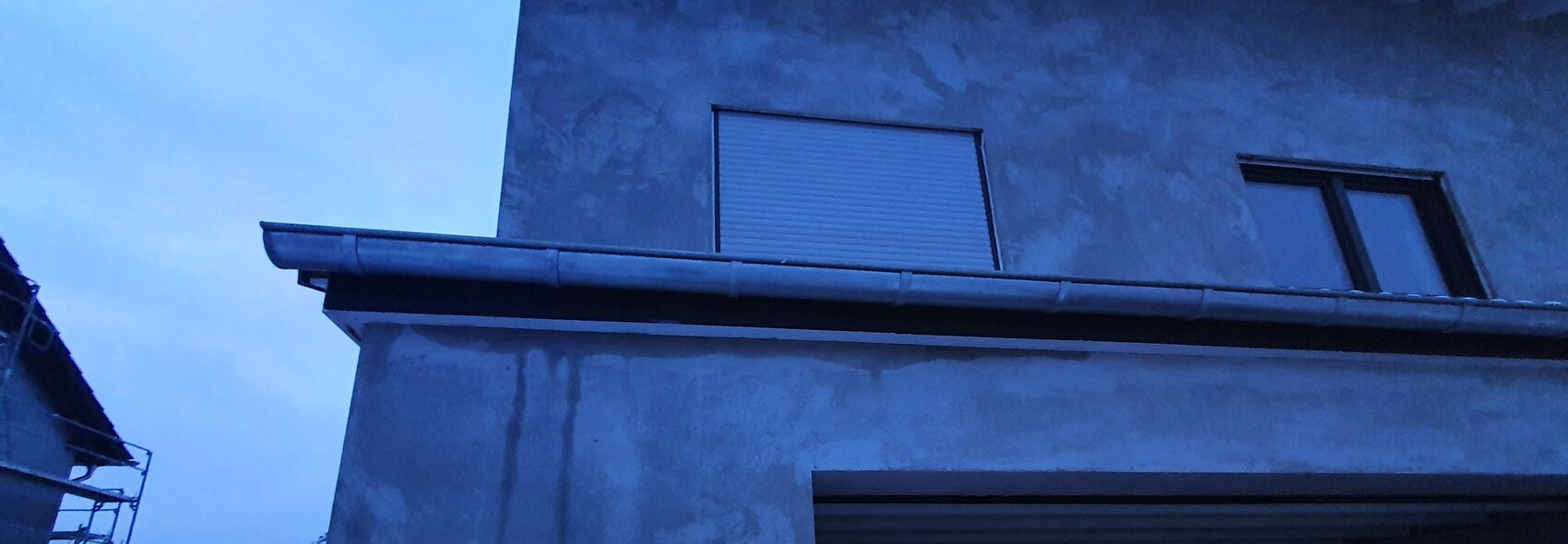
In picture 1 you can see the impact.
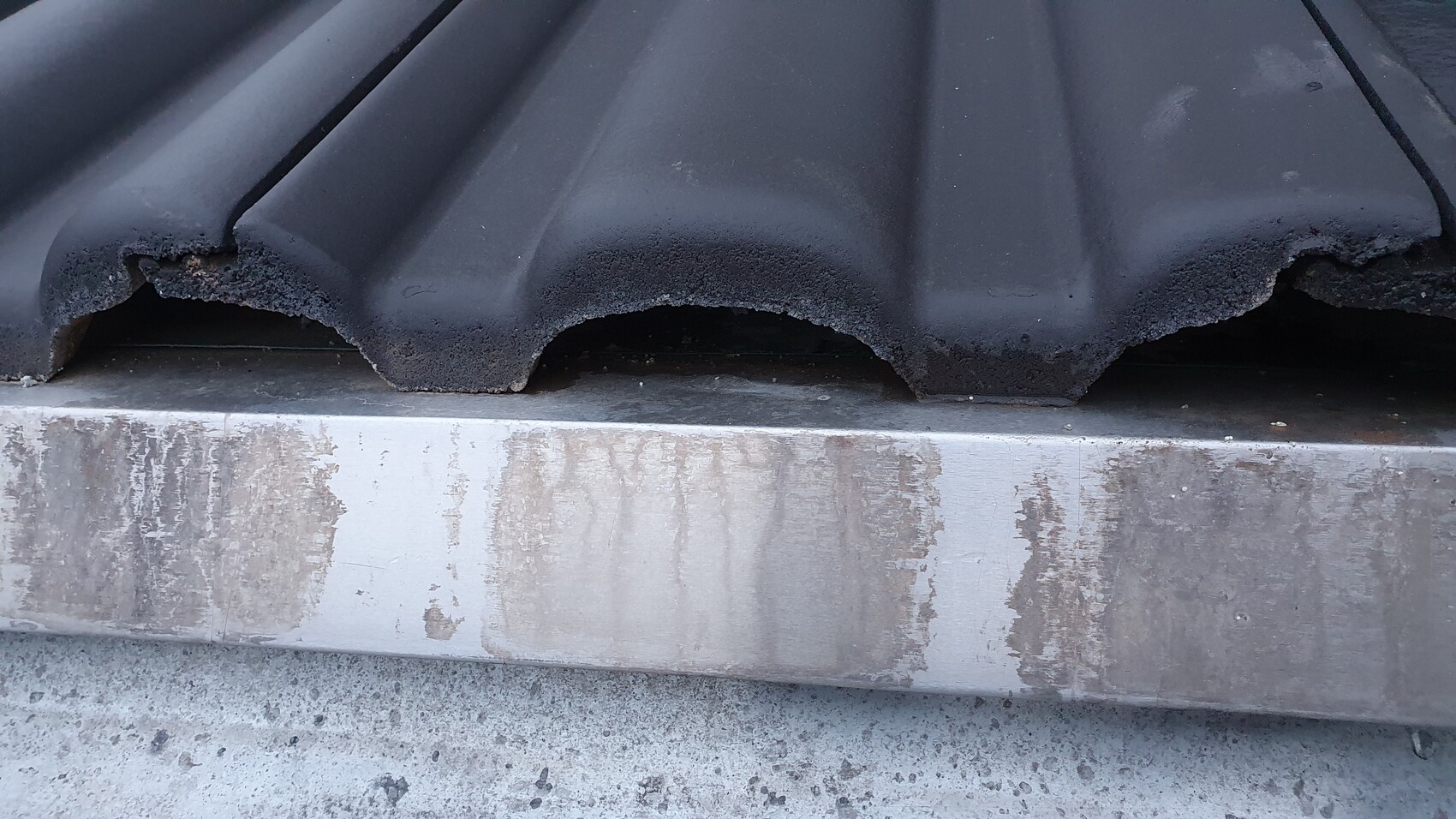
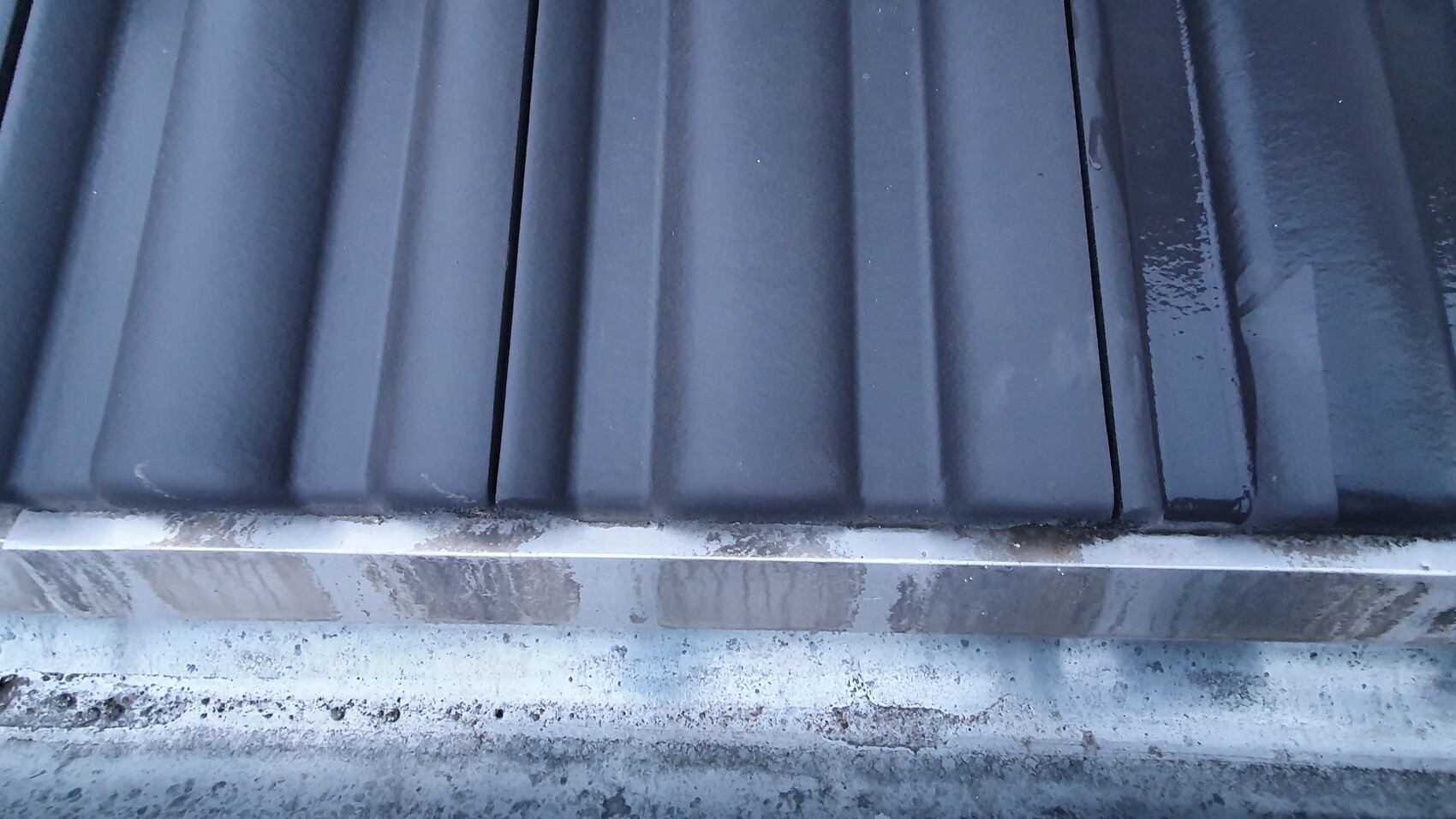
In pictures 2 and 3 you can see the spots where dripping water bends inward and runs inside.
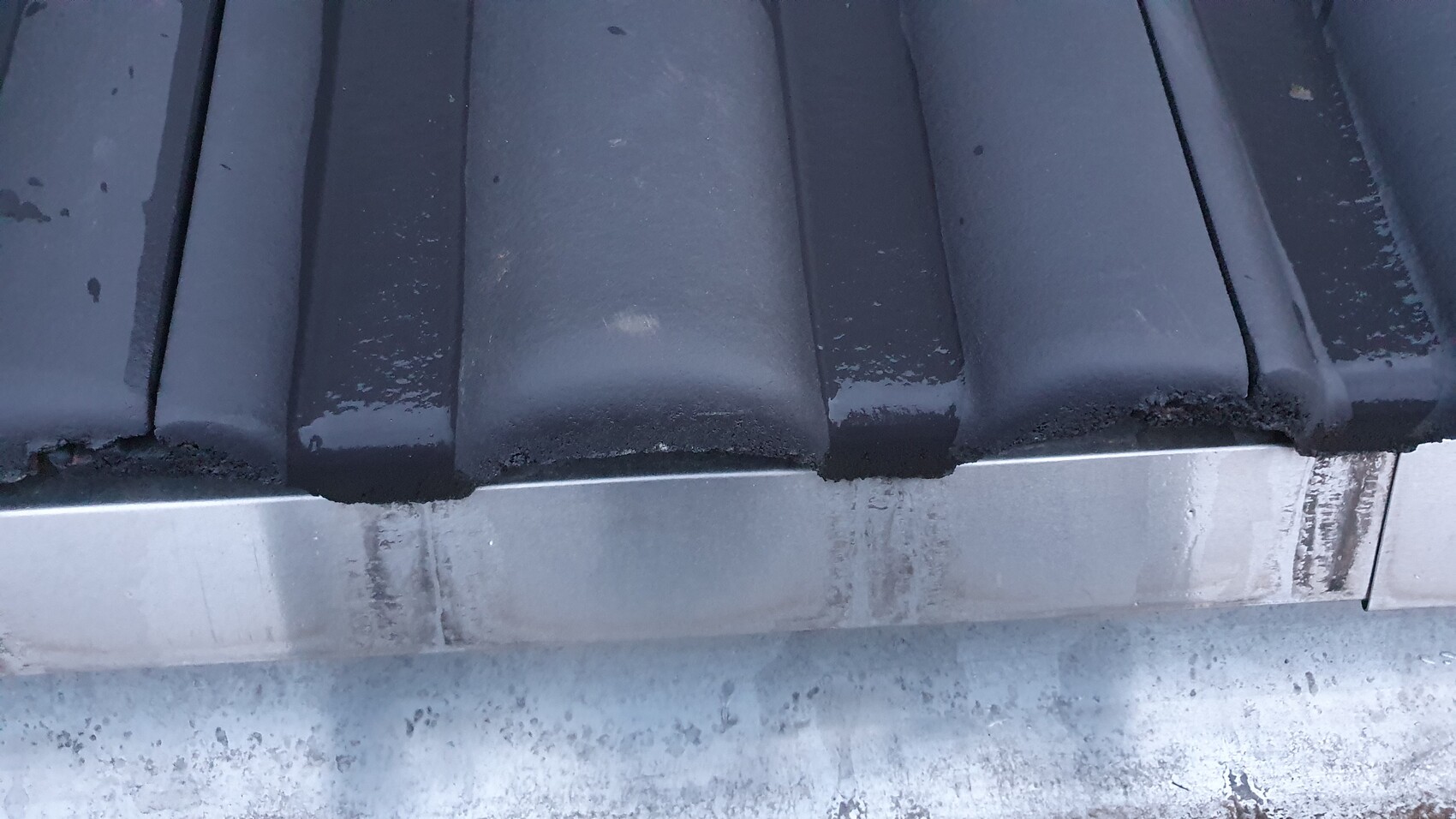
Picture 4 shows how the situation should actually look.
Thanks and best regards
Although I am generally very satisfied with our house construction, I have recently noticed some defects. One missing ventilation in the guest bathroom (still under review) and a few minor issues (really just minor).
Last week, I noticed a problem that I also need to sort out. I saw damp spots starting at the slightly protruding basement wall (which serves as a garage and is therefore open on the street side). I climbed up to the small front canopy of the wall and took a watering can with me to pour water over the roof. I then noticed that the roof tiles have an increasing gap along their length from the roof edge to the gutter. Where it is damp, most of the water does not flow into the gutter but instead runs inward. (The attached pictures probably show the situation better than I can describe it :-) ).
Since I have already paid in full, I have unfortunately not received any response despite several phone calls, emails, etc. I have now written a formal complaint about the defects and intend to send it. This means that after always politely asking for feedback, I now want to take a somewhat more assertive approach. I am also concerned that this might put the building structure at risk. Perhaps someone can advise me if and how this situation can be repaired and whether it would require major effort.
In picture 1 you can see the impact.
In pictures 2 and 3 you can see the spots where dripping water bends inward and runs inside.
Picture 4 shows how the situation should actually look.
Thanks and best regards
K
knalltüte12 Feb 2021 05:10My assumption (layperson’s opinion): The highlighted areas are not constructed to be backflow-proof, allowing wind to push water standing on the metal sheet behind it, where it then runs down on the "inside."
I see this as a critical issue that must be resolved; otherwise, it could lead to significant structural damage.
The tiles resting on the gutter probably contribute to this problem, and I wonder why they are installed so unevenly or at an angle, and what the reason for this could have been.
S
sascha-t4-le12 Feb 2021 07:30The drip edge should have the same roof pitch as the roof. Since it is horizontal, it is clear that the water will not flow into the gutter. As already mentioned here, this can cause significant damage.
Take one roof tile at the eave (gutter) and take a photo. If the membrane lies loosely on the drip edge (eave flashing), it can be fixed in place with Rissan tape.
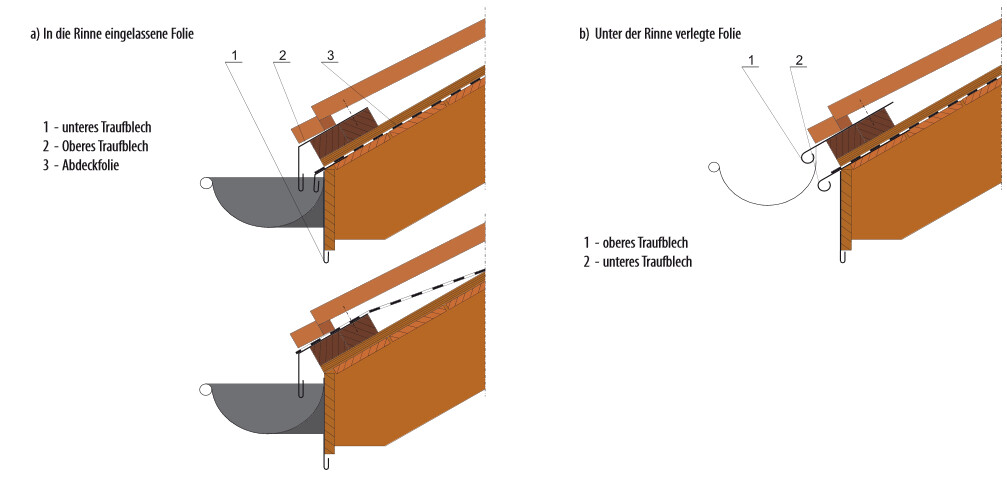
Option 1 for installing the underlay membrane at the eave
In this option, the underlay membrane is guided into the eave gutter. The advantage is that runoff rainwater can already drain in a controlled way into the gutter while the roof is still being covered. However, this method also has some disadvantages:
Option 2 for installing the underlay membrane and the eave
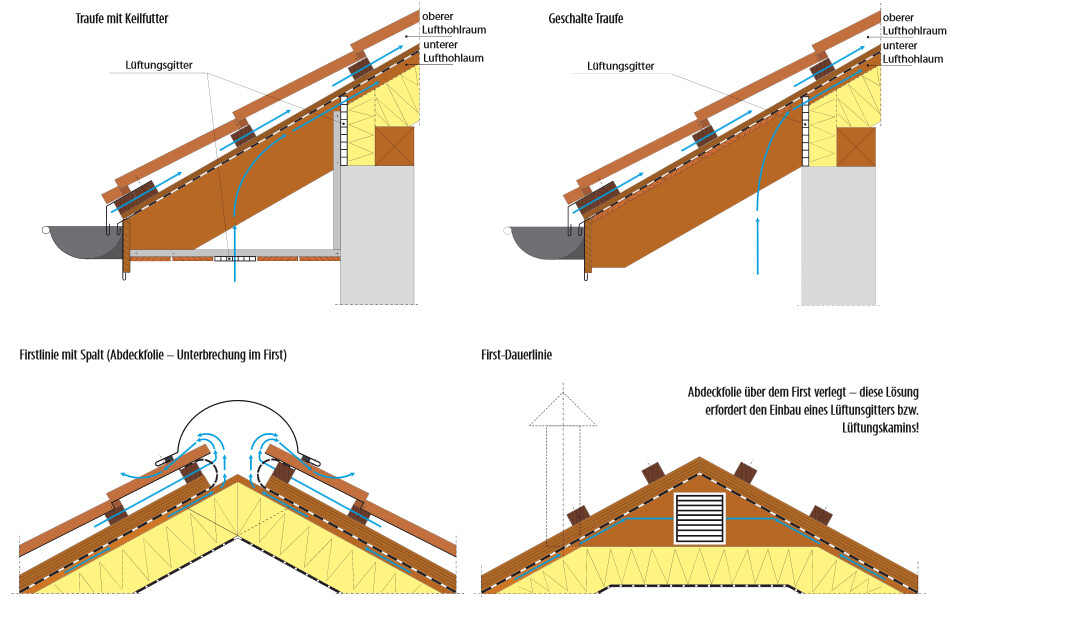
In this option, the underlay membrane is installed beneath the wedge batten, and a drip edge is fitted at the eave. This means that during roof installation, water drips freely from the eave. However, damage to the roof covering can be detected more easily later because water drains from the underlay membrane behind the gutter. Additionally, this creates better ventilation conditions. A ventilation grille should be installed on the counter battens.
Option 1 for installing the underlay membrane at the eave
In this option, the underlay membrane is guided into the eave gutter. The advantage is that runoff rainwater can already drain in a controlled way into the gutter while the roof is still being covered. However, this method also has some disadvantages:
- During further roof installation, the underlay membrane often gets damaged due to foot traffic
- Eave ventilation combs must be used, as the ventilation cross-section is reduced by the wedge batten
- Damaged tiles remain unnoticed longer because water is drained through the underlay membrane
- The underlay membrane must be carefully sealed to the eave flashing to prevent water from accumulating and causing the membrane to bulge
Option 2 for installing the underlay membrane and the eave
In this option, the underlay membrane is installed beneath the wedge batten, and a drip edge is fitted at the eave. This means that during roof installation, water drips freely from the eave. However, damage to the roof covering can be detected more easily later because water drains from the underlay membrane behind the gutter. Additionally, this creates better ventilation conditions. A ventilation grille should be installed on the counter battens.
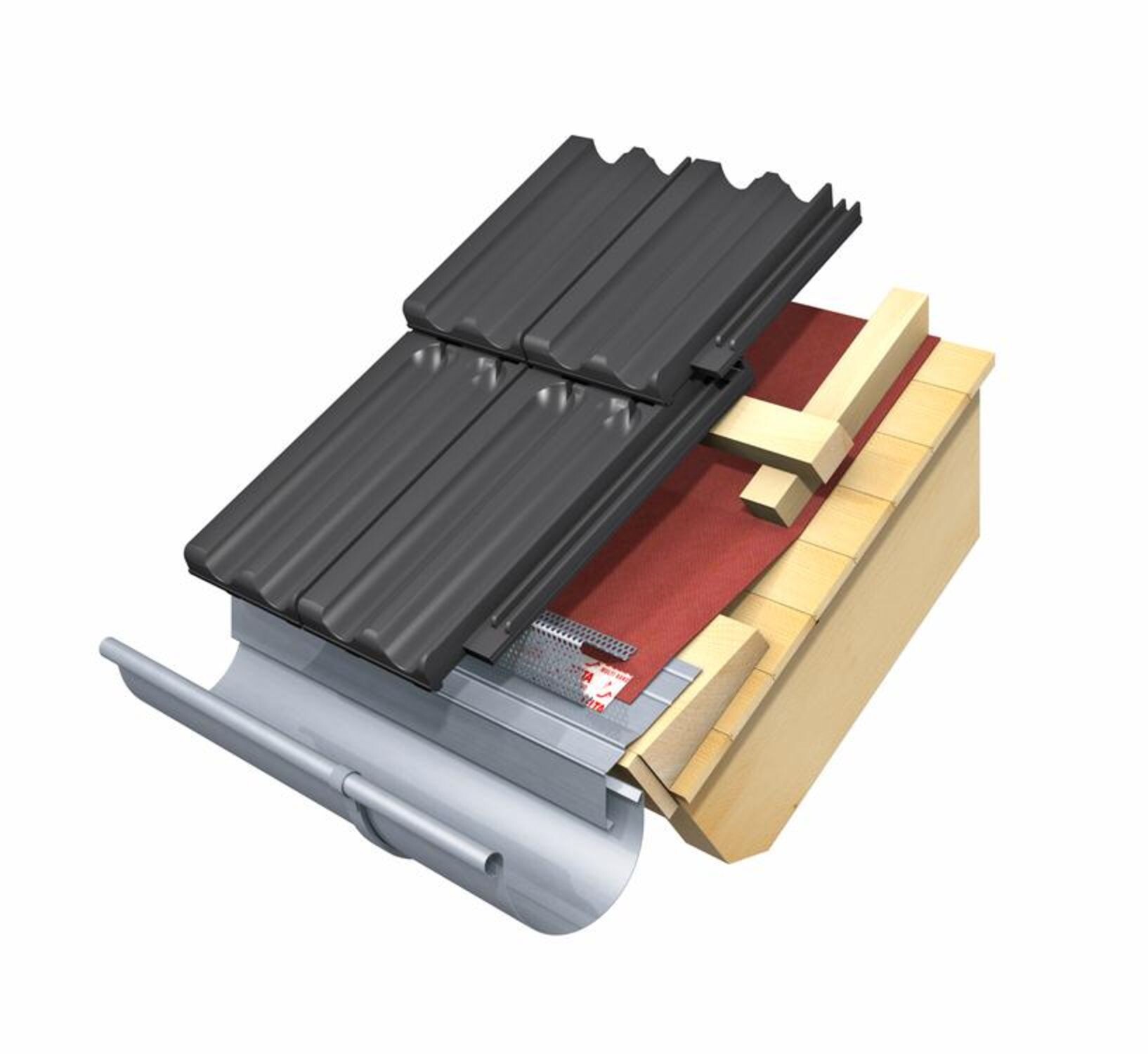
Here, take a look—this is how it should be. In the third picture (photo), you can clearly see how the membrane is sealed onto the drip edge flashing. What I don’t like is that the roof tile rests on the drip edge flashing instead of extending over it all the way into the gutter. The water will always run onto the drip edge flashing, and over the years, the flashing will deteriorate, allowing water to get underneath it. If the roof tile extends over the drip edge flashing, the water will drip directly into the gutter, and your drip edge flashing won’t get wet.
S
Stefan2.8412 Feb 2021 09:31I have forwarded it to the construction supervisor. A response is expected from them now. However, I cannot understand how such work could be delivered like this. It should be obvious that water will flow inward there. I need to wait and see what feedback comes. Ideally, I would like everything to be covered there so that it can be clearly checked whether any damage has already occurred.....
Similar topics