
Good day everyone,
I urgently need professional advice.
On the evening of December 20, 2025, I experienced water damage.
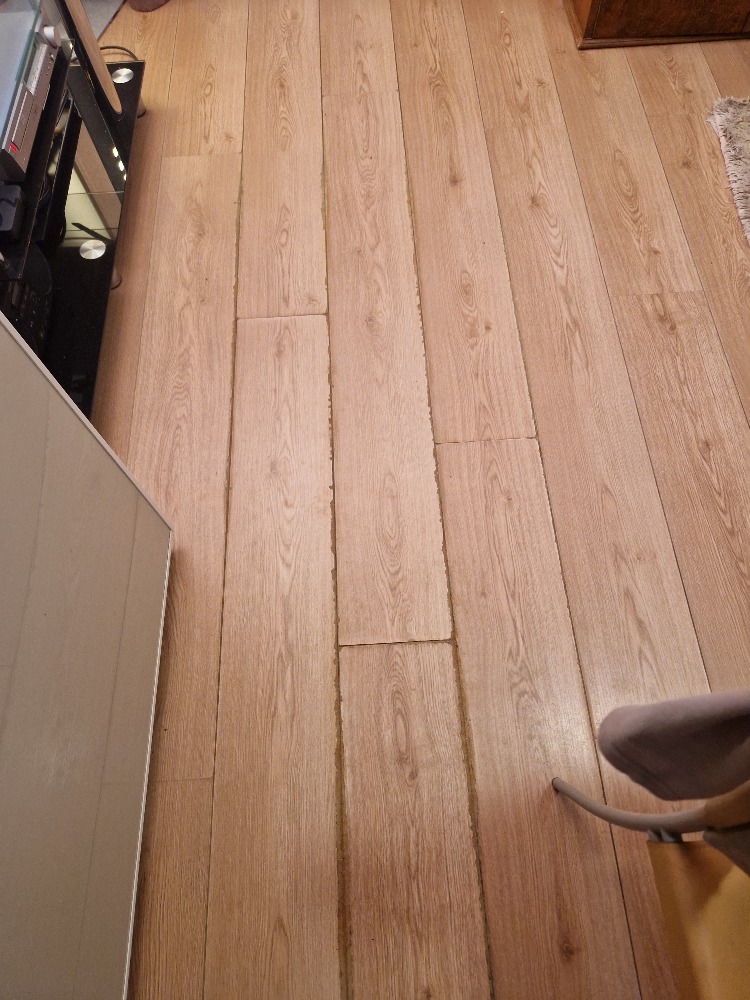
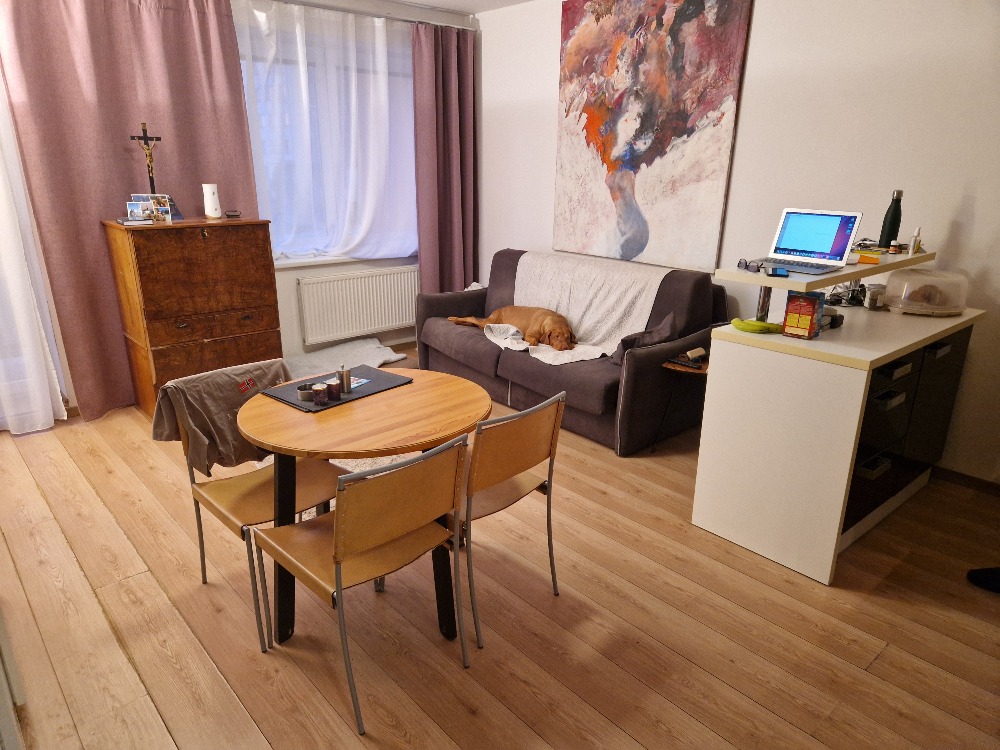
I immediately wiped up the water, and my laminate floor is completely dry. Even weeks later, there is absolutely no visible damage.
Unfortunately, the water also penetrated my neighbor’s ceiling lamp and electrical outlets but was wiped up immediately, so it did not have time to affect their laminate floor for a prolonged period.
The neighbor only took photos of the damage on January 8, almost three weeks after the incident, and now believes I should replace their flooring.
I have already found out that such damage is theoretically possible, but only if the water had been sitting on the laminate for several hours, which was definitely not the case here.
Your opinions and assessments would be of great help to me.
Thank you in advance for your attention, and have a nice day,
I urgently need professional advice.
On the evening of December 20, 2025, I experienced water damage.
I immediately wiped up the water, and my laminate floor is completely dry. Even weeks later, there is absolutely no visible damage.
Unfortunately, the water also penetrated my neighbor’s ceiling lamp and electrical outlets but was wiped up immediately, so it did not have time to affect their laminate floor for a prolonged period.
The neighbor only took photos of the damage on January 8, almost three weeks after the incident, and now believes I should replace their flooring.
I have already found out that such damage is theoretically possible, but only if the water had been sitting on the laminate for several hours, which was definitely not the case here.
Your opinions and assessments would be of great help to me.
Thank you in advance for your attention, and have a nice day,

Hello questioner,
When it comes to laminate flooring, it is not possible to make a general statement about how prolonged exposure to high moisture affects the boards. I have inspected boards that a dog had urinated on – the edges of the affected boards showed slight swelling due to moisture expansion. On the other hand, I have seen laminate floor boards submerged "under water," in the literal sense, with no damage occurring after drying.
Relating this to your situation, this means only one thing: damage caused solely by significant moisture exposure must be proven. I would add, as a side note, that in a water damage event, water may seep under the floor boards, which would result in longer water exposure to the substrate.
But we don’t know any of this for sure! What matters is whether the edges of the (neighbor’s) floor boards are swollen and if there are any swelling signs in areas of the apartment where water from the upper floor could not have reached. In that case, the cause of the damage cannot be solely attributed to the mentioned water damage event.
One can claim many things without evidence…
Best regards, KlaRa
When it comes to laminate flooring, it is not possible to make a general statement about how prolonged exposure to high moisture affects the boards. I have inspected boards that a dog had urinated on – the edges of the affected boards showed slight swelling due to moisture expansion. On the other hand, I have seen laminate floor boards submerged "under water," in the literal sense, with no damage occurring after drying.
Relating this to your situation, this means only one thing: damage caused solely by significant moisture exposure must be proven. I would add, as a side note, that in a water damage event, water may seep under the floor boards, which would result in longer water exposure to the substrate.
But we don’t know any of this for sure! What matters is whether the edges of the (neighbor’s) floor boards are swollen and if there are any swelling signs in areas of the apartment where water from the upper floor could not have reached. In that case, the cause of the damage cannot be solely attributed to the mentioned water damage event.
One can claim many things without evidence…
Best regards, KlaRa
Similar topics