
ᐅ Q2 Plaster Cracks / Minor Defects – Are They Considered Deficiencies or Acceptable?
Created on: 23 Jul 2020 14:07
K
kati1337
Hello everyone!
Now that the plaster is slowly drying, we have noticed some isolated cracks on a few walls. I am attaching some photos.
Do you think this is still within the normal range for Q2 plaster finish? Or should we raise this as an issue?
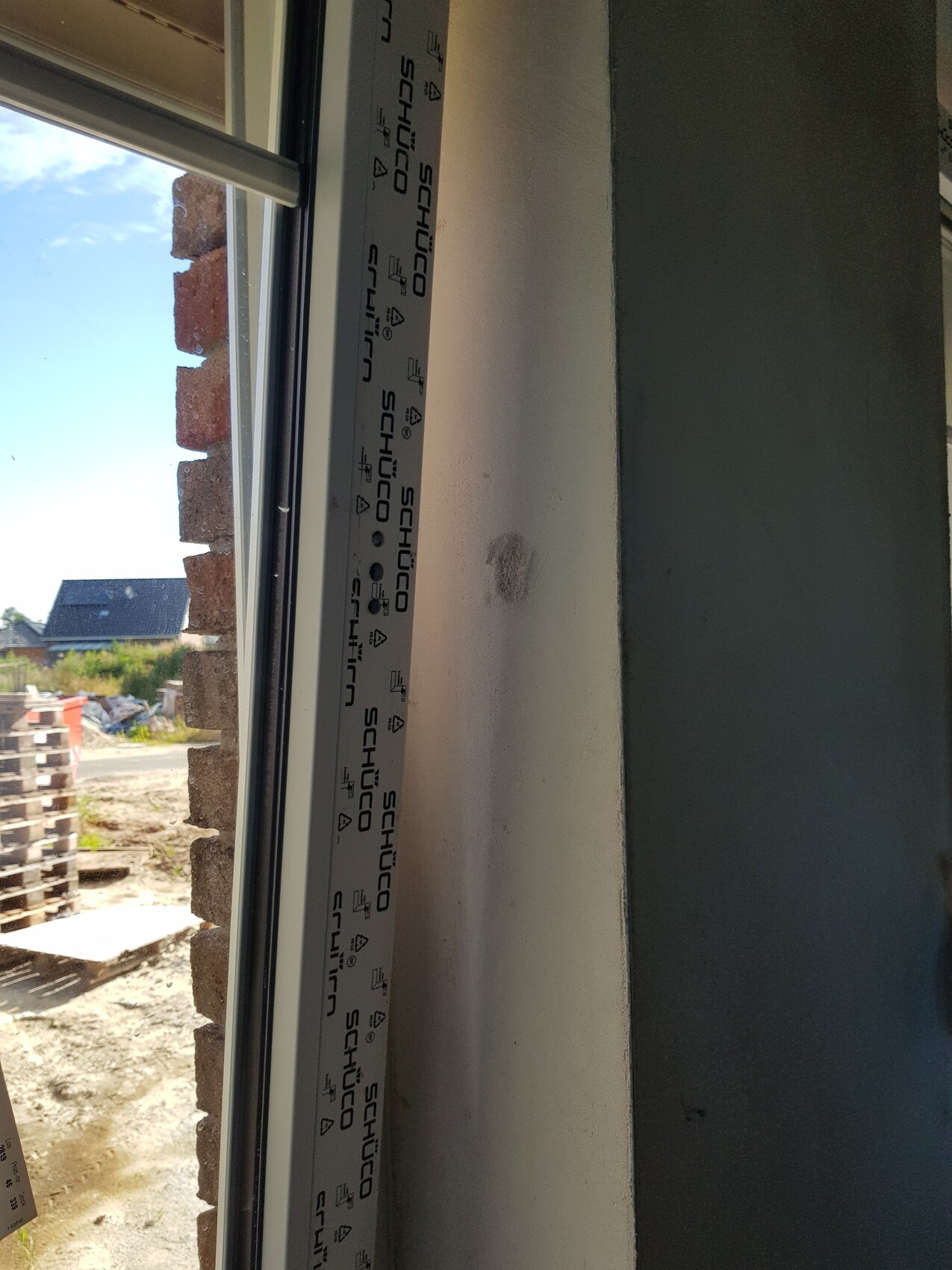
The one near the window is the only larger dent I have found so far, but I haven't been to the upper floor yet since the last two times at the site there was no ladder. I think someone might have bumped into it with something while the plaster was still wet?
Would you consider that a defect?
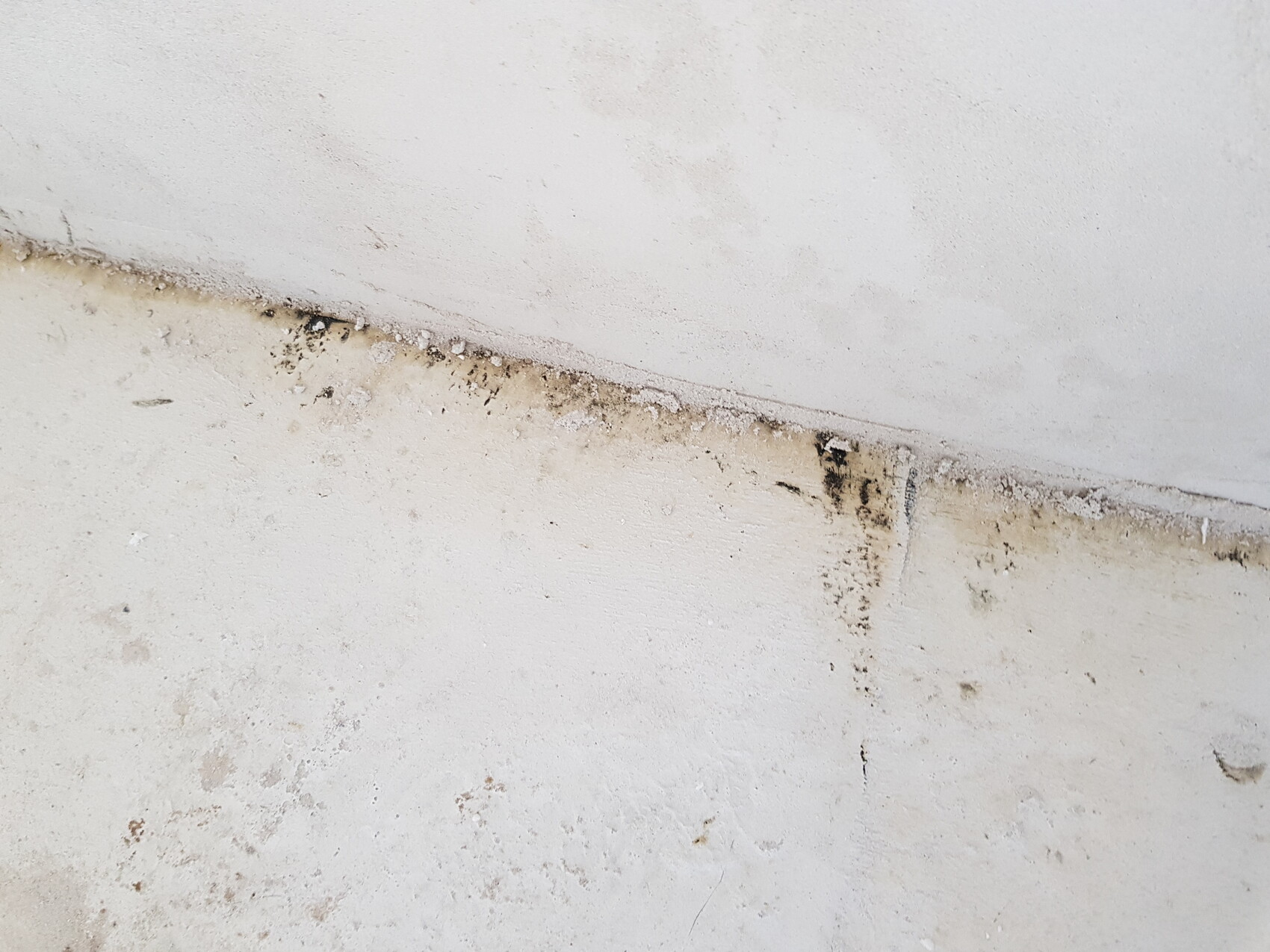
We also noticed some black discoloration on the ground floor floor – could that be mold? I find it hard to believe since it was only on the floor in the corners (no signs on walls or ceilings). If it is mold, does it matter if it’s under the screed? It shouldn’t come through later, right?
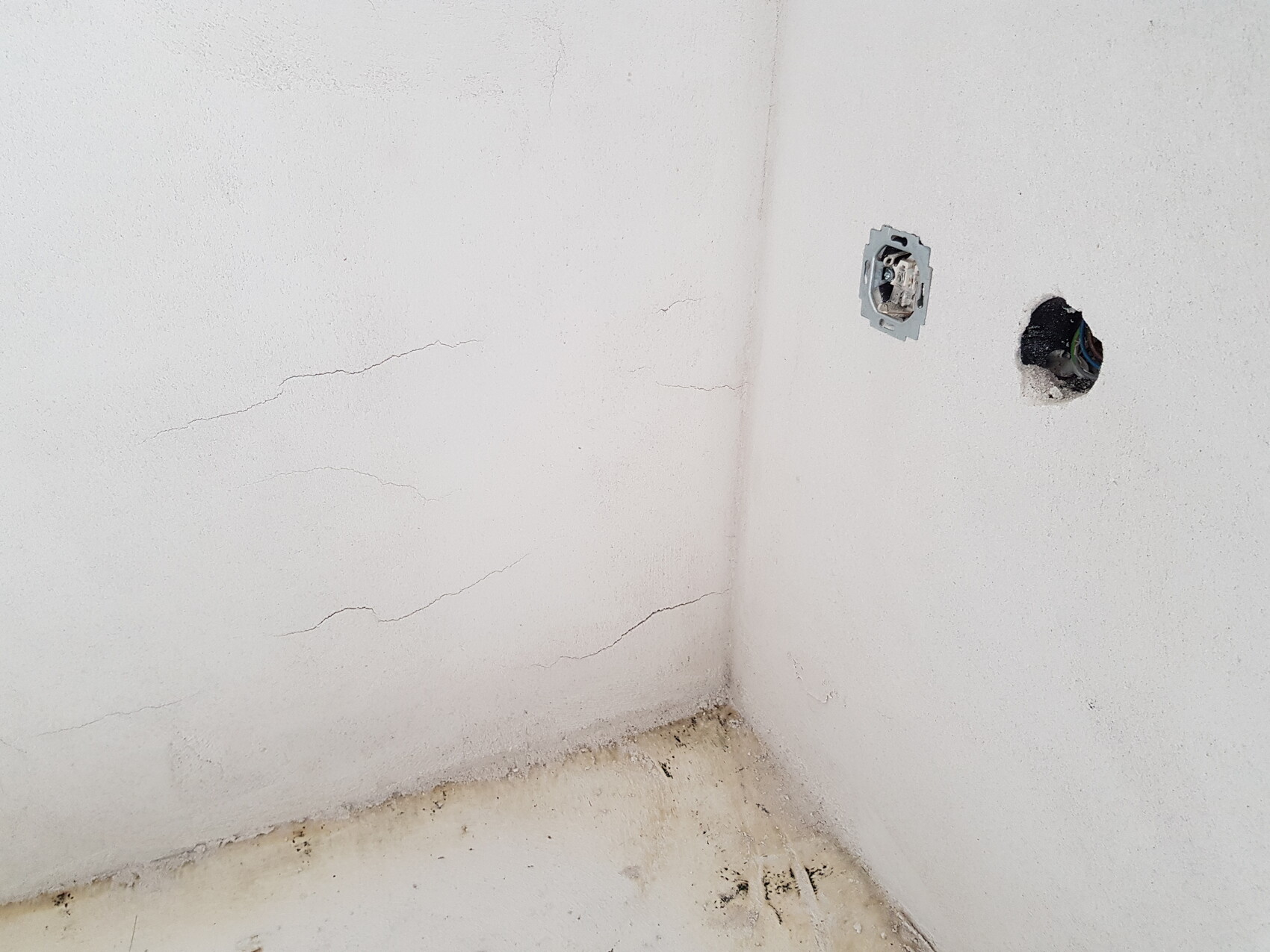
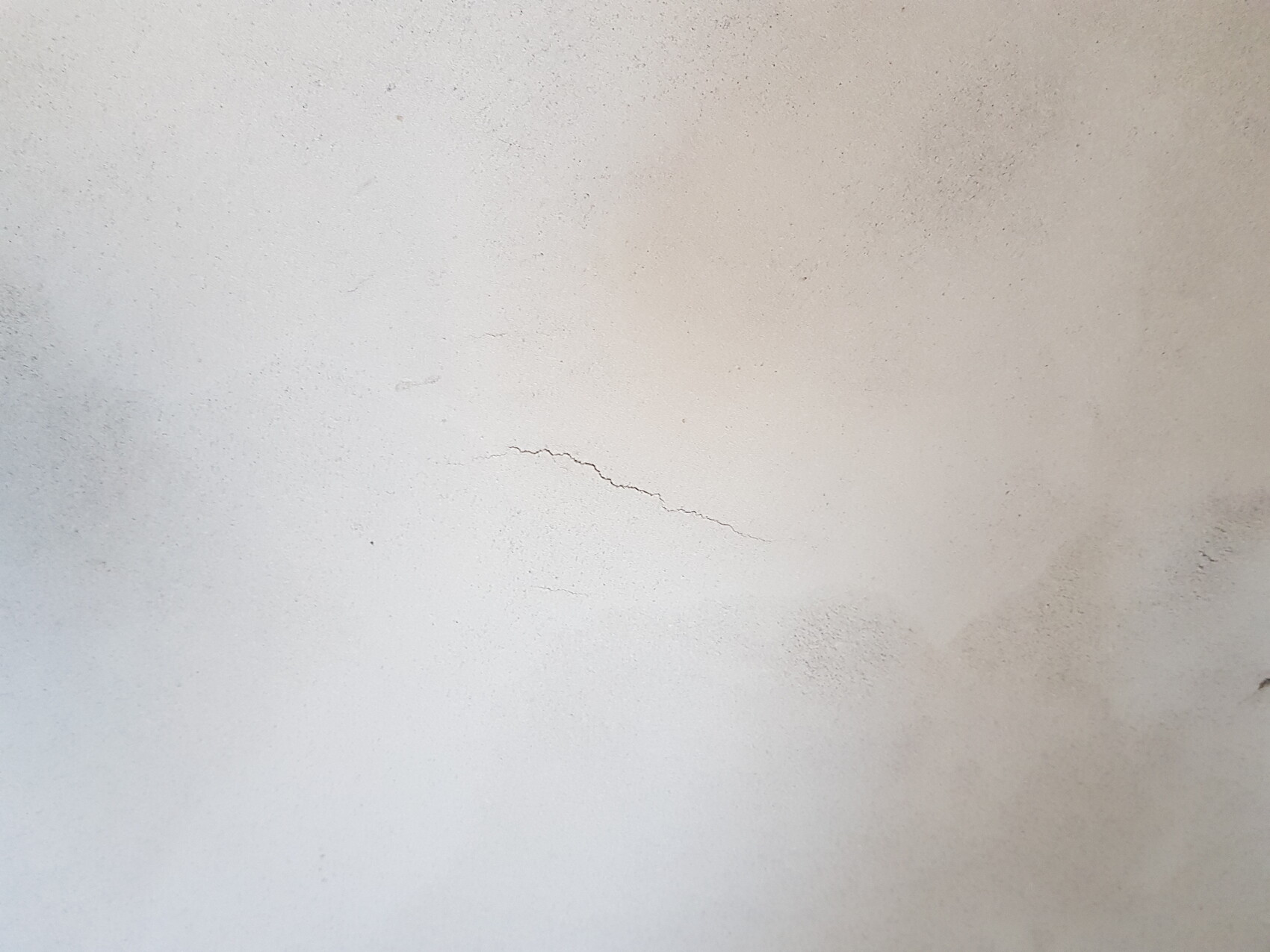
Now that the plaster is slowly drying, we have noticed some isolated cracks on a few walls. I am attaching some photos.
Do you think this is still within the normal range for Q2 plaster finish? Or should we raise this as an issue?
The one near the window is the only larger dent I have found so far, but I haven't been to the upper floor yet since the last two times at the site there was no ladder. I think someone might have bumped into it with something while the plaster was still wet?
Would you consider that a defect?
We also noticed some black discoloration on the ground floor floor – could that be mold? I find it hard to believe since it was only on the floor in the corners (no signs on walls or ceilings). If it is mold, does it matter if it’s under the screed? It shouldn’t come through later, right?
 Vicky Pedia23 Jul 2020 14:19
What I’m seeing here is not Q2 standard. This needs some rework. Fill in cracks, repair dents, and so on.
There is chlorine-based anti-mold spray available—try it on a corner. If the black discoloration disappears, it is mold. There is still time to take action because the mold hasn’t had much time to develop yet.
There is chlorine-based anti-mold spray available—try it on a corner. If the black discoloration disappears, it is mold. There is still time to take action because the mold hasn’t had much time to develop yet.
Vicky Pedia24 Jul 2020 07:25I wouldn’t panic at this point. Install the screed and keep an eye on it. After the screed is installed, the moisture needs to be removed from the building! Consistently ventilate at least twice a day, wipe down the window frames, etc. (but only after one week).
Hello,
The painter will handle filling the dent. These occur because the plaster cannot be protected.
I wouldn’t consider this a defect, unless you are doing the painting yourselves—in that case, the painter will need to repair it once at the end.
The cracks look to me like the plaster was exposed to draft too quickly. This could have been avoided. After drying, apply another coat and fill the cracks.
These cracks should not reopen, but cracking can generally occur with plaster because the building moves and plaster cannot bridge cracks.
If you want to monitor the cracks, apply a 2cm (0.8 inch) wide patch of gypsum plaster along the crack and see if it cracks again. If it does, the cracks are caused by movement; if not, they were normal shrinkage cracks.
Best regards,
Jann
The painter will handle filling the dent. These occur because the plaster cannot be protected.
I wouldn’t consider this a defect, unless you are doing the painting yourselves—in that case, the painter will need to repair it once at the end.
The cracks look to me like the plaster was exposed to draft too quickly. This could have been avoided. After drying, apply another coat and fill the cracks.
These cracks should not reopen, but cracking can generally occur with plaster because the building moves and plaster cannot bridge cracks.
If you want to monitor the cracks, apply a 2cm (0.8 inch) wide patch of gypsum plaster along the crack and see if it cracks again. If it does, the cracks are caused by movement; if not, they were normal shrinkage cracks.
Best regards,
Jann
Vicky Pedia25 Jul 2020 16:20Please no! Nonsense!
Of course, the plasterer must protect their work! And unevenness (not minor bumps) must be corrected, as it does not meet the agreed and paid-for quality.
And no! Cracks do not automatically occur! The building itself does not move!!!!!!!! These are classic shrinkage cracks (due to drying) caused by poor plaster application. The plaster was probably too wet, poorly applied, or something similar. A gypsum patch does nothing here, as these are not settlement cracks.
Again! Poor workmanship, have it redone!!!
Of course, the plasterer must protect their work! And unevenness (not minor bumps) must be corrected, as it does not meet the agreed and paid-for quality.
And no! Cracks do not automatically occur! The building itself does not move!!!!!!!! These are classic shrinkage cracks (due to drying) caused by poor plaster application. The plaster was probably too wet, poorly applied, or something similar. A gypsum patch does nothing here, as these are not settlement cracks.
Again! Poor workmanship, have it redone!!!
Similar topics