
U
underfree21 Mar 2026 20:24Hello everyone,
We recently had a heat pump installed (split system with indoor and outdoor units by Tecalor), and we have some doubts about whether certain installation details were carried out properly.
1. Indoor piping:
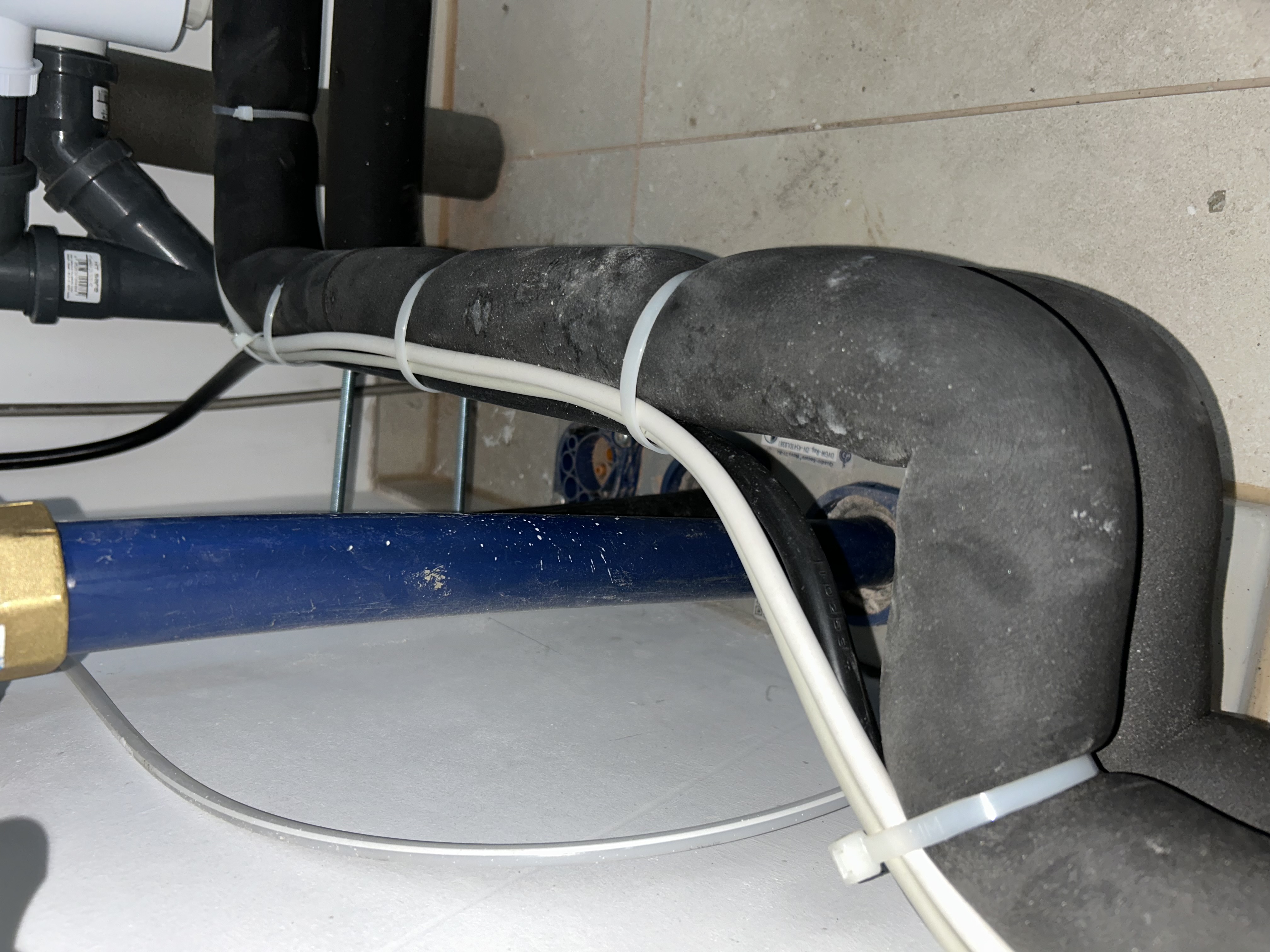
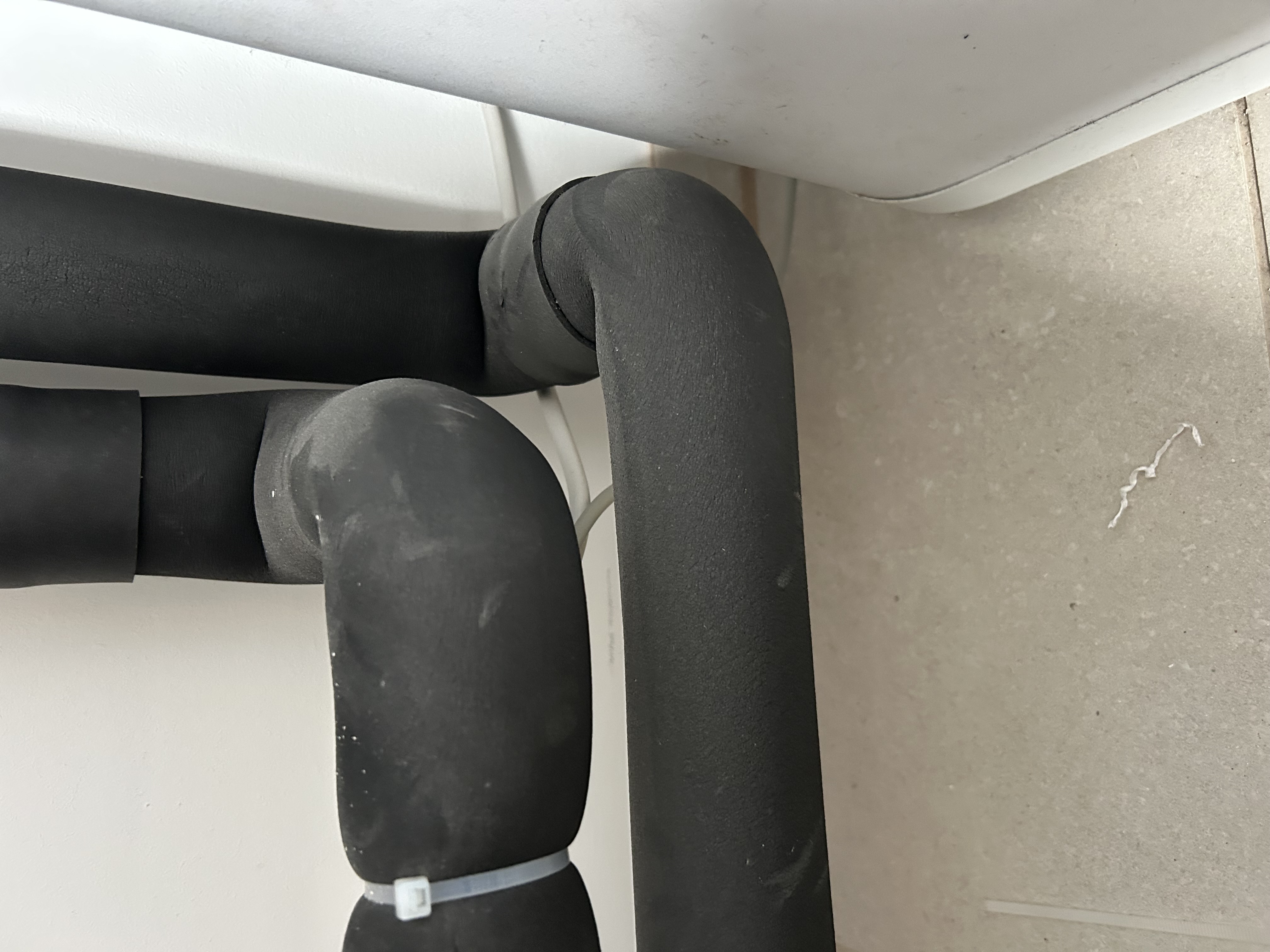
Several lines (presumably power supply and control cables) run between the indoor and outdoor units. Inside, these were fastened directly to an insulated pipe (likely the supply/return or refrigerant line) using cable ties. Is this type of fastening considered acceptable or common according to standard regulations (e.g., VDE / recognized technical standards)? We had expected a cable duct or at least cable clamps attached to the wall, with the electrical and insulated pipes routed separately.
2. Wall penetration to the outside:
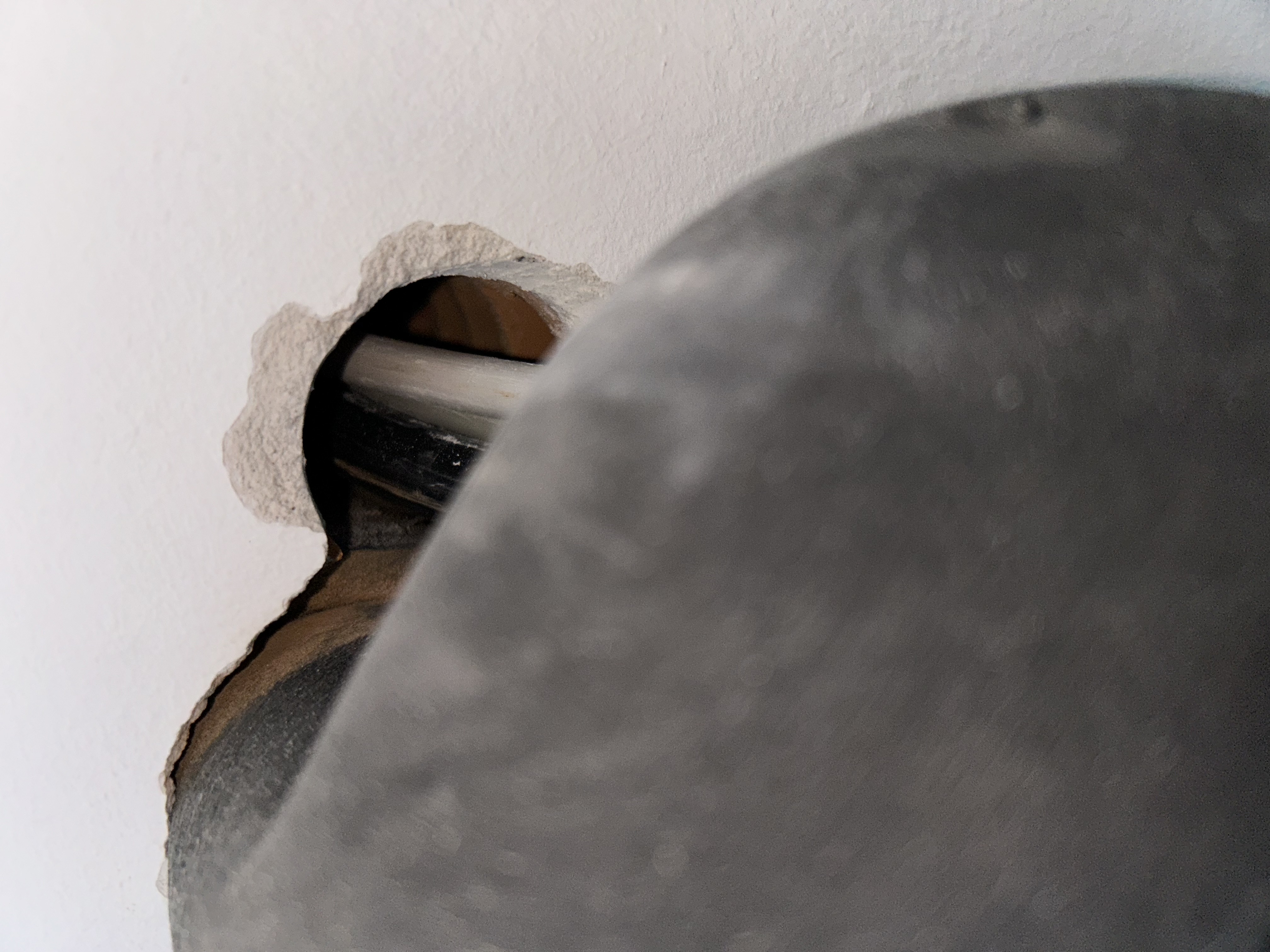
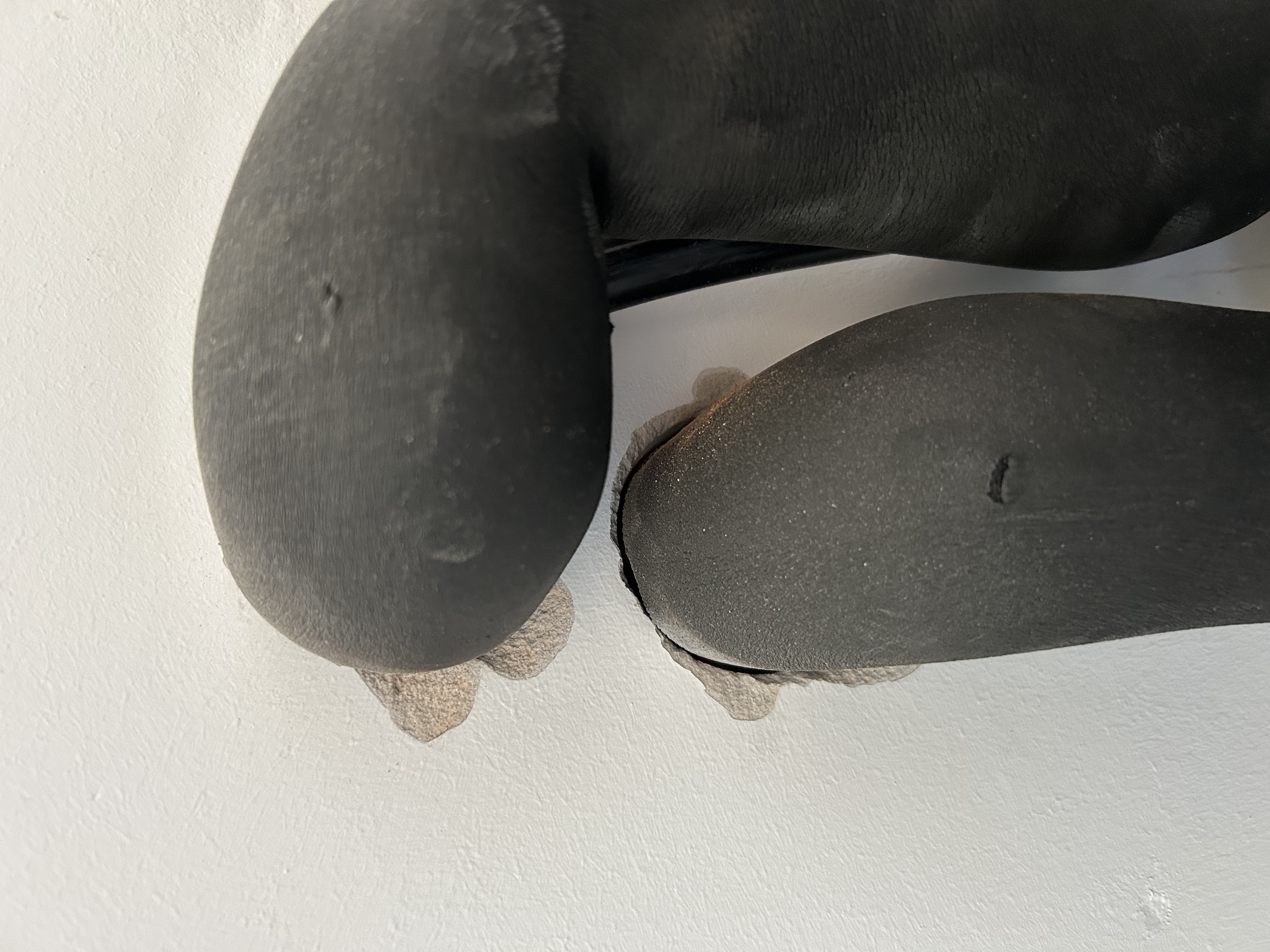
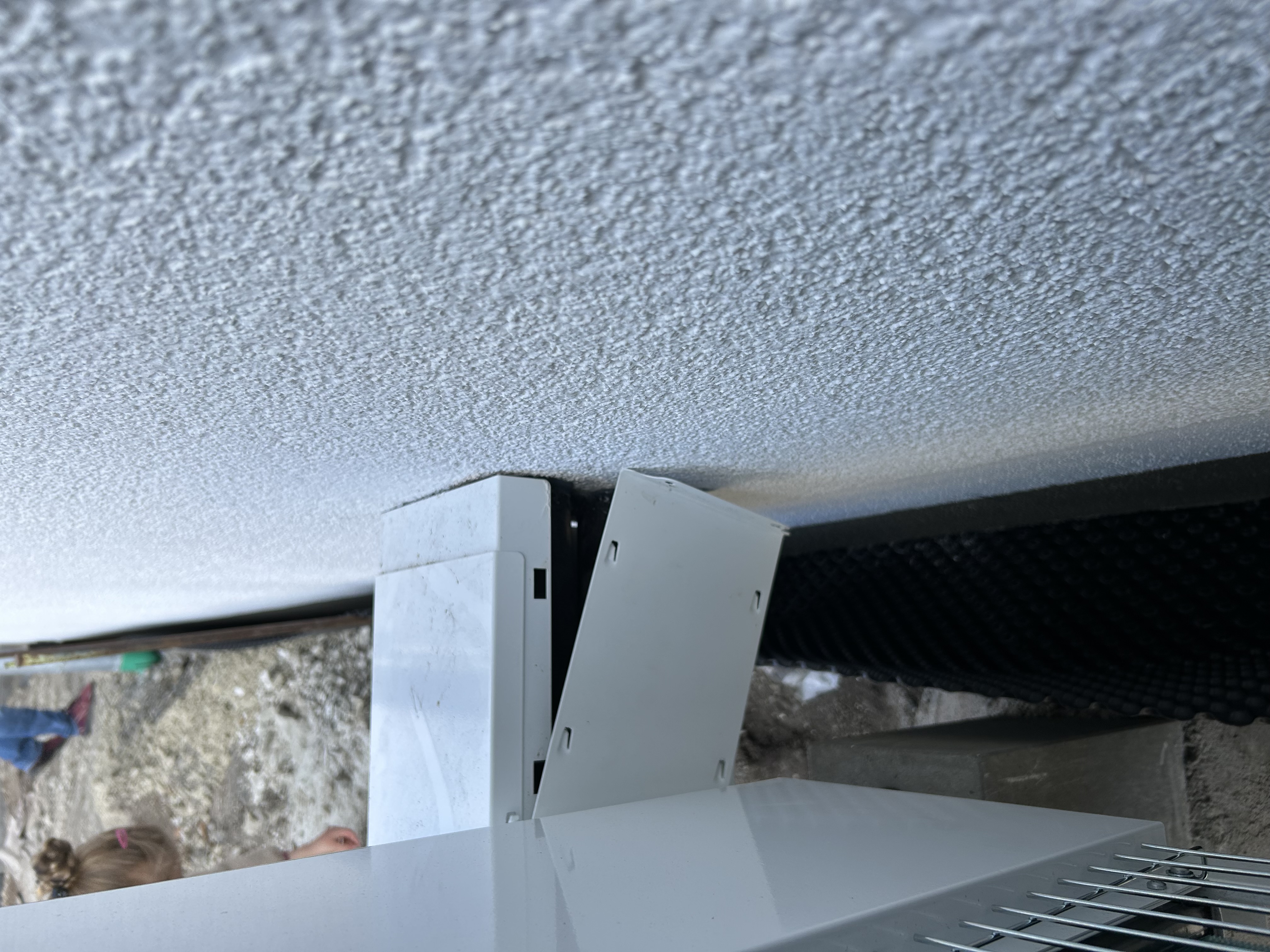
For the connection to the outdoor unit, three holes were drilled through the exterior wall (hollow clay bricks plus external thermal insulation composite system / ETICS).
We noticed the following:
- The cables (including electrical cables) appear to be simply passed through the drilled holes.
- From the inside, no sealing or proper sleeve (e.g., sealing collar or similar) is visible.
- From the outside, there is only some sort of metal cover above the openings.
- It is unclear whether the installation ensures airtightness and low thermal bridging.
Questions:
Does this type of penetration comply with recognized technical rules (airtightness, moisture protection, thermal protection)?
What would a professional installation look like for an ETICS and hollow clay brick wall?
The house has now been unheated for 2-3 weeks, as the temporary heat pump has already been removed.
We would greatly appreciate your assessment on whether this is acceptable as is or if corrective measures are needed.
Thank you in advance!
We recently had a heat pump installed (split system with indoor and outdoor units by Tecalor), and we have some doubts about whether certain installation details were carried out properly.
1. Indoor piping:
Several lines (presumably power supply and control cables) run between the indoor and outdoor units. Inside, these were fastened directly to an insulated pipe (likely the supply/return or refrigerant line) using cable ties. Is this type of fastening considered acceptable or common according to standard regulations (e.g., VDE / recognized technical standards)? We had expected a cable duct or at least cable clamps attached to the wall, with the electrical and insulated pipes routed separately.
2. Wall penetration to the outside:
For the connection to the outdoor unit, three holes were drilled through the exterior wall (hollow clay bricks plus external thermal insulation composite system / ETICS).
We noticed the following:
- The cables (including electrical cables) appear to be simply passed through the drilled holes.
- From the inside, no sealing or proper sleeve (e.g., sealing collar or similar) is visible.
- From the outside, there is only some sort of metal cover above the openings.
- It is unclear whether the installation ensures airtightness and low thermal bridging.
Questions:
Does this type of penetration comply with recognized technical rules (airtightness, moisture protection, thermal protection)?
What would a professional installation look like for an ETICS and hollow clay brick wall?
The house has now been unheated for 2-3 weeks, as the temporary heat pump has already been removed.
We would greatly appreciate your assessment on whether this is acceptable as is or if corrective measures are needed.
Thank you in advance!

M
MachsSelbst23 Mar 2026 22:25This might be common practice, but it is not professional.
Insulation must not be compressed by cable ties, as this reduces its effectiveness or even renders it pointless.
Similarly ineffective is fastening electrical cables onto pipes that heat up...
The hole drilled for cables is a perfect thermal bridge, which will definitely encourage mold growth. And we won’t even start on fire protection here...
The way the metal cover is installed says everything about this company. They are careless workers, and I wouldn’t trust them with anything...
Insulation must not be compressed by cable ties, as this reduces its effectiveness or even renders it pointless.
Similarly ineffective is fastening electrical cables onto pipes that heat up...
The hole drilled for cables is a perfect thermal bridge, which will definitely encourage mold growth. And we won’t even start on fire protection here...
The way the metal cover is installed says everything about this company. They are careless workers, and I wouldn’t trust them with anything...
U
underfree25 Mar 2026 11:10At this point, two companies are working more or less in parallel. The plumbing company drilled through the wall, including installing the pipes, while the electrician came a few days later to run the cables. After the electrician finished his work, the plumbing company fully screwed on the metal cover and sealed it to the house wall with silicone.
At our request (and most likely at additional cost to us), the cables have since been routed outside along the wall using a cable trunking system.
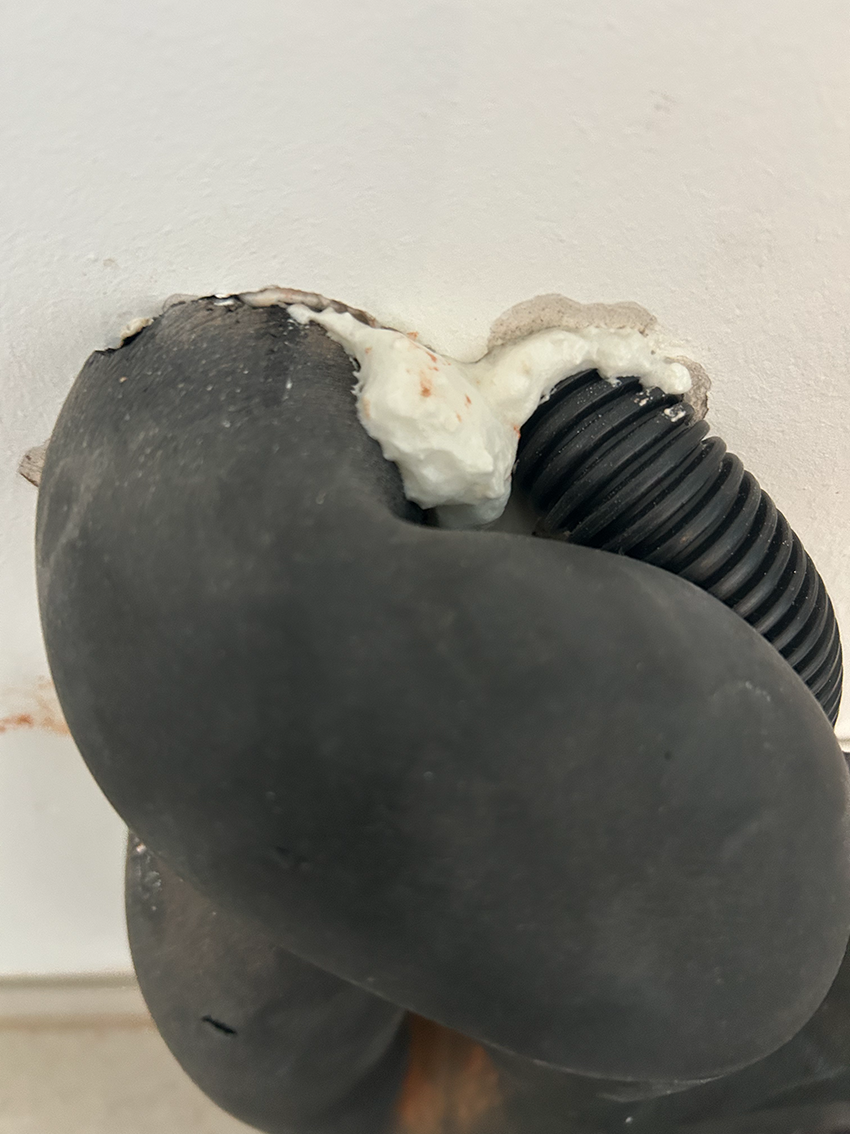
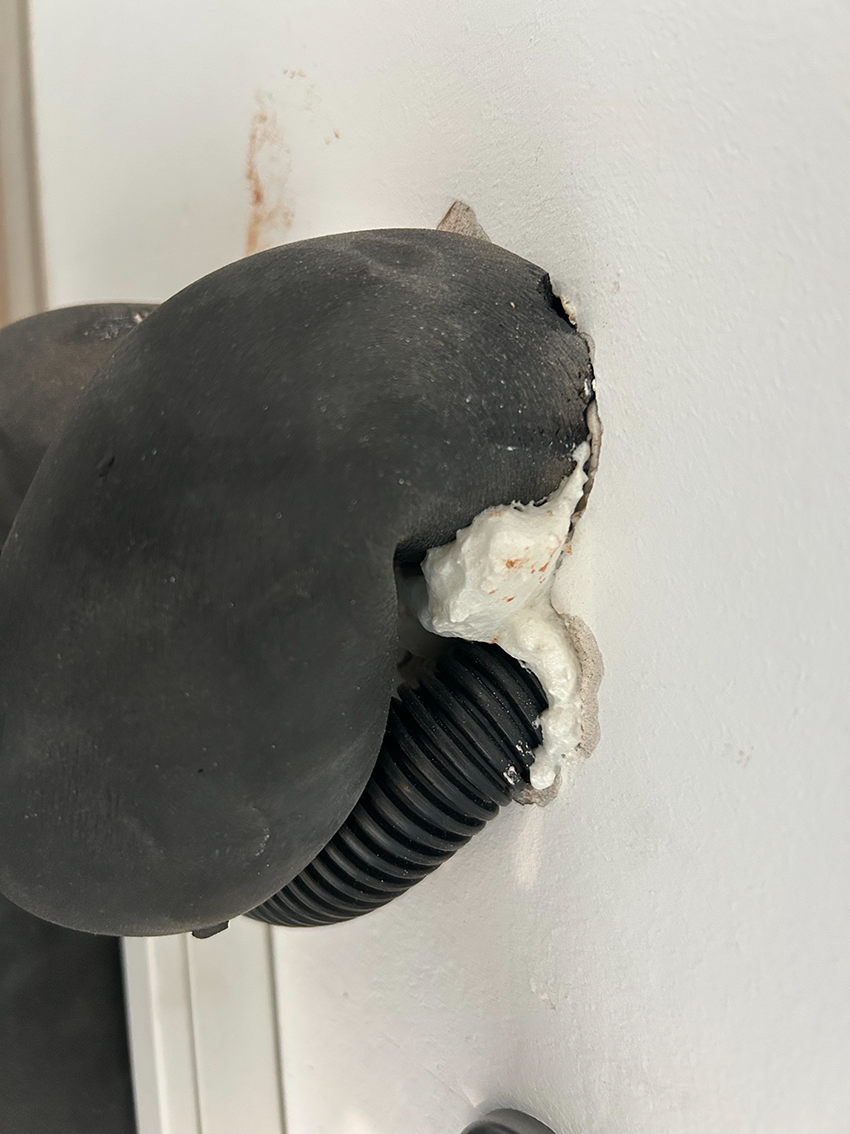
The holes drilled through the hollow bricks and the external thermal insulation composite system appear to have been sealed only with expanding foam. From what we understand, this is not a professional solution for the long term, and we are quite dissatisfied.
At our request (and most likely at additional cost to us), the cables have since been routed outside along the wall using a cable trunking system.
The holes drilled through the hollow bricks and the external thermal insulation composite system appear to have been sealed only with expanding foam. From what we understand, this is not a professional solution for the long term, and we are quite dissatisfied.
Similar topics