

In some posts, I have occasionally pointed out that not every trade is suitable for "DIY." For certain tasks, especially when it comes to building materials, it is not enough to watch a short video on YouTube or look at the smiling faces of the installers or brochures available at hardware stores.
In a recent case I handled, a homeowner, equipped with a fair amount of half-knowledge, attempted coating work on his long garage driveway. The combination of materials was selected from various sources, with the price of the materials clearly playing a significant role.
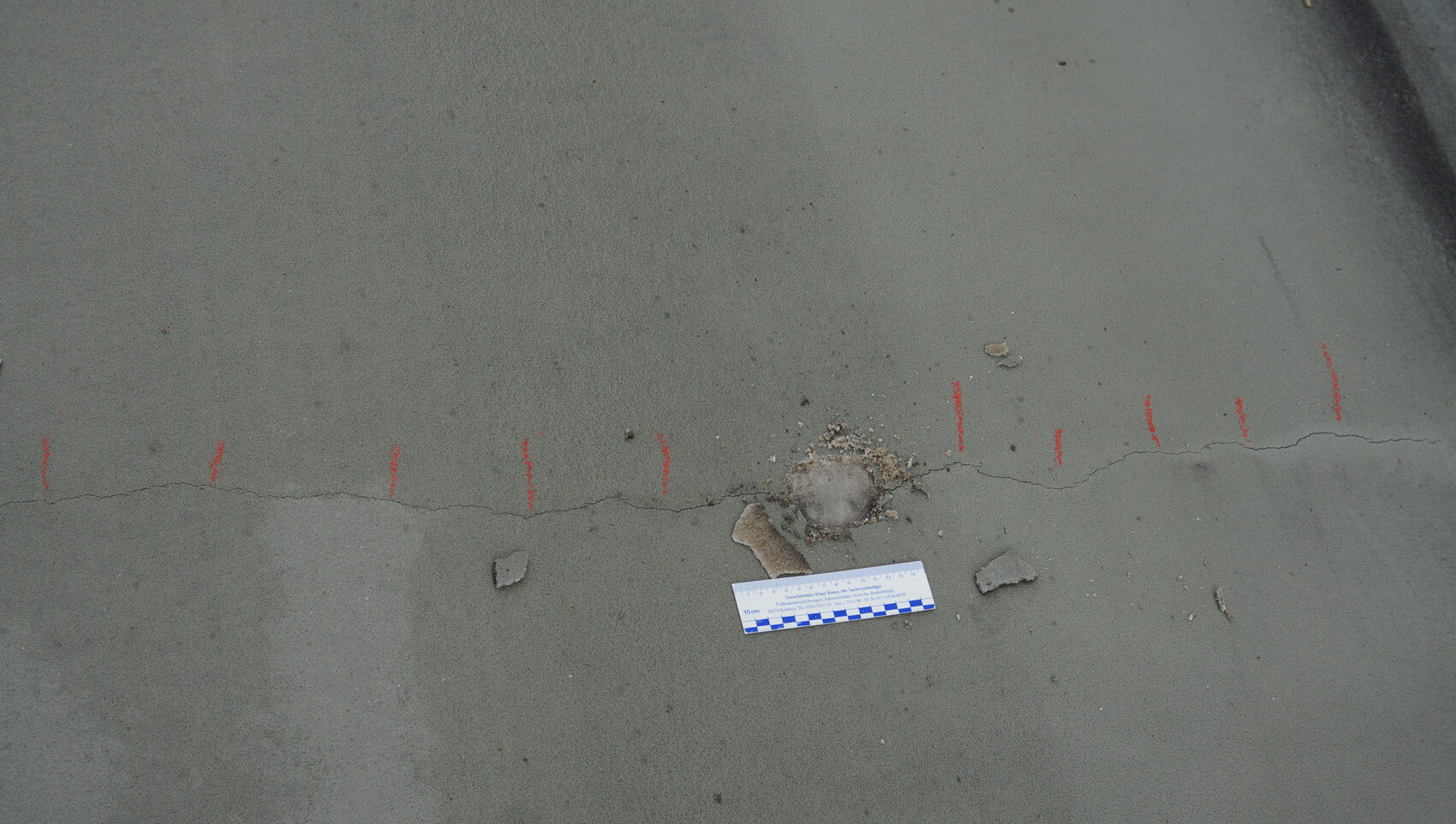
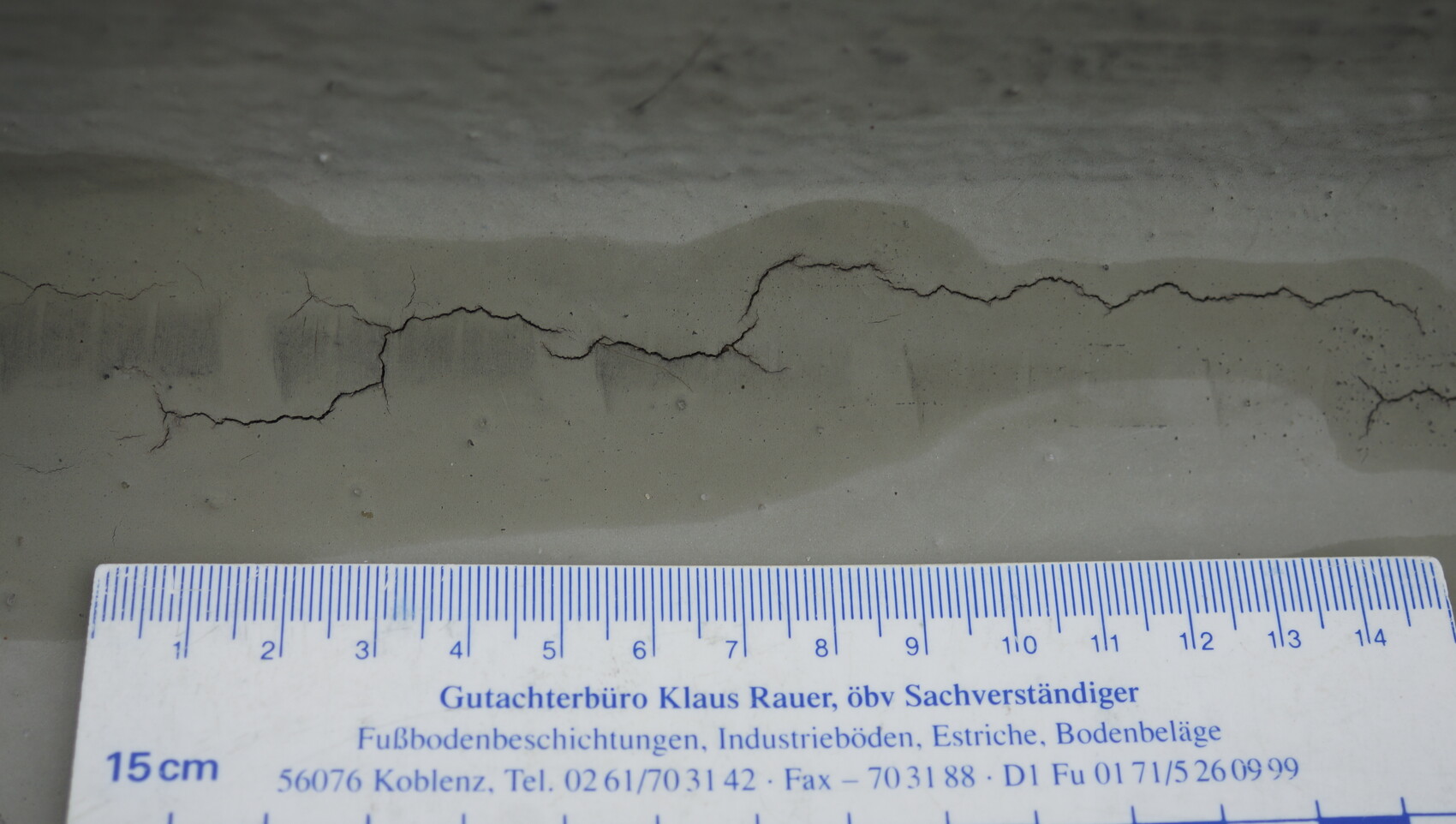
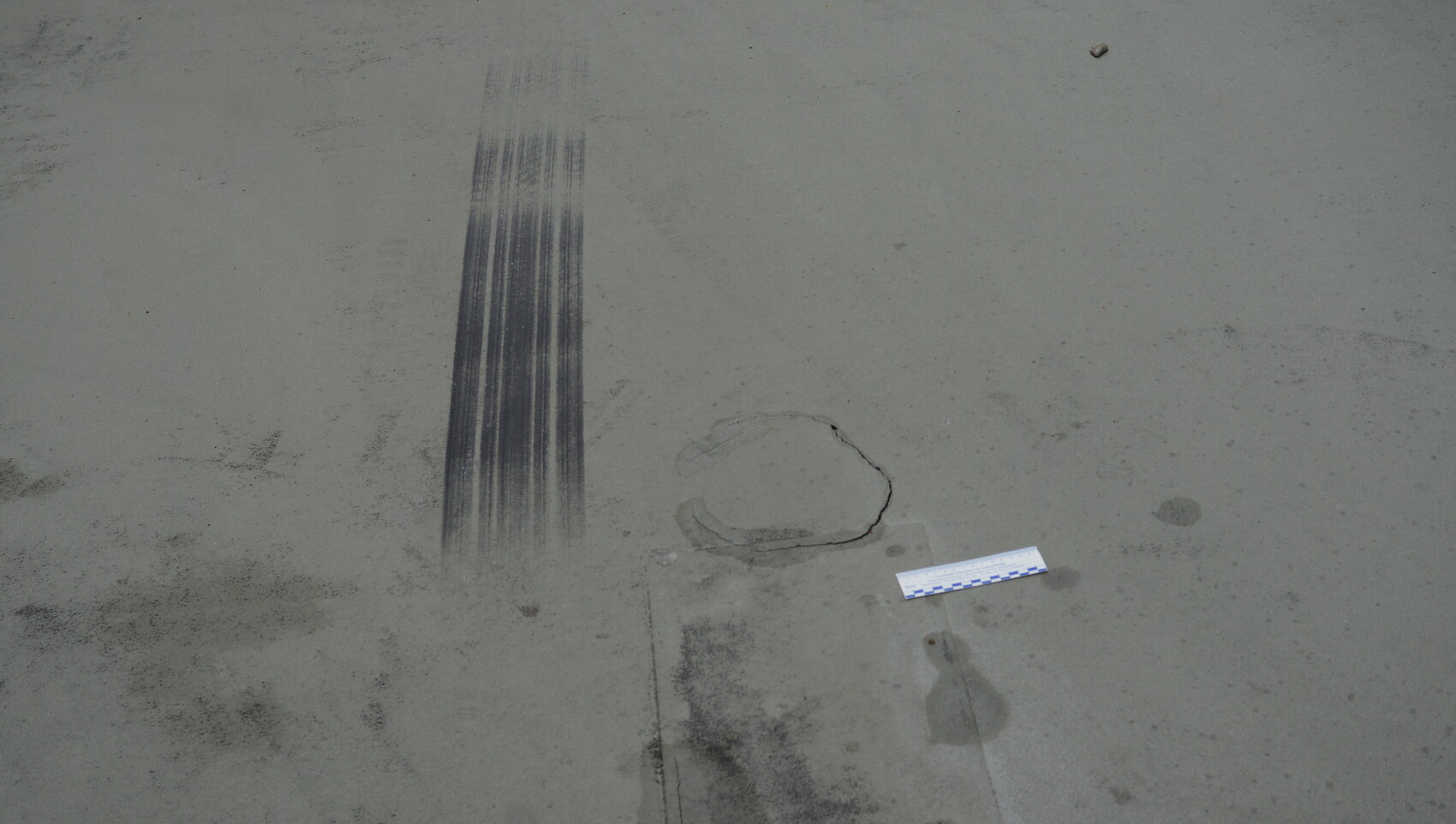
The concrete substrate was not prepared to the necessary extent due to the lack of appropriate machinery, which was required but not available. Soon, long cracks appeared, although these cracks did not extend through the concrete itself (DSC2386). Cracks after cracks marked the surface of the floor, which had been painstakingly applied using DIY techniques (DSC2382). The damaged areas of the floor coating reached unexpected proportions (DSC2381). Delamination of the coating was particularly noticeable in areas subject to shear forces caused by vehicle tires on the driveway (DSC2389).
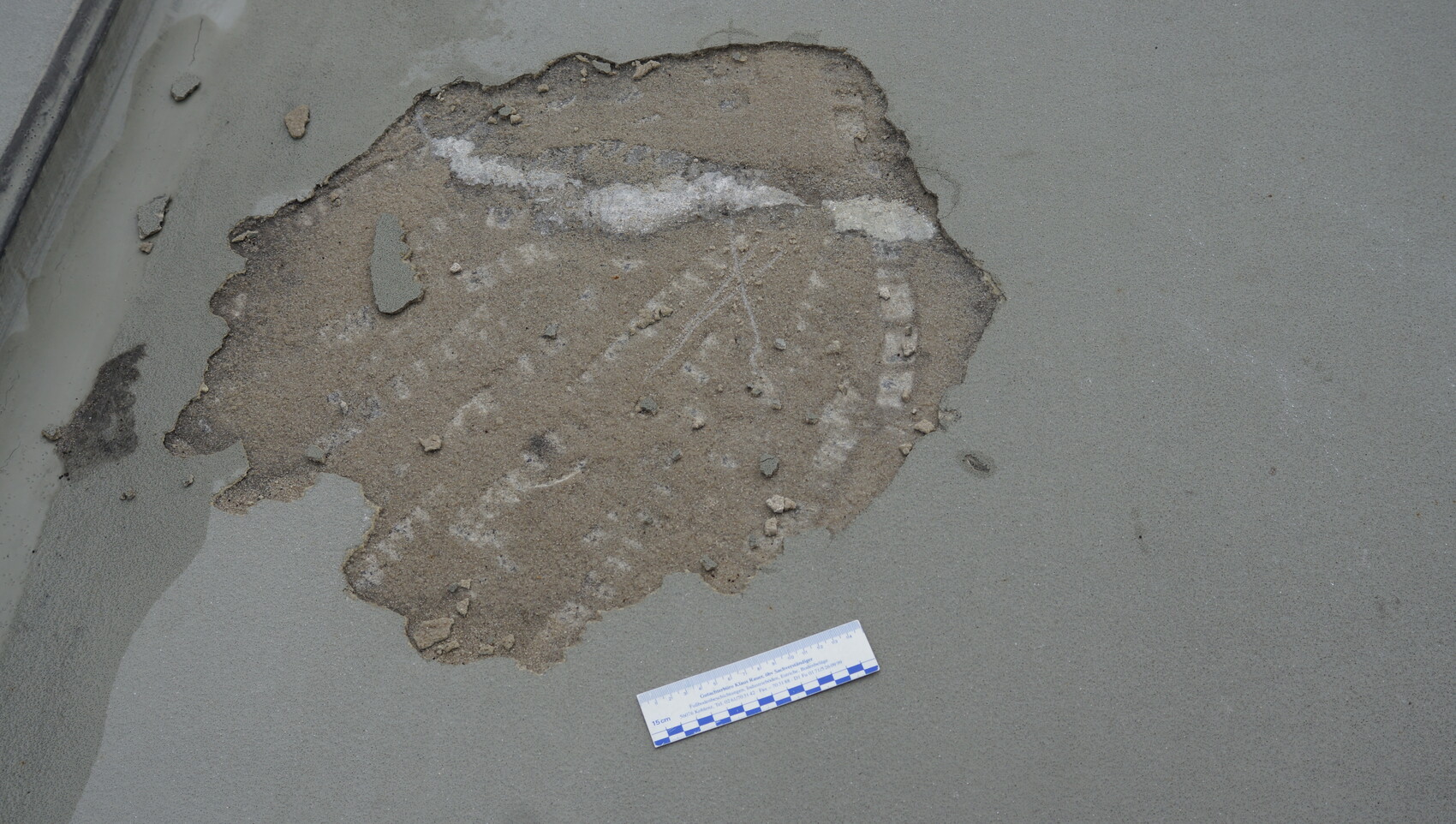
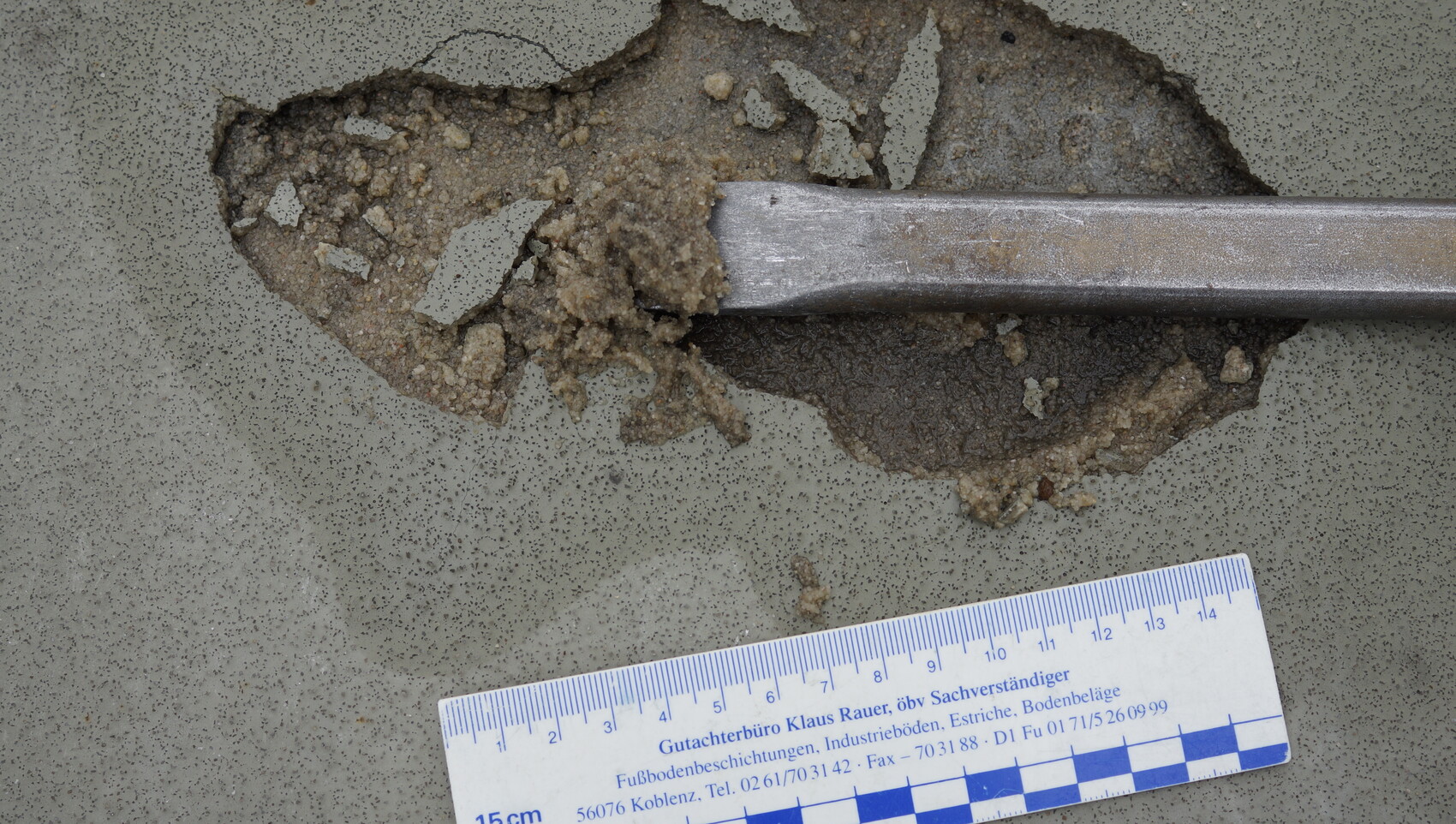
The resin-based leveling layer (beneath a sealant) had no inherent strength at all and could easily be scraped off (in this case, with a chisel) (DSC2384). To cut a long story short: the entire trade turned out to be a total failure!
What was the cause? Neither was the two-component epoxy resin waterproof for surface leveling, nor was the sealant specified by the manufacturer for outdoor use. Although the system was marketed as a "parking garage coating" in the chosen material combination, all components were intended for indoor use only.
It is therefore worthwhile to have certain trades performed by a professional contractor. The expected cost savings ended up being a loss for the homeowner. The cost of the removal and subsequent mechanical substrate treatment with shot blasting alone exceeded the cost of the original materials.
That is why every DIY enthusiast should carefully consider, before overestimating their craftsmanship, whether the cost of hiring a suitable professional contractor might actually be the more economical option when "improving" their home. This applies to all other finishing trades as well!
Best regards to all: KlaRa
In a recent case I handled, a homeowner, equipped with a fair amount of half-knowledge, attempted coating work on his long garage driveway. The combination of materials was selected from various sources, with the price of the materials clearly playing a significant role.
The concrete substrate was not prepared to the necessary extent due to the lack of appropriate machinery, which was required but not available. Soon, long cracks appeared, although these cracks did not extend through the concrete itself (DSC2386). Cracks after cracks marked the surface of the floor, which had been painstakingly applied using DIY techniques (DSC2382). The damaged areas of the floor coating reached unexpected proportions (DSC2381). Delamination of the coating was particularly noticeable in areas subject to shear forces caused by vehicle tires on the driveway (DSC2389).
The resin-based leveling layer (beneath a sealant) had no inherent strength at all and could easily be scraped off (in this case, with a chisel) (DSC2384). To cut a long story short: the entire trade turned out to be a total failure!
What was the cause? Neither was the two-component epoxy resin waterproof for surface leveling, nor was the sealant specified by the manufacturer for outdoor use. Although the system was marketed as a "parking garage coating" in the chosen material combination, all components were intended for indoor use only.
It is therefore worthwhile to have certain trades performed by a professional contractor. The expected cost savings ended up being a loss for the homeowner. The cost of the removal and subsequent mechanical substrate treatment with shot blasting alone exceeded the cost of the original materials.
That is why every DIY enthusiast should carefully consider, before overestimating their craftsmanship, whether the cost of hiring a suitable professional contractor might actually be the more economical option when "improving" their home. This applies to all other finishing trades as well!
Best regards to all: KlaRa

Who calls the expert in such a case? Surely not the DIY enthusiast who wants to be frowned upon by Santa Claus?
https://www.instagram.com/11antgmxde/
https://www.linkedin.com/company/bauen-jetzt/
https://www.instagram.com/11antgmxde/
https://www.linkedin.com/company/bauen-jetzt/
The poor choice of materials was simply foolish, in my opinion. Trying to blame someone for it feels like a typically German attitude, I think.
As for having a professional handle this kind of job—that's where I initially disagree. As you described, the root cause of the problem was cheapness, specifically in the selection of materials. It had much less to do with the actual craftsmanship.
As for having a professional handle this kind of job—that's where I initially disagree. As you described, the root cause of the problem was cheapness, specifically in the selection of materials. It had much less to do with the actual craftsmanship.