
ᐅ Problems with mold during renovation due to insufficient or incorrect heating
Created on: 2 Nov 2025 22:09
O
onkelchicoO
onkelchico2 Nov 2025 22:09Hello everyone,
I have a question regarding whether I can remove this mold in our future house using "simple methods," like sanding with coarse sandpaper and treating it with a chlorine-based mold remover. The house will only be rented by us, so no renovation work is planned.
In many rooms, there were wood paneling (on both walls and ceilings), which I have been removing piece by piece, revealing mold in some areas. An elderly couple previously lived in the house, and electric fan heaters were installed in both the bathroom and guest toilet. I assume that heating costs were saved by only heating when necessary.
The pictures show a large bathroom, a guest toilet, and a walk-in closet (a separated area between the bedroom and the large bathroom). The previously larger room was divided with a partition wall made from two panels.
I look forward to your feedback and thank you in advance for your help.
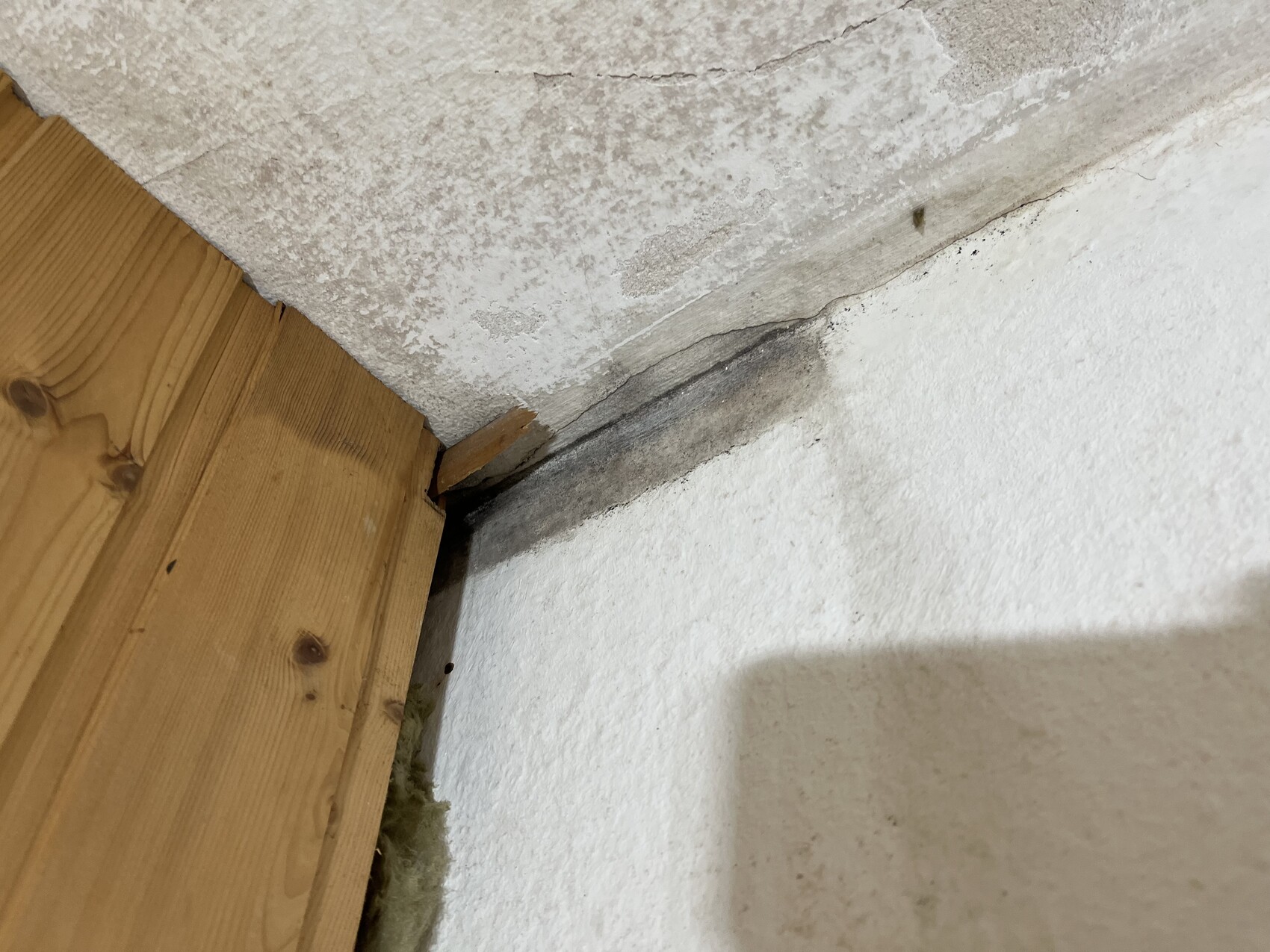
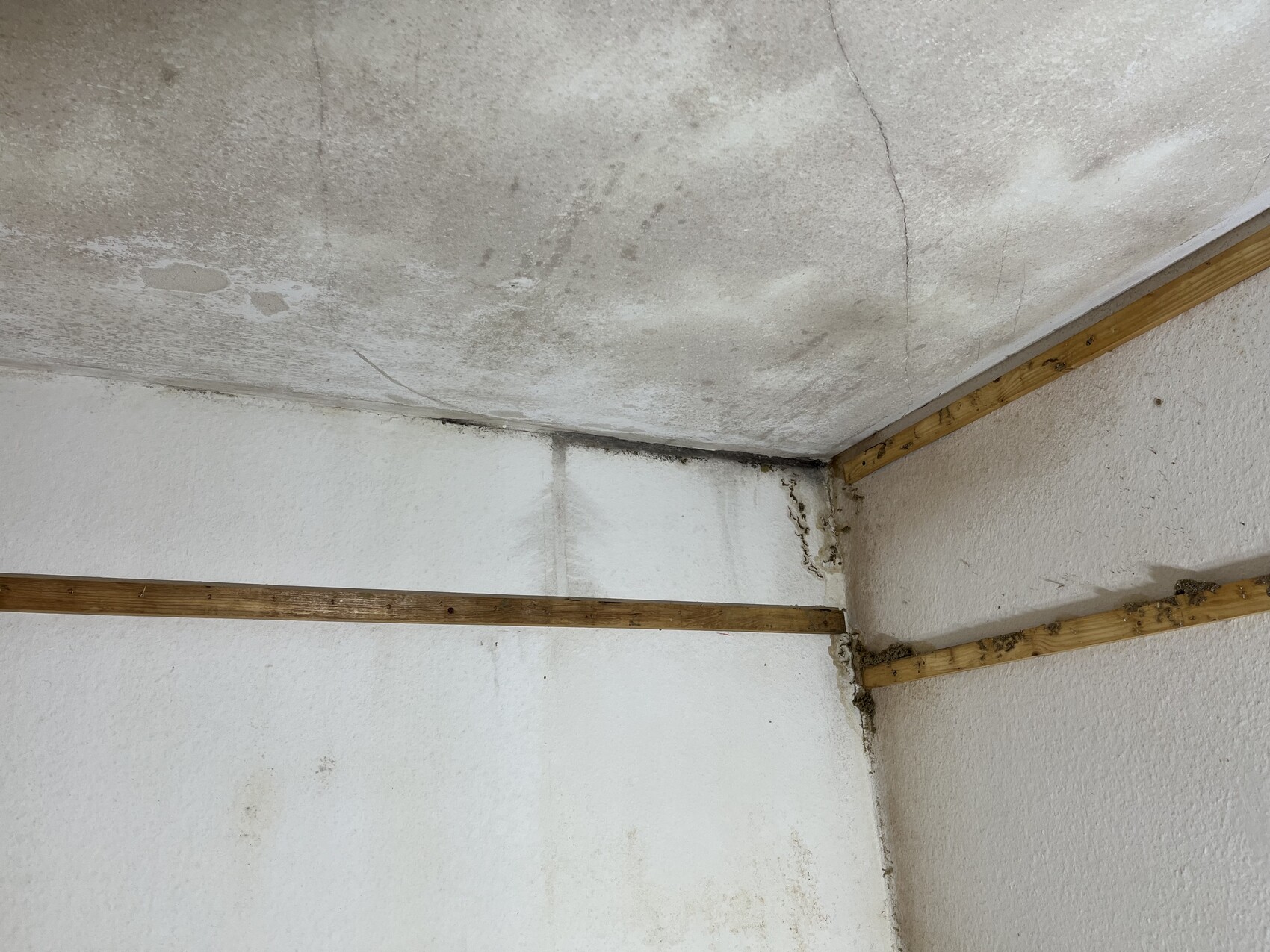

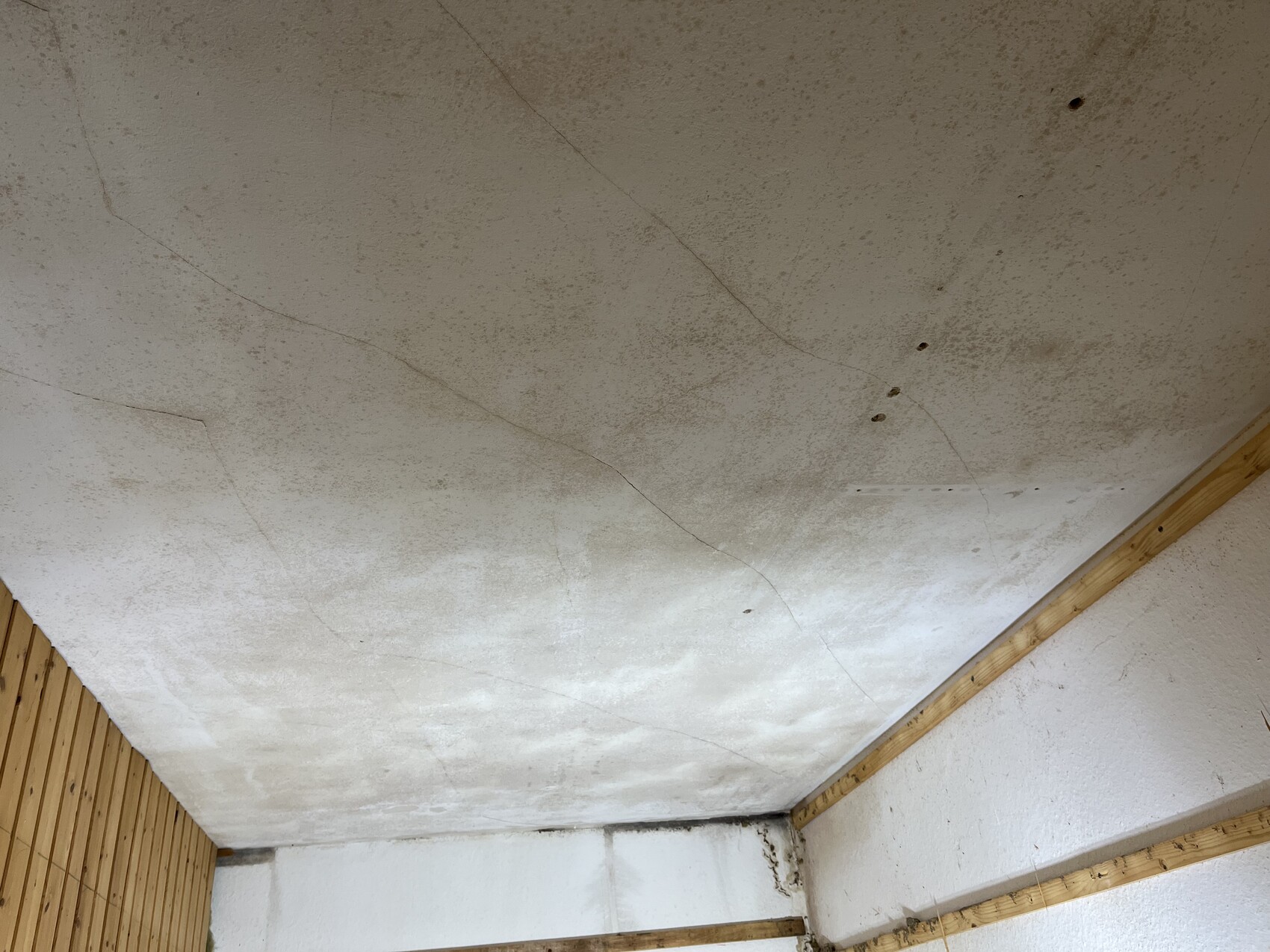
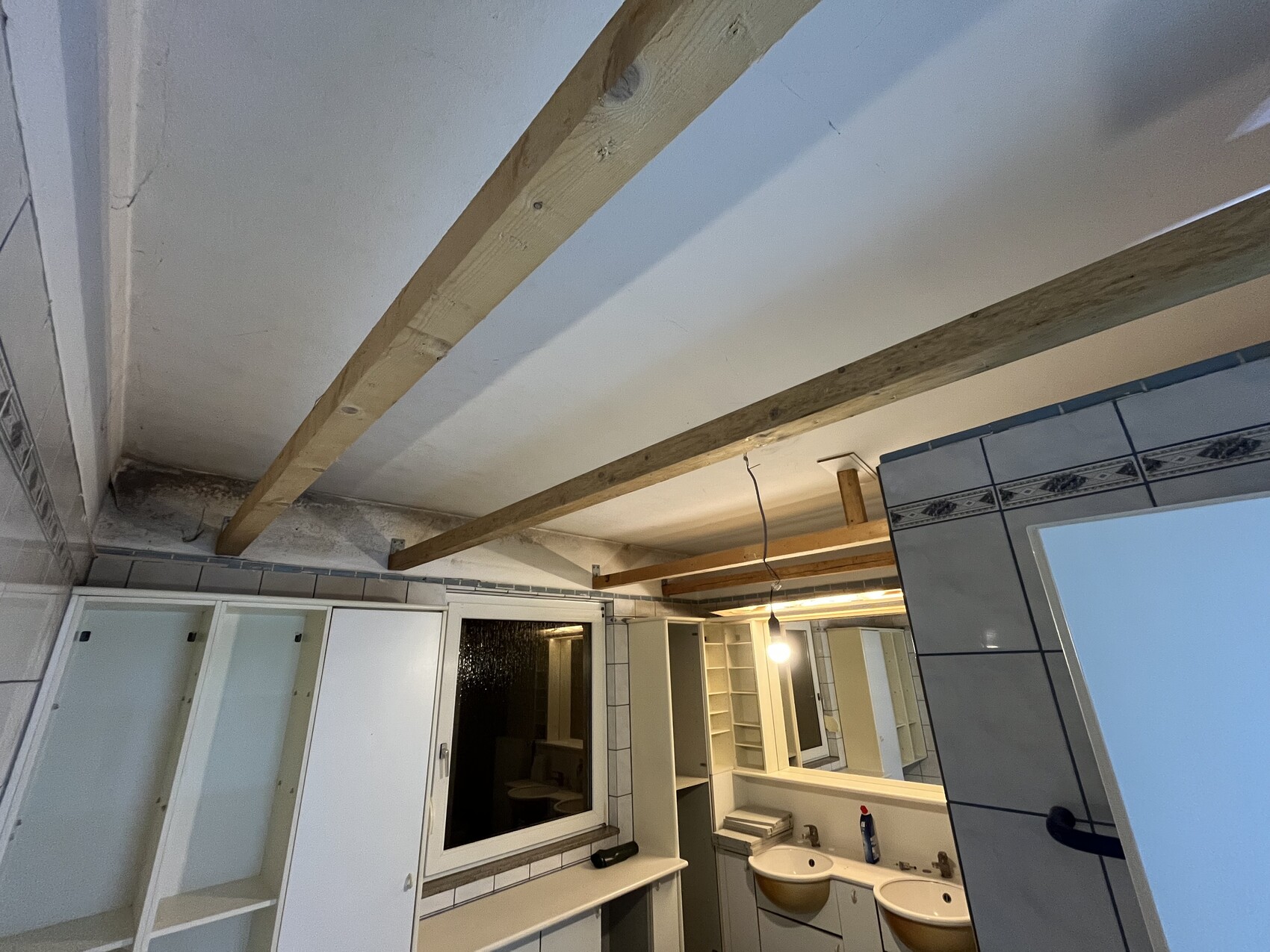

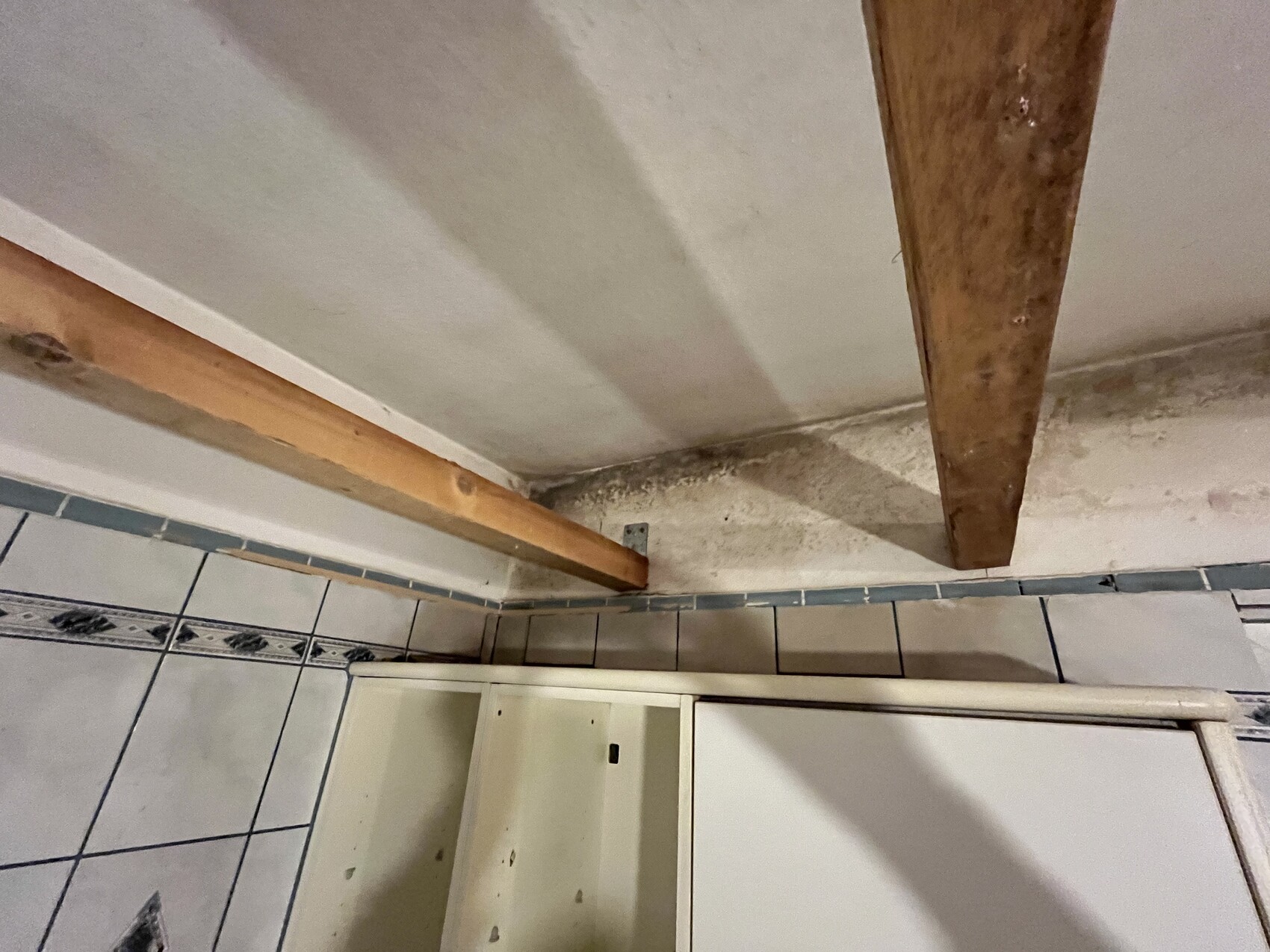
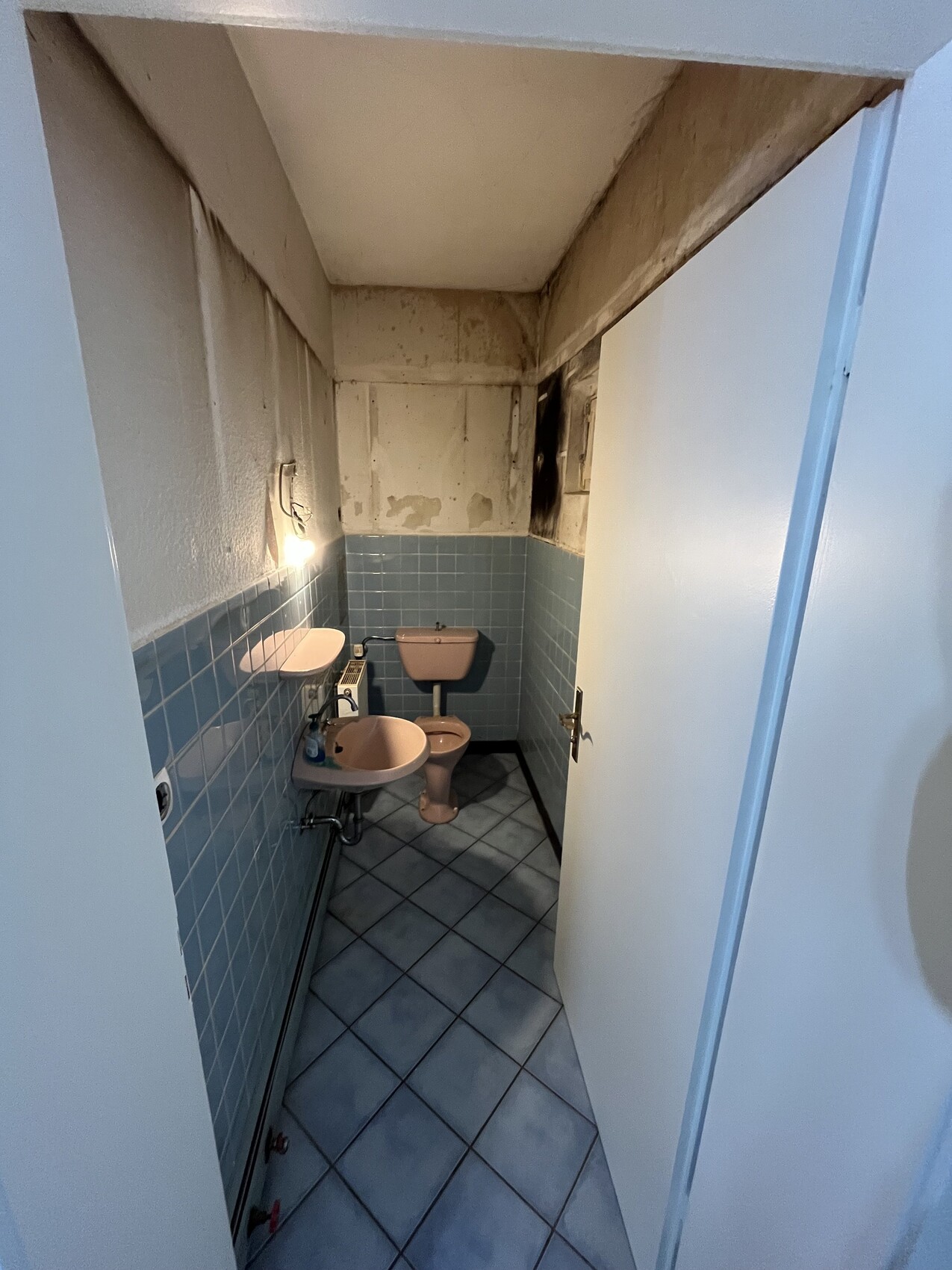
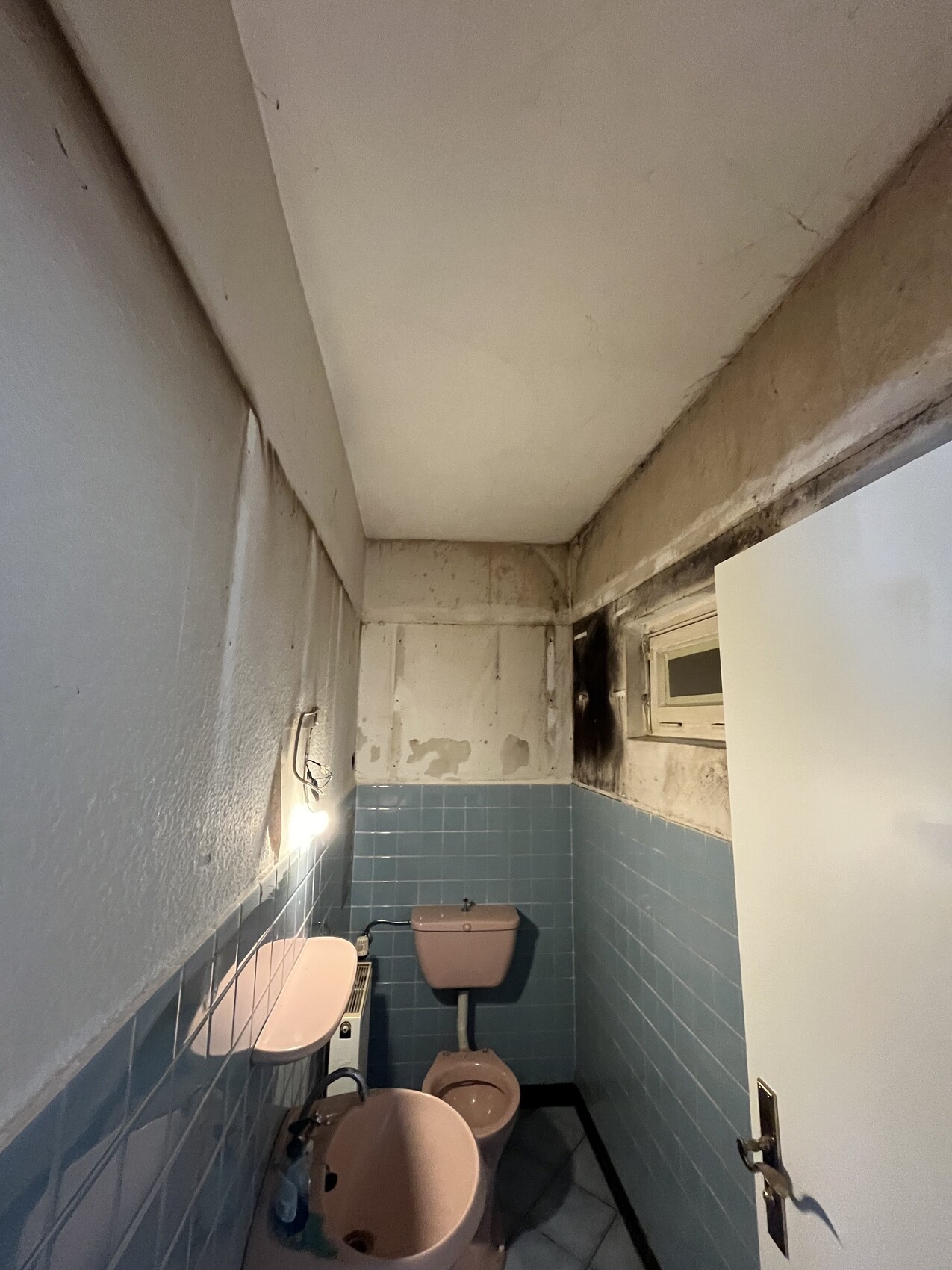
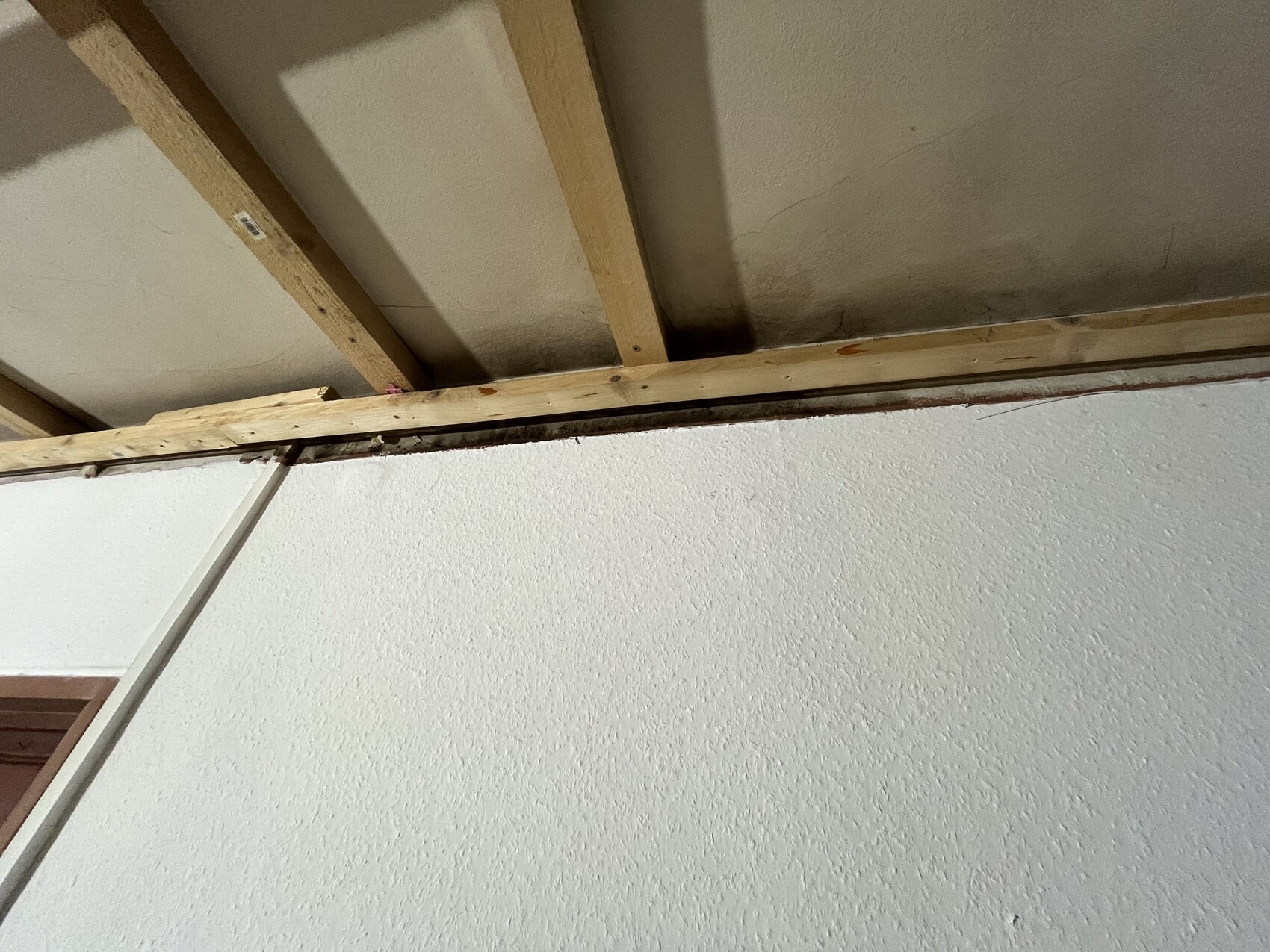
I have a question regarding whether I can remove this mold in our future house using "simple methods," like sanding with coarse sandpaper and treating it with a chlorine-based mold remover. The house will only be rented by us, so no renovation work is planned.
In many rooms, there were wood paneling (on both walls and ceilings), which I have been removing piece by piece, revealing mold in some areas. An elderly couple previously lived in the house, and electric fan heaters were installed in both the bathroom and guest toilet. I assume that heating costs were saved by only heating when necessary.
The pictures show a large bathroom, a guest toilet, and a walk-in closet (a separated area between the bedroom and the large bathroom). The previously larger room was divided with a partition wall made from two panels.
I look forward to your feedback and thank you in advance for your help.
W
wiltshire2 Nov 2025 22:21I wouldn’t even consider moving in without a proper professional renovation, even if I were paid to do so. This looks to me not just like a cosmetic issue, but potentially a health hazard.
onkelchico schrieb:
The house is only going to be rented by us, so no renovation is planned.You can’t be serious, right? Without identifying the cause AND thoroughly removing the mold, I don’t see how healthy living in that place is possible. I’m familiar with simple living, but this is not simplicity—it’s unacceptable. What do your roommates think about this, or what are you telling them about these apparent risks?C
chand19863 Nov 2025 03:03Normally, the landlord is responsible for hiring and paying for professional mold remediation here. I wouldn’t even stay there for free beforehand.
You want to SAND these areas? And hold your breath for half a day while doing so??
You want to SAND these areas? And hold your breath for half a day while doing so??
N
nordanney3 Nov 2025 08:47Two points.
1. The landlord is obliged to provide you with a habitable, intact apartment. Therefore, they must take care of mold removal. This applies whether before you move in or after you have already moved in (the latter makes it obviously more difficult to renovate while living there). Significant mold infestation generally qualifies for a 100% rent reduction, while milder cases affecting multiple rooms usually warrant a 25-50% reduction. The question of liability does not matter here since you would be moving in with mold present. No landlord wants that either.
2. The house or construction was prone to mold. An old, uninsulated building (old windows from the 1980s or early 1990s?) combined with a suspended ceiling (making the space above even colder) results in high humidity on cold surfaces, which causes mold. Without paneling and with proper ventilation and heating habits, mold can often be avoided. But before anything else, point 1 applies.
1. The landlord is obliged to provide you with a habitable, intact apartment. Therefore, they must take care of mold removal. This applies whether before you move in or after you have already moved in (the latter makes it obviously more difficult to renovate while living there). Significant mold infestation generally qualifies for a 100% rent reduction, while milder cases affecting multiple rooms usually warrant a 25-50% reduction. The question of liability does not matter here since you would be moving in with mold present. No landlord wants that either.
2. The house or construction was prone to mold. An old, uninsulated building (old windows from the 1980s or early 1990s?) combined with a suspended ceiling (making the space above even colder) results in high humidity on cold surfaces, which causes mold. Without paneling and with proper ventilation and heating habits, mold can often be avoided. But before anything else, point 1 applies.
Similar topics