
Hello dear forum members,
I am new to the forum and have registered to ask for your opinions, assessments, and guesses regarding an issue with the exterior plaster on our house.
We built in 2017/2018.
As you can see, I go into detail about the plaster. The attached pictures will explain why. The base coat was applied about 15 months ago.
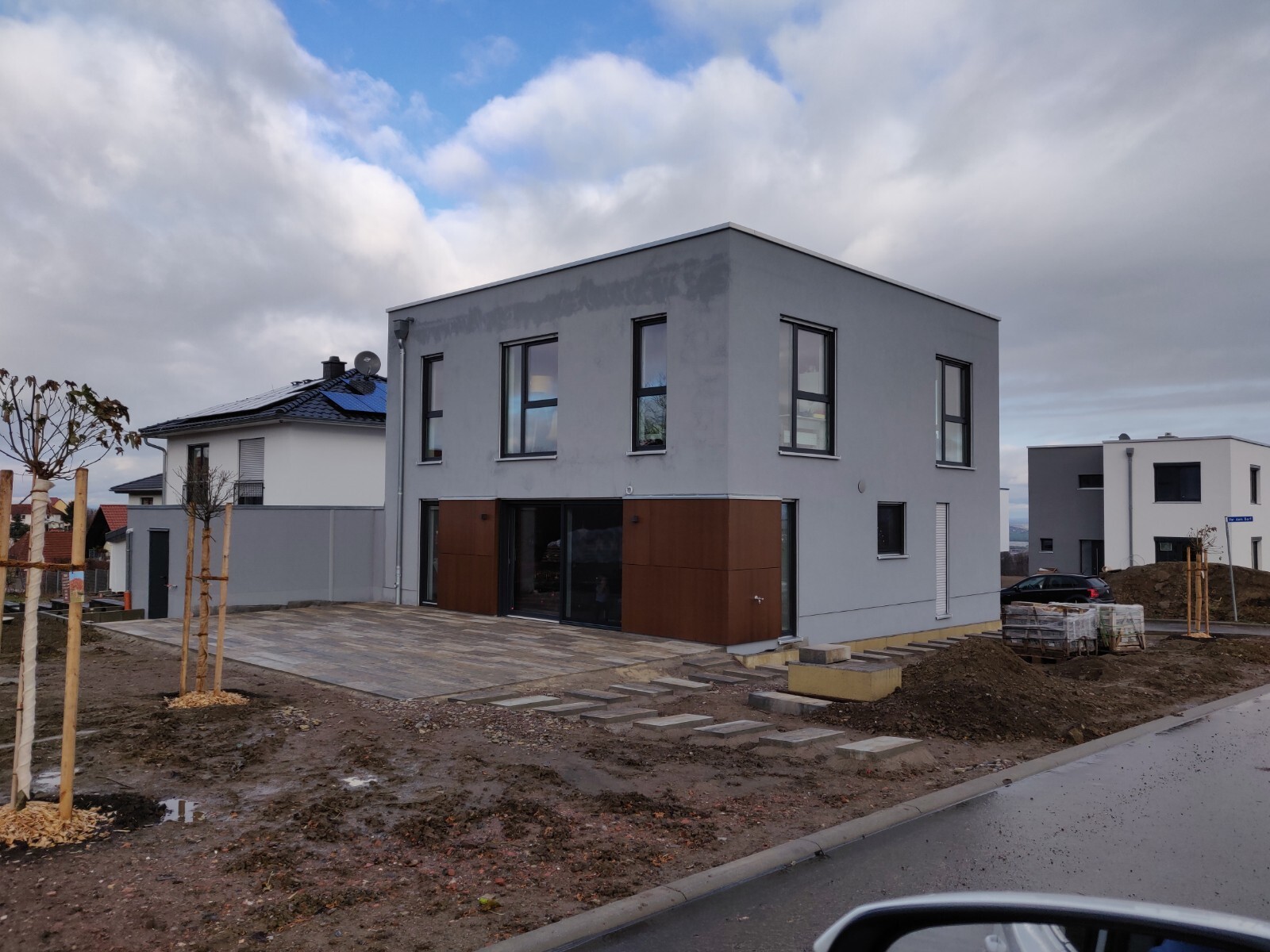
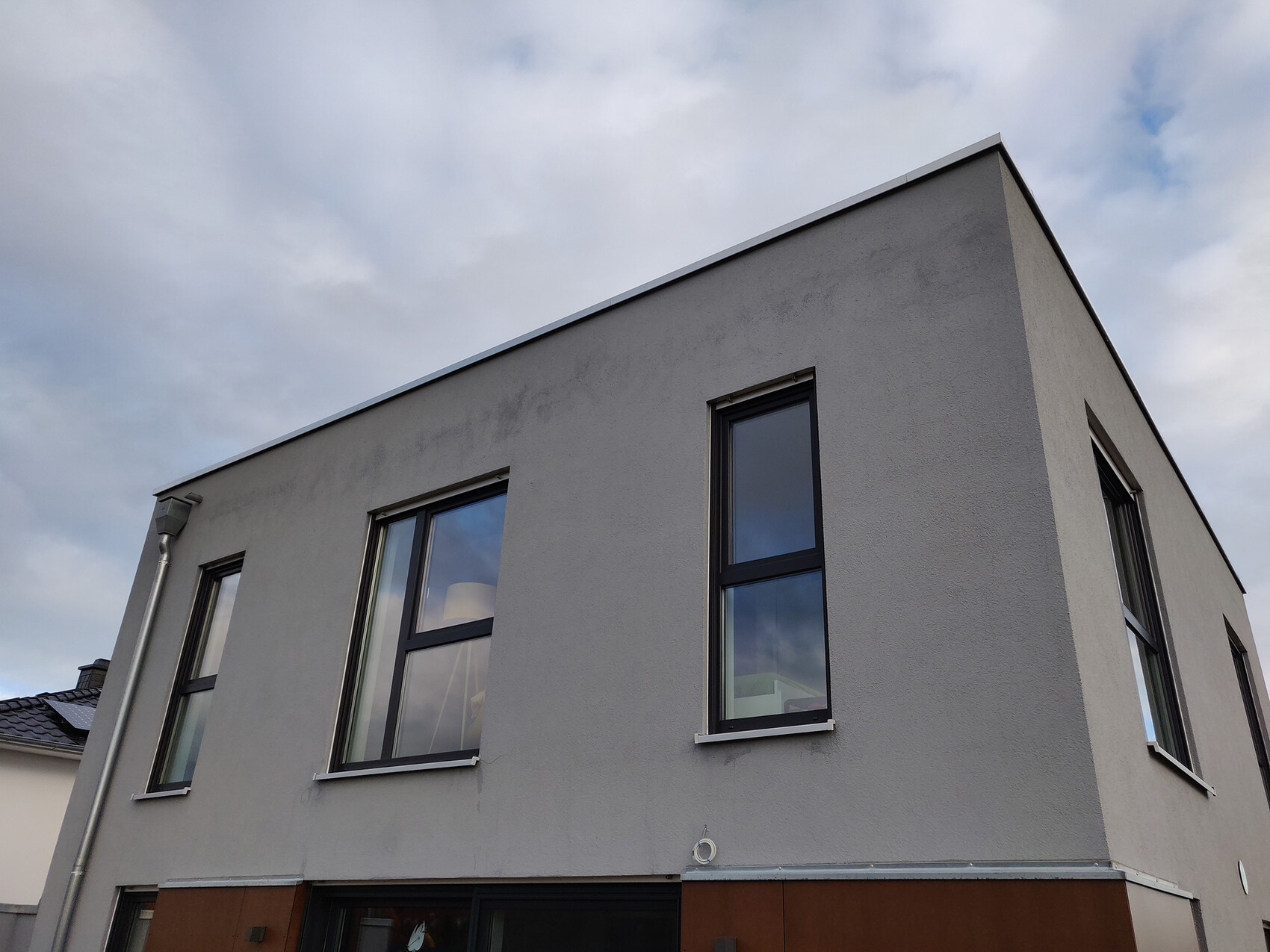
After it rains, the effects shown in the pictures appear on the facade. The areas that look so noticeably damp are where a Styrofoam insulation layer is still installed on the Ytong blocks (ceiling anchors, roller shutter boxes, concrete ceilings, etc.).
My assumption is that the plaster does not have the weather-resistant properties it should. In areas without Styrofoam, the Ytong block absorbs the water directly, while in areas with Styrofoam, the water is not absorbed but rather held by the Styrofoam and remains visible on the facade. In other words, this would mean: the facade allows water to pass through.
But… I am not an expert, and this is just my guess.
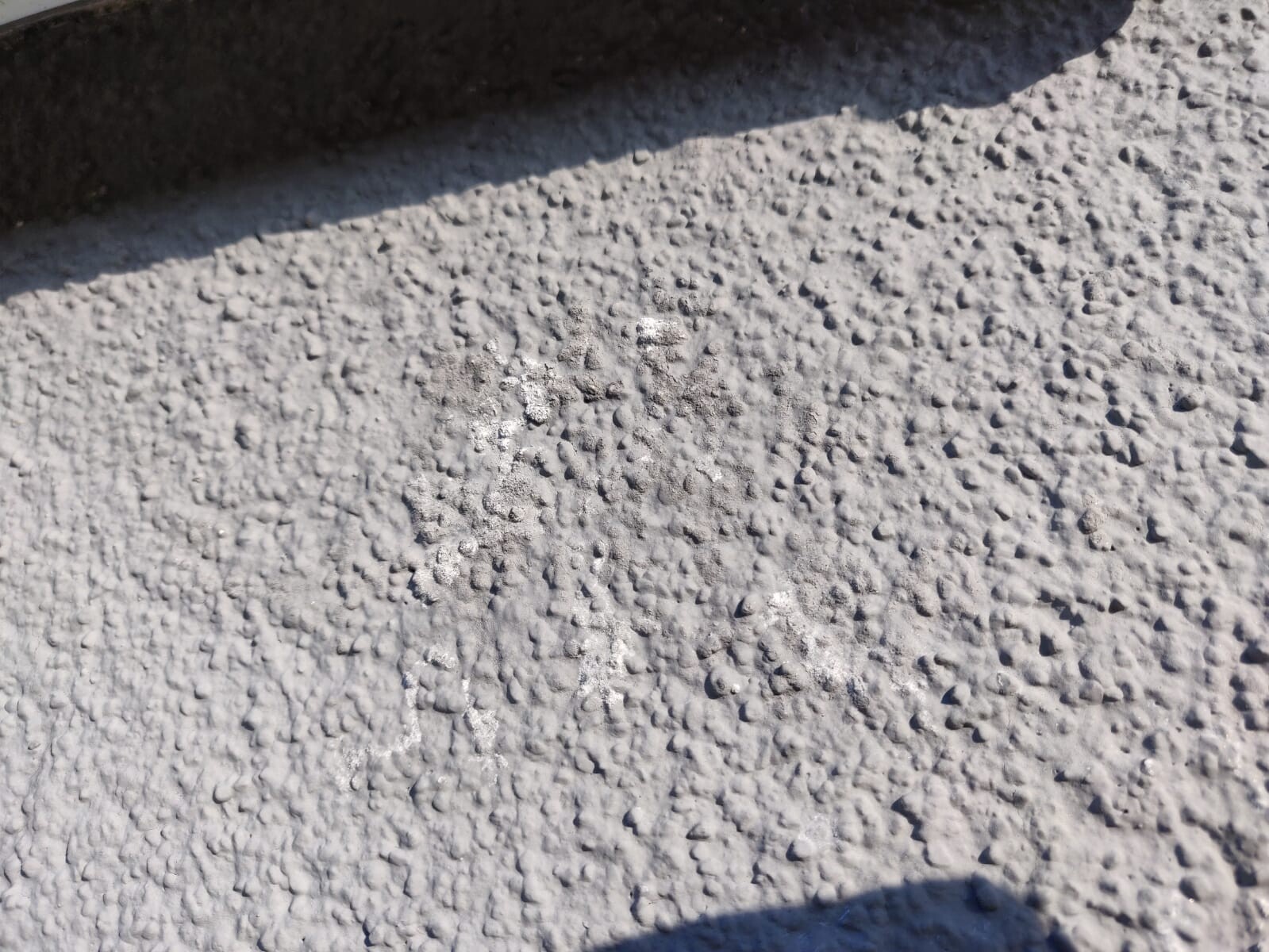
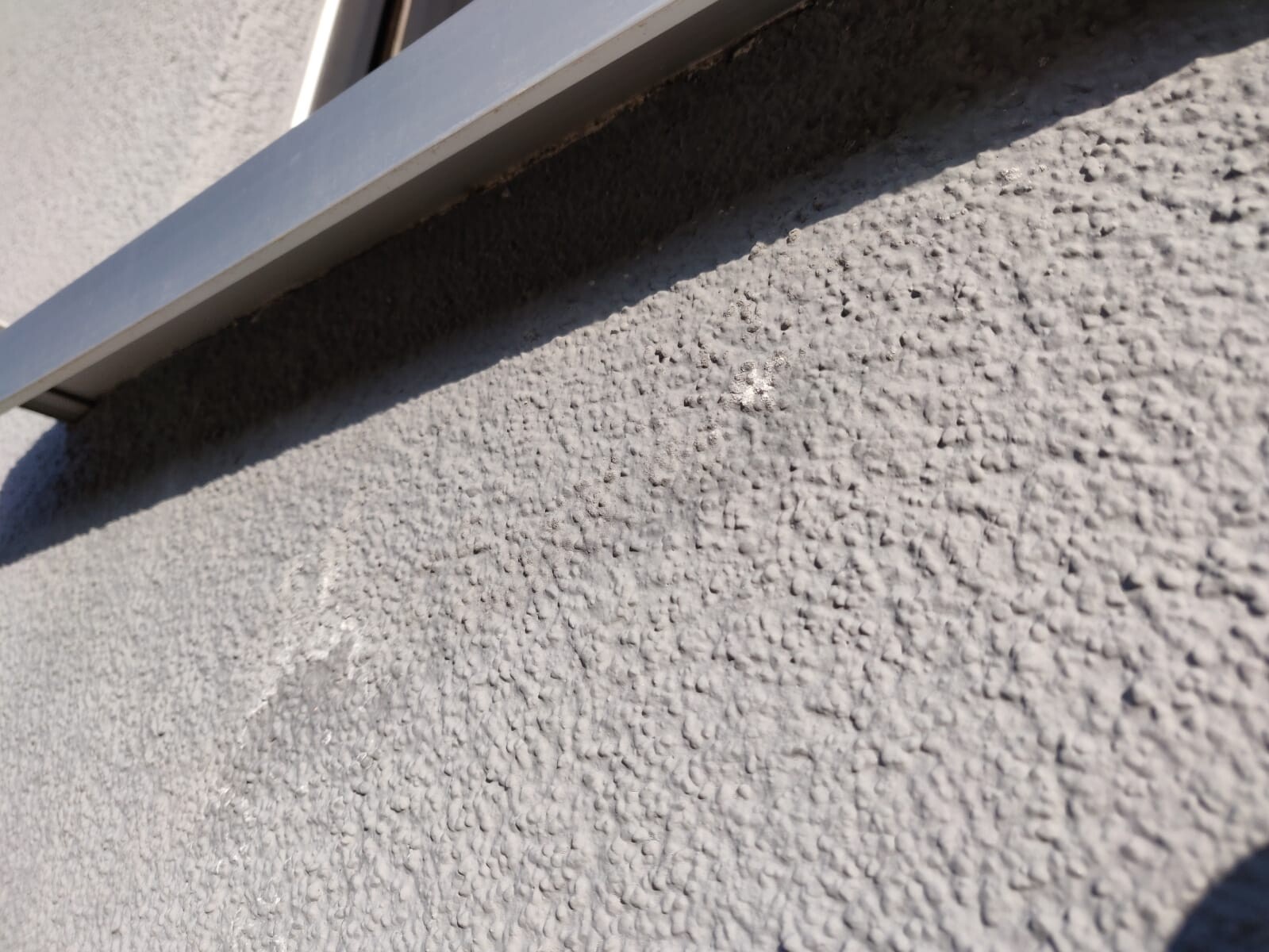
In addition to the damp spots, small white stains / efflorescence have recently appeared on the facade.
My question to the experts here: What do you think about this? What could be causing it?
Thank you very much for your help!
Best regards
Hawe01
I am new to the forum and have registered to ask for your opinions, assessments, and guesses regarding an issue with the exterior plaster on our house.
We built in 2017/2018.
- 2 full stories
- Flat roof
- Geothermal heating
- Solid construction, 36cm (14 inches) Ytong blocks without additional insulation
- The exterior base coat is a fast-setting lightweight plaster based on lime-cement with a mineral lightweight aggregate. It is suitable as a base coat for mineral topcoats, especially for thermal insulation wall materials such as porous bricks, aerated concrete, etc. The base coat was applied on September 28, 2017. The finish coat was applied on October 24, 2017.
As you can see, I go into detail about the plaster. The attached pictures will explain why. The base coat was applied about 15 months ago.
After it rains, the effects shown in the pictures appear on the facade. The areas that look so noticeably damp are where a Styrofoam insulation layer is still installed on the Ytong blocks (ceiling anchors, roller shutter boxes, concrete ceilings, etc.).
My assumption is that the plaster does not have the weather-resistant properties it should. In areas without Styrofoam, the Ytong block absorbs the water directly, while in areas with Styrofoam, the water is not absorbed but rather held by the Styrofoam and remains visible on the facade. In other words, this would mean: the facade allows water to pass through.
But… I am not an expert, and this is just my guess.
In addition to the damp spots, small white stains / efflorescence have recently appeared on the facade.
My question to the experts here: What do you think about this? What could be causing it?
Thank you very much for your help!
Best regards
Hawe01
That is certainly true. ;-) It took me quite a bit of research and analysis to figure it all out. Thanks to this incident, I am no longer a novice when it comes to exterior plaster. I just don’t know what to do with the knowledge I’ve gained, since I probably won’t be building another house. :-D
Hawe01 schrieb:
I just don’t know what to use the knowledge I gained for,I think what you have written here is very useful and easy to understand. So, thank you from me!And it’s great that you also update us afterwards on how it turned out. 🙂
@chr_zwe Also check the weather conditions during the plaster application and the painting of the facade. It might turn out that the external conditions were fundamentally unsuitable. Additionally, there are specified waiting times, for example between two facade coatings. I actually had to insist on this during the defect remediation because the contractor would have ignored these waiting times again.
We also hired a building expert to strengthen our position and demand for defect correction. Although we ultimately bore the costs ourselves because I didn’t want to take it further, it was worth the money.
We were completely satisfied with all the other trades. We have now been living in our own house for more than three years and enjoy it every day. :-)
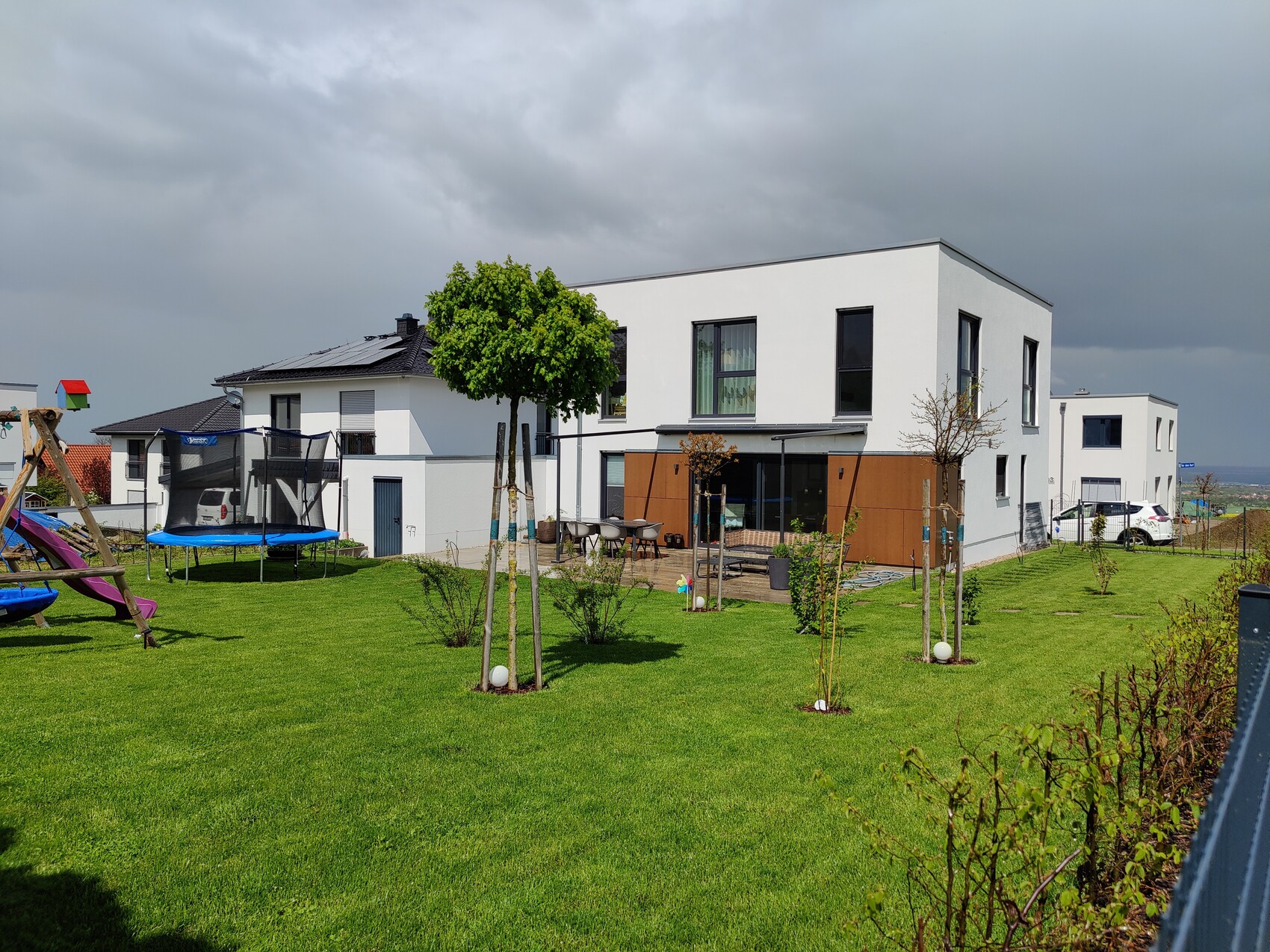
We also hired a building expert to strengthen our position and demand for defect correction. Although we ultimately bore the costs ourselves because I didn’t want to take it further, it was worth the money.
We were completely satisfied with all the other trades. We have now been living in our own house for more than three years and enjoy it every day. :-)