
Hello everyone,
I am facing a puzzle – and unfortunately, so is our site manager. The basecoat plaster was applied last summer. It was quite hot at the time. At first, everything was fine. After a while, these whitish discolorations appeared. We pointed this out to the plasterer, who applied another coat. However, that only lasted a few days.
Now the questions are: Does anyone know what might be causing this? And what could be done about it? Should I consider hiring an independent building surveyor?
Unfortunately, I don’t know which plaster or paint was used, but I will ask the plasterer.
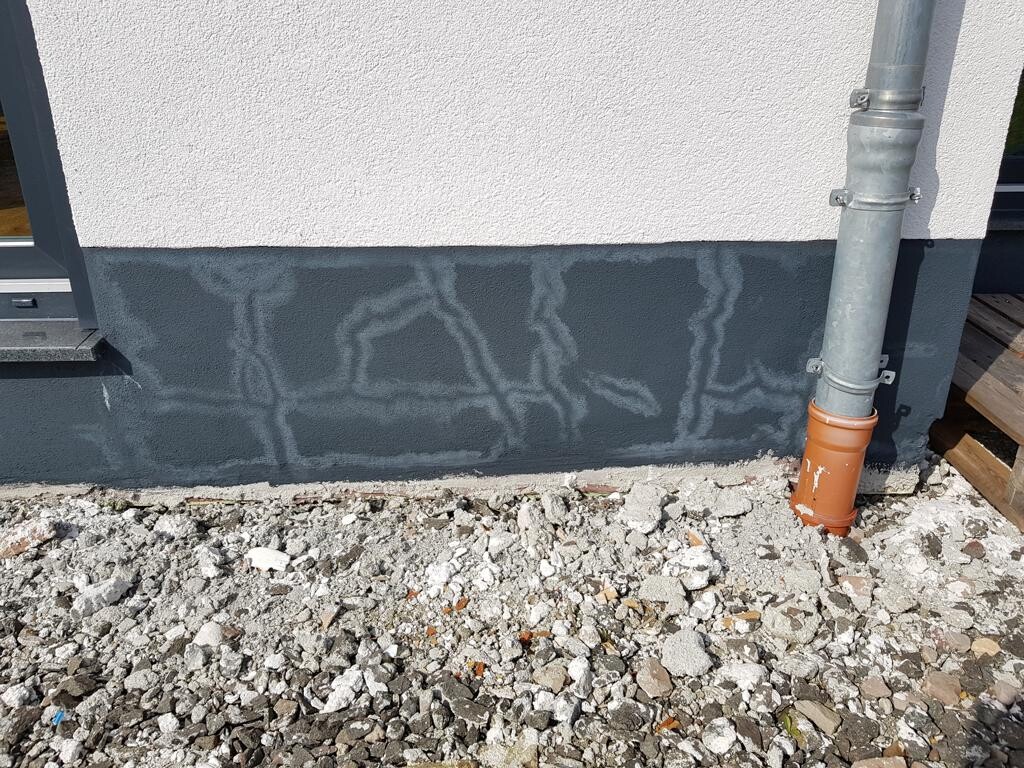
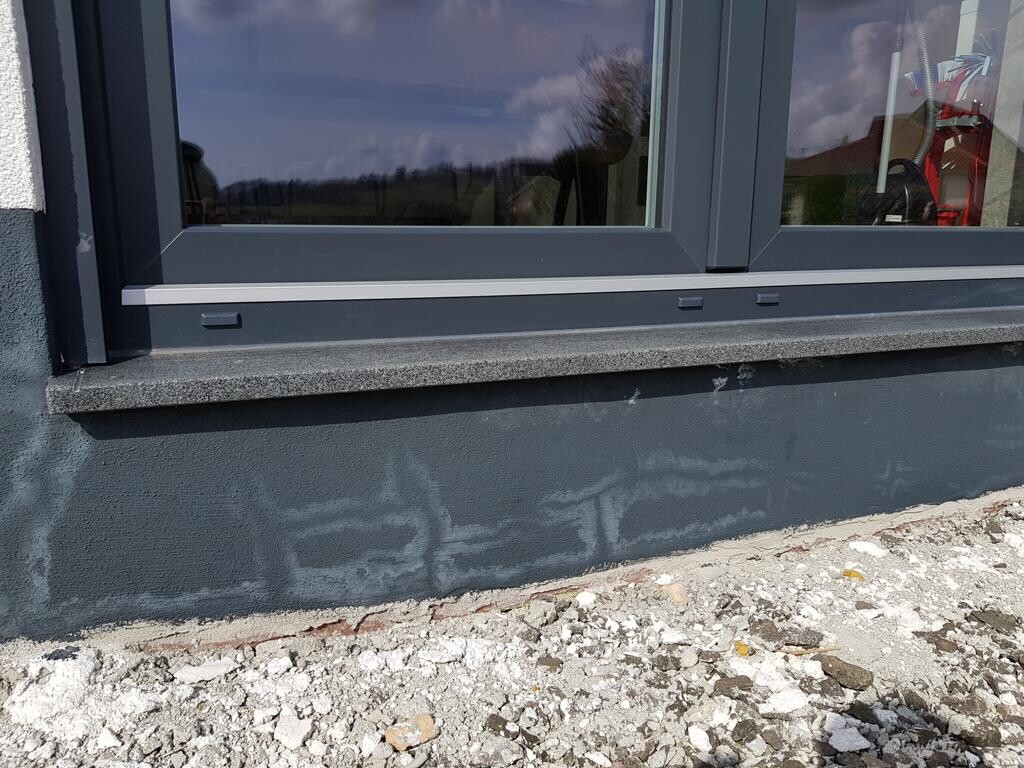
I am facing a puzzle – and unfortunately, so is our site manager. The basecoat plaster was applied last summer. It was quite hot at the time. At first, everything was fine. After a while, these whitish discolorations appeared. We pointed this out to the plasterer, who applied another coat. However, that only lasted a few days.
Now the questions are: Does anyone know what might be causing this? And what could be done about it? Should I consider hiring an independent building surveyor?
Unfortunately, I don’t know which plaster or paint was used, but I will ask the plasterer.
 Vicky Pedia27 Mar 2020 17:43
Andre77 schrieb:
@Baraja
In my case, for example, the coating is black. It looks like tar.There are different types of coatings. Both are acceptable.borderpuschl schrieb:
It looks like the plaster is efflorescing, but the pattern does look strange.
Is there no base sealing applied at all?The damage pattern indeed suggests salt deposits, which indicates a defect in the plaster (during the manufacturing process).B
borderpuschl30 Mar 2020 08:30I didn’t mean the waterproofing under the plaster.
The base plaster should be "sealed" in the part that is in contact with the ground.
For example, with Knauf Sockeldicht or similar products.
The base plaster should be "sealed" in the part that is in contact with the ground.
For example, with Knauf Sockeldicht or similar products.
F
fach1werk1 Apr 2020 08:08We also have foundation cracks, starting as hairline cracks that then widened. At first, they appeared on the sunny sides and later also on the shaded sides. We have been living here for three years. The foundation needs to be replastered. According to what I heard, water is supposed to rise only in cracks that reach a certain width. However, I noticed this early spring that water also rises in the hairline cracks. A narrow dark streak formed along the cracks. These water ingress points should not be tolerated! In our case, they appear without discoloration and at regular intervals, matching the dimensions of the material underneath. Don’t be pacified—these cracks need to be fixed.
Best regards
Gabriele
Best regards
Gabriele
I got in touch with a building inspector through a friend. He at least looked at the pictures and was confident that fine cracks in the plaster are allowing moisture to evaporate, which then leads to salt deposits.
The plasterer now wants to simply paint over it again, which I have forbidden. I believe that a plaster renovation is unavoidable.
Attached are the pictures again, with close-up shots.
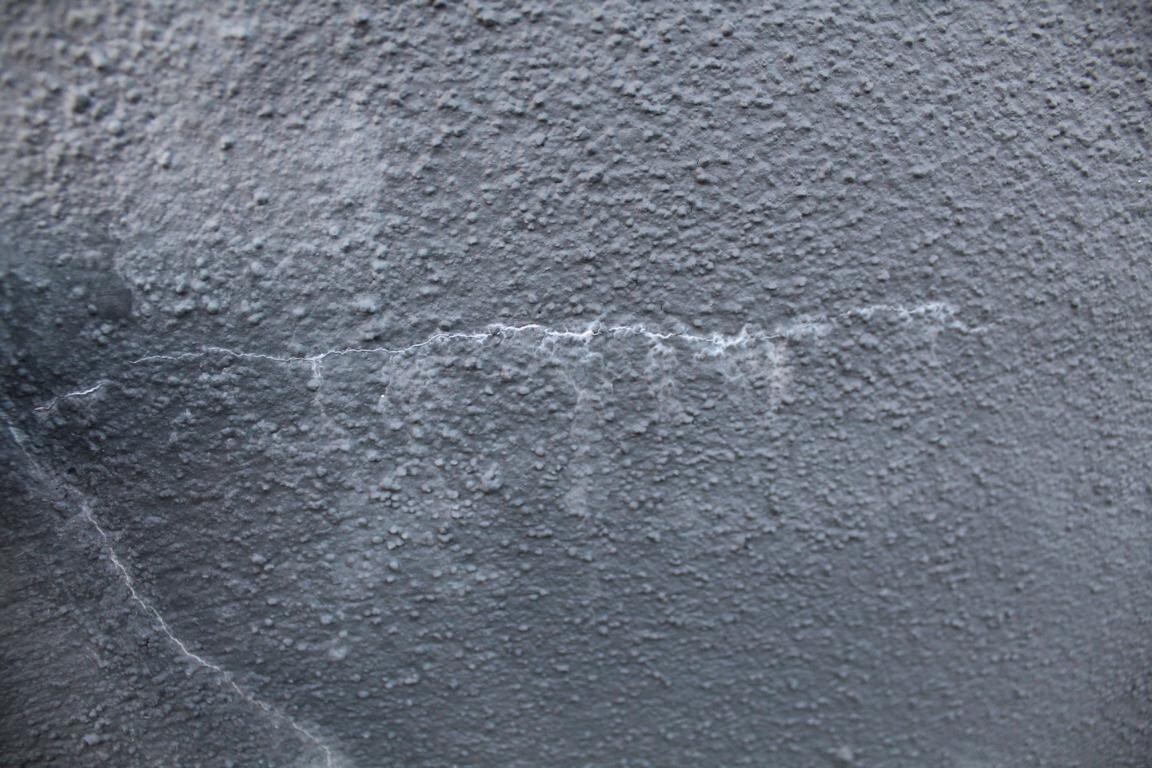
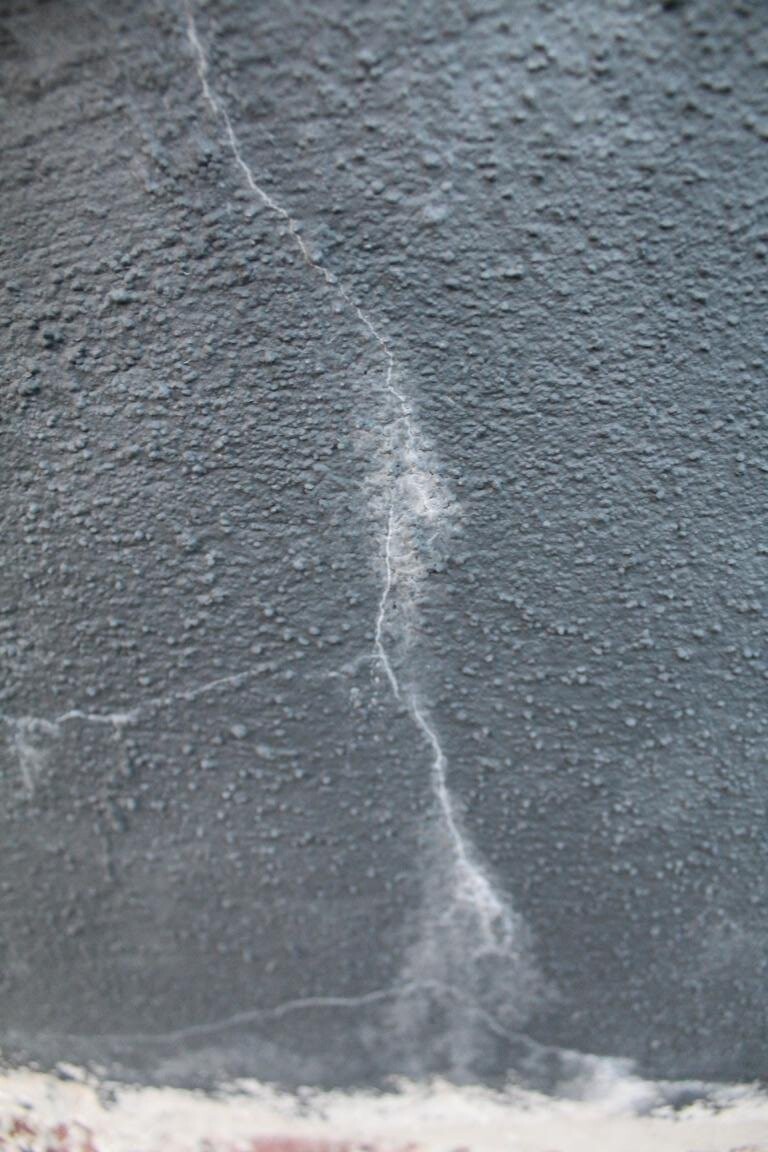
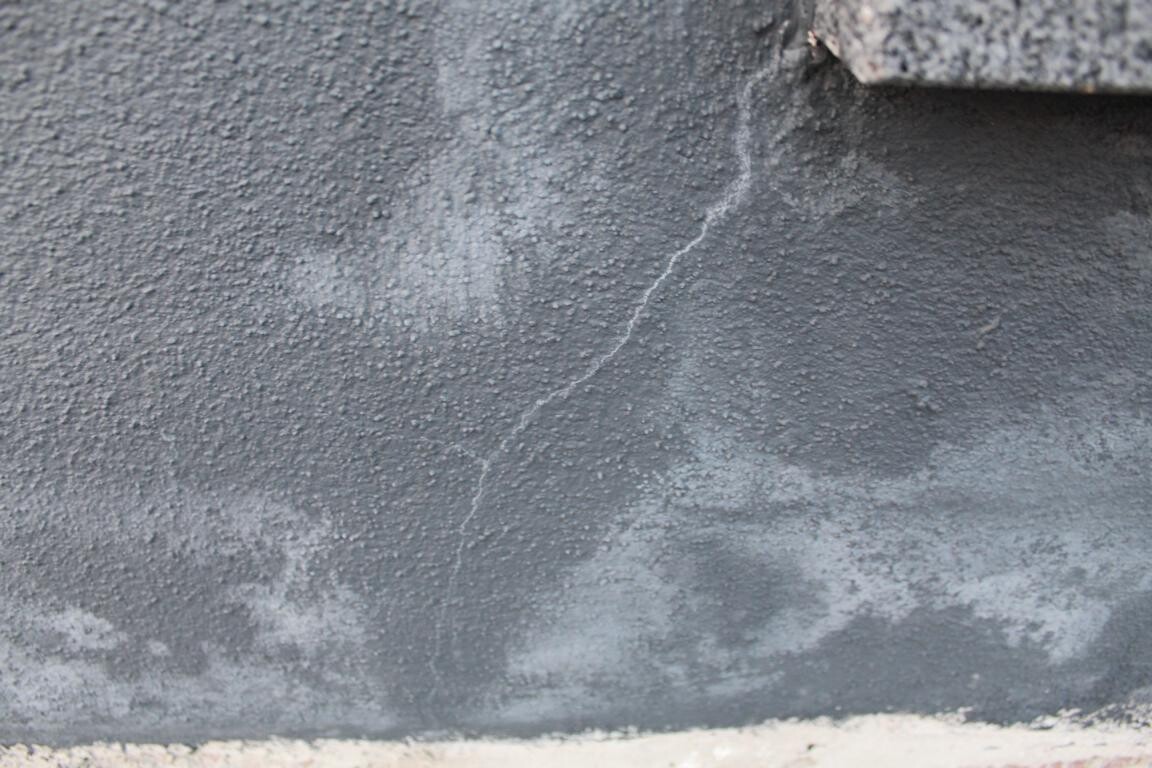
The plasterer now wants to simply paint over it again, which I have forbidden. I believe that a plaster renovation is unavoidable.
Attached are the pictures again, with close-up shots.
Baraja schrieb:
I now have the information about the plaster and paint. A Knauf Sockel Lup lightweight plaster was used. The paint was Knauf Autol Premium silicone resin facade paint with self-cleaning effect.If I were you, I would send the pictures to Knauf customer service and ask what might be causing this.
Similar topics