
ᐅ Possible Thermal Bridges at Wall Corners in New Construction
Created on: 10 Dec 2017 19:51
M
Marchonisch
Good evening,
Our new build is mostly complete, and the interior work is in full progress. The underfloor heating has been running for about 5 weeks.
We built with Wienerberger T10 36.5 without additional external wall insulation. Three of the four walls are below ground level, as our site is on a slope.
Where the brick wall meets the concrete wall, the internal temperature at the joint and corner is about 10°C (50°F) with an outside temperature of 1°C (34°F).
The other walls are around 15°C (59°F).
We took our first measurements today and will continue to monitor this daily.
What do you think—should we consider insulating the exterior facade after all?
In my view, this would clearly be a planning error, wouldn’t it?
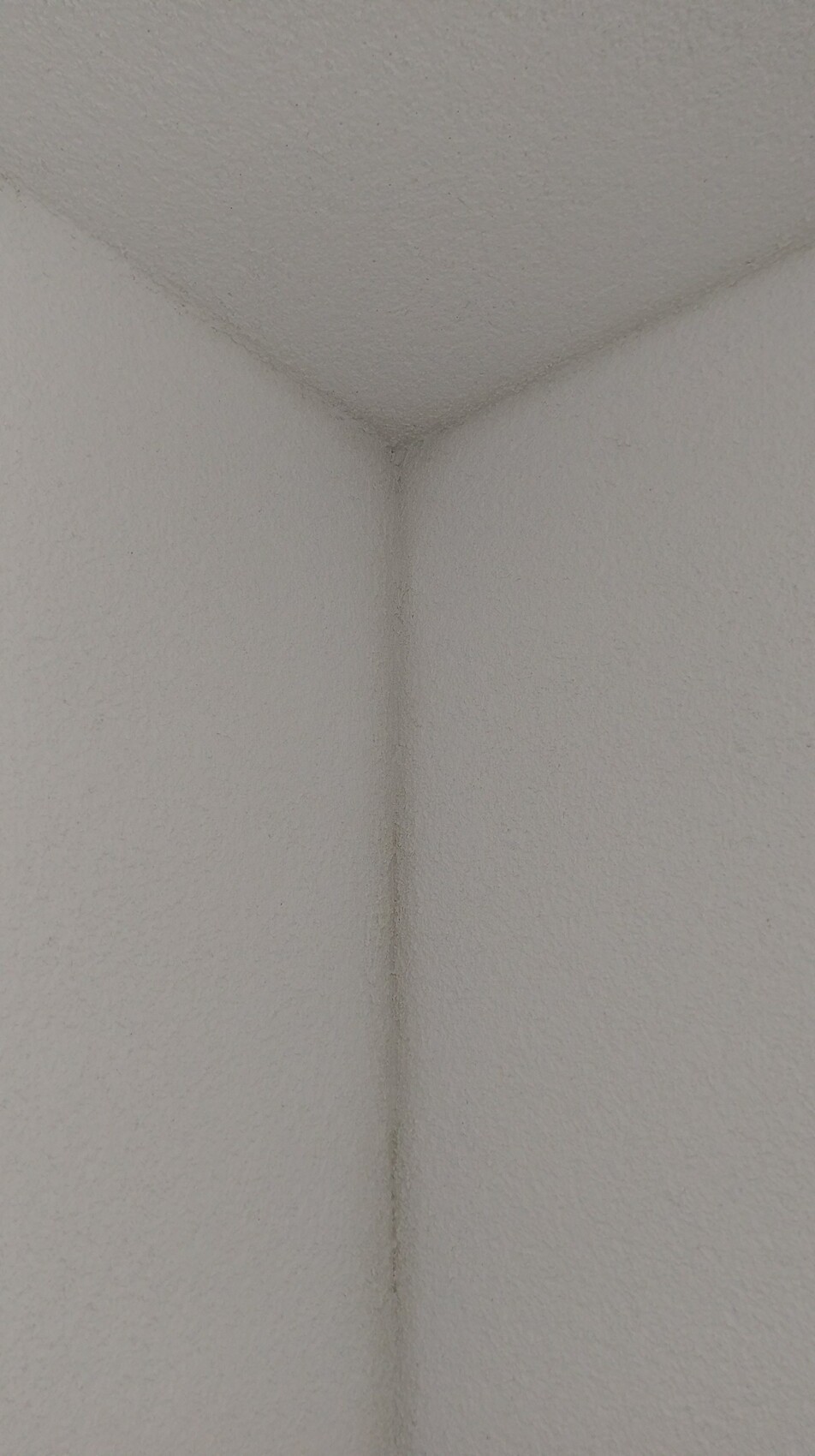
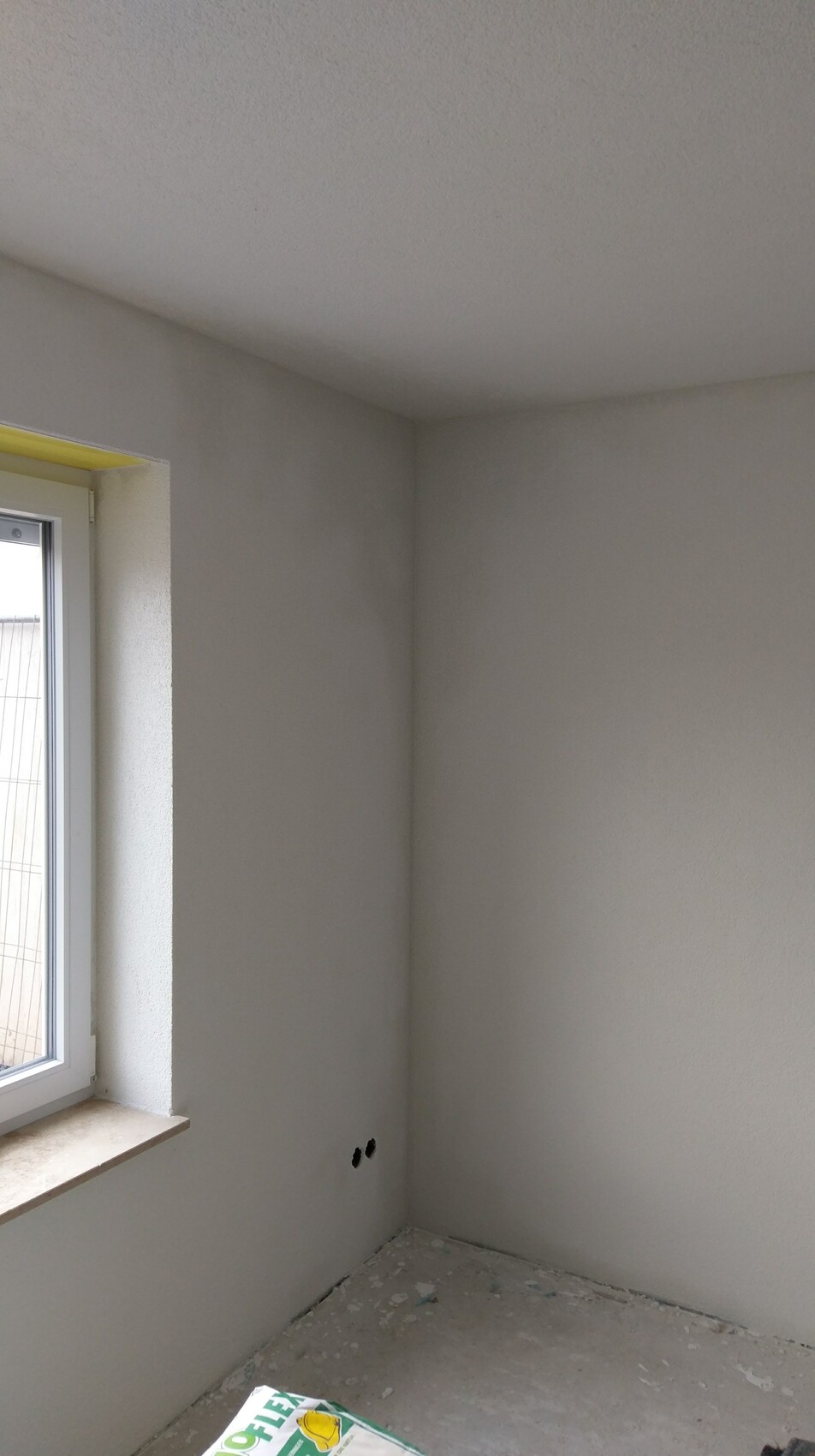
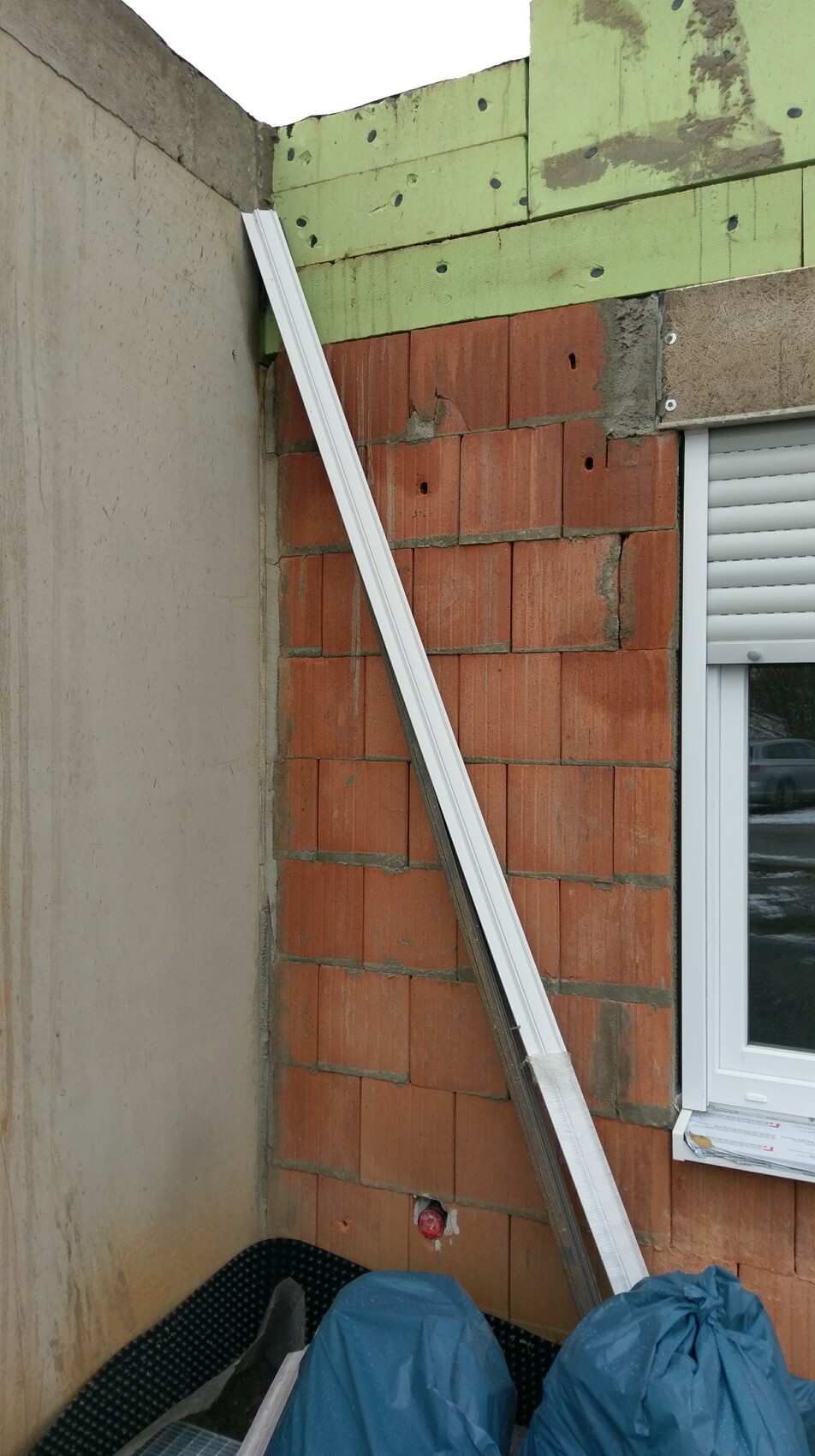
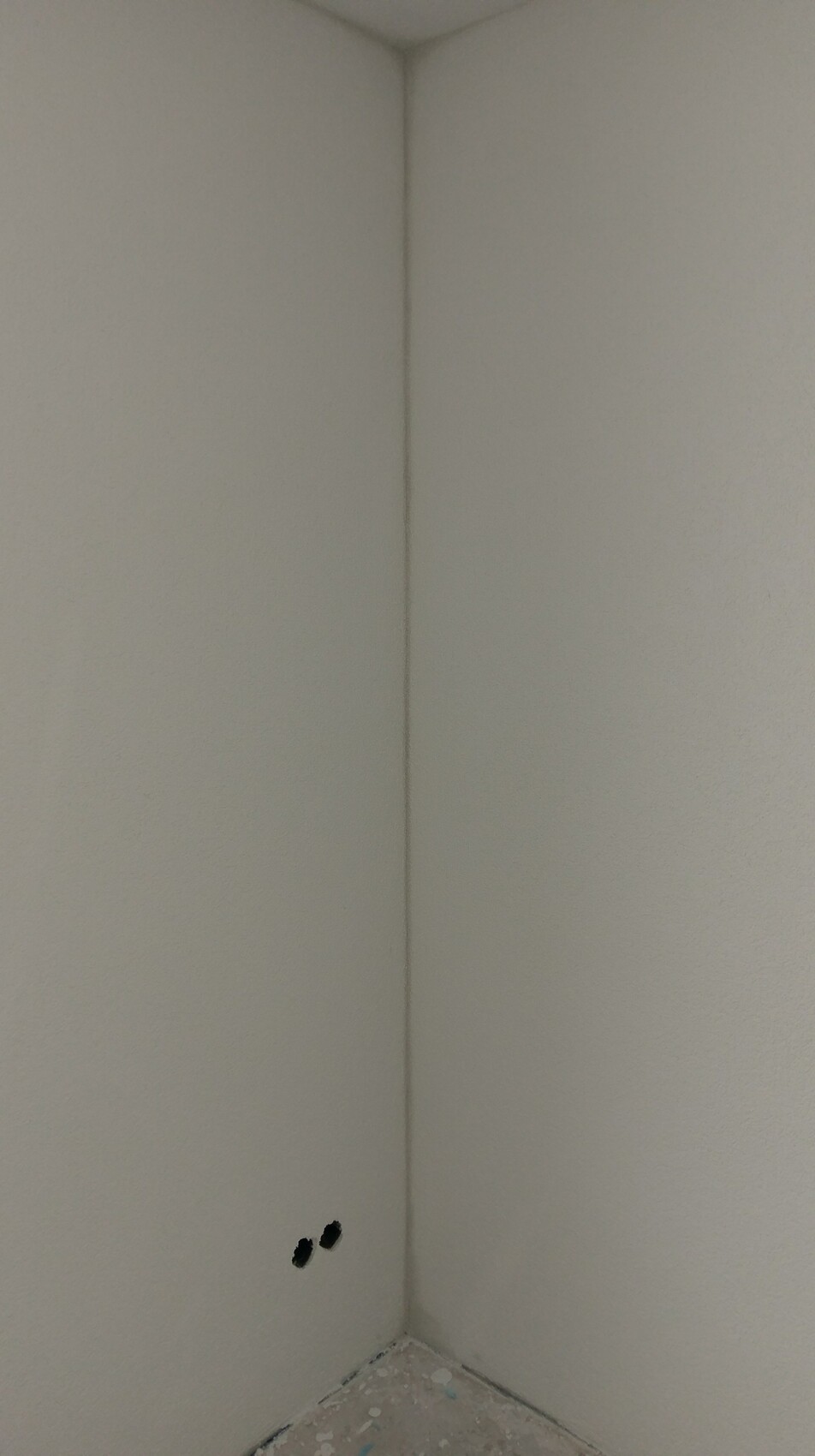
Our new build is mostly complete, and the interior work is in full progress. The underfloor heating has been running for about 5 weeks.
We built with Wienerberger T10 36.5 without additional external wall insulation. Three of the four walls are below ground level, as our site is on a slope.
Where the brick wall meets the concrete wall, the internal temperature at the joint and corner is about 10°C (50°F) with an outside temperature of 1°C (34°F).
The other walls are around 15°C (59°F).
We took our first measurements today and will continue to monitor this daily.
What do you think—should we consider insulating the exterior facade after all?
In my view, this would clearly be a planning error, wouldn’t it?
K
Knallkörper10 Dec 2017 22:02It is normal for the corners to be the coldest. On the outside, you are missing the plaster as a windproof layer. This could distort your results.
Or are the house corners made of reinforced concrete?
Or are the house corners made of reinforced concrete?
M
Marchonisch11 Dec 2017 11:09The front is made of brick, while the left and right walls, when facing the house, are made of reinforced concrete.
The exterior plaster will be applied next year. From your perspective, is that an issue?
Our architect says it’s fine, but he usually says that... I’m a bit uncertain.
The exterior plaster will be applied next year. From your perspective, is that an issue?
Our architect says it’s fine, but he usually says that... I’m a bit uncertain.
K
Knallkörper11 Dec 2017 11:48Reinforced concrete used as an exterior wall naturally needs to be insulated.
M
Marchonisch11 Dec 2017 22:30Are they as well
M
Marchonisch12 Jan 2018 21:25Here is an update.
We have temporarily plastered the corner on the outside. Additionally, the concrete wall inside the garage has been insulated.
Of course, we didn’t have really freezing temperatures, but since then the corner has been drying well.
However, we now feel that the garage roof might not be completely watertight. For this reason, we opened a section of the upper insulation. It was damp underneath.
Now we are puzzled... It probably can’t be condensation since, as mentioned, the outside temperature hasn't been that cold.
What do you think—could the roof not be properly sealed?
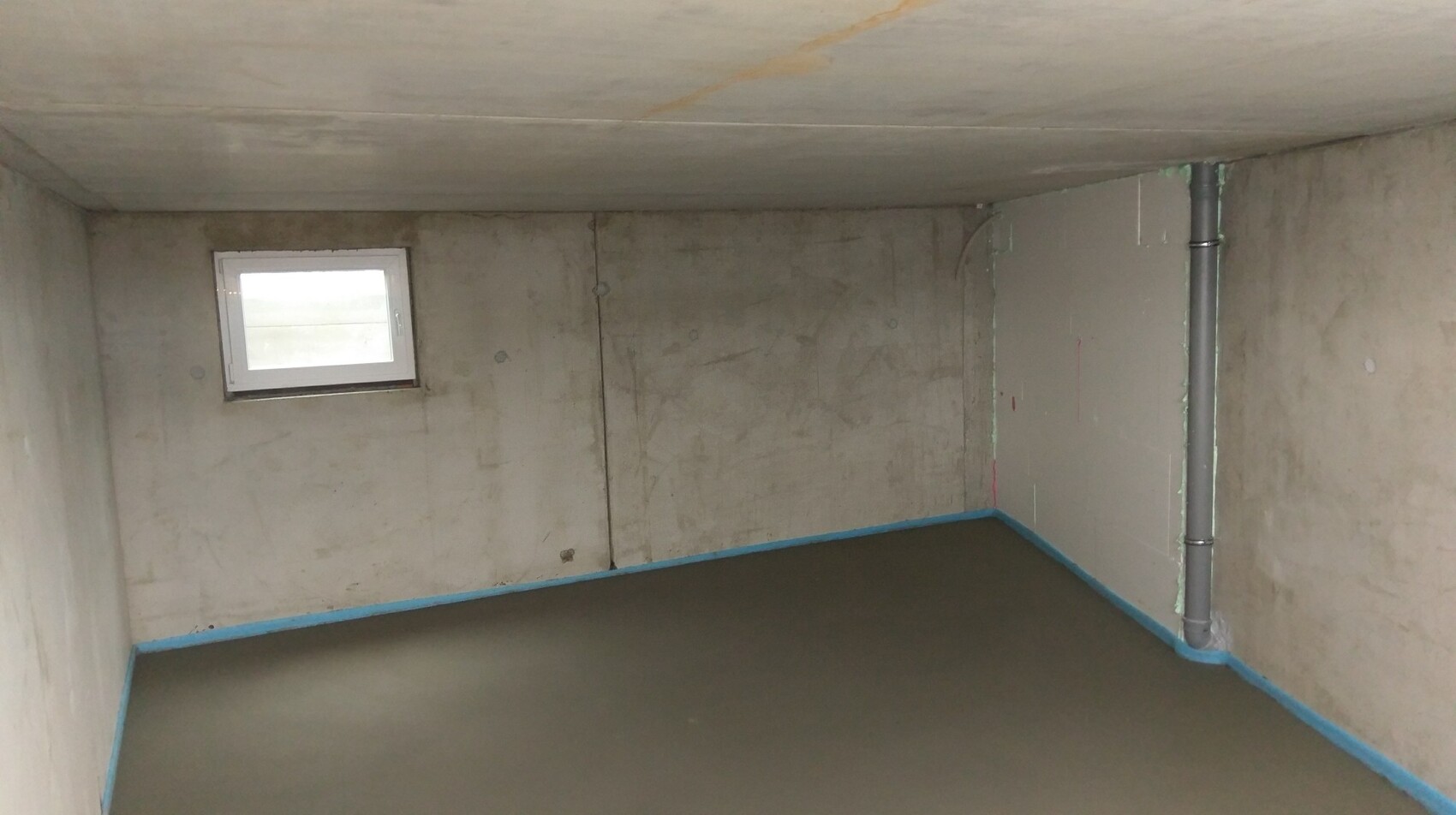
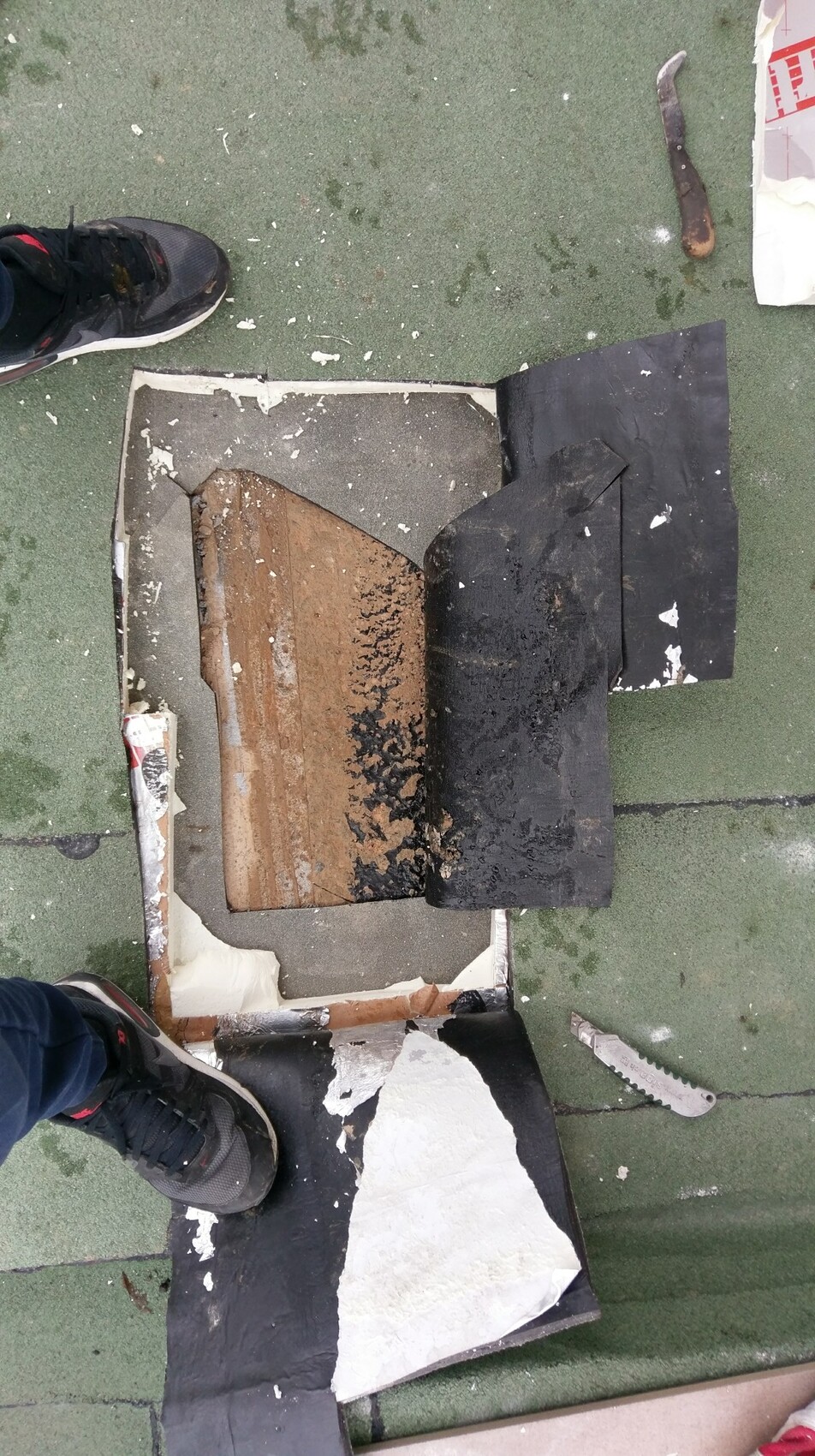
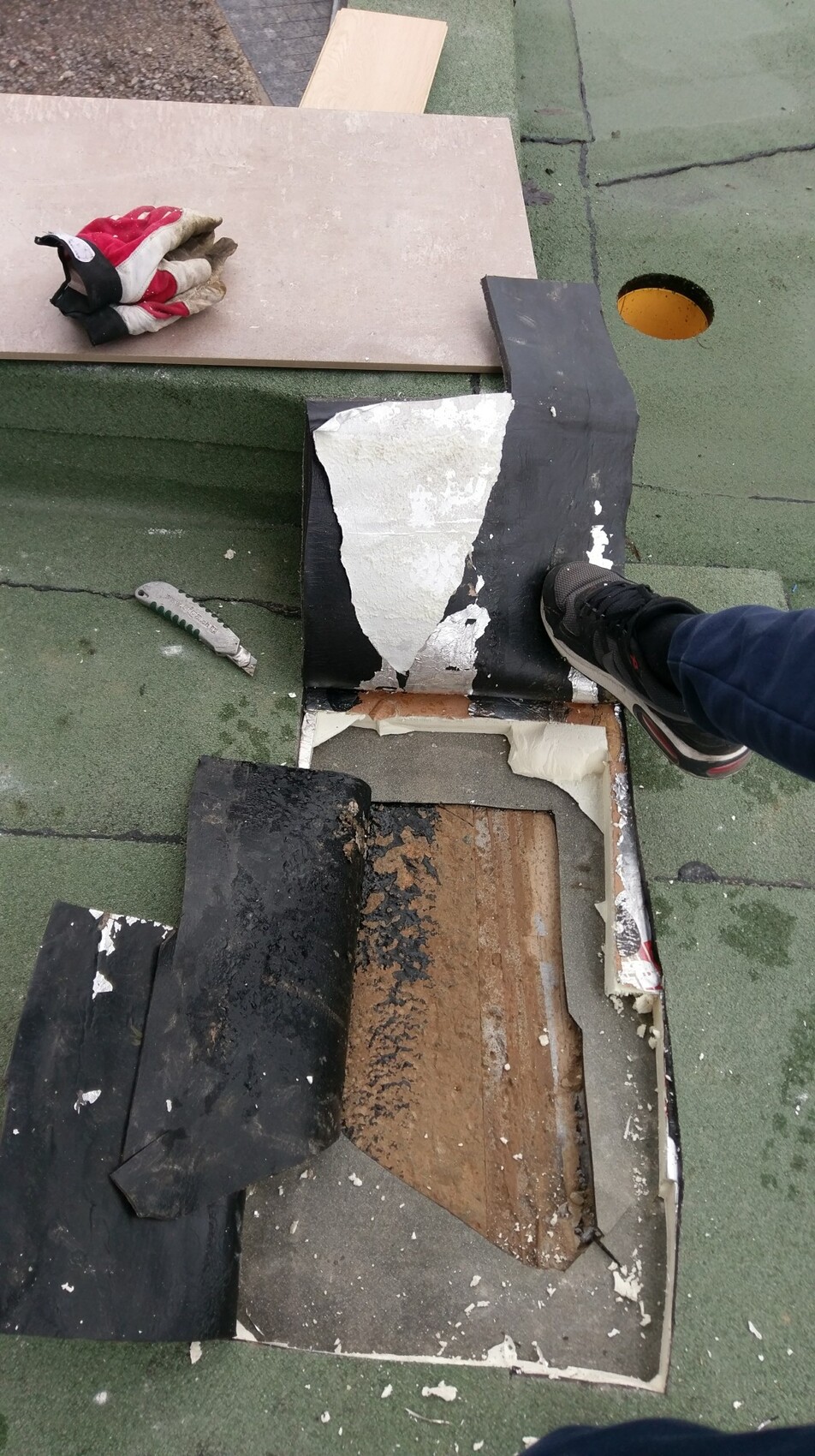
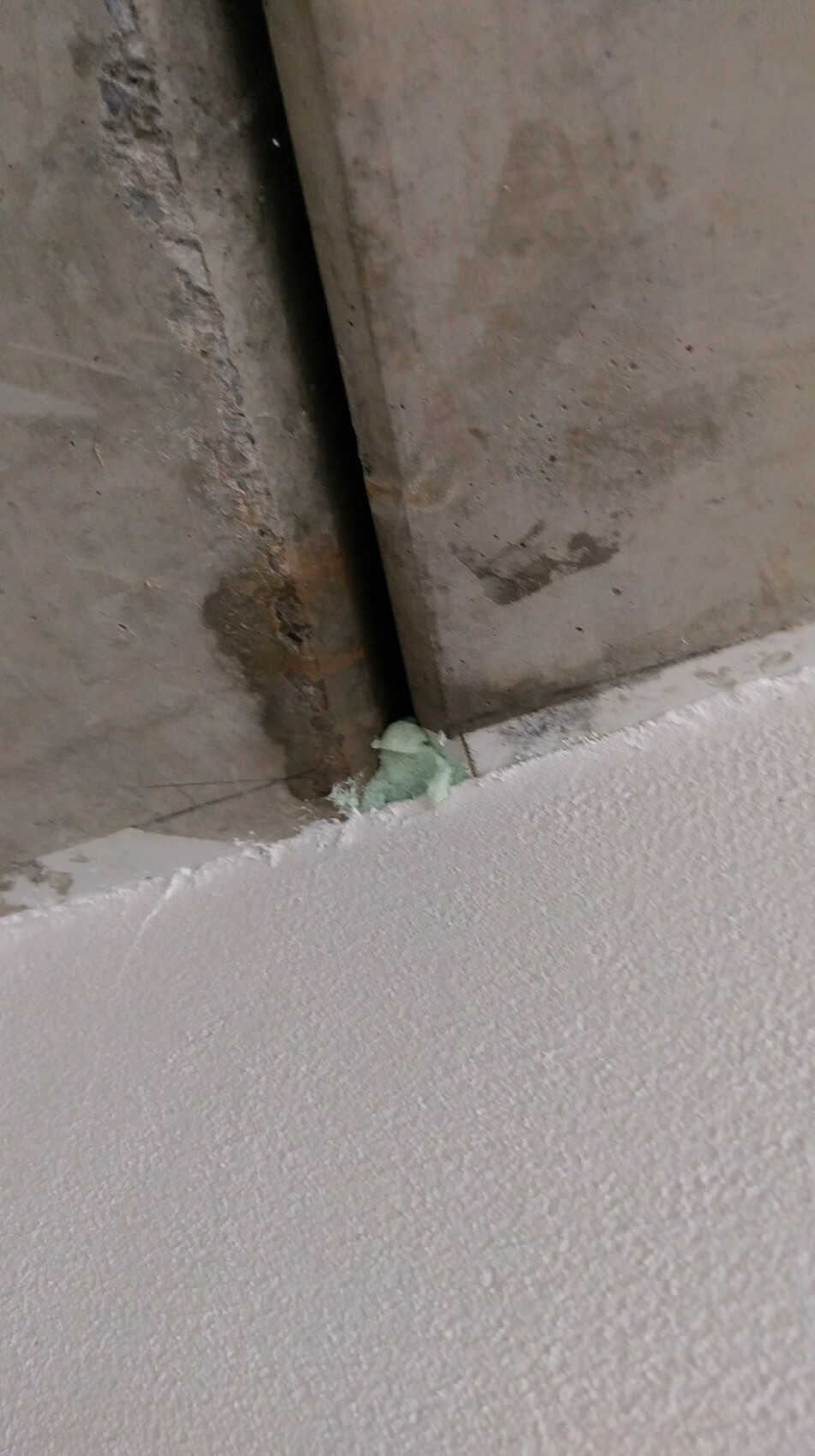
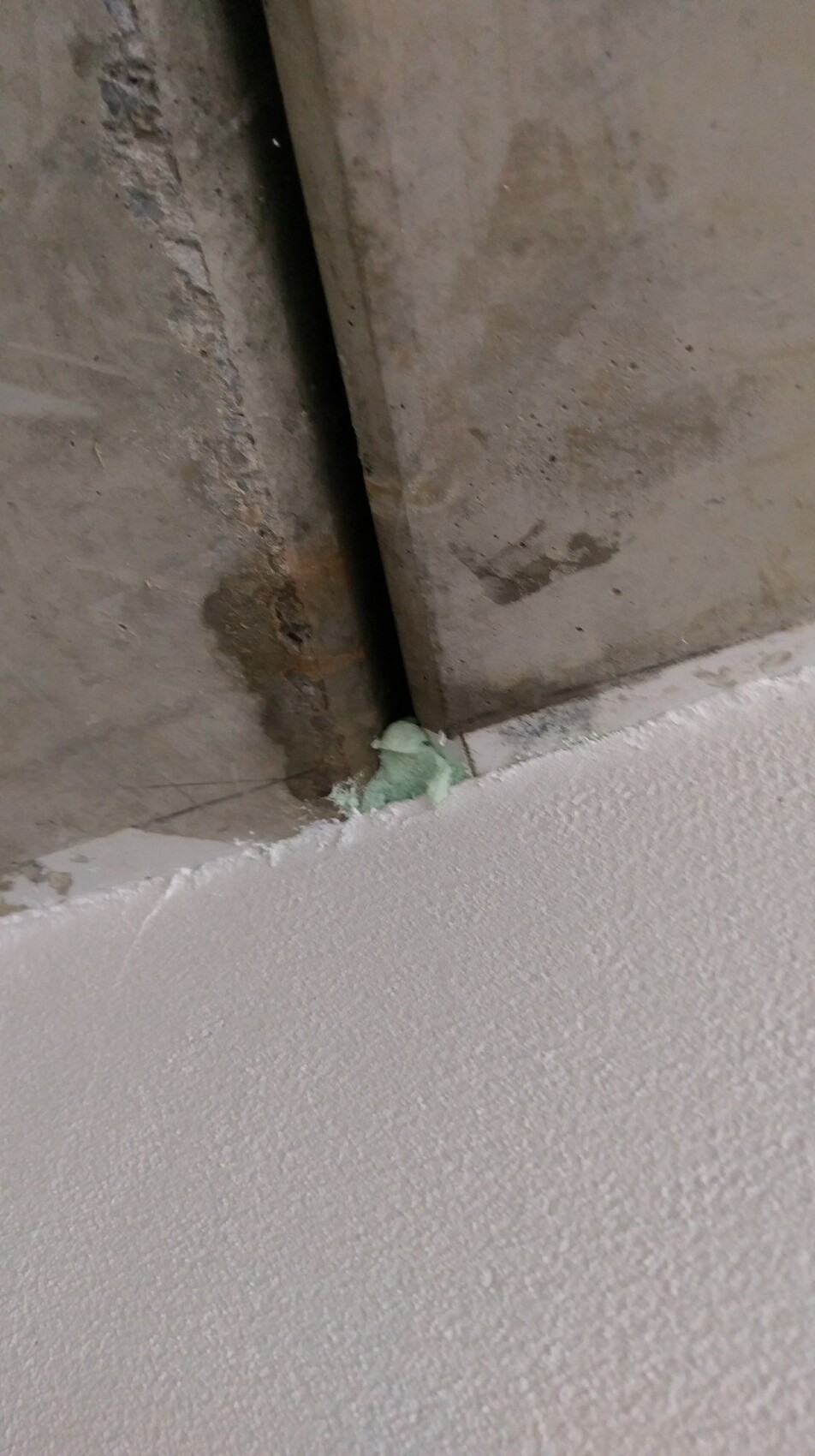
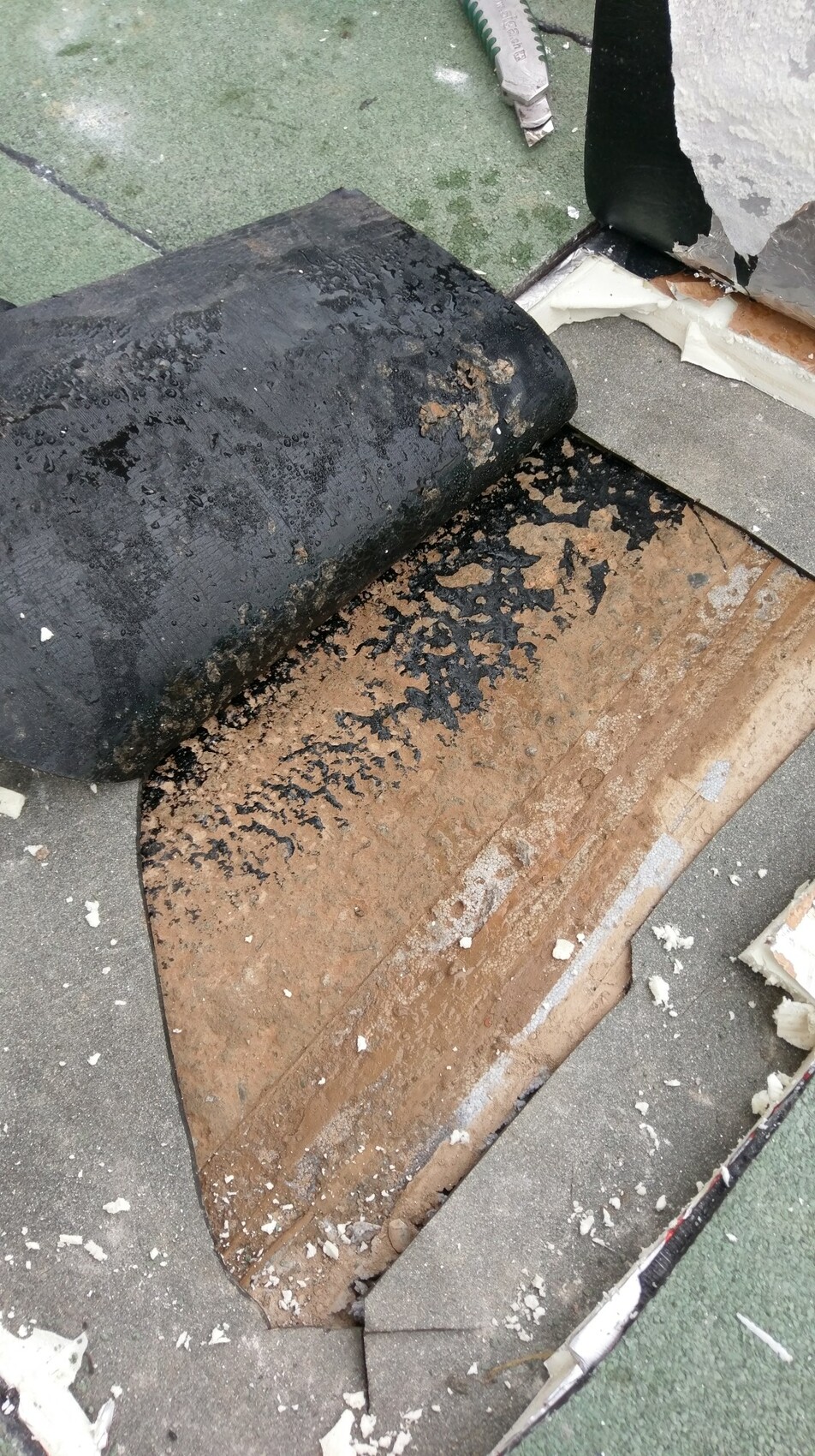
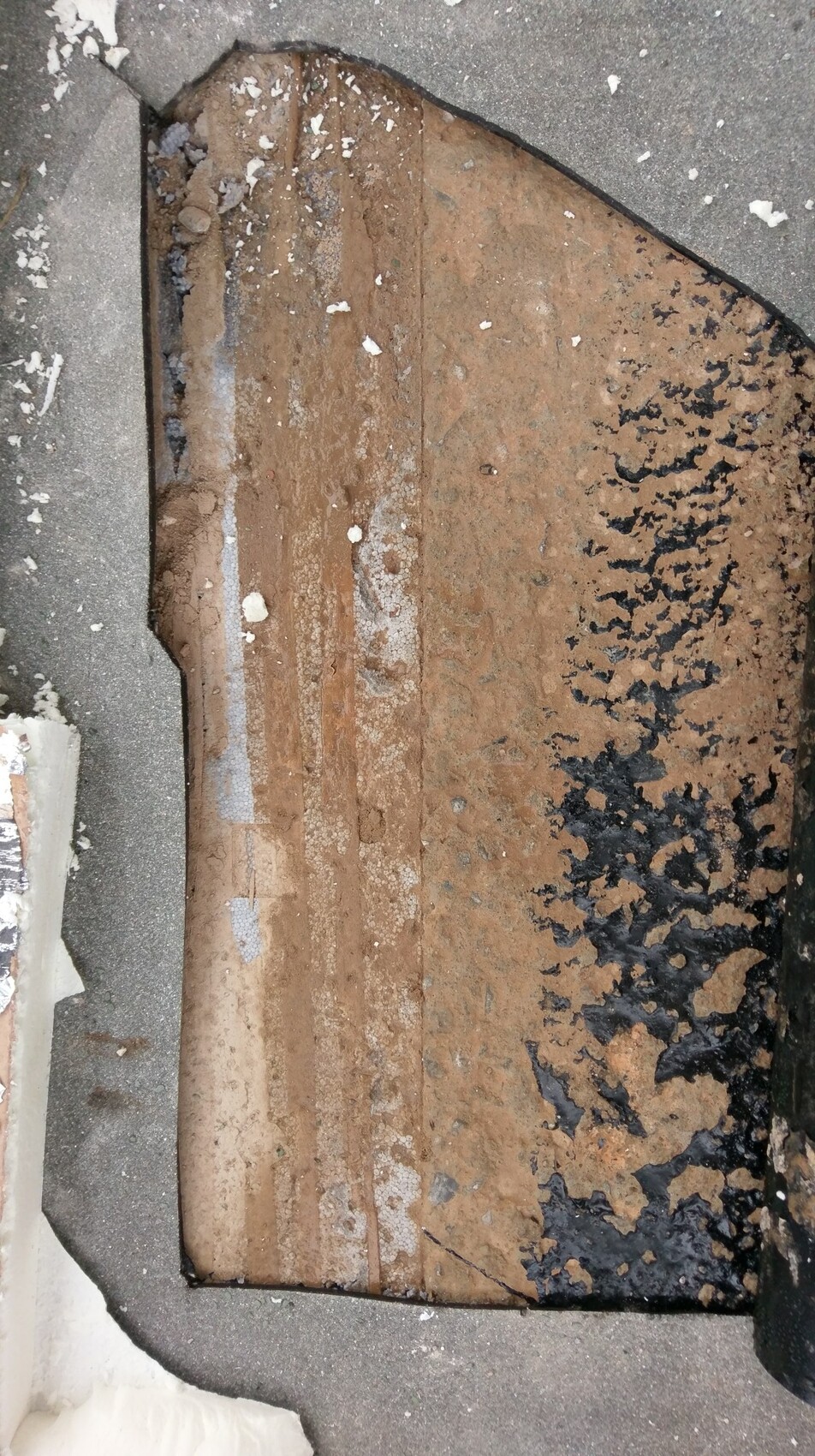
We have temporarily plastered the corner on the outside. Additionally, the concrete wall inside the garage has been insulated.
Of course, we didn’t have really freezing temperatures, but since then the corner has been drying well.
However, we now feel that the garage roof might not be completely watertight. For this reason, we opened a section of the upper insulation. It was damp underneath.
Now we are puzzled... It probably can’t be condensation since, as mentioned, the outside temperature hasn't been that cold.
What do you think—could the roof not be properly sealed?
Similar topics