
Hello,
I spend a lot of time in a small weekend house (30 m2 (323 sq ft)) located in a natural setting. The house was built 30 years ago and is made of wood with mineral wool insulation. Recently, I installed new triple-glazed windows. Floor construction: concrete foundation – wooden battens – OSB boards – blue linoleum. I heat with a Rowi gas stove, but only when I am there. The roof is not insulated. Now I have a mold problem due to condensation around the corners and on the walls. How can I insulate the house to eliminate the mold issue? I can redo the insulation and floor covering, but I don’t know how to solve the overall problem.
Thank you for any help.
Luis
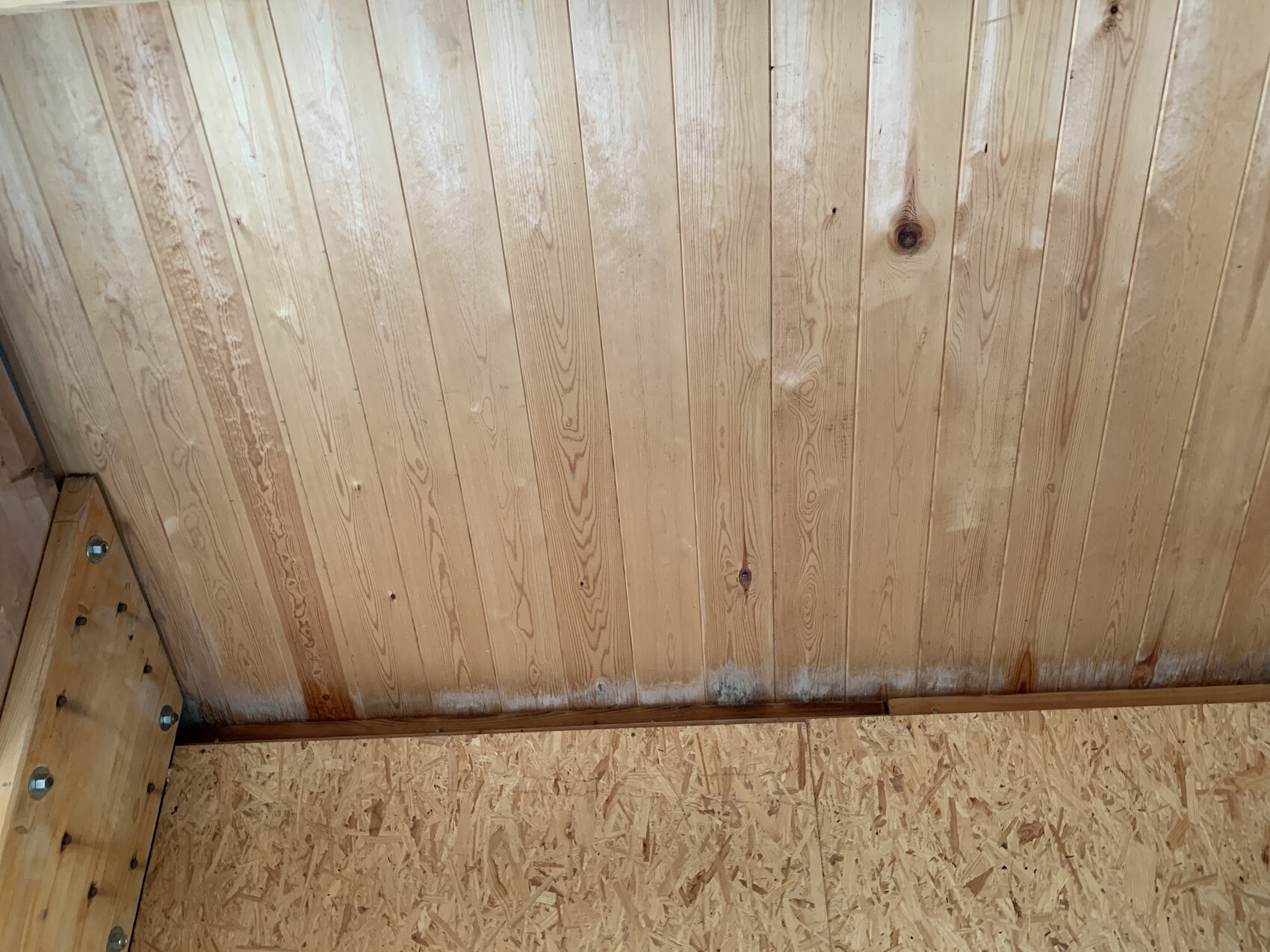
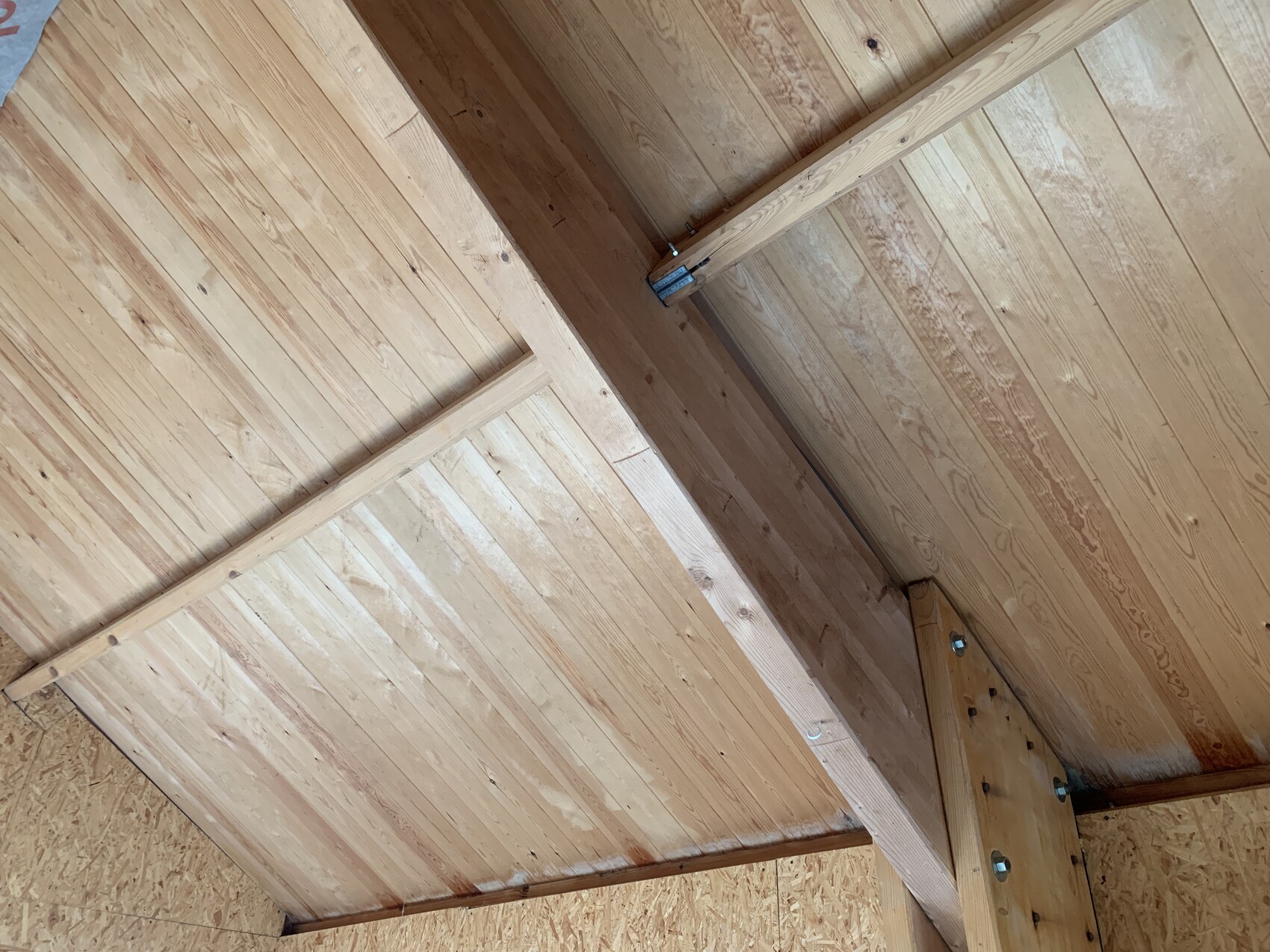
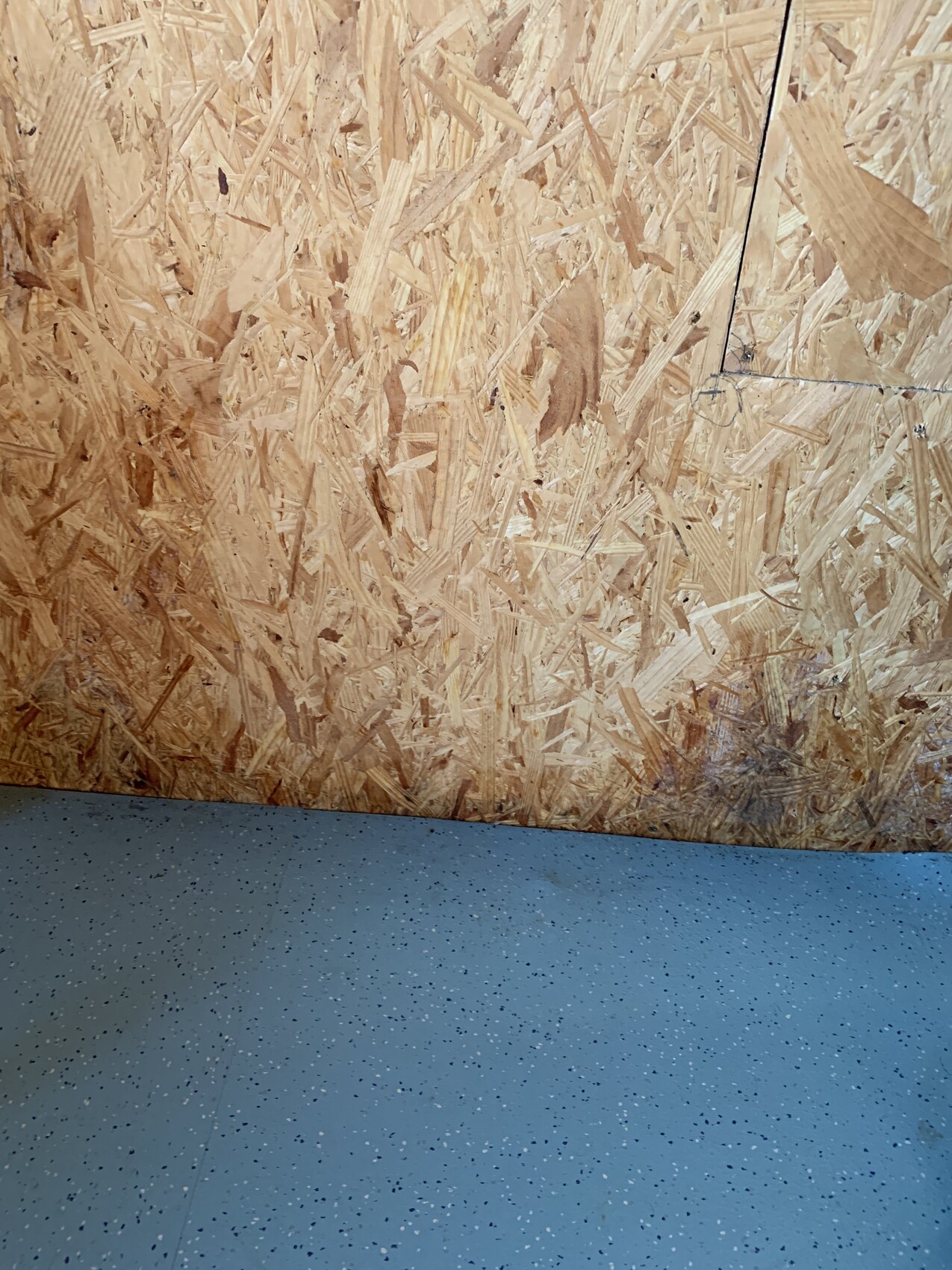
I spend a lot of time in a small weekend house (30 m2 (323 sq ft)) located in a natural setting. The house was built 30 years ago and is made of wood with mineral wool insulation. Recently, I installed new triple-glazed windows. Floor construction: concrete foundation – wooden battens – OSB boards – blue linoleum. I heat with a Rowi gas stove, but only when I am there. The roof is not insulated. Now I have a mold problem due to condensation around the corners and on the walls. How can I insulate the house to eliminate the mold issue? I can redo the insulation and floor covering, but I don’t know how to solve the overall problem.
Thank you for any help.
Luis
I don’t know the details of your construction work, which makes it difficult to assess.
Fungal spores are found in the soil or also in the masonry. Under suitable conditions, such as moisture, they attack the wood. Infested wood cannot be saved.
In the photos, you can see that the dampness is rising from below. The baseboard and the boards are dripping wet and darkly discolored at the bottom. Clay won’t help here at all. It only retains moisture. I have a barn with a clay floor. When I lay boards or beams on the ground where there is little air circulation, they quickly look just like those in your picture because the ground moisture rises there, too.
A wooden board can draw moisture from the ground up to 2 meters (6.5 feet) deep. It’s hard to believe how much water comes up, even if it looks dry. In old houses, floorboards or door thresholds made of wood were often laid directly on the ground. That’s how dry rot entered. Dry rot then spreads into the masonry and damages it as well. That is why it is subject to mandatory reporting. If the authorities become aware of it, remediation is required. This is usually so expensive and complicated that demolition is often the only option.
I know people who stored firewood in the hallway or against a house wall without ventilation. Dry rot caused massive damage in these cases. One person even had to tear down the entire porch.
Of course, it doesn’t have to be dry rot in your case; there are other wood-decaying fungi. Mold is also a fungus.
But once it looks like that, it is already too late.
Open up the wall and dry it out from below.
Fungal spores are found in the soil or also in the masonry. Under suitable conditions, such as moisture, they attack the wood. Infested wood cannot be saved.
In the photos, you can see that the dampness is rising from below. The baseboard and the boards are dripping wet and darkly discolored at the bottom. Clay won’t help here at all. It only retains moisture. I have a barn with a clay floor. When I lay boards or beams on the ground where there is little air circulation, they quickly look just like those in your picture because the ground moisture rises there, too.
A wooden board can draw moisture from the ground up to 2 meters (6.5 feet) deep. It’s hard to believe how much water comes up, even if it looks dry. In old houses, floorboards or door thresholds made of wood were often laid directly on the ground. That’s how dry rot entered. Dry rot then spreads into the masonry and damages it as well. That is why it is subject to mandatory reporting. If the authorities become aware of it, remediation is required. This is usually so expensive and complicated that demolition is often the only option.
I know people who stored firewood in the hallway or against a house wall without ventilation. Dry rot caused massive damage in these cases. One person even had to tear down the entire porch.
Of course, it doesn’t have to be dry rot in your case; there are other wood-decaying fungi. Mold is also a fungus.
But once it looks like that, it is already too late.
Open up the wall and dry it out from below.
Similar topics