
Good morning everyone,
first some general information:
- Bad Segeberg, Schleswig-Holstein
- Timber frame construction with brick veneer
- KfW40+ standard
- Ground slab 130 sqm (1400 sq ft) – 25 cm (10 inches) waterproof concrete, strip foundation 90 cm (35 inches), 12 cm (5 inches) perimeter insulation
I’m sure some information is still missing, I will provide more as needed.
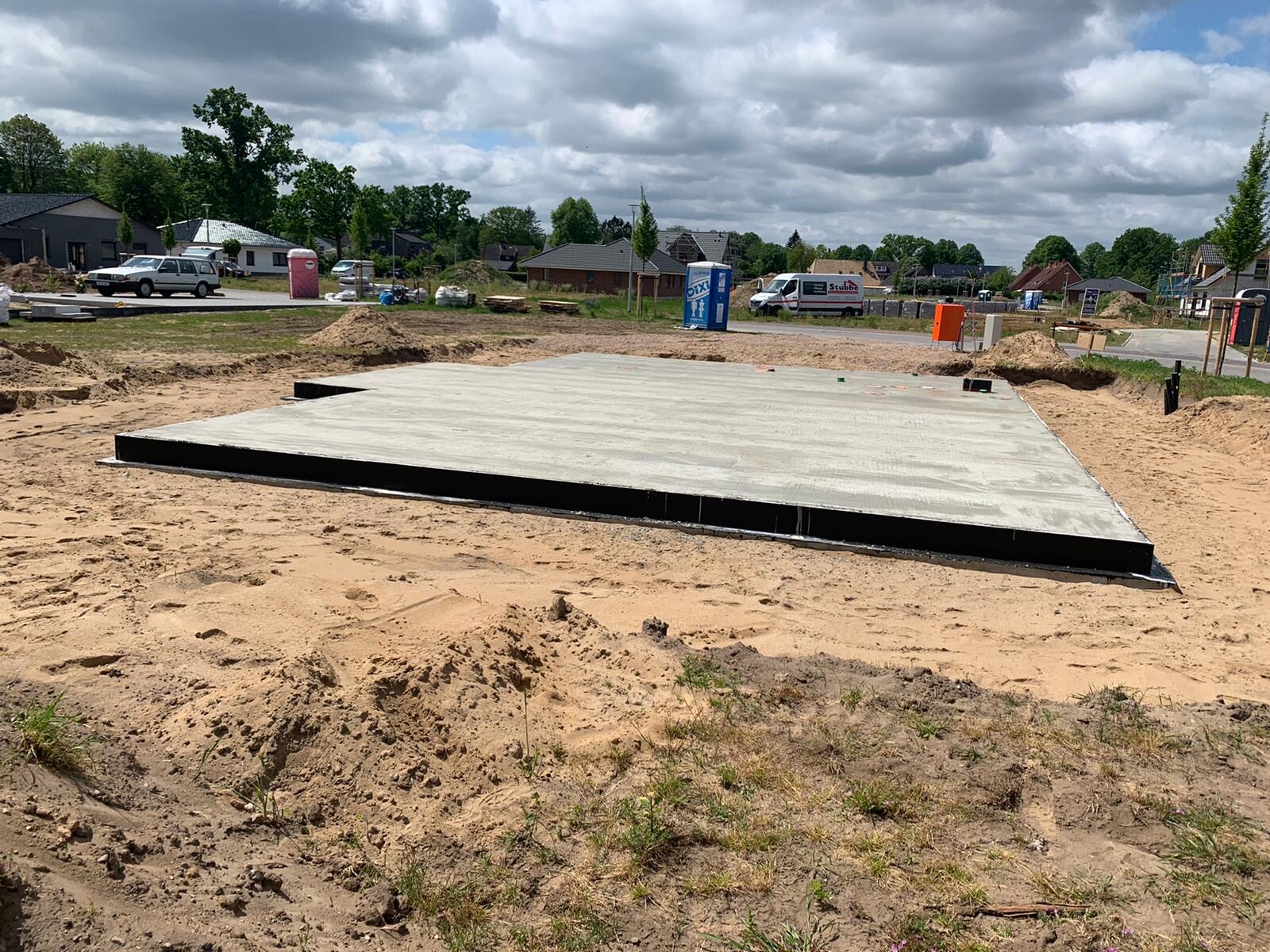
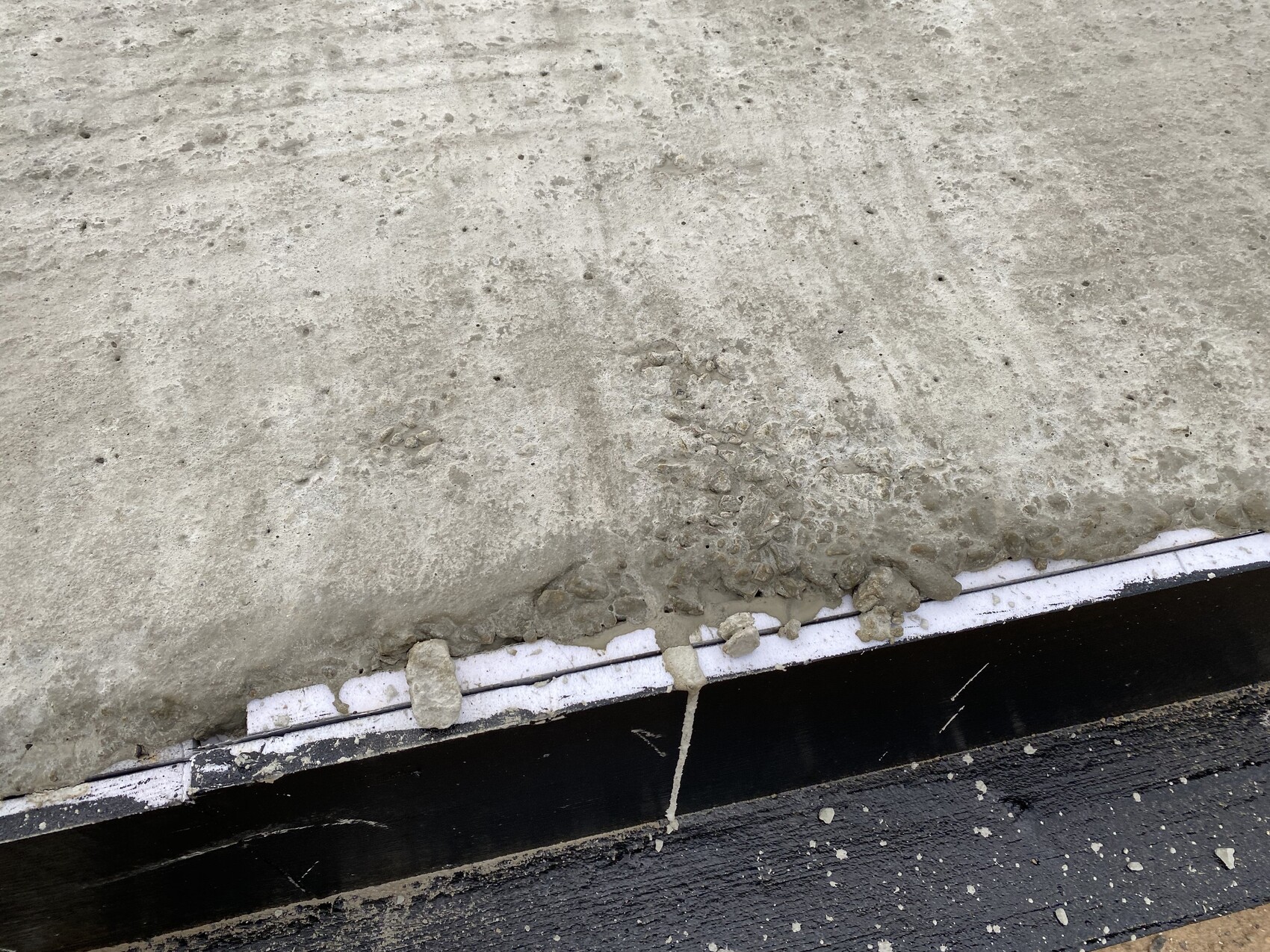
Last week, starting Monday, our ground slab was constructed, with planned completion on Wednesday. On Tuesday, due to a torn membrane above the strip foundation, concrete apparently pushed up. This was corrected accordingly, and preparations for the actual slab continued, but we were already told that the schedule would no longer be met and that the slab would be poured on Monday (May 25, 2020).
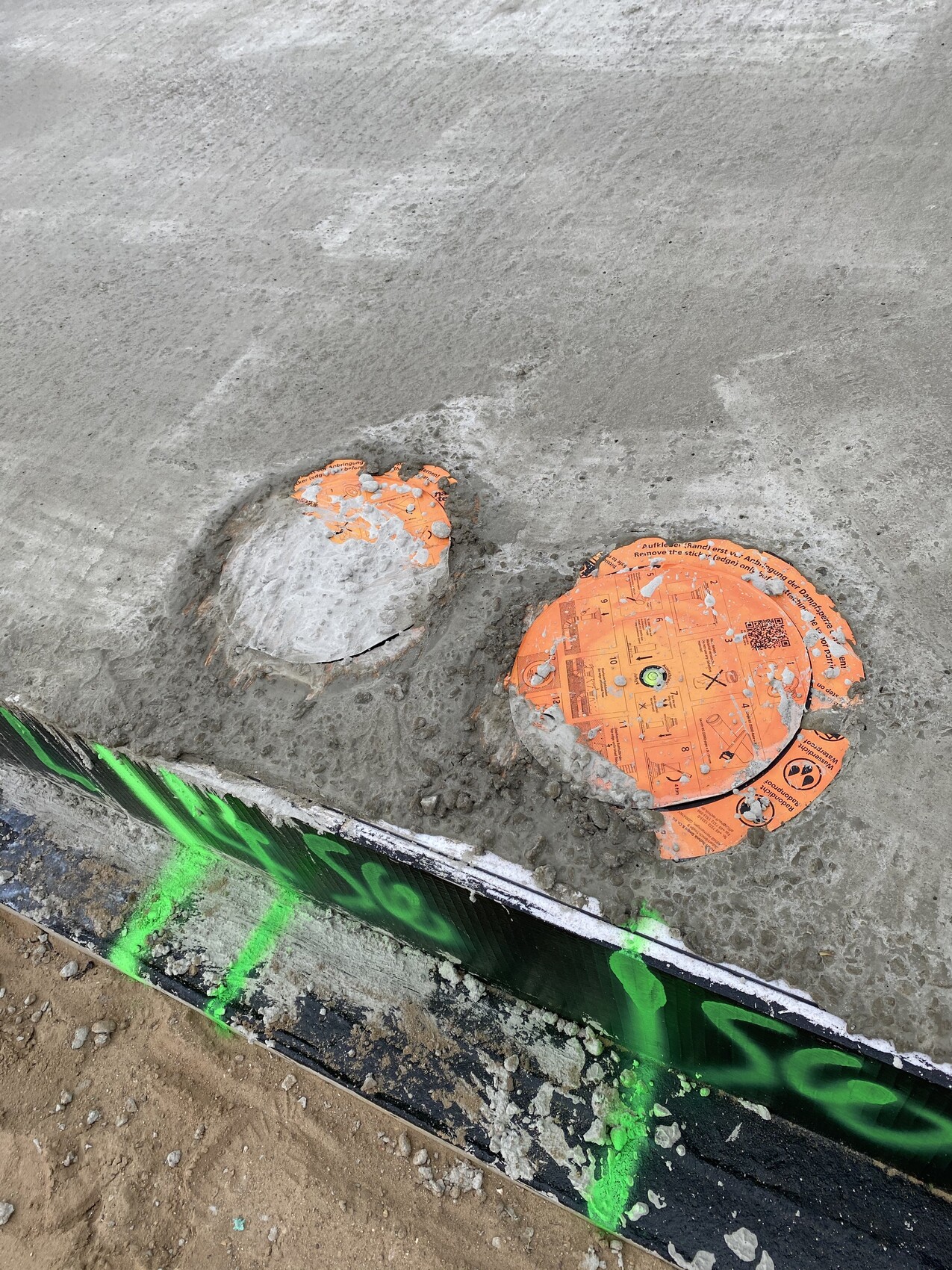
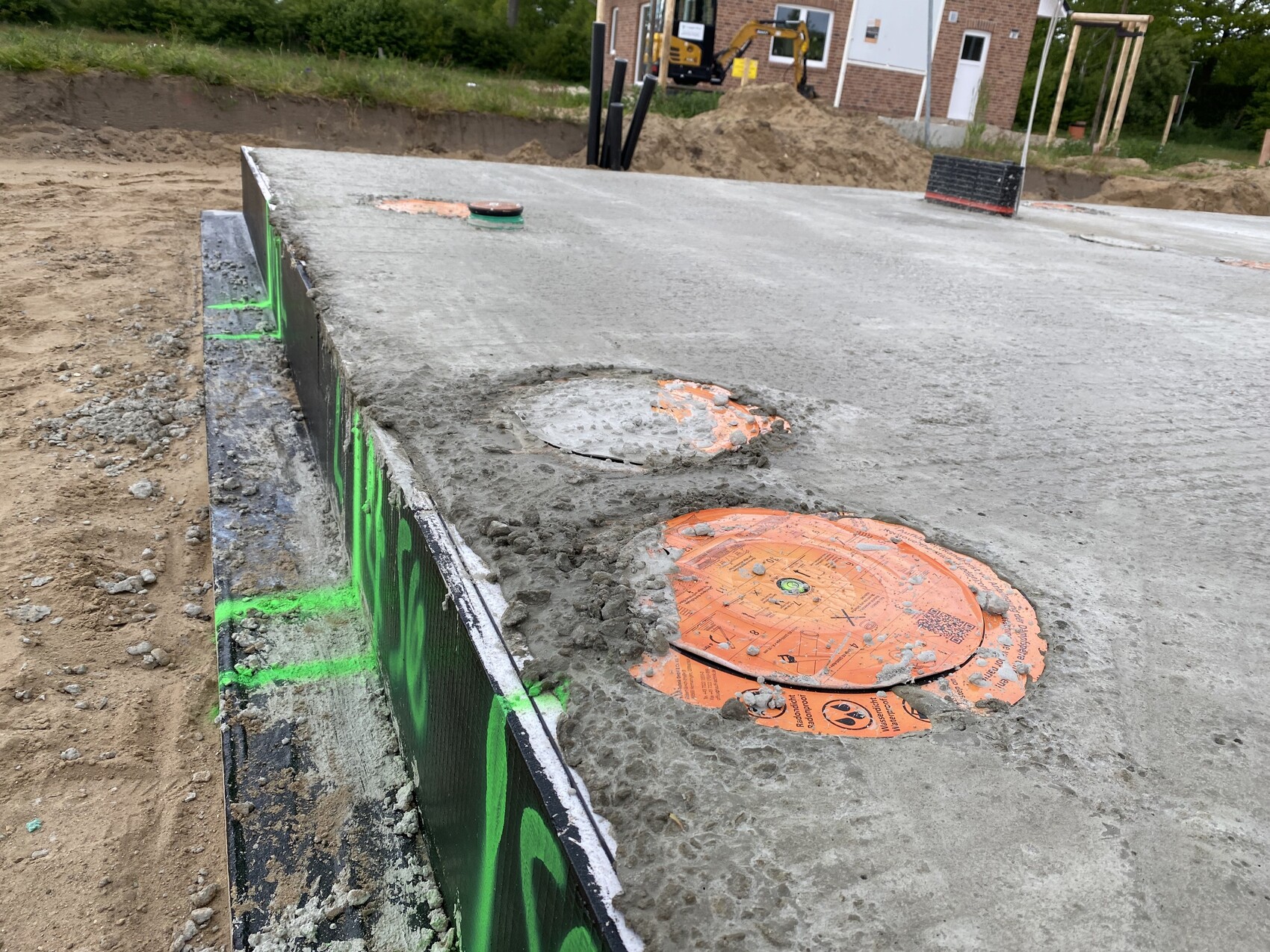
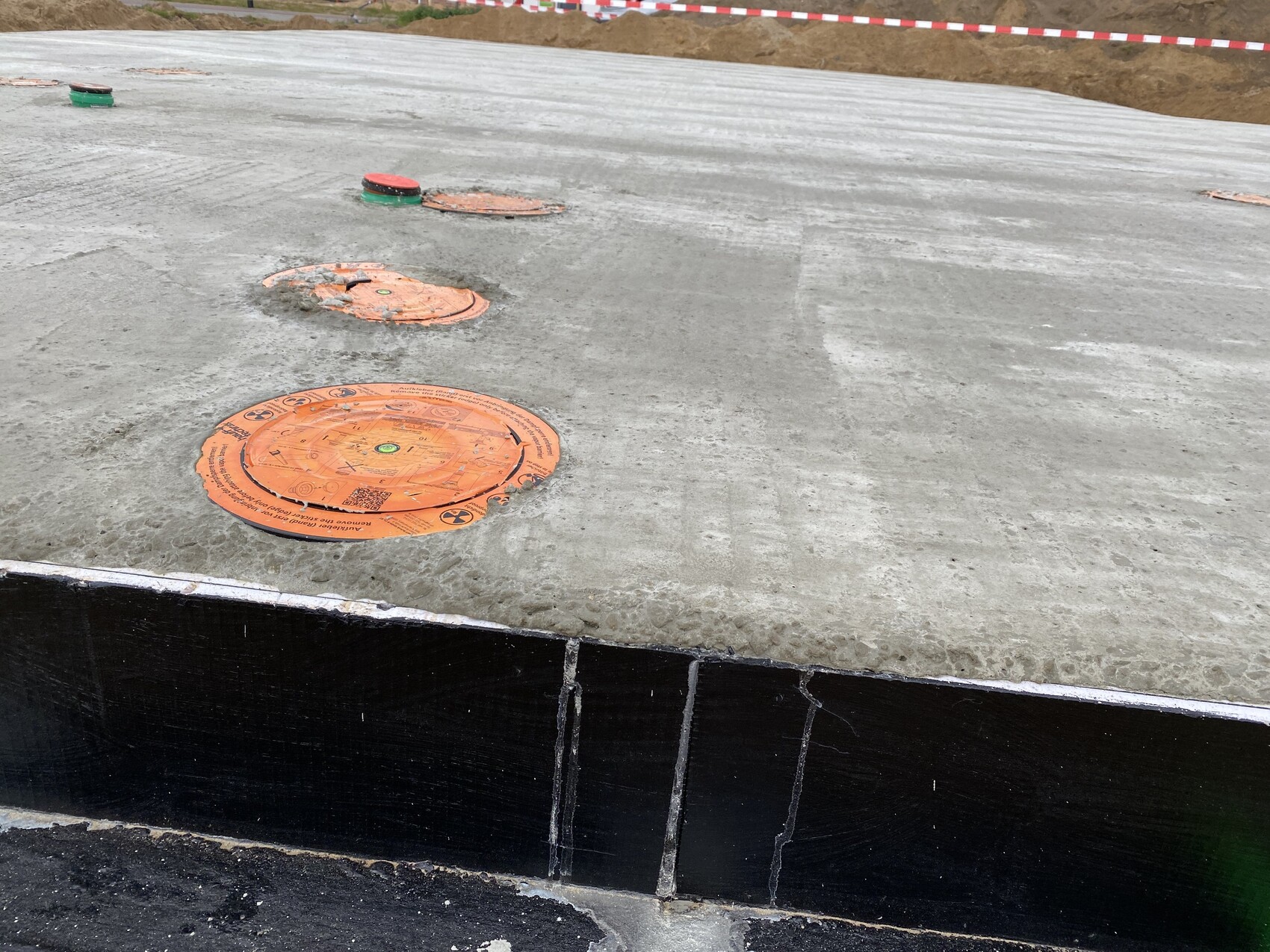
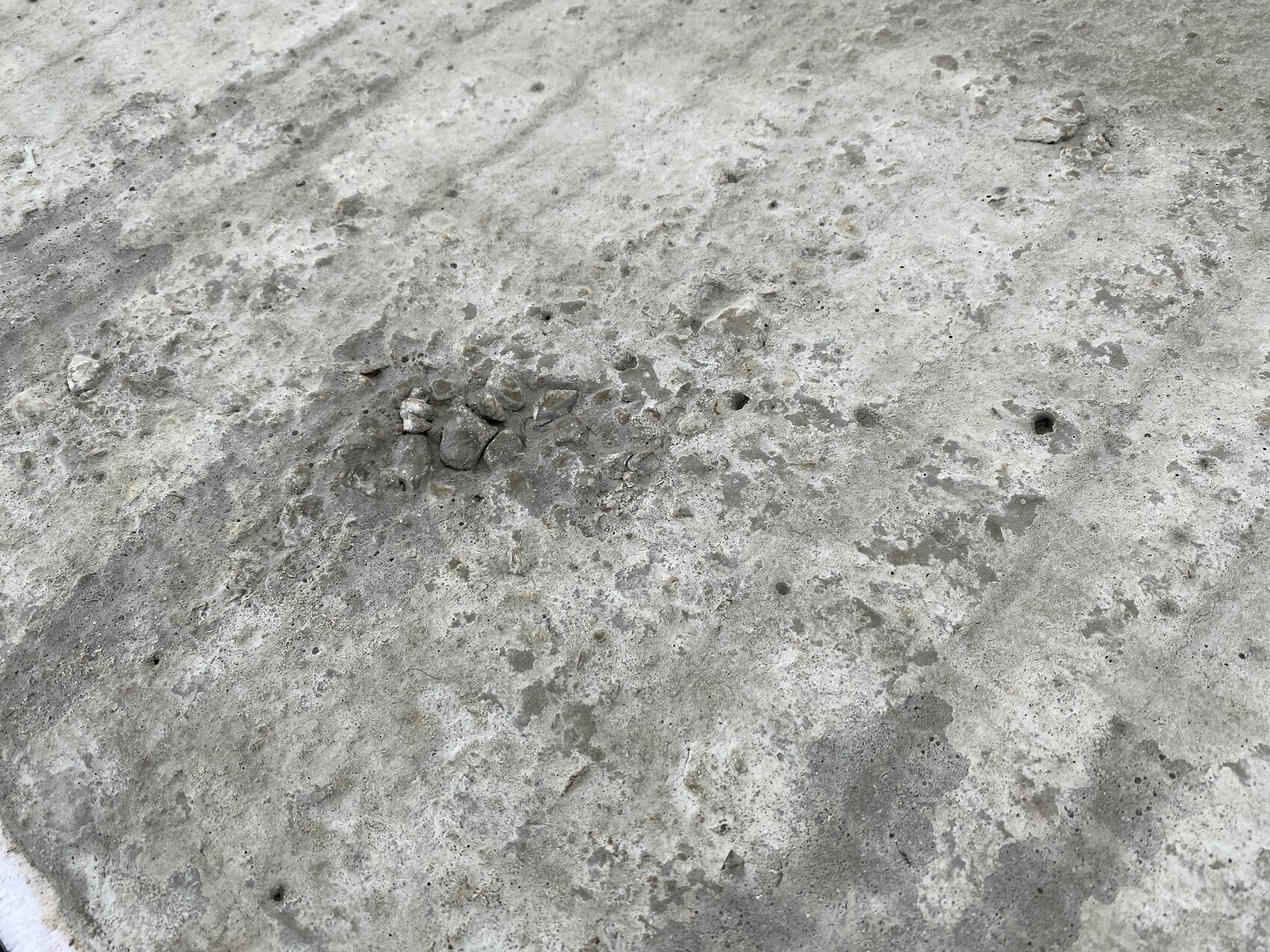
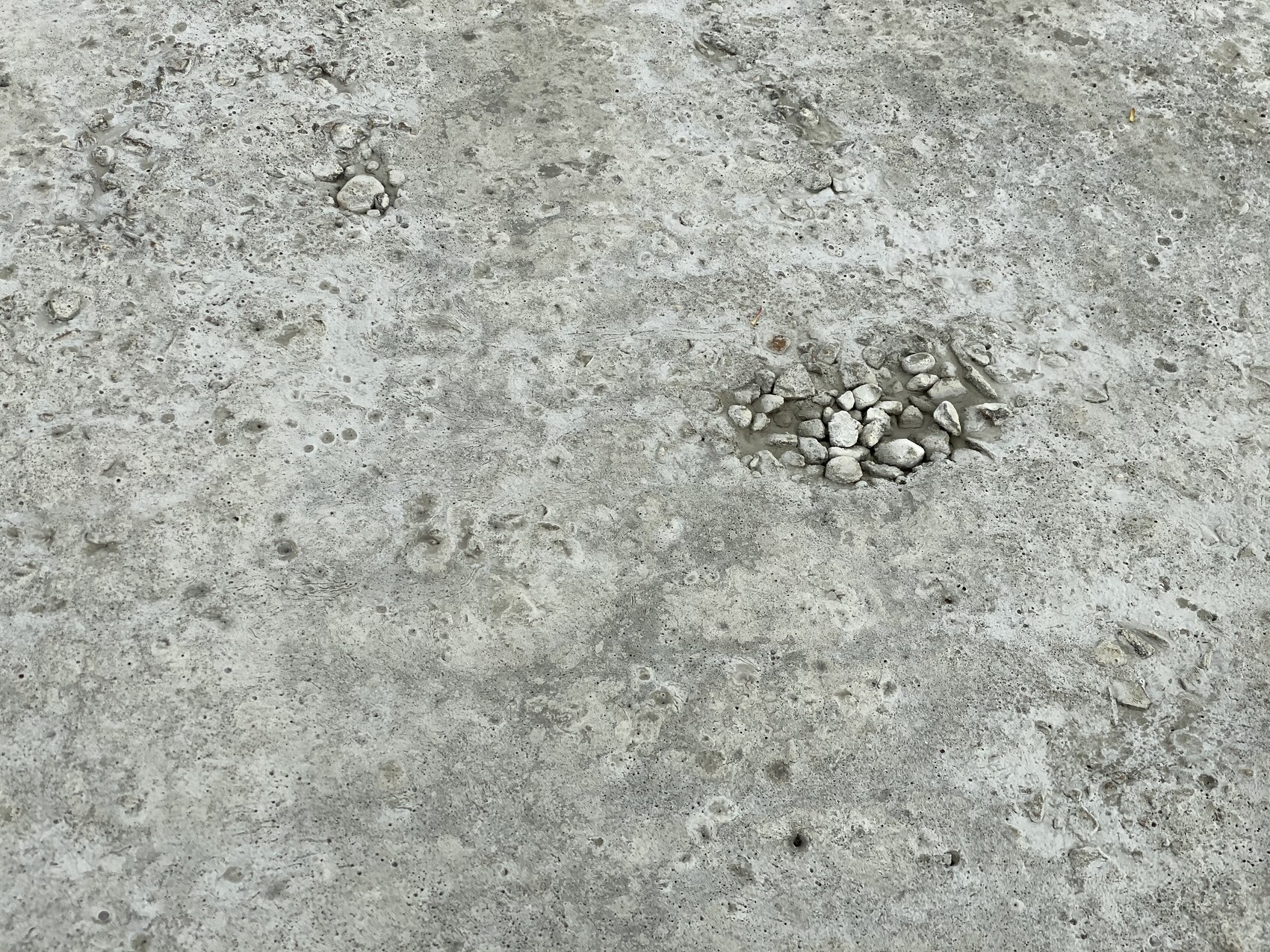
This then happened that morning. My father-in-law was on site and was able to observe the work to some extent while working with the excavator on the soakaway pits. When I went to the construction site yesterday afternoon to see the results, I was somewhat disappointed. I am not an expert, but the slab looks untidy to me. The scattered aggregate pockets (I did not photograph them all) suggest that the compaction was not very thorough, right? The crew was actually scheduled to work at another site in Bielefeld and left immediately after finishing here. I suspect there was time pressure. Overall, they were on site for just over two hours.
I can provide more photos this evening if needed. I would first like to hear your initial opinions. The site manager is coming tomorrow for the inspection.
Thanks in advance!


first some general information:
- Bad Segeberg, Schleswig-Holstein
- Timber frame construction with brick veneer
- KfW40+ standard
- Ground slab 130 sqm (1400 sq ft) – 25 cm (10 inches) waterproof concrete, strip foundation 90 cm (35 inches), 12 cm (5 inches) perimeter insulation
I’m sure some information is still missing, I will provide more as needed.
Last week, starting Monday, our ground slab was constructed, with planned completion on Wednesday. On Tuesday, due to a torn membrane above the strip foundation, concrete apparently pushed up. This was corrected accordingly, and preparations for the actual slab continued, but we were already told that the schedule would no longer be met and that the slab would be poured on Monday (May 25, 2020).
This then happened that morning. My father-in-law was on site and was able to observe the work to some extent while working with the excavator on the soakaway pits. When I went to the construction site yesterday afternoon to see the results, I was somewhat disappointed. I am not an expert, but the slab looks untidy to me. The scattered aggregate pockets (I did not photograph them all) suggest that the compaction was not very thorough, right? The crew was actually scheduled to work at another site in Bielefeld and left immediately after finishing here. I suspect there was time pressure. Overall, they were on site for just over two hours.
I can provide more photos this evening if needed. I would first like to hear your initial opinions. The site manager is coming tomorrow for the inspection.
Thanks in advance!
N
nordanney26 May 2020 09:01It could look better. However, the concrete slab will still function properly.
Thanks for the feedback, that makes me feel a bit more reassured and it seems to be just some untidy workmanship. Our acquaintance is an expert, and based solely on the photos, he advised against accepting the work. He might be a bit overly cautious, but I can’t assess that with complete certainty.
K
knalltüte26 May 2020 12:09Clean workmanship...
Can you check if the DIN standard is being followed? (I hope I have cited the correct section)
Angle Tolerances
Limit values for angular deviations apply, just like all other dimensional tolerances according to DIN 18202, both for the concrete components themselves as well as for the position of in-situ concrete elements and the installation of precast concrete parts. According to DIN 18202, angular deviation is not to be checked on the surface of concrete components; only the flatness of the surface is to be measured.
Limit values for angular deviations are described by local measurements. For example, for a nominal dimension > 1 = 3 m (10 feet), such as a typical wall or column height or a beam with a span in this range according to Table 2 of DIN 18202, the local measurement as the limit value may be up to 8 mm (0.3 inches). For a corresponding nominal dimension > 3 = 6 m (20 feet), up to 16 mm (0.6 inches) is allowed. A floor slab whose length and width each exceed > 6 m = 15 m (20 feet = 50 feet) may have a maximum local measurement of 16 mm (0.6 inches).
Can you check if the DIN standard is being followed? (I hope I have cited the correct section)
Angle Tolerances
Limit values for angular deviations apply, just like all other dimensional tolerances according to DIN 18202, both for the concrete components themselves as well as for the position of in-situ concrete elements and the installation of precast concrete parts. According to DIN 18202, angular deviation is not to be checked on the surface of concrete components; only the flatness of the surface is to be measured.
Limit values for angular deviations are described by local measurements. For example, for a nominal dimension > 1 = 3 m (10 feet), such as a typical wall or column height or a beam with a span in this range according to Table 2 of DIN 18202, the local measurement as the limit value may be up to 8 mm (0.3 inches). For a corresponding nominal dimension > 3 = 6 m (20 feet), up to 16 mm (0.6 inches) is allowed. A floor slab whose length and width each exceed > 6 m = 15 m (20 feet = 50 feet) may have a maximum local measurement of 16 mm (0.6 inches).
Phew, this looks really, really bad. Honestly, it’s the worst concrete slab I have seen so far. And I have seen many. The main question for me is whether it’s even watertight at this point. Waterproof concrete is useless if it’s not installed correctly. And that’s exactly what it looks like here.
You won’t be able to access it if it ever leaks, and then you’ll have a serious problem.
You won’t be able to access it if it ever leaks, and then you’ll have a serious problem.
Similar topics