
ᐅ Sloped Plot; Earthworks, Retaining Walls, and Associated Costs?
Created on: 12 Jan 2014 20:53
J
Jonibi
Hello everyone,
We have visited a plot that we like. It is 380m² (4,086 ft²) and is located on a (gentle) slope. (Unfortunately, attaching pictures does not work.)
The plot is designated for building a semi-detached house, with the first half already constructed.
This first half has already fully utilized the permitted ridge height.
"Our" house would be located a bit closer to the street than the existing one.
We would like to raise the ground floor as much as possible.
Since the street slopes up from the neighbor’s property to "our" plot by about 60cm (24 inches) and we would build the knee wall lower, we would gain about 1m (39 inches) in height and thus be about 1m (39 inches) higher than the neighbors.
However, we would need to add fill at the back of the plot since we also want a level garden. The land itself is not very steep, I estimate about 10°.
At the rear of the plot, however, the land drops again towards the neighbor’s property behind. Unfortunately, this is not visible in the photos. Here, we would need some type of retaining structure, which I estimate to be around 2m (79 inches) high. Regular L-shaped retaining blocks are probably not sufficient, so we would need reinforced cantilever retaining walls on a concrete foundation (correct?).
L-shaped retaining blocks would also have to be installed along the neighbors on the left and right sides.
A (partial) basement is planned, of course.
I hope I have explained everything clearly enough.
Now my questions:
What would be the approximate cost of the earthworks including excavation for the basement, the fill at the back, and the surrounding reinforcement?
Because of the slope, we will need drainage. But what happens to the groundwater when it hits the retaining walls? Does it drain through the joints? Then some kind of geotextile fabric would be needed on the front to prevent soil from washing away, right? What else should be considered regarding water on a slope?
What else should we keep in mind? What additional costs might arise?
Do you have any ideas on how to solve this cost-effectively? Is there a cheaper alternative to the cantilever retaining walls (it doesn’t have to look nice since this side is not visible from our property)?
Thank you in advance for many opinions!
If I forgot anything, please ask!
Jonibi


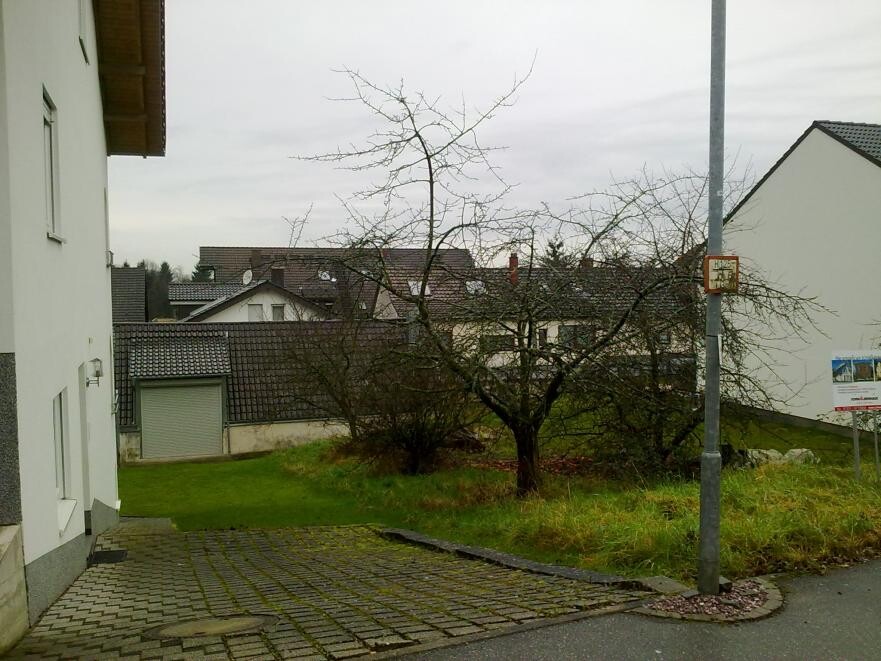
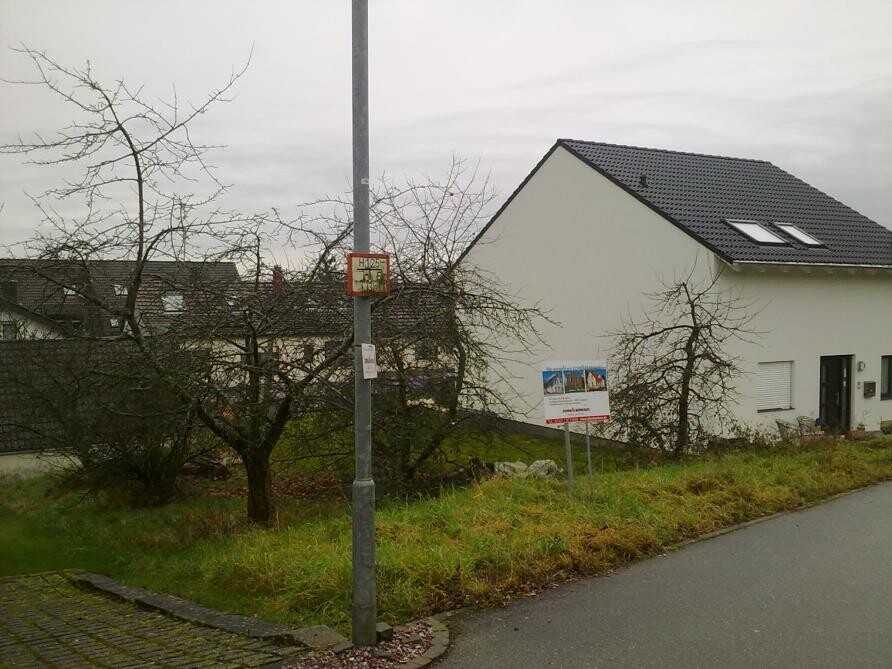
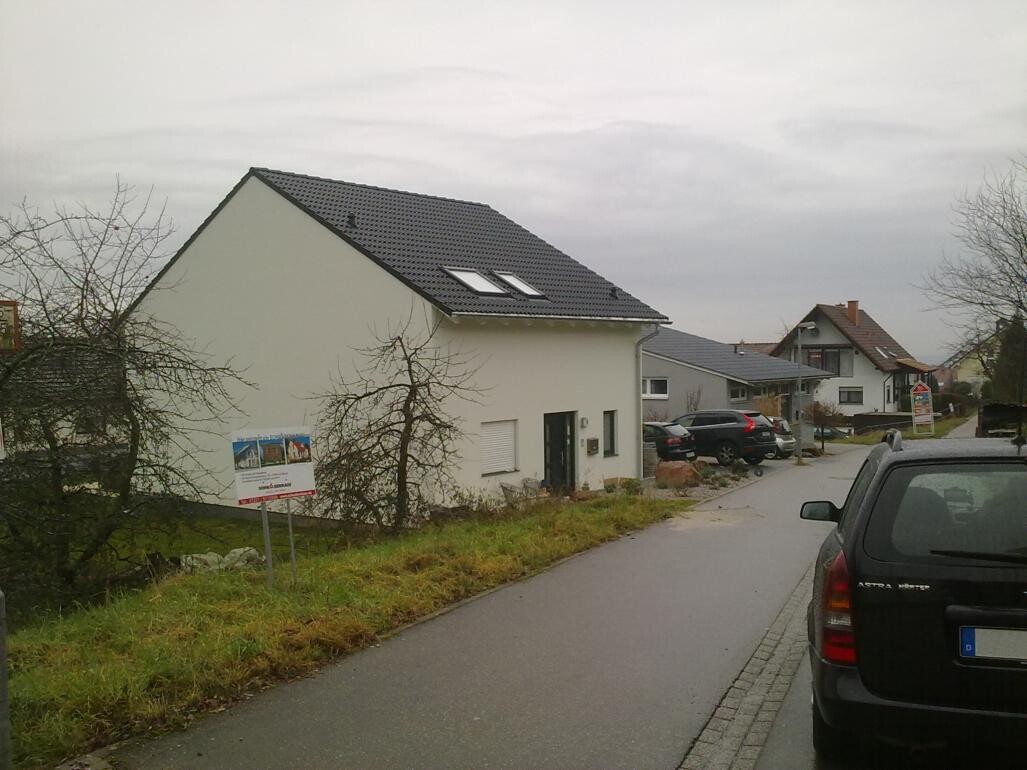
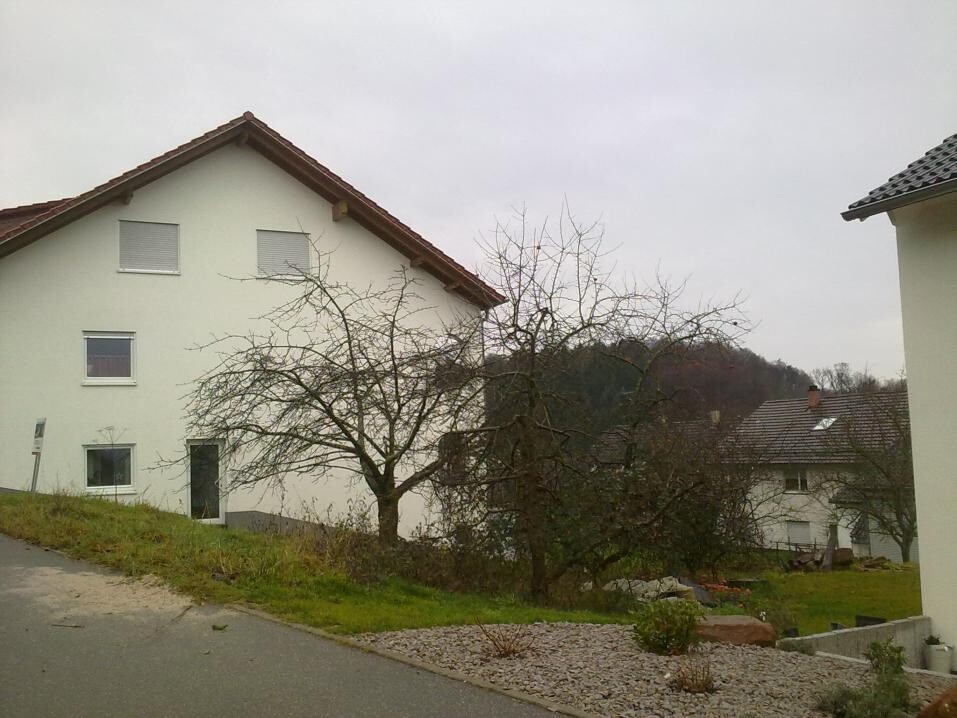
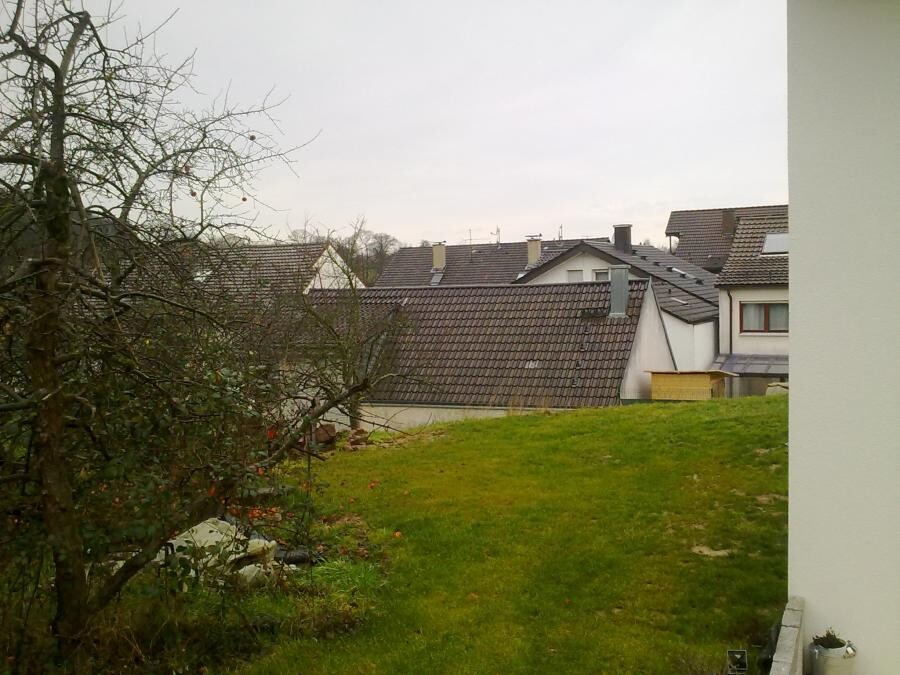
We have visited a plot that we like. It is 380m² (4,086 ft²) and is located on a (gentle) slope. (Unfortunately, attaching pictures does not work.)
The plot is designated for building a semi-detached house, with the first half already constructed.
This first half has already fully utilized the permitted ridge height.
"Our" house would be located a bit closer to the street than the existing one.
We would like to raise the ground floor as much as possible.
Since the street slopes up from the neighbor’s property to "our" plot by about 60cm (24 inches) and we would build the knee wall lower, we would gain about 1m (39 inches) in height and thus be about 1m (39 inches) higher than the neighbors.
However, we would need to add fill at the back of the plot since we also want a level garden. The land itself is not very steep, I estimate about 10°.
At the rear of the plot, however, the land drops again towards the neighbor’s property behind. Unfortunately, this is not visible in the photos. Here, we would need some type of retaining structure, which I estimate to be around 2m (79 inches) high. Regular L-shaped retaining blocks are probably not sufficient, so we would need reinforced cantilever retaining walls on a concrete foundation (correct?).
L-shaped retaining blocks would also have to be installed along the neighbors on the left and right sides.
A (partial) basement is planned, of course.
I hope I have explained everything clearly enough.
Now my questions:
What would be the approximate cost of the earthworks including excavation for the basement, the fill at the back, and the surrounding reinforcement?
Because of the slope, we will need drainage. But what happens to the groundwater when it hits the retaining walls? Does it drain through the joints? Then some kind of geotextile fabric would be needed on the front to prevent soil from washing away, right? What else should be considered regarding water on a slope?
What else should we keep in mind? What additional costs might arise?
Do you have any ideas on how to solve this cost-effectively? Is there a cheaper alternative to the cantilever retaining walls (it doesn’t have to look nice since this side is not visible from our property)?
Thank you in advance for many opinions!
If I forgot anything, please ask!
Jonibi
B
Bauexperte14 Jan 2014 12:31Hello,
I don’t understand this calculation...
Usually, the average is what counts. Once you have the preliminary site plan, you will have three elevation points in front of your property. If the specified finished floor height relates to the road, your planner must calculate the average of these values, and you will have a reliable reference point. If the information refers to the top edge of the floor slab, the situation is different; however, this should be clarified with the building authority if it is not stated in the property’s written regulations.
Why “of course”? Are you aware that a partial basement is almost as expensive as a full basement? Considering the upcoming excavation work, a full basement absolutely makes sense. Have you asked the resident of the existing semi-detached house about the soil conditions? That would at least give you an approximate idea, although the soil conditions on your property can be quite different.
Regards, Bauexperte
Jonibi schrieb:
Since the road rises from the neighbor’s property to “our” plot by about 60cm (2.4 inches), and we would build the knee wall lower, we would gain about 1 meter (3.3 feet) and thus be 1 meter (3.3 feet) higher than the neighbors.
I don’t understand this calculation...
Jonibi schrieb:
I assume that the 7.70 meters (25.3 feet) from the top edge of the road refers to the lowest point in front of the house. At least that is the case for the neighboring building according to the section drawing. The road rises toward us by about 60 cm (2.4 inches).
Usually, the average is what counts. Once you have the preliminary site plan, you will have three elevation points in front of your property. If the specified finished floor height relates to the road, your planner must calculate the average of these values, and you will have a reliable reference point. If the information refers to the top edge of the floor slab, the situation is different; however, this should be clarified with the building authority if it is not stated in the property’s written regulations.
Jonibi schrieb:
A (partial) basement is, of course, planned.
Why “of course”? Are you aware that a partial basement is almost as expensive as a full basement? Considering the upcoming excavation work, a full basement absolutely makes sense. Have you asked the resident of the existing semi-detached house about the soil conditions? That would at least give you an approximate idea, although the soil conditions on your property can be quite different.
Regards, Bauexperte

Well, paying 800 to 1000 euros for something when you already know the construction will be too expensive ultimately saves you something. We had also planned the 15,000 euros for something else rather than just burying a lot of gravel under our house.
But if it ends up costing around 30,000 euros, then that 1000 euros is actually peanuts.
But if it ends up costing around 30,000 euros, then that 1000 euros is actually peanuts.
B
Bauexperte14 Jan 2014 13:59Hello,
Originally, everything is measured based on the reference level NN. The "original" terrain profile is also surveyed starting from NN. That is why I mentioned three elevation data points in front of your property, which can be found in the preliminary site plan.
Personally, I consider the cost of a geotechnical report reasonable; even if its only conclusion is that building on the plot would exceed your budget! Your neighbor mentions clay soil, so based on that, have your contractor or civil engineer provide you with an approximate estimate of the expected additional costs. If you are comfortable with that and still have a reserve for any possible extra foundation expenses, then you have a certain level of security.
Regards, Bauexperte
Originally, everything is measured based on the reference level NN. The "original" terrain profile is also surveyed starting from NN. That is why I mentioned three elevation data points in front of your property, which can be found in the preliminary site plan.
Personally, I consider the cost of a geotechnical report reasonable; even if its only conclusion is that building on the plot would exceed your budget! Your neighbor mentions clay soil, so based on that, have your contractor or civil engineer provide you with an approximate estimate of the expected additional costs. If you are comfortable with that and still have a reserve for any possible extra foundation expenses, then you have a certain level of security.
Regards, Bauexperte
So. The neighboring house (the other half of the semi-detached house) is 7.70m (25.3 feet) high, measured from the top edge of the street at the lowest point of the street in front of the house, which is on the far right when viewed from the front. We want to set the ground floor as high as possible to 1) avoid having to step down too far from the street level and 2) position the garden and terrace as high up as possible.
The street rises by about 60cm (24 inches) from the right corner of the neighbor’s house to the hypothetical right corner of “our” house. I assume that from this point, we may plan for a ridge height of 7.70m (25.3 feet) (but I will check!). This would mean our house would already stand 60cm (24 inches) higher than the neighbor’s. Since the neighbor has a knee wall height of 1.30m (4 feet 3 inches), we plan to set ours at 90cm (35 inches). This would lower the roof and thus the ridge by 40cm (16 inches). We could then shift the entire house up by those 40cm (16 inches), resulting in a total elevation gain of 40cm (16 inches) + 60cm (24 inches) = 100cm (39 inches) higher than the neighbor’s house.
We have an appointment with the house builder on Thursday, and we have already inquired at the planning office about the site conditions and the development plan; we are still awaiting a response.
By “naturally” building a (partial) basement, I meant simply building a basement at all, as it makes more sense structurally on a slope. Or am I mistaken? It could also be a full basement; our considerations have not gone that far yet, only that there should be a basement. The neighbors have a partial basement, which is why I am thinking about it.
The street rises by about 60cm (24 inches) from the right corner of the neighbor’s house to the hypothetical right corner of “our” house. I assume that from this point, we may plan for a ridge height of 7.70m (25.3 feet) (but I will check!). This would mean our house would already stand 60cm (24 inches) higher than the neighbor’s. Since the neighbor has a knee wall height of 1.30m (4 feet 3 inches), we plan to set ours at 90cm (35 inches). This would lower the roof and thus the ridge by 40cm (16 inches). We could then shift the entire house up by those 40cm (16 inches), resulting in a total elevation gain of 40cm (16 inches) + 60cm (24 inches) = 100cm (39 inches) higher than the neighbor’s house.
We have an appointment with the house builder on Thursday, and we have already inquired at the planning office about the site conditions and the development plan; we are still awaiting a response.
By “naturally” building a (partial) basement, I meant simply building a basement at all, as it makes more sense structurally on a slope. Or am I mistaken? It could also be a full basement; our considerations have not gone that far yet, only that there should be a basement. The neighbors have a partial basement, which is why I am thinking about it.
Similar topics