
ᐅ Plastering walls in an older building from around 1936, likely using lime plaster
Created on: 30 Mar 2026 12:42
R
Roman78A cheerful hello to everyone. I registered here because I am currently renovating an old building from the 1930s, and on the ground floor, I probably have lime plaster and have a few questions about it.
Although I’m not entirely sure if it is pure lime plaster. The base coat is quite soft and sandy. It crumbles easily if you... well, mistreat it. On top of that is a firmer, finer plaster. That confuses me because I’ve heard it usually goes from hard to soft. Here is a photo:
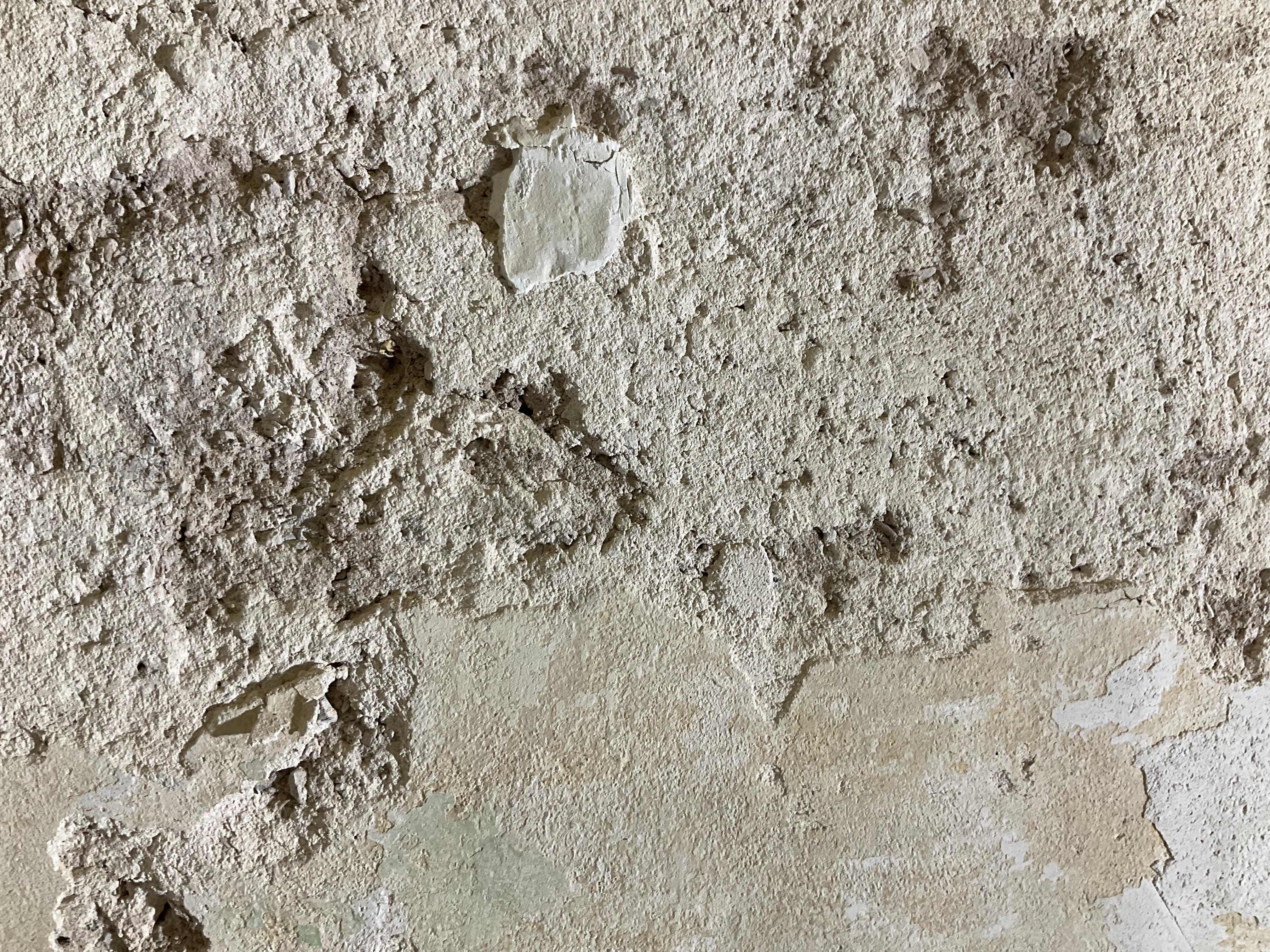
In the kitchen, I removed all the plaster from the walls because it was so damaged that it was no longer usable. Here, I will re-plaster completely with lime plaster. Two walls are made of pumice stone and two of rubble stone. By now, I know that pumice stone does not need any pre-treatment, only wetting. However, rubble stone must be pre-treated with a renovation bonding mortar or primer.
In the hallway (where the photo was taken), the old plaster is still in good condition and I would just patch it up. However, I removed all the rough material that had been applied on top. So, I will close holes, sand it, then apply a thin coat of plaster and possibly a finishing coat for smoothing. We do not want textured plaster or wallpaper. The walls should be smooth and then painted.
Now the question arises: pure lime plaster or one with a cement additive (which is often sold in home improvement stores as pure lime plaster—keyword lime plaster myth). So, lime plasters like Quick-Mix or Baumit—basically, more user-friendly lime plaster. Or which one should be used? Is it noticeably easier to work with, and what are the disadvantages regarding real lime plaster versus the one with some cement?
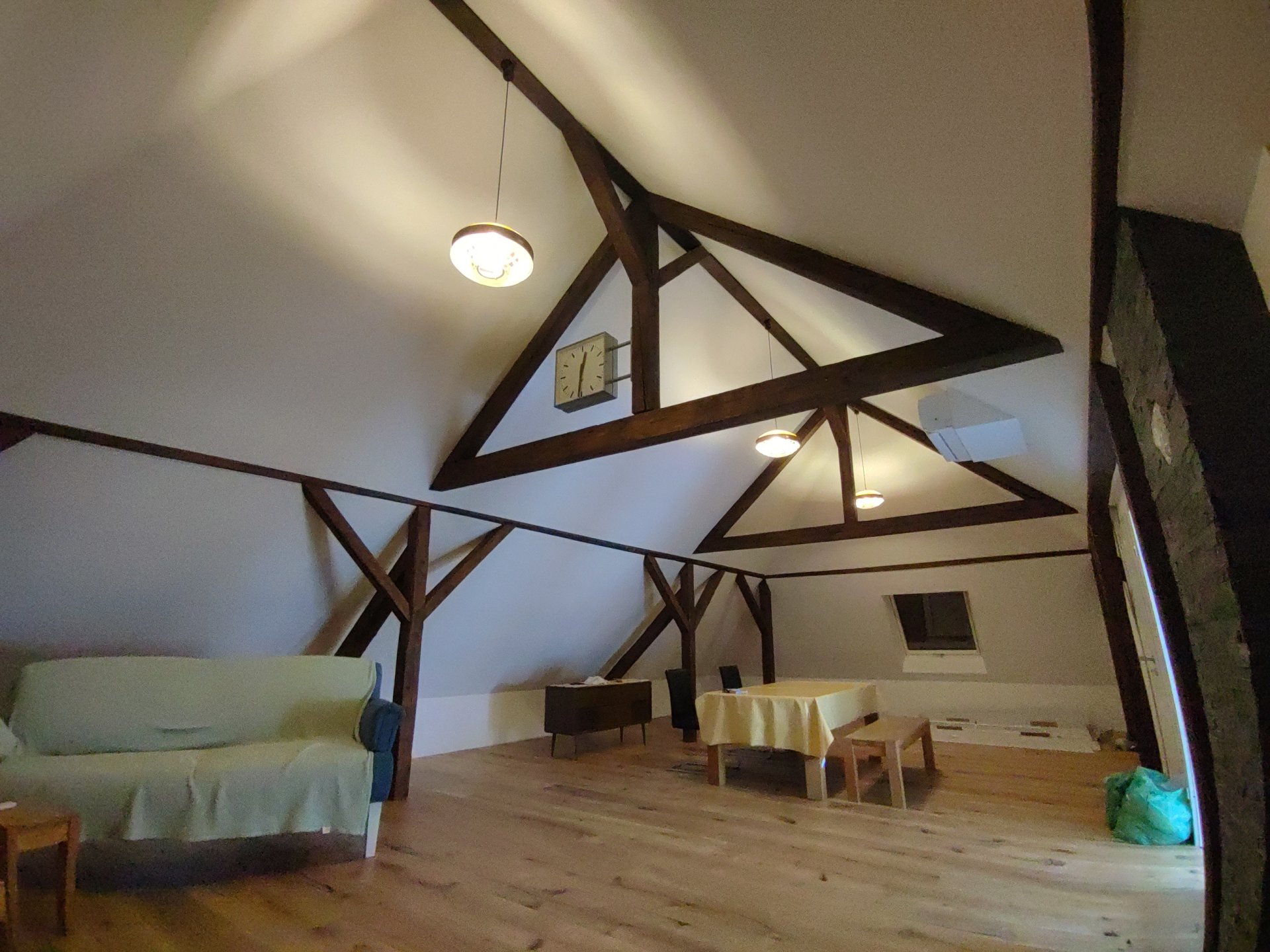
Until now, I have only worked with gypsum plaster. Never with lime or lime-cement plaster. By the way, it looks like this:
Although I’m not entirely sure if it is pure lime plaster. The base coat is quite soft and sandy. It crumbles easily if you... well, mistreat it. On top of that is a firmer, finer plaster. That confuses me because I’ve heard it usually goes from hard to soft. Here is a photo:
In the kitchen, I removed all the plaster from the walls because it was so damaged that it was no longer usable. Here, I will re-plaster completely with lime plaster. Two walls are made of pumice stone and two of rubble stone. By now, I know that pumice stone does not need any pre-treatment, only wetting. However, rubble stone must be pre-treated with a renovation bonding mortar or primer.
In the hallway (where the photo was taken), the old plaster is still in good condition and I would just patch it up. However, I removed all the rough material that had been applied on top. So, I will close holes, sand it, then apply a thin coat of plaster and possibly a finishing coat for smoothing. We do not want textured plaster or wallpaper. The walls should be smooth and then painted.
Now the question arises: pure lime plaster or one with a cement additive (which is often sold in home improvement stores as pure lime plaster—keyword lime plaster myth). So, lime plasters like Quick-Mix or Baumit—basically, more user-friendly lime plaster. Or which one should be used? Is it noticeably easier to work with, and what are the disadvantages regarding real lime plaster versus the one with some cement?
Until now, I have only worked with gypsum plaster. Never with lime or lime-cement plaster. By the way, it looks like this:
Similar topics