
ᐅ Planning a Land Purchase and a $400,000 Budget for Home Construction
Created on: 26 Oct 2021 20:24
M
Moerfel22M
Moerfel2226 Oct 2021 20:24Good evening dear community,
we are currently interested in a plot of land that is about 1000 m² (10,764 sq ft) in size and should cost around 34,000 (including notary and property transfer tax).
Based on our research so far, development costs amount to approximately 25,000–30,000.
The land will be purchased using equity.
The plot has a slight slope (photos attached), so we are considering a partial basement and placing a prefabricated timber-frame house on top.
By having a partial basement, we want to move the technical room into the basement and thus gain living space, saving money on the cost per living square meter.
Our budget for site development, basement, and prefabricated house should not exceed 400,000.
What are your thoughts on this plan?
Is this feasible with the budget mentioned?
Looking forward to your active input.
Best regards,
Marvin
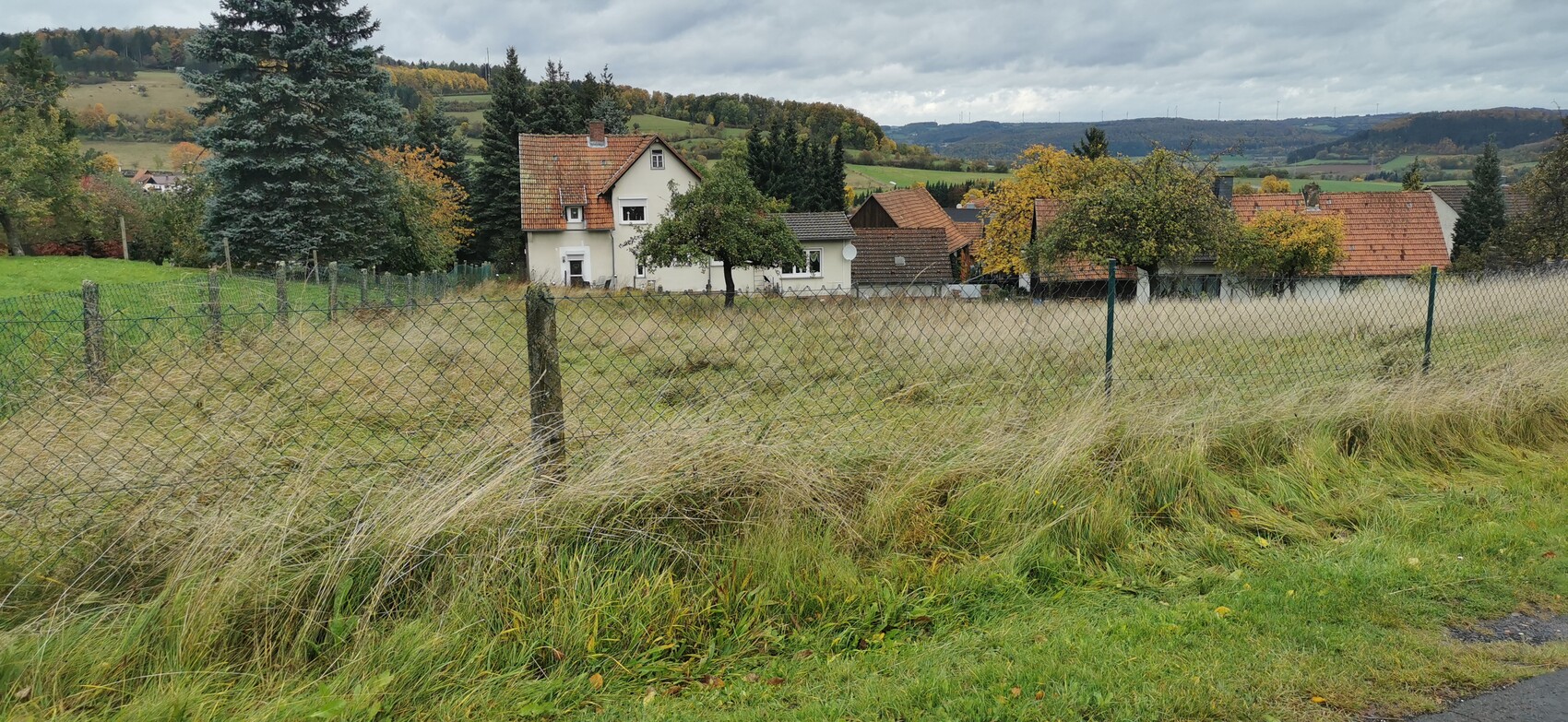
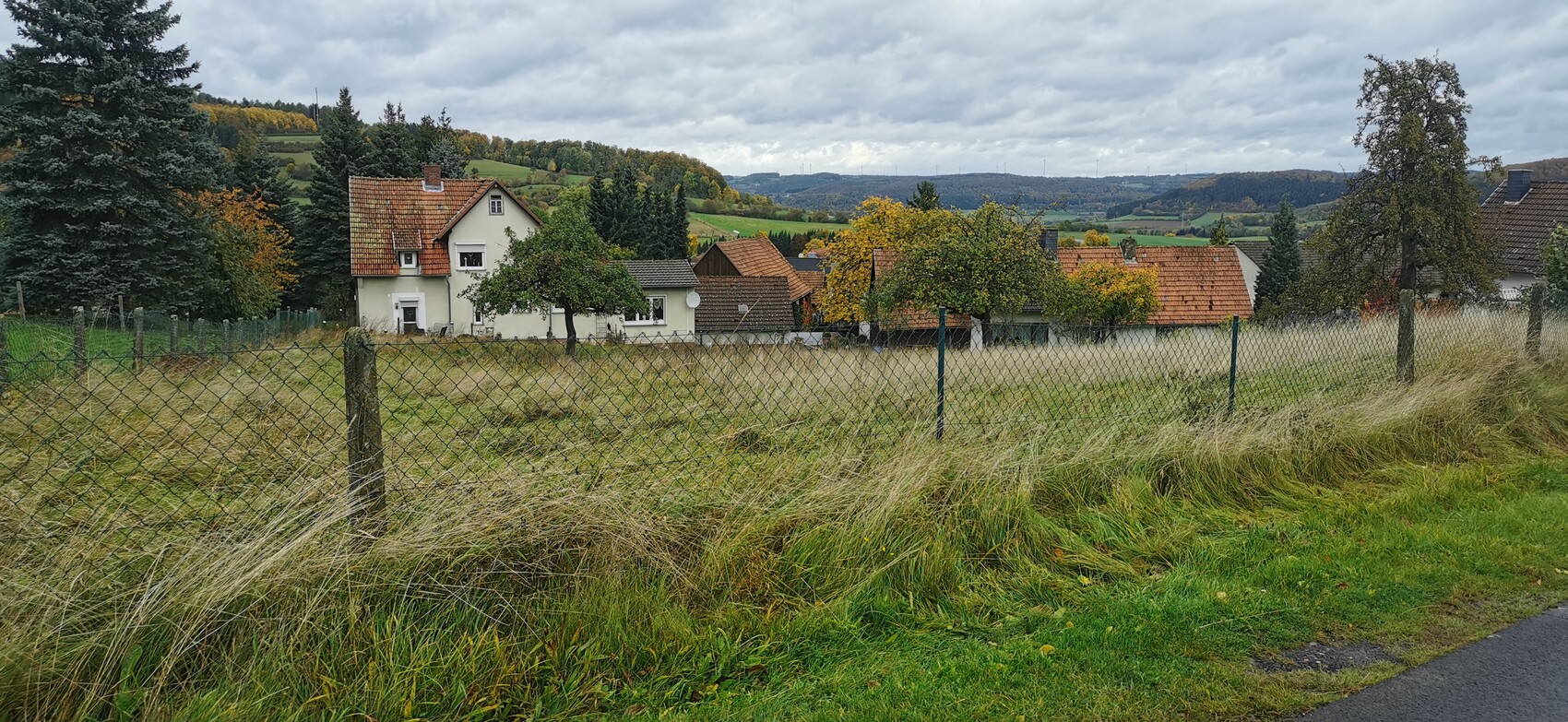
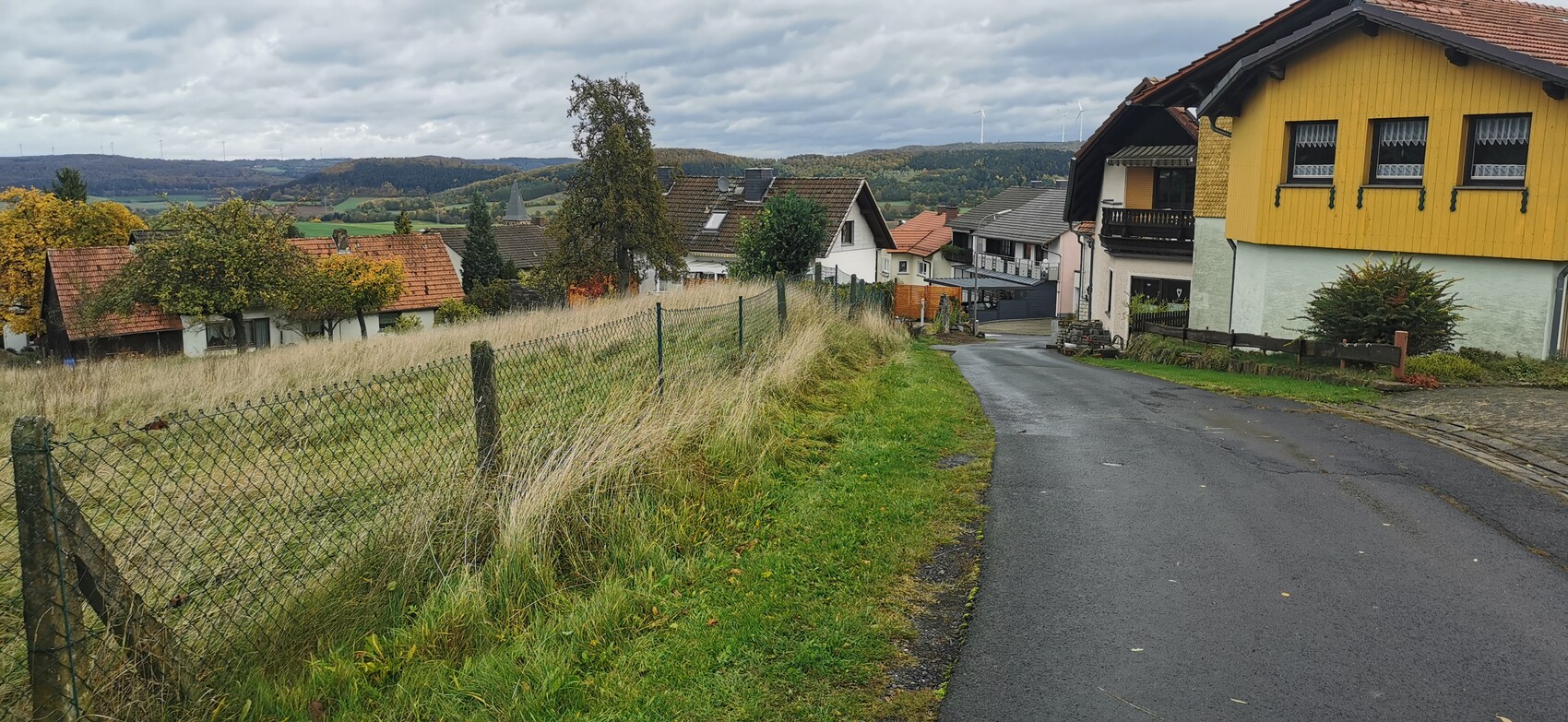
we are currently interested in a plot of land that is about 1000 m² (10,764 sq ft) in size and should cost around 34,000 (including notary and property transfer tax).
Based on our research so far, development costs amount to approximately 25,000–30,000.
The land will be purchased using equity.
The plot has a slight slope (photos attached), so we are considering a partial basement and placing a prefabricated timber-frame house on top.
By having a partial basement, we want to move the technical room into the basement and thus gain living space, saving money on the cost per living square meter.
Our budget for site development, basement, and prefabricated house should not exceed 400,000.
What are your thoughts on this plan?
Is this feasible with the budget mentioned?
Looking forward to your active input.
Best regards,
Marvin
With 400,000 you can still get something even on a slope. You just need to plan very cost-effectively. Skip the partial basement and design living spaces in the basement level. Don’t worry, modern basements have nothing to do with dark, damp cellars.
Don’t limit yourself to timber frame construction. Also ask local companies.
Carport instead of garage.
For the outdoor area, don’t fill everything up.
You could build 120-130 m² (1,290-1,400 sq ft).
Don’t limit yourself to timber frame construction. Also ask local companies.
Carport instead of garage.
For the outdoor area, don’t fill everything up.
You could build 120-130 m² (1,290-1,400 sq ft).
M
Moerfel2226 Oct 2021 21:02Thank you for your response.
However, we would still need to add or remove a significant amount of soil to install a flat concrete slab foundation.
The excavated material could certainly be stored on the property temporarily and potentially reused later.
Do you mean regional companies when referring to switching to solid construction methods?
However, we would still need to add or remove a significant amount of soil to install a flat concrete slab foundation.
The excavated material could certainly be stored on the property temporarily and potentially reused later.
Do you mean regional companies when referring to switching to solid construction methods?
Moerfel22 schrieb:
However, we would still need to either add or remove a significant amount of soil to lay a simple slab foundation.What @haydee means:Foregoing a usable basement and instead having a lower ground floor with living spaces in the basement, then a ground floor, and that’s it. Financially more feasible than a 60sqm (645 sq ft) tower over three levels.
Yes, solid construction or small carpentry work as well.
Solid construction handles slopes more easily and is less prone to tower-like structures.
Small carpentries can offer advantages in the good and affordable category. They don’t have to, but they can.
YPG already wrote it the way I meant.
Solid construction handles slopes more easily and is less prone to tower-like structures.
Small carpentries can offer advantages in the good and affordable category. They don’t have to, but they can.
YPG already wrote it the way I meant.

I find the term "somewhat" sloped site amusing, as the pictures clearly show a two-dimensional slope on the mountain side that transitions into a one-dimensional slope toward the valley side. On the other hand, it is unclear to me what is meant by "not developed": there are houses opposite, and I also see a manhole cover, so it seems that only the connection to the property is missing. To my surprise, given the rural setting, I don’t see any power lines overhead, so the electricity supply is probably already routed underground beneath the street. Considering the surroundings, I wouldn’t be surprised if the plot is not fully classified as part of the developed area.
https://www.instagram.com/11antgmxde/
https://www.linkedin.com/company/bauen-jetzt/
https://www.instagram.com/11antgmxde/
https://www.linkedin.com/company/bauen-jetzt/
Similar topics