
ᐅ Planning a Gable Roof House on a 600 m² Plot – What Does a Preliminary Building Inquiry Allow in a Section 34 Zone?
Created on: 27 Dec 2025 09:47
L
Lsawesome
Development Plan / Restrictions
Section 34 Building Code area, preliminary building inquiry submitted, especially regarding ridge height, eave height, and gable orientation.
Plot size: 600 sqm (6458 sq ft)
Slope: none, flat
Site coverage ratio: >0.4
Floor area ratio: not relevant
Building envelope: approx. 10.3 x 14 m (34 x 46 ft)
Number of parking spaces: 2
Number of floors: 1.5
Roof type: gable roof
Orientation: gable end facing east-west
Maximum heights / limits: ridge height 9.1 m (30 ft), eave height per inquiry (4.5 m / 15 ft)
Homeowners’ Requirements
We enjoy following the discussions here and, after receiving the approved preliminary building inquiry, are now entering the crunch phase of planning.
The facts:
Why is the design like it is now?
We started about 8 months ago based on the Medley 410 by Fingerhaus, as it provides a fairly good starting floor plan for us. Since then, my wife has rebuilt it in 3D over many hours and repeatedly adjusted it following input from planners/architects, etc. We also have proper plan drawings already but did not want to share them yet unless it makes sense.
We have made some compromises, especially the small, somewhat awkward office/guest room downstairs – we can’t become wider, but it works as an office. According to two construction companies, it might even be possible to use the guest room and bathroom downstairs as a separate apartment with two doors from the hallway later in life (then a KfW297 scheme could be considered). We’ve requested the extra costs for this in offers as a contingency item – I know some members here don’t support this, but we would only do it if it can be done without major extra effort.
Regarding costs: we already purchased the plot. We currently estimate the house to cost about 650,000 (offers from Isowood, Büdenbender, and Nordhaus received). Garage and landscaping are separate.
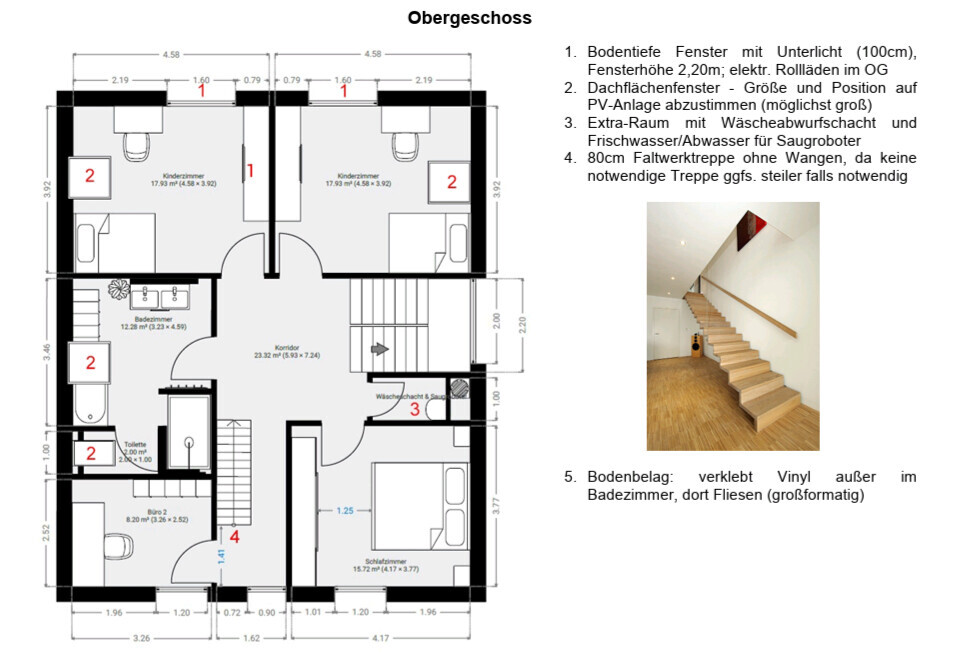
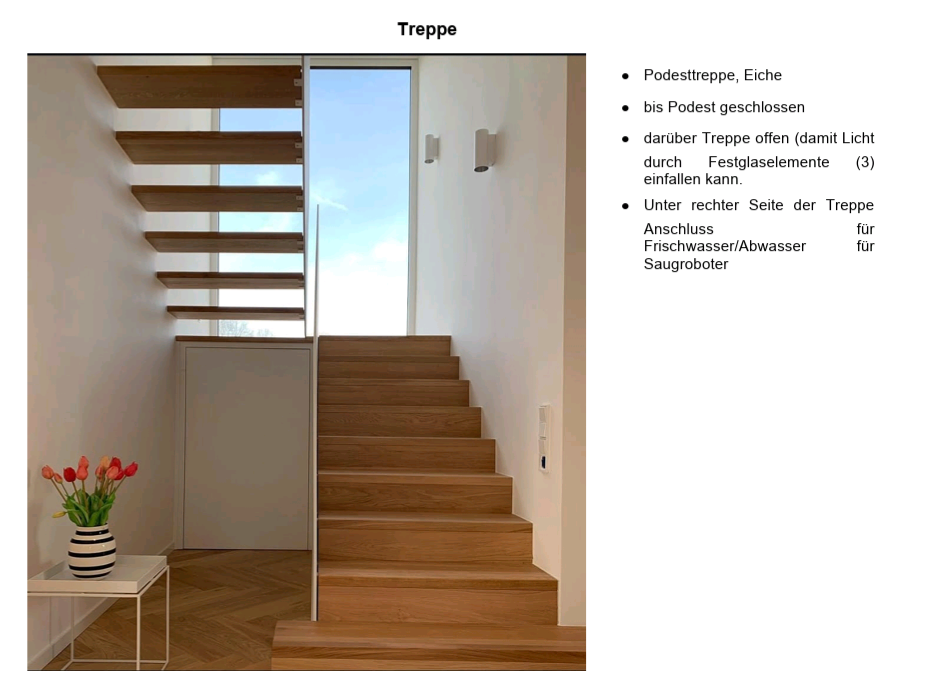
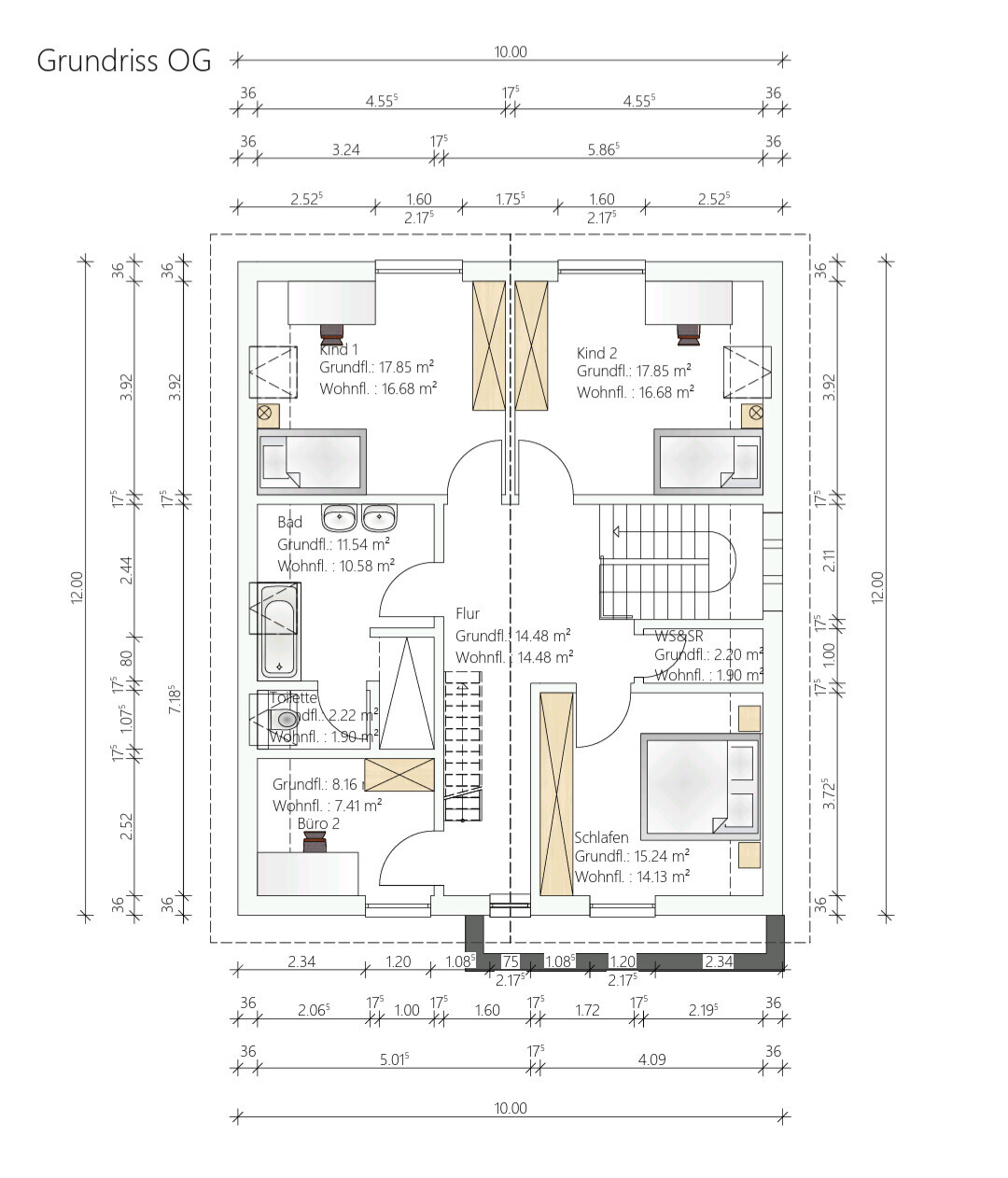
[ATTACH type="full" width="500px" alt="Upper floor plan: two children's rooms, bedroom, bathroom, hallway, staircase; notes on the right.">
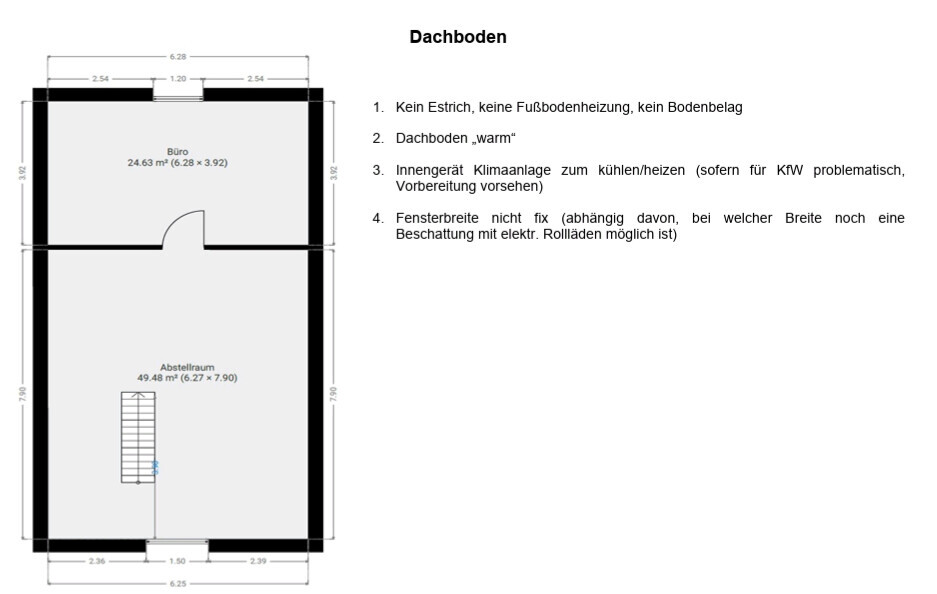

Section 34 Building Code area, preliminary building inquiry submitted, especially regarding ridge height, eave height, and gable orientation.
Plot size: 600 sqm (6458 sq ft)
Slope: none, flat
Site coverage ratio: >0.4
Floor area ratio: not relevant
Building envelope: approx. 10.3 x 14 m (34 x 46 ft)
Number of parking spaces: 2
Number of floors: 1.5
Roof type: gable roof
Orientation: gable end facing east-west
Maximum heights / limits: ridge height 9.1 m (30 ft), eave height per inquiry (4.5 m / 15 ft)
Homeowners’ Requirements
We enjoy following the discussions here and, after receiving the approved preliminary building inquiry, are now entering the crunch phase of planning.
The facts:
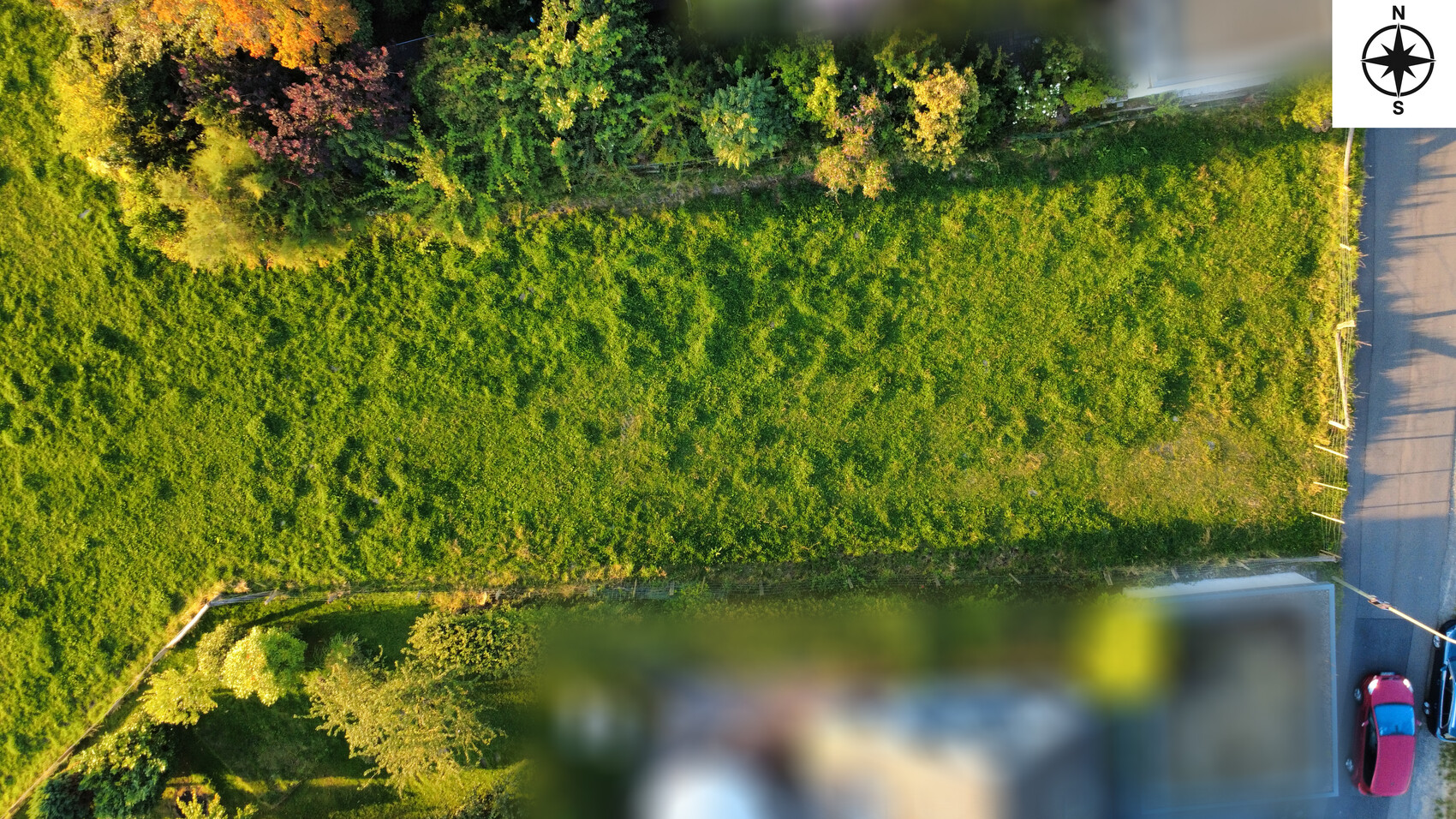
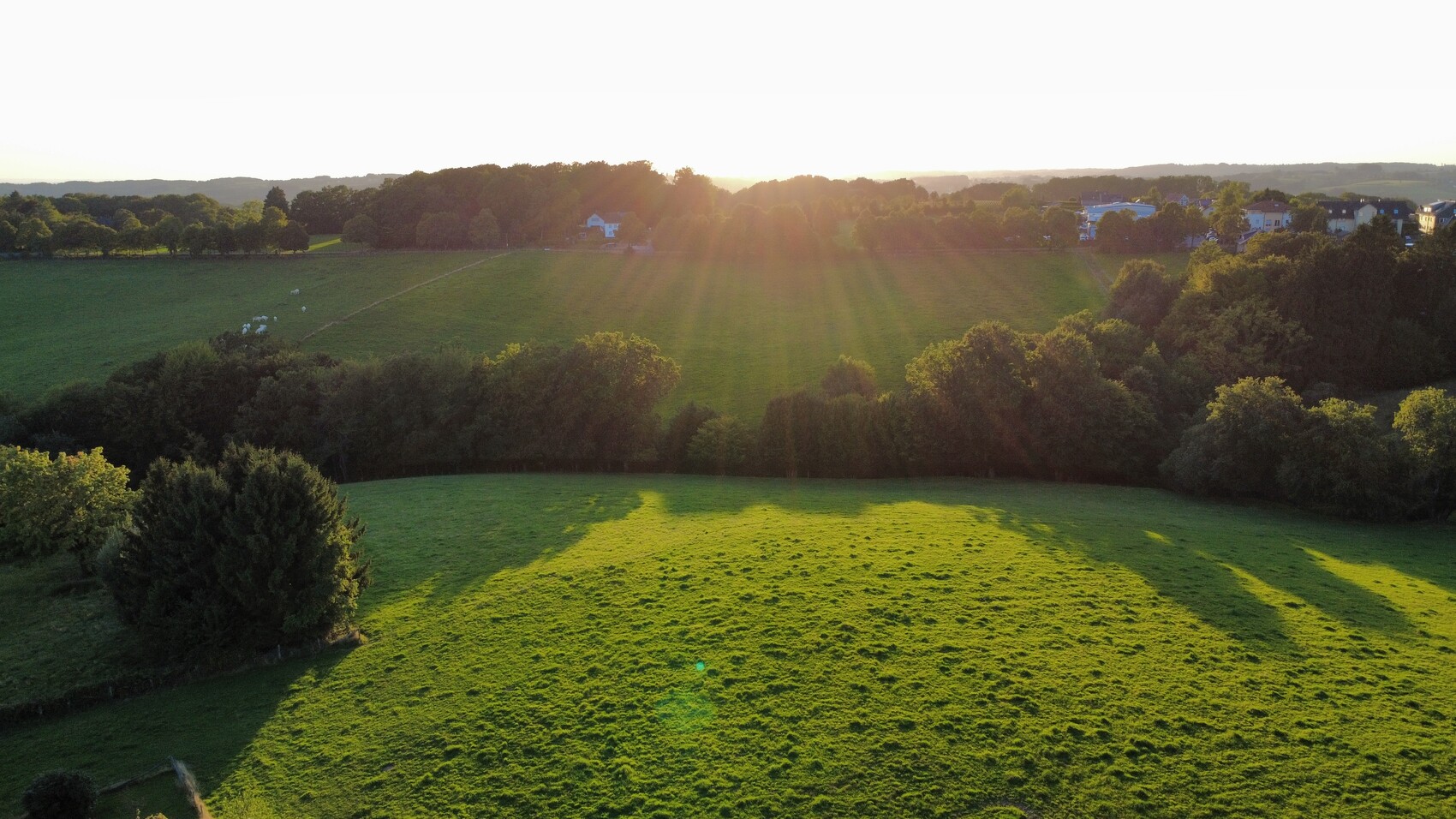
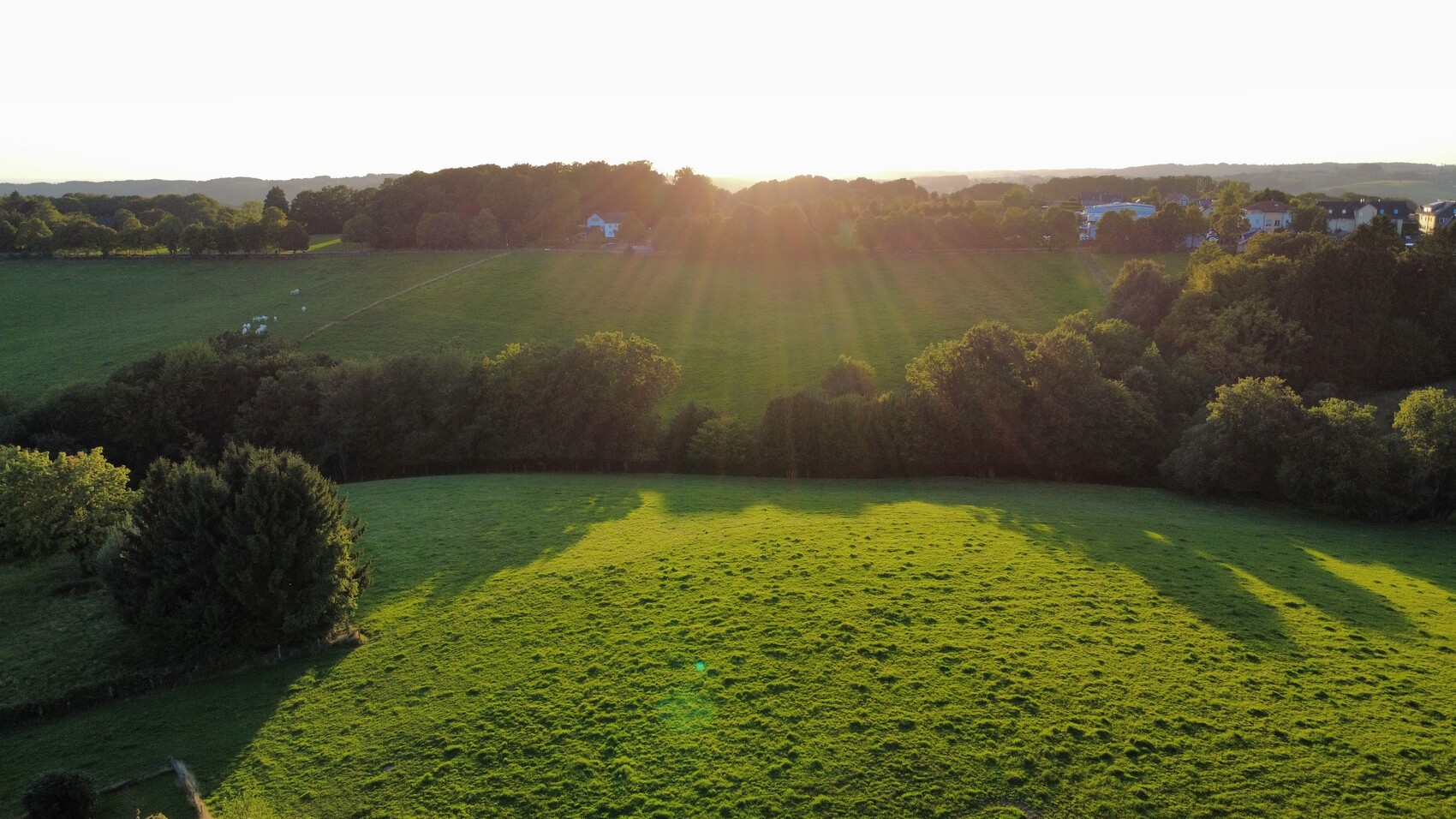
- 600 sqm (6458 sq ft) plot, relatively narrow (about 17 m / 56 ft), oriented east-west, low traffic nearby, helicopter view and west-facing outlook attached.
- Section 34 area; we are allowed 1.5 m (5 ft) knee wall on the first floor with 40-degree roof pitch, within a ridge height of 9.1 m (30 ft). Due to narrow plot, we want to build with the gable end facing the street.
- Wood frame construction; exterior walls are excluded on the floor plans.
- Notes about floors included in the images.
- We need two separate offices (lawyers, extensive home office).
- Two adults, two small children.
- No basement planned; the plot is nearly level – 0.6 m (2 ft) fall over 35 m (115 ft).
- More roof windows on the upper floor would be nice, but this is the south side with photovoltaic panels. With the high knee wall, outlook will be limited anyway.
- We want a hallway on the upper floor since we both loved having a “neutral” play area there as kids.
- The pantry size is sufficient for us; we currently have a smaller one, and the technical room is not far away.
- Guest room 1 and guest bathroom might be converted with two walls into a separate apartment for KfW297/298 funding, house itself is KfW300.
- Soil survey is underway.
- The architect has so far handled the preliminary building inquiry and knows the floor plan; we have not yet taken the plans to the architect/interior designer in person.
- The guest room on the ground floor is relatively small; it is sufficient as an office, and just about acceptable as a guest bedroom. Overnight guests about 6–8 times per year.
- An interior toilet in the upper floor bathroom is my wife’s wish; I understand the arguments against it but won’t fight that battle.
- We want the staircase from the upper floor to the attic to be permanent as the attic might be used as an office. Also, there is no basement.
Why is the design like it is now?
We started about 8 months ago based on the Medley 410 by Fingerhaus, as it provides a fairly good starting floor plan for us. Since then, my wife has rebuilt it in 3D over many hours and repeatedly adjusted it following input from planners/architects, etc. We also have proper plan drawings already but did not want to share them yet unless it makes sense.
We have made some compromises, especially the small, somewhat awkward office/guest room downstairs – we can’t become wider, but it works as an office. According to two construction companies, it might even be possible to use the guest room and bathroom downstairs as a separate apartment with two doors from the hallway later in life (then a KfW297 scheme could be considered). We’ve requested the extra costs for this in offers as a contingency item – I know some members here don’t support this, but we would only do it if it can be done without major extra effort.
Regarding costs: we already purchased the plot. We currently estimate the house to cost about 650,000 (offers from Isowood, Büdenbender, and Nordhaus received). Garage and landscaping are separate.
[ATTACH type="full" width="500px" alt="Upper floor plan: two children's rooms, bedroom, bathroom, hallway, staircase; notes on the right.">
About ovens... you should definitely take a closer look. Many new ovens unfortunately only come with touch controls and screens, which I find unsuitable when installed below the countertop.
It makes more sense to consider having a kind of "secondary kitchen" or utility area for such appliances. There are good examples of this, allowing the main kitchen workspace to remain relatively low or discreet, often with closed cabinet fronts. However, with just a small pantry or cupboard, this is unlikely to work.
Regarding building services, these usually also include centralized ventilation systems and so on.
@ypg … upstairs, there is a separate staircase specifically to avoid ending up in cramped spaces. Or did you mean, like me, trying to have a staircase shaft running all the way from the bottom to the top?
It makes more sense to consider having a kind of "secondary kitchen" or utility area for such appliances. There are good examples of this, allowing the main kitchen workspace to remain relatively low or discreet, often with closed cabinet fronts. However, with just a small pantry or cupboard, this is unlikely to work.
Regarding building services, these usually also include centralized ventilation systems and so on.
@ypg … upstairs, there is a separate staircase specifically to avoid ending up in cramped spaces. Or did you mean, like me, trying to have a staircase shaft running all the way from the bottom to the top?
kbt09 schrieb:
@ypg .. on the upper floor there is a separate staircase specifically so you don’t end up in the crawl space. Or did you mean, like me, trying to have a continuous stairwell from the bottom all the way to the top? To be honest, I can’t quite make sense of the measurements because they appear blurry to me. Of course, I see the separate staircase, but my point is that, based on the dimensions, it doesn’t seem to provide full standing height. The cross-section is missing, though. I could be wrong. Because when I see that about 24 sqm (260 sq ft) is planned in the attic, plus the other small errors that make everything quite impractical—like the toilet on the ground floor, missing or incorrectly positioned drywall partitions, the space-saving utility room, the apparently separate refrigerator that seems intended to be something like a side-by-side or French door model but is placed in line with kitchen cabinets less than 60 cm (24 inches) deep even though it takes up more space, and so on—plus the fact that the upper floor is about 1 meter (3.3 feet) longer than the ground floor... I think things are a bit off track here. The only thing that seems (over)dimensioned is the toilet door on the upper floor, which is a standard 1-meter (39 inch) door.
Yes, a continuous stairwell would be more practical, but with the current stair position, that’s not feasible.
L
Lsawesome27 Dec 2025 15:49Ok, ok, you’ve convinced me – here is the detailed plan.
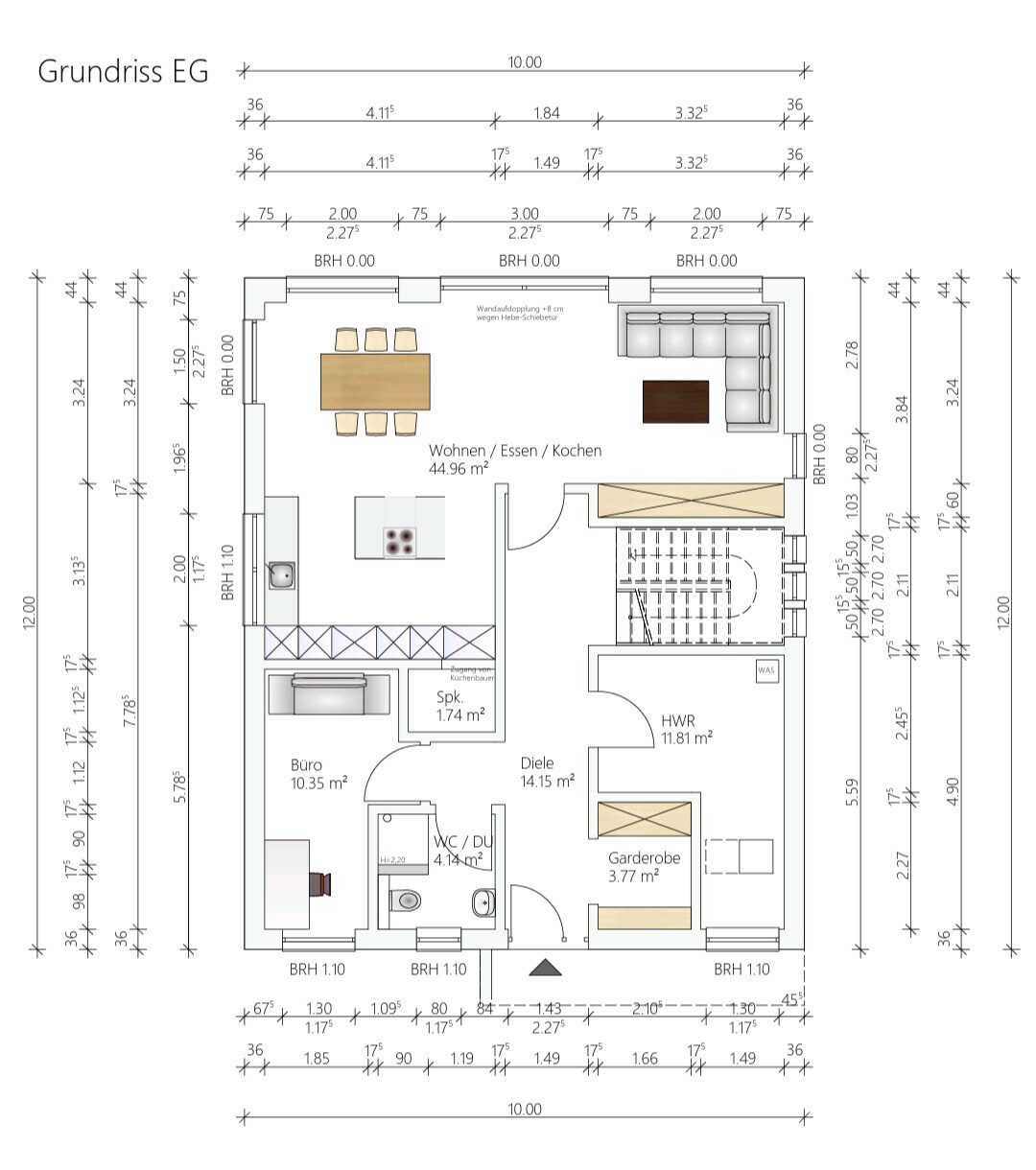
From this, it also follows that the tight spot in the guest bathroom isn’t as bad as it seemed.

From this, it also follows that the tight spot in the guest bathroom isn’t as bad as it seemed.
M
Marvinius201627 Dec 2025 16:00The distance from the front door to the kitchen for carrying groceries would be far too long for me, and I also miss having a walk-in closet on the upper floor. The ideal layout combines the master bedroom, bathroom, and walk-in closet. Our lot is also only 17 meters (56 feet) wide, and we positioned our house sideways on the plot. With the gable end facing the street, we couldn’t find a floor plan that worked for us.
M
Marvinius201627 Dec 2025 16:06I find the living room too small. A gap of 80cm (31 inches) between the sofa and the wall unit is too narrow, and you can only fit a relatively small sofa. Solution: Either a basement or some kind of extension for the utility room. Otherwise, the utility room will take up valuable space from the living area.
As you can clearly see, this pantry adds exactly zero additional space compared to not having a pantry at all.
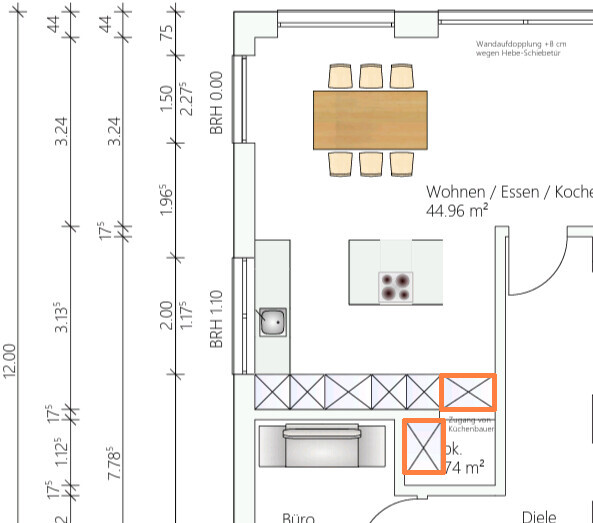
Access through the hallway would actually provide storage space.
The details, for example regarding the guest bathroom, show that everything has simply been drawn randomly.
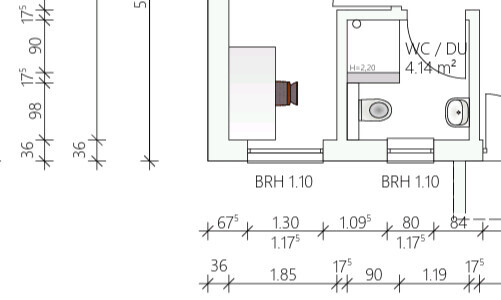
There is nowhere near 10 cm (4 inches) to the right of the door, and where does the water supply for the sink come from, or where does the wastewater go? Also, plaster and tiles need to be factored in. The bathroom has a rough construction dimension of 205 x 209 cm (81 x 82 inches), and currently there is speculation about whether it will become a bathroom for a granny flat.
The office space... 185 cm (73 inches) rough construction dimension. With a desk depth of 80 cm (31 inches) and a desk-to-wall clearance of 90 cm (35 inches), that leaves about 90 cm (35 inches) of movement space for the chair. Not something you’ll find in new construction.
Access through the hallway would actually provide storage space.
The details, for example regarding the guest bathroom, show that everything has simply been drawn randomly.
There is nowhere near 10 cm (4 inches) to the right of the door, and where does the water supply for the sink come from, or where does the wastewater go? Also, plaster and tiles need to be factored in. The bathroom has a rough construction dimension of 205 x 209 cm (81 x 82 inches), and currently there is speculation about whether it will become a bathroom for a granny flat.
The office space... 185 cm (73 inches) rough construction dimension. With a desk depth of 80 cm (31 inches) and a desk-to-wall clearance of 90 cm (35 inches), that leaves about 90 cm (35 inches) of movement space for the chair. Not something you’ll find in new construction.
Similar topics