
ᐅ Planning the Location of the House and Garage Within the Building Envelope *Preliminary Planning*
Created on: 9 Aug 2016 10:52
H
Häuslebau3r
Hello everyone,
I have been following the forum for quite some time now and am gradually approaching the “house building” project step by step, trying to learn as much as possible in advance.
Thanks to the many experts here, this has truly been an enjoyable experience in the way the community contributes. (end of flattery mode) 🙂
As I already mentioned in my first major thread, we are currently working on preliminary planning and considering the house design and its orientation on the plot, even before our first meetings with potential builders.
Taking several factors into account regarding the plot, such as price and an undeveloped east-facing location (sloping gently down to the east), we found a micro-location that we really like. We weren’t able to get our ideal size, but with 770m² (8300 sq ft), I think it’s more than sufficient. The main advantage for us is that the land can be fully paid for from our own funds, so until construction starts in early 2018, we will continue saving equity and paying off any remaining debts.
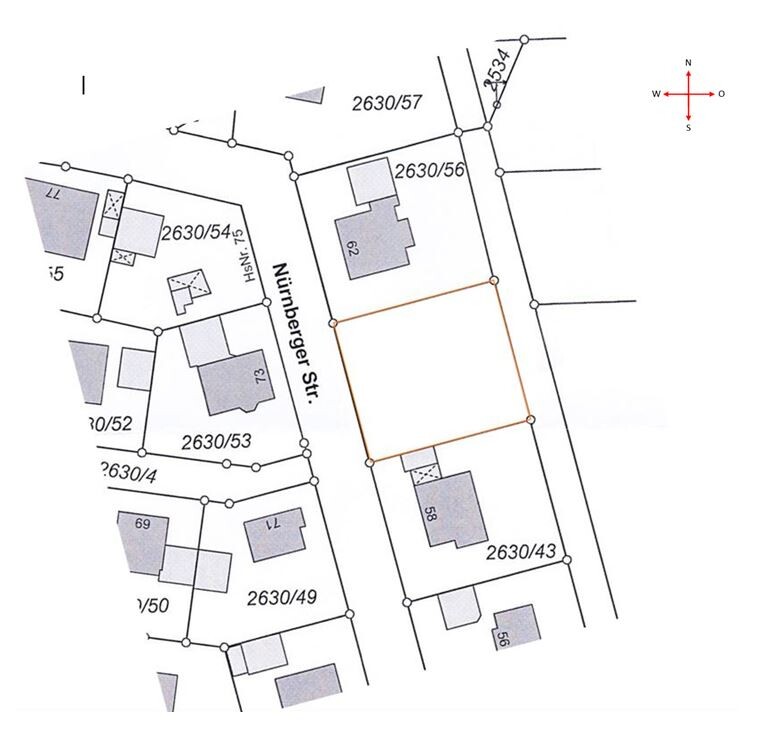
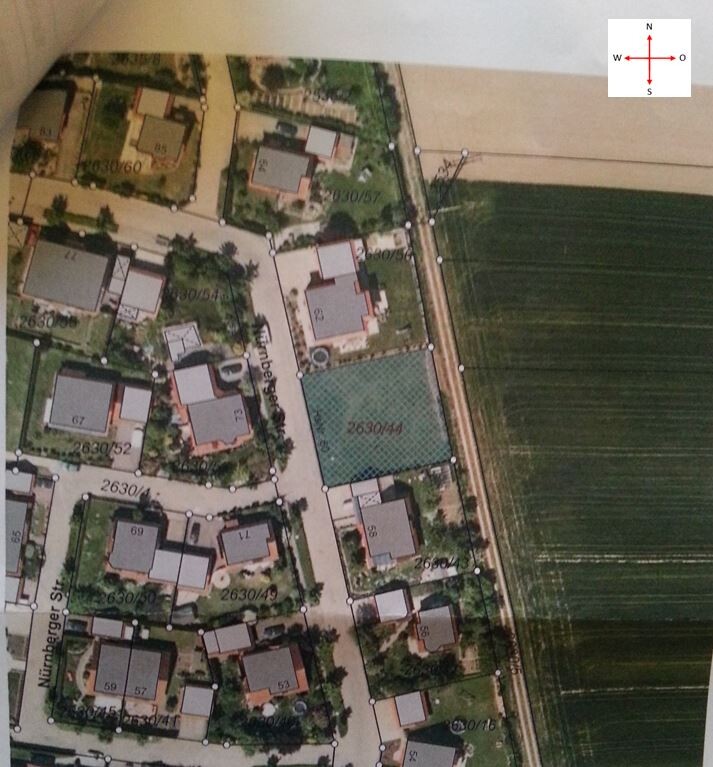
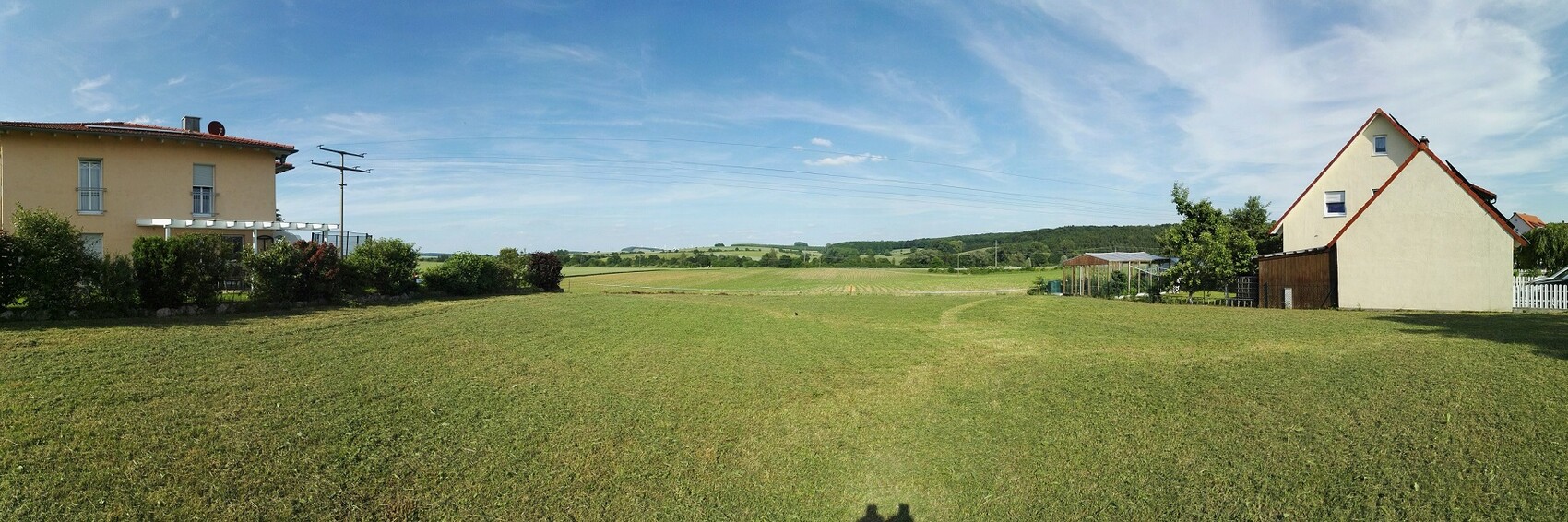
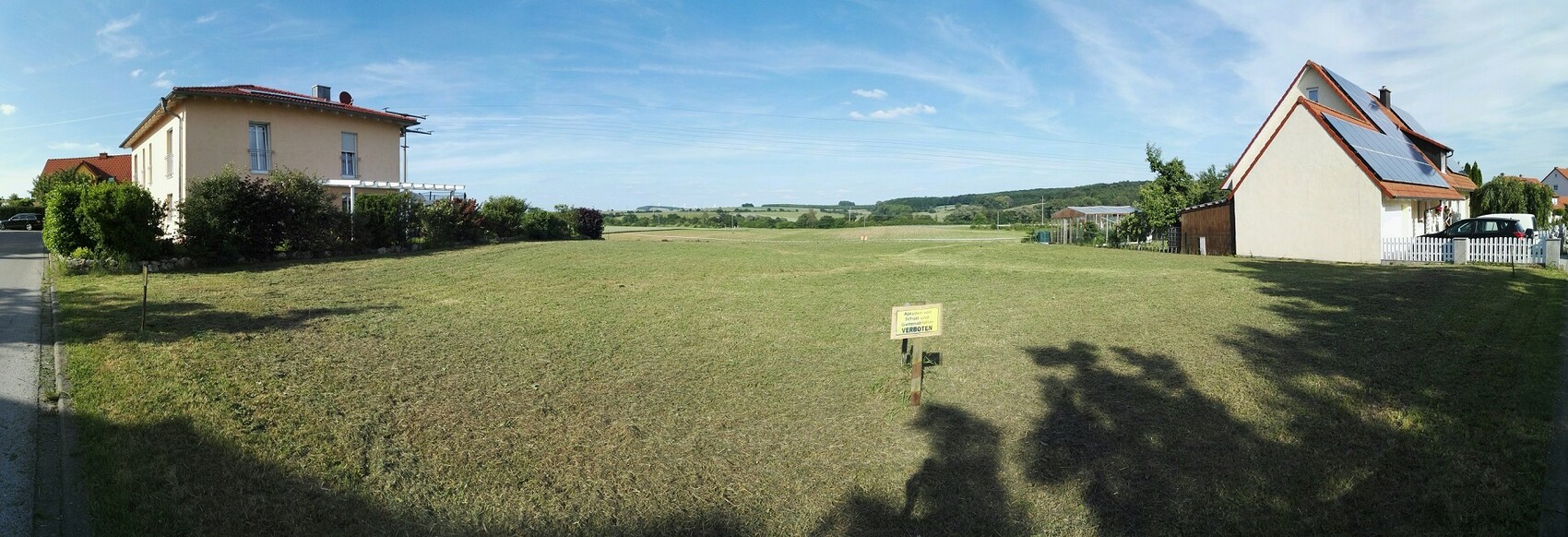
Source: Excerpts from the development plan / self-created images
A building permit inquiry (building permit / planning permission) has already been submitted regarding the desired architectural style, and I have received approval to expand the building envelope up to 8 meters (26 feet) along the eastern boundary.
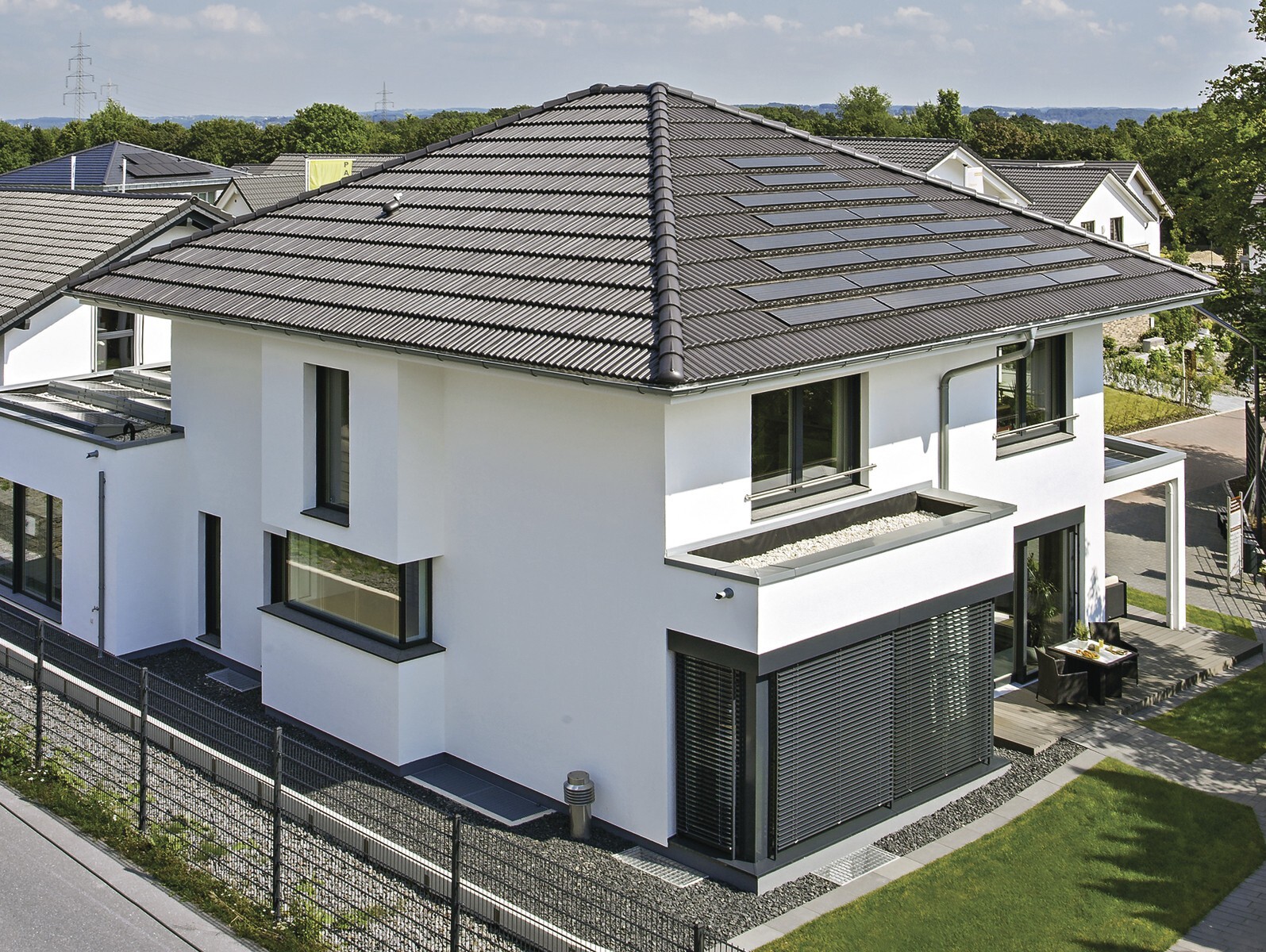
At the moment, we are leaning toward a rather classic city villa style (2 full floors with a hipped roof at 25° and a double garage).
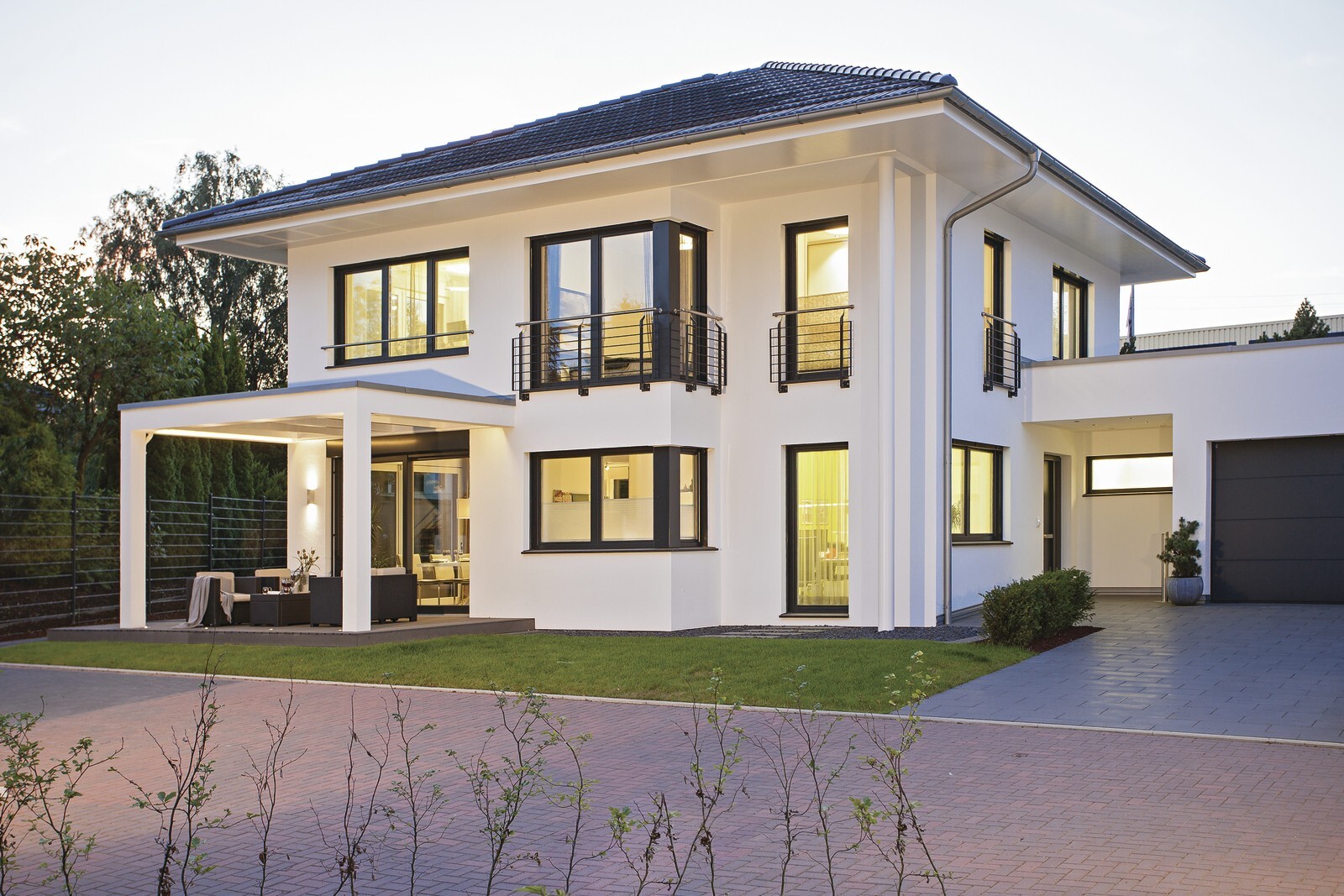
Source: Weberhaus
Based on the budget we have personally set, we are initially planning without a basement. If it turns out to be feasible later on, we can still include it.
We have already visited model homes that appealed to us in terms of external design and even traveled from Bavaria to the Rhineland, and from there to Wuppertal for inspiration.
Right now, before the first planning meetings, we want to focus on finding the best possible orientation for the house and garage on the property, for example:
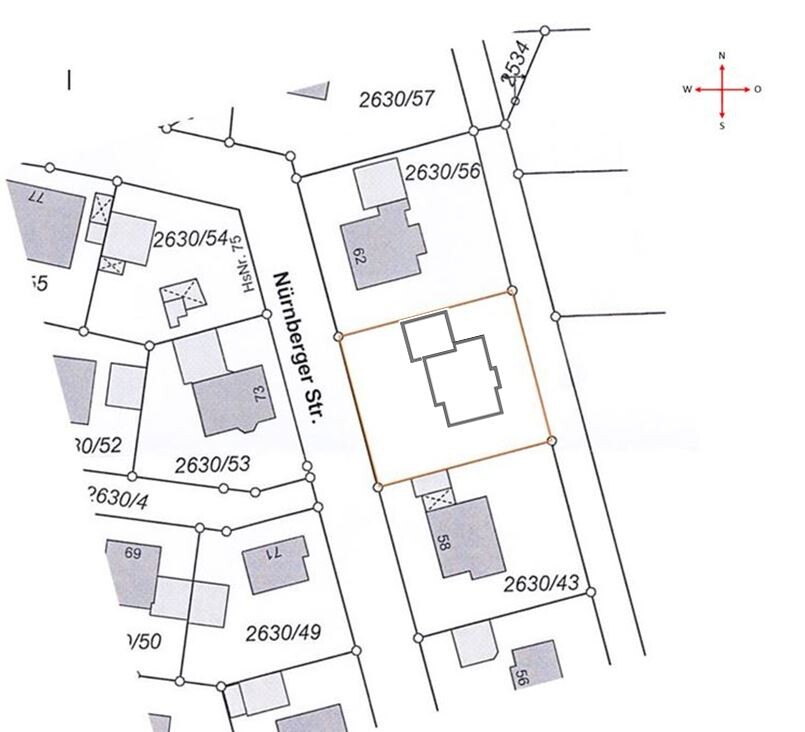
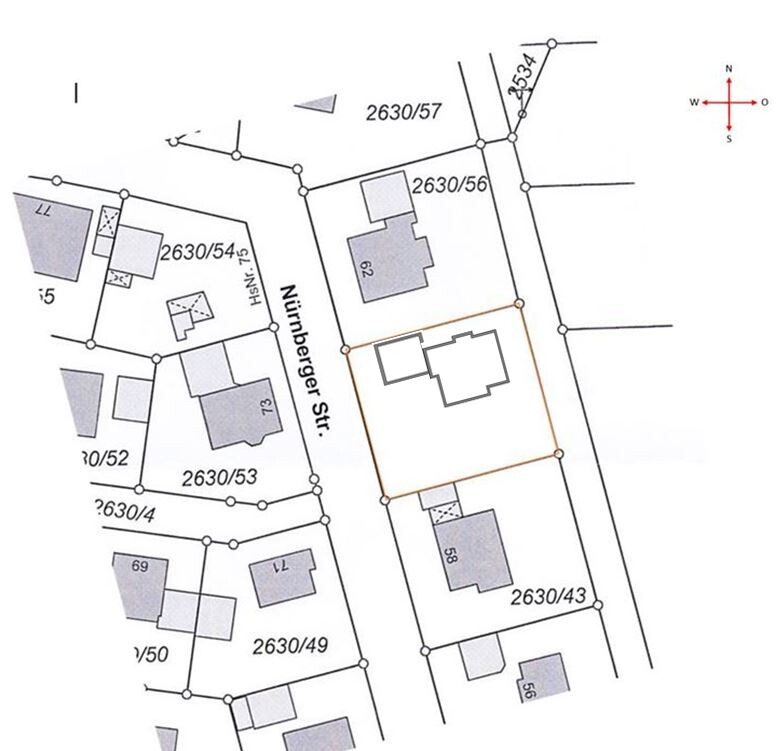
Source: Excerpts from the development plan
For me, one thing is already decided: the staircase, which I want to have exactly like this due to the fantastic light conditions. It captivated me at first sight.
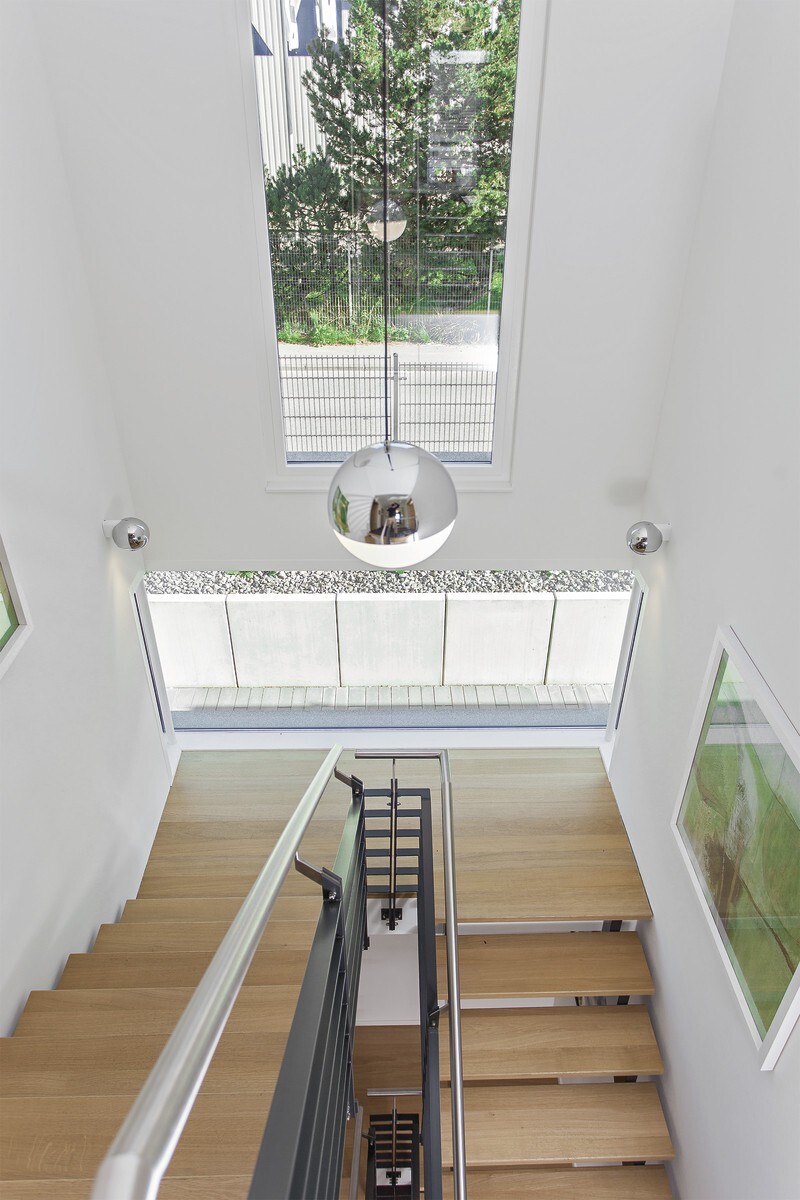
Source: Weberhaus
Furthermore, we want to keep as much space as possible on the west and south sides to create what I consider an ideal sunny aspect and garden atmosphere.
This is also the tricky part, as the arrangement between house and garage is causing us some headaches.
Many questions arise, such as whether the garage should be placed in front of the house to free up more space on the south side, or rather beside the house (which would include a covered entrance area). A passage from the garage directly into the house is also under consideration. Or should the main entrance be on the west side instead, which might mean it would be uncovered?
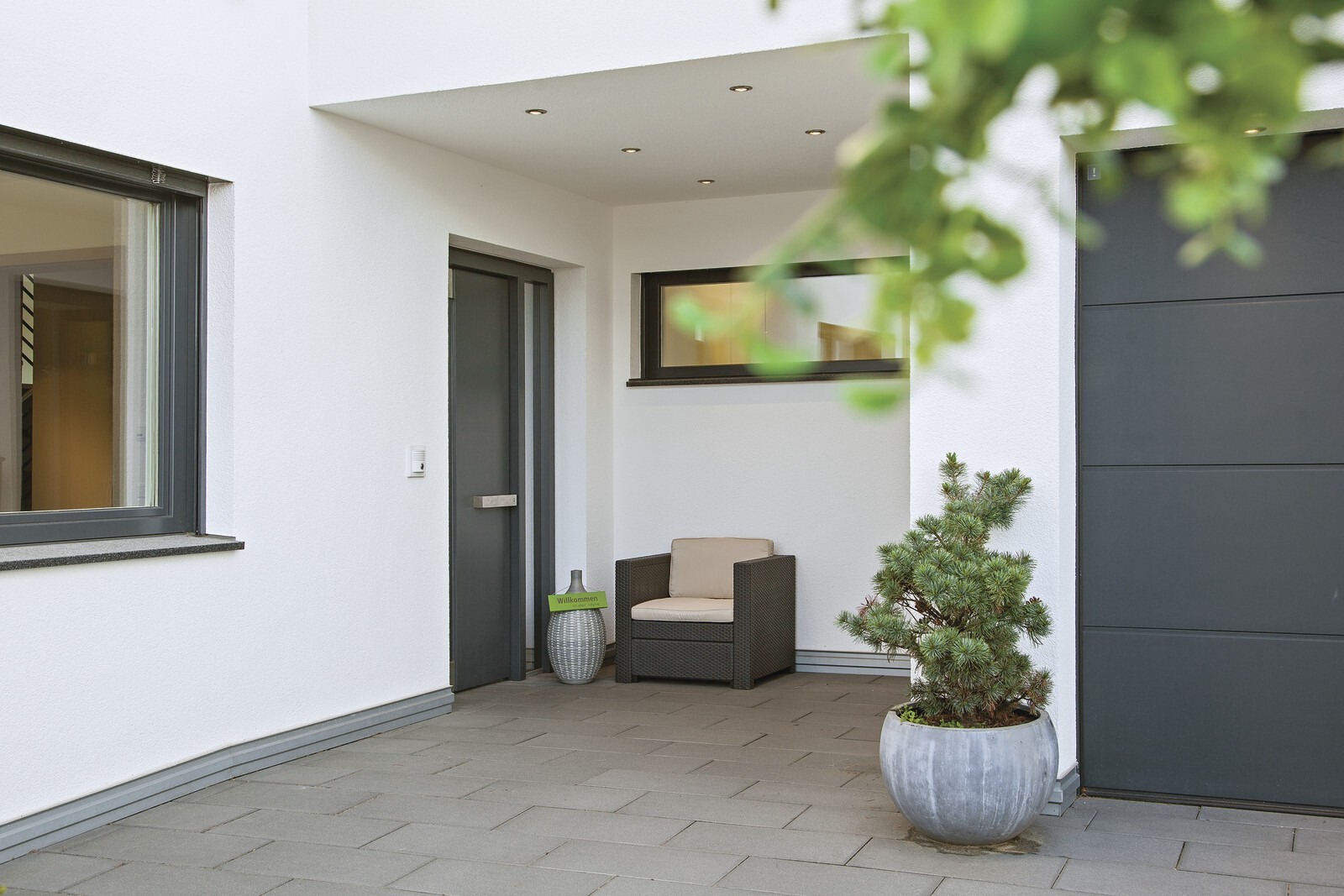
Source for covered entrance: Weberhaus
I will post further key data throughout the thread as needed, in case I have forgotten anything important.
However, these points above need to be clarified first before we can continue planning the positioning of the dining, living, and kitchen areas, etc. (Of course, with a preference for south/west orientation).
I would appreciate any information and lively discussions.
Best regards, Andreas, and thank you in advance!
I have been following the forum for quite some time now and am gradually approaching the “house building” project step by step, trying to learn as much as possible in advance.
Thanks to the many experts here, this has truly been an enjoyable experience in the way the community contributes. (end of flattery mode) 🙂
As I already mentioned in my first major thread, we are currently working on preliminary planning and considering the house design and its orientation on the plot, even before our first meetings with potential builders.
Taking several factors into account regarding the plot, such as price and an undeveloped east-facing location (sloping gently down to the east), we found a micro-location that we really like. We weren’t able to get our ideal size, but with 770m² (8300 sq ft), I think it’s more than sufficient. The main advantage for us is that the land can be fully paid for from our own funds, so until construction starts in early 2018, we will continue saving equity and paying off any remaining debts.
Source: Excerpts from the development plan / self-created images
A building permit inquiry (building permit / planning permission) has already been submitted regarding the desired architectural style, and I have received approval to expand the building envelope up to 8 meters (26 feet) along the eastern boundary.
At the moment, we are leaning toward a rather classic city villa style (2 full floors with a hipped roof at 25° and a double garage).
Source: Weberhaus
Based on the budget we have personally set, we are initially planning without a basement. If it turns out to be feasible later on, we can still include it.
We have already visited model homes that appealed to us in terms of external design and even traveled from Bavaria to the Rhineland, and from there to Wuppertal for inspiration.
Right now, before the first planning meetings, we want to focus on finding the best possible orientation for the house and garage on the property, for example:
Source: Excerpts from the development plan
For me, one thing is already decided: the staircase, which I want to have exactly like this due to the fantastic light conditions. It captivated me at first sight.
Source: Weberhaus
Furthermore, we want to keep as much space as possible on the west and south sides to create what I consider an ideal sunny aspect and garden atmosphere.
This is also the tricky part, as the arrangement between house and garage is causing us some headaches.
Many questions arise, such as whether the garage should be placed in front of the house to free up more space on the south side, or rather beside the house (which would include a covered entrance area). A passage from the garage directly into the house is also under consideration. Or should the main entrance be on the west side instead, which might mean it would be uncovered?
Source for covered entrance: Weberhaus
I will post further key data throughout the thread as needed, in case I have forgotten anything important.
However, these points above need to be clarified first before we can continue planning the positioning of the dining, living, and kitchen areas, etc. (Of course, with a preference for south/west orientation).
I would appreciate any information and lively discussions.
Best regards, Andreas, and thank you in advance!
 Häuslebau3r21 Aug 2016 13:55
Hello everyone,
Based on your additional comments, we have now put together a summary of possible desired features and the approximate room sizes in square meters (m²) as part of our space planning. We also included pictures, such as the stairwell and other elements we have seen so far in the “house building brochures and model homes.” The preliminary building inquiry and a development plan that I have on hand were also incorporated. Should we include any other items?
In the next few days, I plan to contact two construction companies and an architect. From one construction company, I know from an information event that they consider preliminary planning to be quite necessary and useful. I don’t know much yet about the second construction company, only through acquaintances and friends that it is supposed to be very good. Finally, there is the architect, about whom I know nothing so far, except that, like the other two companies, he is located in the neighboring town, and I pass by his office on my commute daily.
It was mentioned here that initial calls or first meetings sometimes already include preliminary drafts (sketches). However, this seems to be uncommon, as initial planning usually involves costs and, with architects, this phase is usually part of service phase 2, right? Or am I mistaken and overthinking this?
Best regards,
Andi
Based on your additional comments, we have now put together a summary of possible desired features and the approximate room sizes in square meters (m²) as part of our space planning. We also included pictures, such as the stairwell and other elements we have seen so far in the “house building brochures and model homes.” The preliminary building inquiry and a development plan that I have on hand were also incorporated. Should we include any other items?
In the next few days, I plan to contact two construction companies and an architect. From one construction company, I know from an information event that they consider preliminary planning to be quite necessary and useful. I don’t know much yet about the second construction company, only through acquaintances and friends that it is supposed to be very good. Finally, there is the architect, about whom I know nothing so far, except that, like the other two companies, he is located in the neighboring town, and I pass by his office on my commute daily.
It was mentioned here that initial calls or first meetings sometimes already include preliminary drafts (sketches). However, this seems to be uncommon, as initial planning usually involves costs and, with architects, this phase is usually part of service phase 2, right? Or am I mistaken and overthinking this?
Best regards,
Andi

A good, committed architect will often pick up a pen and sketch. You probably won’t receive a finished plan right away, but you should get a sense of how they think, whether they contribute ideas, ask specific questions, draw something, and check with you if that’s what you meant. For me personally, just a conversation wouldn’t be enough.
Häuslebau3r22 Aug 2016 09:09Climbee schrieb:
A good, dedicated architect will often pick up a pen and sketch. You probably won’t get a finished design at this stage, but you should get a sense of how they think, whether they bring ideas, ask targeted questions, sketch something out, and check with you if that’s what you meant, etc.
So, just having a conversation alone would personally be too little for me.Thank you for your statement.
As your example above shows, you never really know where you stand. Whether you find this out through further meetings or only during the course of the project is always uncertain.
Ultimately, with each conversation, as with everything else, you certainly learn more and need to confirm your feeling about a potentially suitable planner or architect by asking targeted questions.
Regarding the documents I will take with me, I have finally added a copy from the land registry office as well.
Best regards, Andreas

This usually varies quite a bit.
One general contractor might want a first floor plan right away, while another prefers to plan everything with you on the computer because their cost estimation software is connected to it. One architect may expect payment for a rough sketch during the initial meeting, while another might prepare three drafts for the second meeting without charging a fee.
What is always helpful: Coordinate clearly in advance (when scheduling the appointment) with your contact about what both of you expect from the meeting, what you should bring, and whether the meeting or the results will involve any costs. As is often the case when people work together, open and clear communication is key.
One general contractor might want a first floor plan right away, while another prefers to plan everything with you on the computer because their cost estimation software is connected to it. One architect may expect payment for a rough sketch during the initial meeting, while another might prepare three drafts for the second meeting without charging a fee.
What is always helpful: Coordinate clearly in advance (when scheduling the appointment) with your contact about what both of you expect from the meeting, what you should bring, and whether the meeting or the results will involve any costs. As is often the case when people work together, open and clear communication is key.
J
j.bautsch22 Aug 2016 10:20You can bring your floor plan ideas but only show them to him if he asks.
Häuslebau3r29 Aug 2016 09:09Good morning everyone,
The appointment was arranged last week, and during the phone call, we already discussed a few topics in a straightforward and normal manner (also very friendly).
First, the manager himself was on the phone and addressed some important points right away. Among other things, he explained the rough costs with and without a basement, additional expenses, and the actual processes. Since a very good friend of mine does the roofing work (carpentry/roofing) for this company, that provided a good starting point for the conversation.
Afterwards, I was able to speak with the planner, and the first impression on the phone, just like with the manager, was very positive. (This confirmed the recommendations we had received from our circle of friends and acquaintances so far). The conversation was not high-flown but again straightforward, clear, and very friendly. It was clarified what would be helpful to bring along, as well as the services and procedures involved in the preliminary planning (such as visiting the site to get an impression of the location). All appointments during the preliminary planning phase are free of charge until the official contract award (building permit/planning permission).
We are now looking forward to the first personal direct contact and are curious about what the upcoming appointments will bring.
A draft was also sketched out over a bottle or two of wine, which we would now call the actual “final” draft. Naturally, this remains open to any changes or ideas from the planner and, importantly, the cost aspect. It was also mentioned during the phone call that she is here to bring us down to earth after the glossy brochures and show homes.
The appointment was arranged last week, and during the phone call, we already discussed a few topics in a straightforward and normal manner (also very friendly).
First, the manager himself was on the phone and addressed some important points right away. Among other things, he explained the rough costs with and without a basement, additional expenses, and the actual processes. Since a very good friend of mine does the roofing work (carpentry/roofing) for this company, that provided a good starting point for the conversation.
Afterwards, I was able to speak with the planner, and the first impression on the phone, just like with the manager, was very positive. (This confirmed the recommendations we had received from our circle of friends and acquaintances so far). The conversation was not high-flown but again straightforward, clear, and very friendly. It was clarified what would be helpful to bring along, as well as the services and procedures involved in the preliminary planning (such as visiting the site to get an impression of the location). All appointments during the preliminary planning phase are free of charge until the official contract award (building permit/planning permission).
We are now looking forward to the first personal direct contact and are curious about what the upcoming appointments will bring.
A draft was also sketched out over a bottle or two of wine, which we would now call the actual “final” draft. Naturally, this remains open to any changes or ideas from the planner and, importantly, the cost aspect. It was also mentioned during the phone call that she is here to bring us down to earth after the glossy brochures and show homes.
Similar topics