
Hello everyone,
I hope this is the right forum for this question
At the beginning of the year, we purchased a newly built apartment in Mannheim, and the following plan was presented to us in the purchase contract.
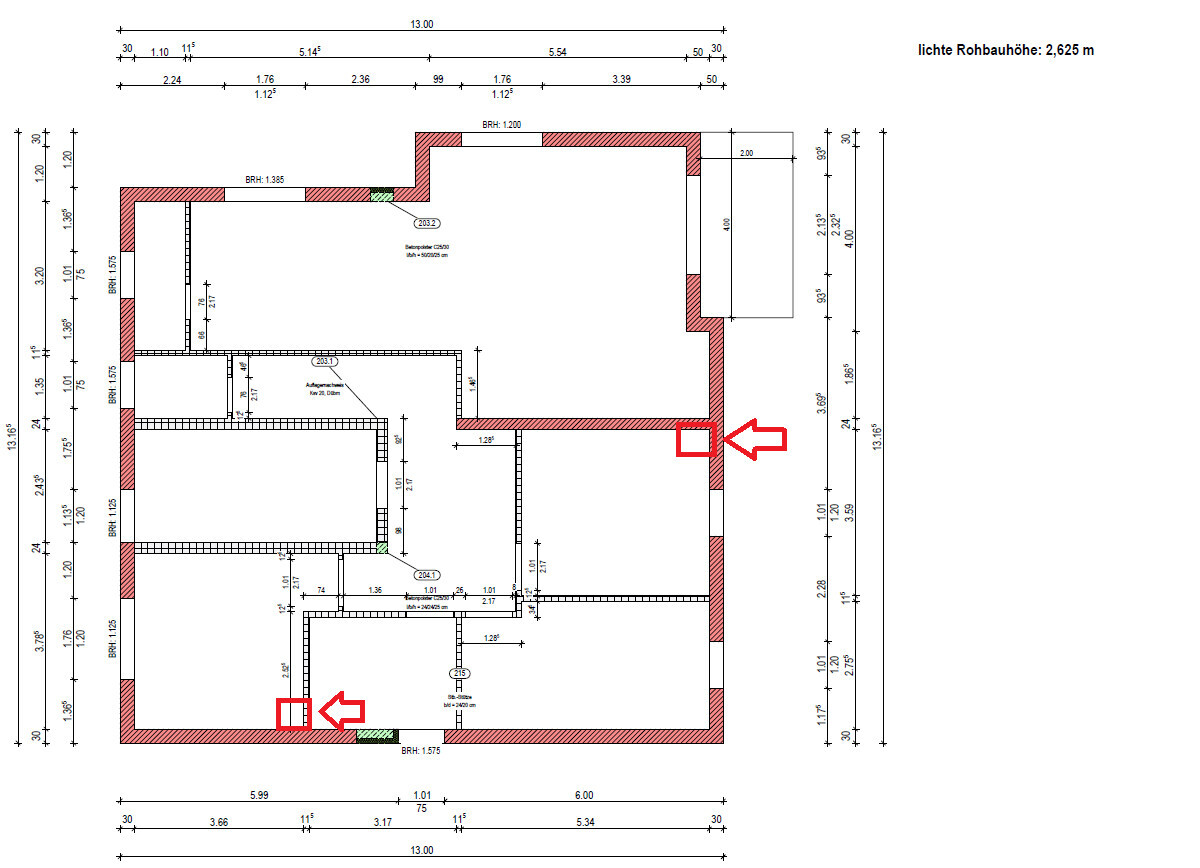
After the shell construction was completed, pipes were installed through the two marked areas without any prior information, taking up about 20cm by 20cm (8 inches by 8 inches) of space in total. See photos.
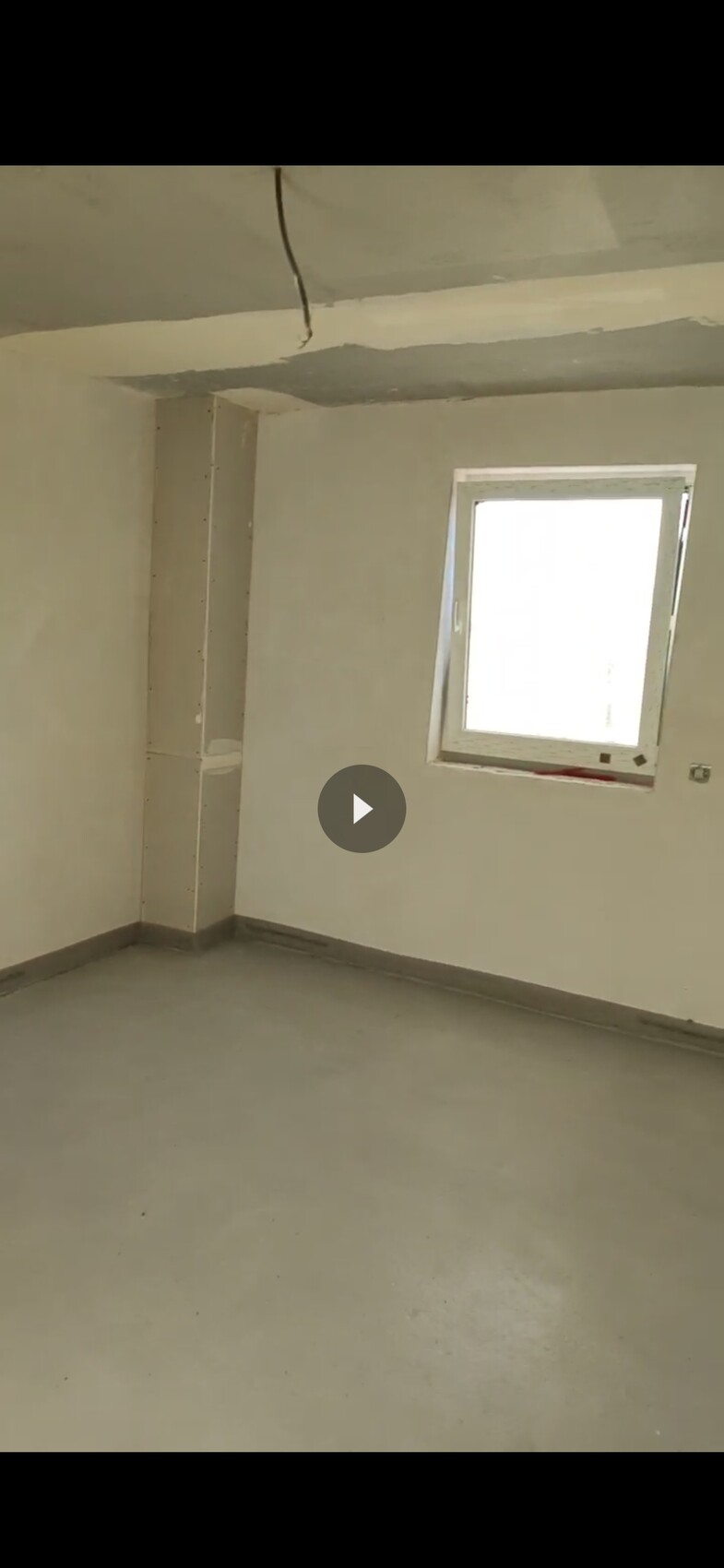
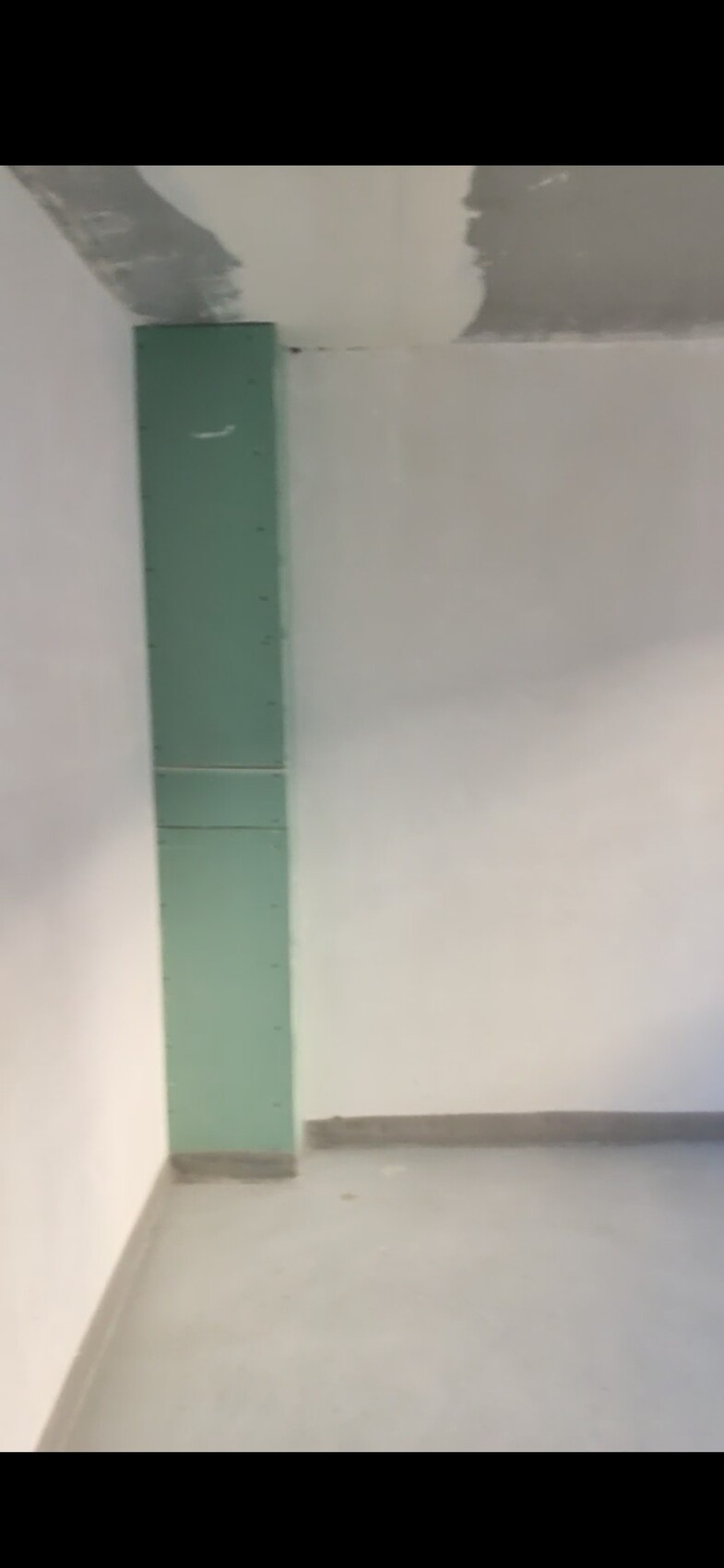
This affects the bedroom and one of the children's rooms.
This not only creates an uneven appearance in the rooms but also leads to high cancellation fees for the bedroom and children’s room furniture, which we had already ordered based on the floor plan.
My questions on this matter are:
1. Is it common in new construction to run pipes through living areas?
2. Should the builder have informed us beforehand?
3. Can the builder be held responsible for the cancellation fees?
4. Is a purchase price reduction possible?
5. Would it be advisable to consult a lawyer?
Thank you.
I hope this is the right forum for this question
At the beginning of the year, we purchased a newly built apartment in Mannheim, and the following plan was presented to us in the purchase contract.
After the shell construction was completed, pipes were installed through the two marked areas without any prior information, taking up about 20cm by 20cm (8 inches by 8 inches) of space in total. See photos.
This affects the bedroom and one of the children's rooms.
This not only creates an uneven appearance in the rooms but also leads to high cancellation fees for the bedroom and children’s room furniture, which we had already ordered based on the floor plan.
My questions on this matter are:
1. Is it common in new construction to run pipes through living areas?
2. Should the builder have informed us beforehand?
3. Can the builder be held responsible for the cancellation fees?
4. Is a purchase price reduction possible?
5. Would it be advisable to consult a lawyer?
Thank you.
Klärbär schrieb:
1. Is it common to run pipes through the living area in a new build? Well, pipes need to go somewhere. Usually, there are installation shafts that should have been included in the planning from the start. A good architect would design them so that the toilet’s flush pipe does not run through the living room. What is inside the boxed-in sections? Heating, electrical wiring, or worst case, wastewater?
Klärbär schrieb:
2. Should the builder have informed us beforehand?
3. Can the builder be held responsible for cancellation fees?
4. Is a purchase price reduction possible?
5. Would it be advisable to consult a lawyer? These questions largely depend on the contract and how binding the floor plan is. You should review everything carefully and have it checked. You are missing 2 * 0.2*0.2m² (2 * 0.7*0.7 ft²) of space. So, before involving a lawyer, speak to the construction company first to find out why this was done and on what basis. Show them the plan and request that it be reversed (even though this may be unlikely).
1. Probably not. It's common to have a hallway, storage room, bathroom, and kitchen. Maybe the person living above wanted to quickly change the floor plan and have their bathroom arranged differently or larger, etc.
3. Most likely not. You do realize that on a construction site there are planned dimensions, rough construction dimensions, and finished dimensions, and they’re not the same. Construction is not a precision machine, so it’s a bit naive... In that case, I would have waited for the actual measurements before placing the order.
4. About 0.08 m² (0.86 sq ft)? For around 100 m² (1,076 sq ft), that’s less than one-thousandth of the area! No, the plaster would already cover more area if you apply 3 mm (0.12 inches) more everywhere in the apartment.
5. Probably for a lawyer ;o)
I would talk to the site manager and explain it like that. But somewhere in a multi-family building, wastewater and water pipes, electrical cables, and ventilation ducts have to be routed; maybe there’s an alternative routing that suits you better.
3. Most likely not. You do realize that on a construction site there are planned dimensions, rough construction dimensions, and finished dimensions, and they’re not the same. Construction is not a precision machine, so it’s a bit naive... In that case, I would have waited for the actual measurements before placing the order.
4. About 0.08 m² (0.86 sq ft)? For around 100 m² (1,076 sq ft), that’s less than one-thousandth of the area! No, the plaster would already cover more area if you apply 3 mm (0.12 inches) more everywhere in the apartment.
5. Probably for a lawyer ;o)
I would talk to the site manager and explain it like that. But somewhere in a multi-family building, wastewater and water pipes, electrical cables, and ventilation ducts have to be routed; maybe there’s an alternative routing that suits you better.
And thank you for the quick reply.
Unfortunately, there was no information about the shafts, at least not in the floor plan. According to the homeowner, wastewater actually runs through there, but it is supposed to be very well insulated.
According to the contract, “minor deviations” are not grounds for a price reduction. The homeowner is already aware of the issue and refers to the statement “The pipes have to go somewhere, and they don’t necessarily have to appear on the floor plan.”
Tassimat schrieb:
Well, the pipes have to go somewhere. Actually, there are installation shafts for that purpose, which should have been included in the original planning. A good architect plans them so that the toilet flush pipes don’t run through the living room. What is inside the boxed-in sections? Heating, electrical wiring, or worst of all, wastewater?
Unfortunately, there was no information about the shafts, at least not in the floor plan. According to the homeowner, wastewater actually runs through there, but it is supposed to be very well insulated.
Tassimat schrieb:
These questions depend heavily on the contract and how binding the floor plan is. You need to carefully read and check (or have checked) all the details. You are missing 2 * 0.2*0.2m² (2 * 2.2ft²) of area.
So before involving a lawyer, first talk to the construction company about what this is about and on what basis they initiated it. Show them the plan and demand a restoration (even if that seems unlikely).
According to the contract, “minor deviations” are not grounds for a price reduction. The homeowner is already aware of the issue and refers to the statement “The pipes have to go somewhere, and they don’t necessarily have to appear on the floor plan.”
Scout schrieb:
1. Probably not. The usual layout is hallway, storage, bathroom, kitchen. Maybe the person upstairs wanted to make a last-minute change to the floor plan and have their bathroom arranged differently or larger, etc.
3. Probably not. You do realize that in construction: planned dimensions ≠ rough opening dimensions ≠ finished dimensions. A building isn’t a precision machine, so it’s a bit unrealistic... I would have waited for the measured dimensions before placing the order.
4. About 0.08 m² (0.86 sq ft)? For around 100 m² (1,076 sq ft), that’s less than 1/1000 of the area! No, the plaster would remove more material if you applied 3 mm (0.12 inches) more across the entire apartment.
5. Probably only for a lawyer ;o)
I would talk to the site manager and explain it like this. But in a multi-family building, there has to be space for wastewater and water pipes, electrical cables, and ventilation ducts somewhere. Maybe there’s an alternative routing that would be more convenient for you. Thank you very much, I guess I will just have to let it rest for now. I’ll be wiser with the next house.
Klärbär schrieb:
Thank you, I guess I will have to accept it as it is. I’ll be wiser with the next house Okay, then it seems the change isn’t that significant for you after all But I wouldn't accept that too quickly. You should definitely check how loud it is when the wastewater flows through. Try it out in real life.
Similar topics