
Hello everyone,
I would really appreciate your assessment of three quotes for a sewer pipe repair – especially regarding which method you consider technically appropriate and how you evaluate the prices.
Situation:
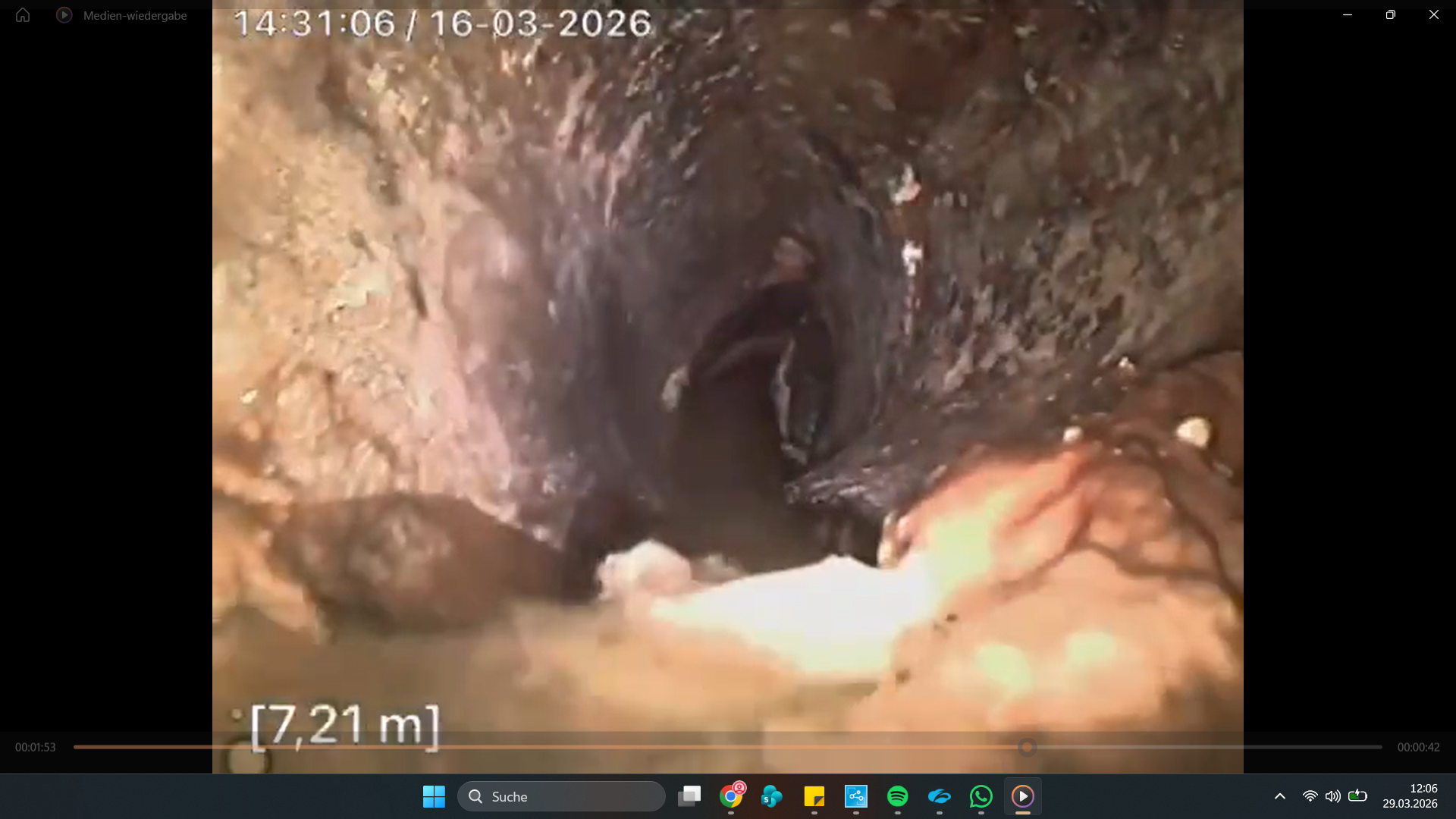
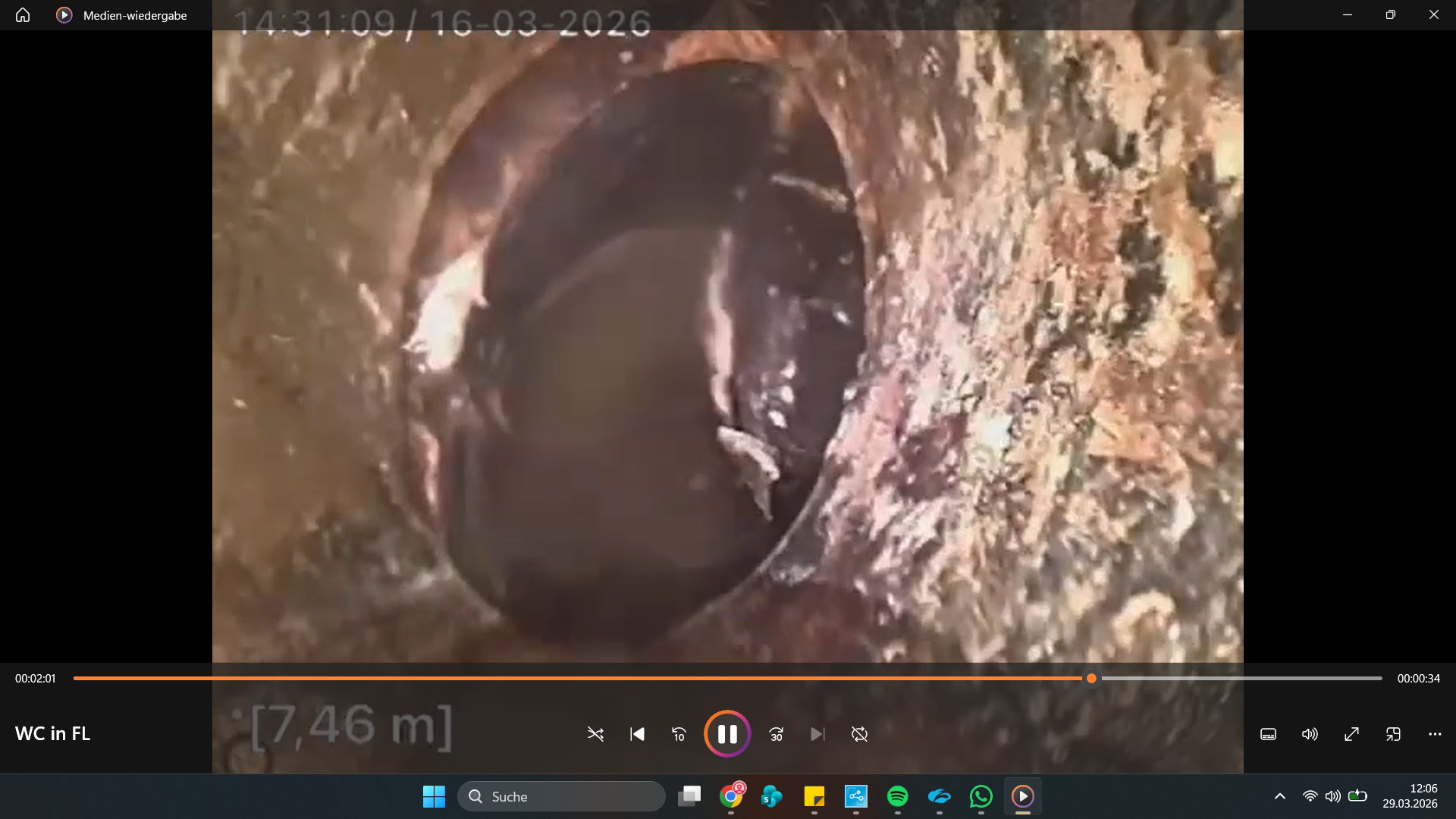
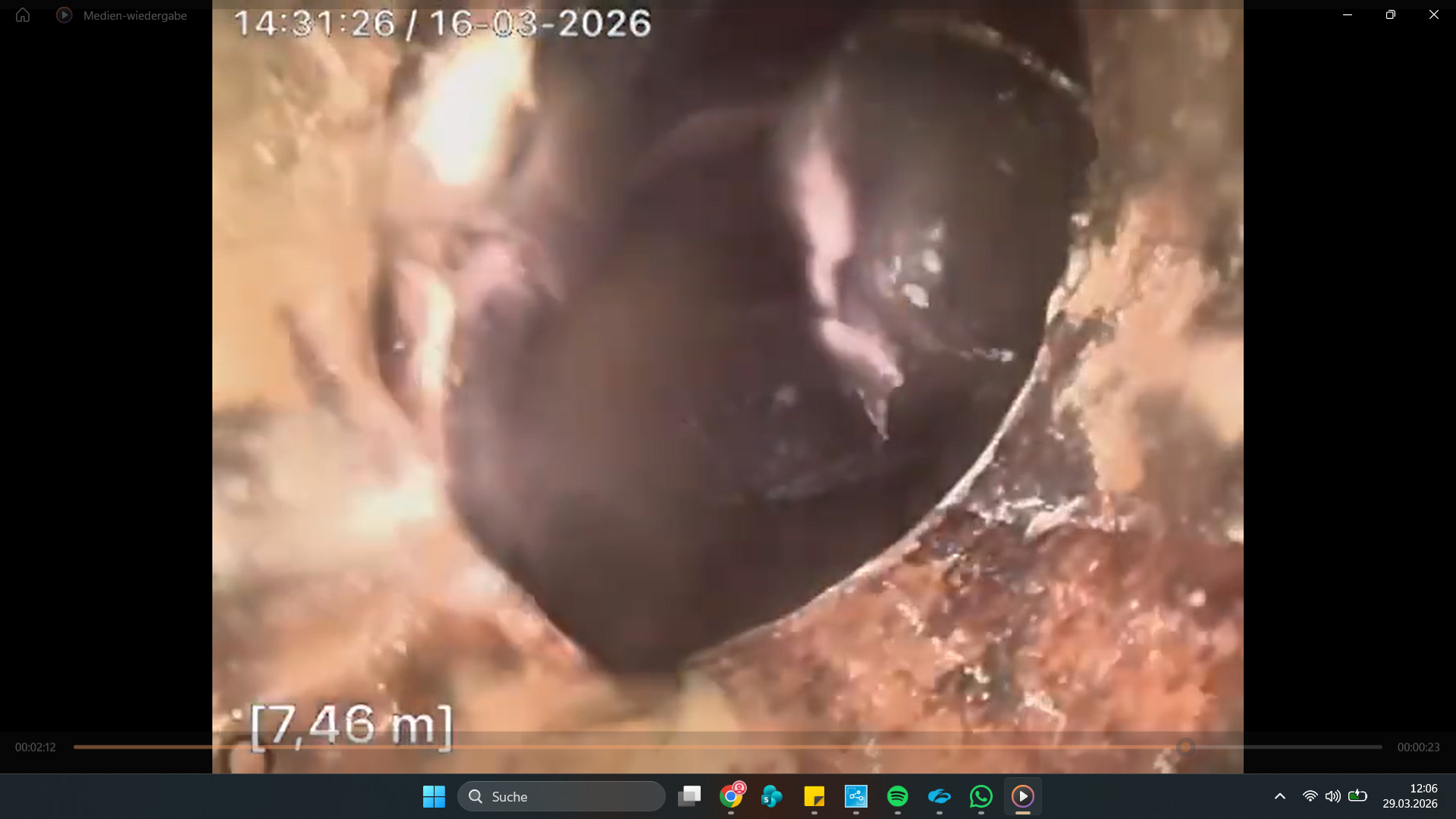
The pipe in question is an approximately 18 m (59 feet) long clay pipeline in the garden, with about 2 meters (6.5 feet) damaged by root pressure, but the rest of the pipeline is also in poor condition. According to a camera inspection, there are:
- a main break (not collapsed, but broken)
- significant deformations in some areas (partly oval-shaped)
- misaligned joints
- minor damages, root intrusion, and deposits
Photos are at the end of the post.
Here are the three quotes I currently have:
Quote 1 – open excavation / civil engineering (about €5,000):
- Repair of the main break by excavating the pipe
- Replacement of about 2.5 m (8 feet) of pipe (KG2000 DN 110) including fittings and transition pieces
- Connection to the existing pipeline
- Backfilling, compaction, and restoration
- Billing based on hours worked (so some cost uncertainty)
Quote 2 – sliplining / trenchless method (about €6,300):
- Rehabilitation of the entire length (about 18 m) with a slipliner (up to DN 150)
- Pre-cleaning and milling work
- Installation of the liner including CCTV monitoring
- Subsequent video documentation (before/after)
Quote 3 – combination (about €11,800):
- Electromechanical cleaning and TV inspection
- Spot liner rehabilitation (GRP/silicate resin)
- Targeted replacement of damaged pipe sections (including excavation)
- Installation of an inspection opening
- Overall a much more comprehensive package
My questions:
- Which approach would you recommend for this type of damage?
- Is a pure liner suitable for a break plus deformation, or should the main damaged section be repaired openly?
- How do you assess the prices comparatively?
A few more details: The affected pipe runs entirely through the garden parallel to the house, at about two meters (6.5 feet) depth. The main break is very close to the foundation. It is probably DN 100 or DN 125. There is an inspection chamber directly at the house as well as another access point on the property towards the public sewer. The soil is clayey to slightly sandy.
Thank you very much in advance for your help – I look forward to your assessments!
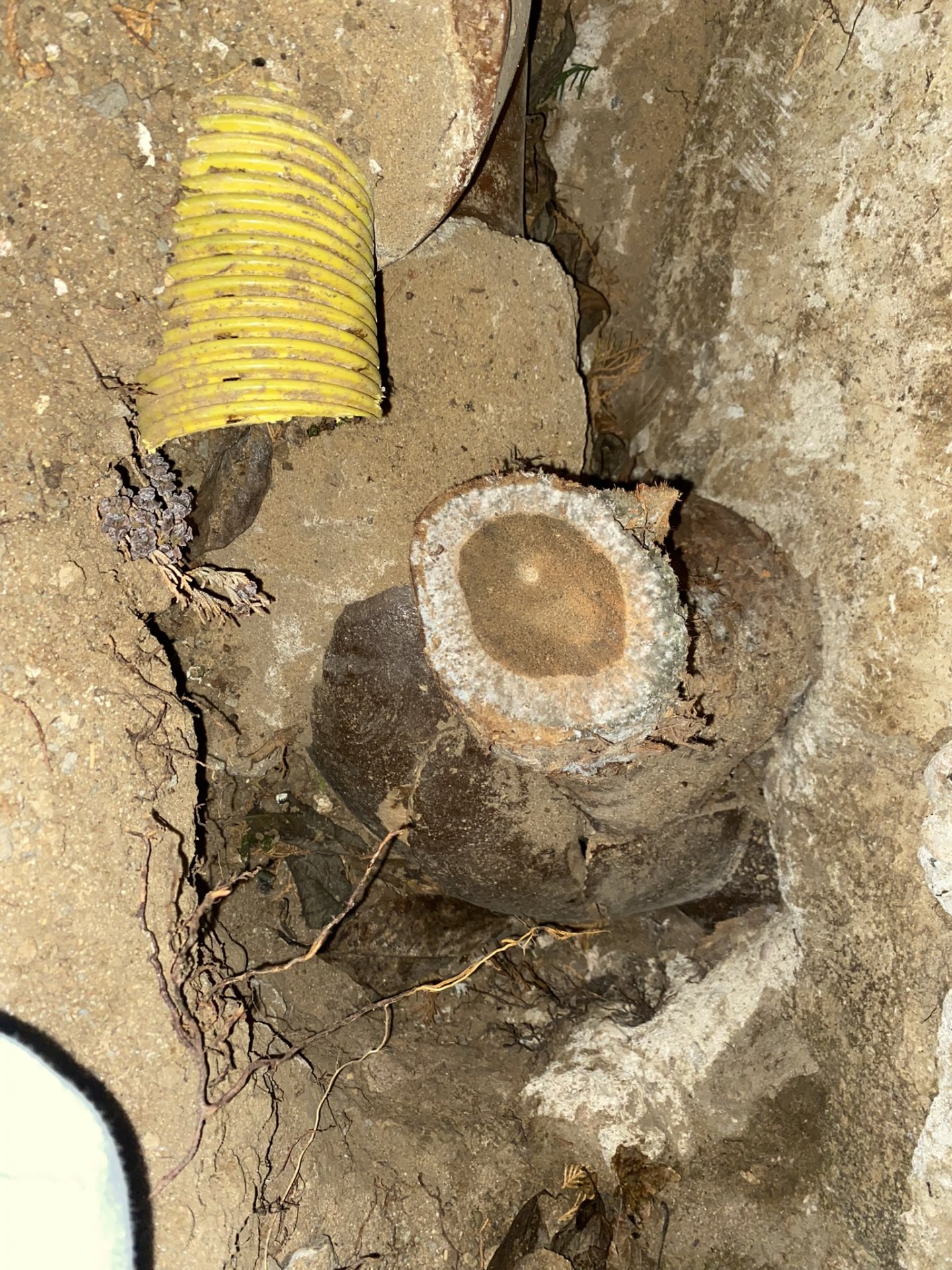
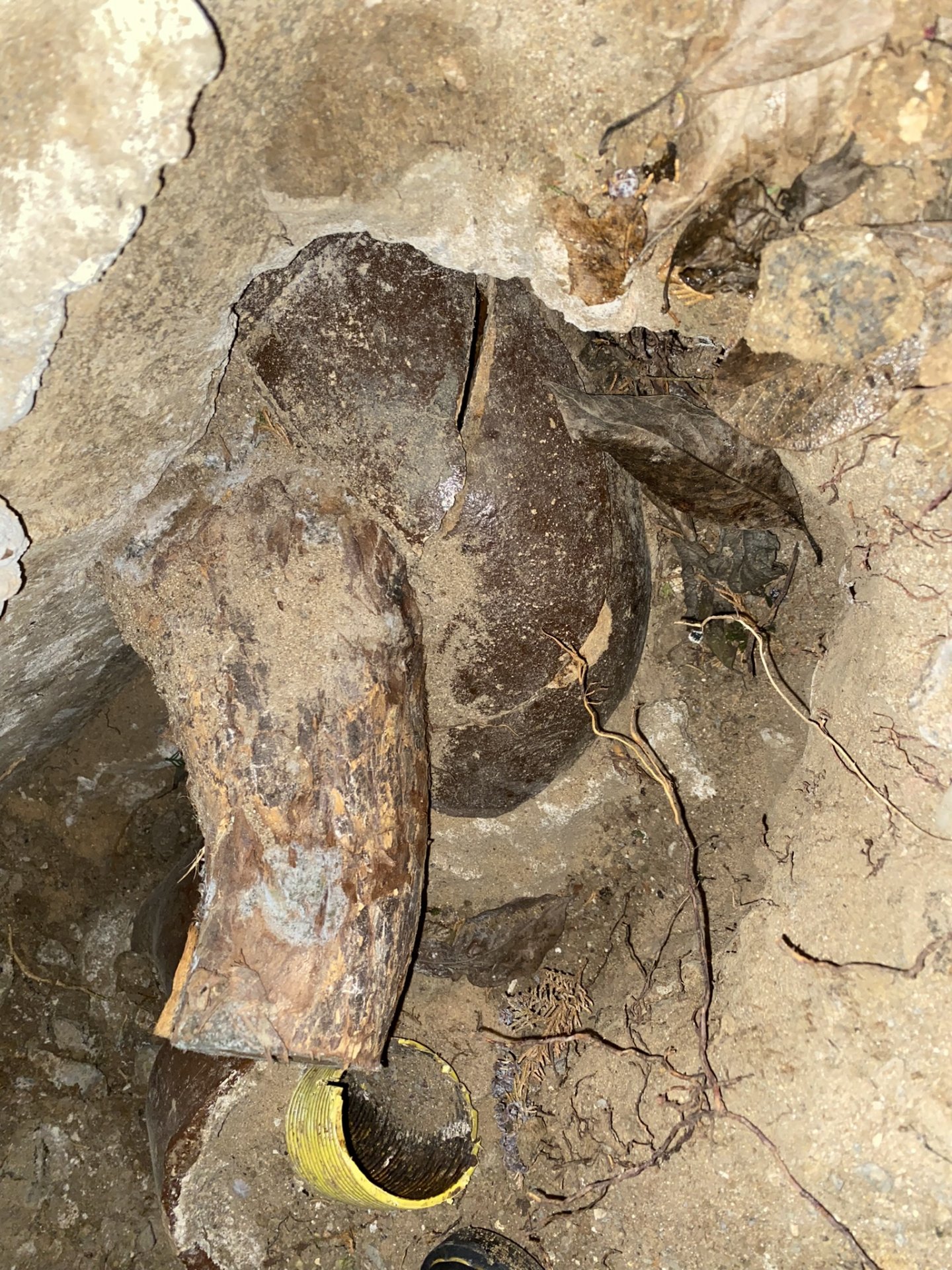
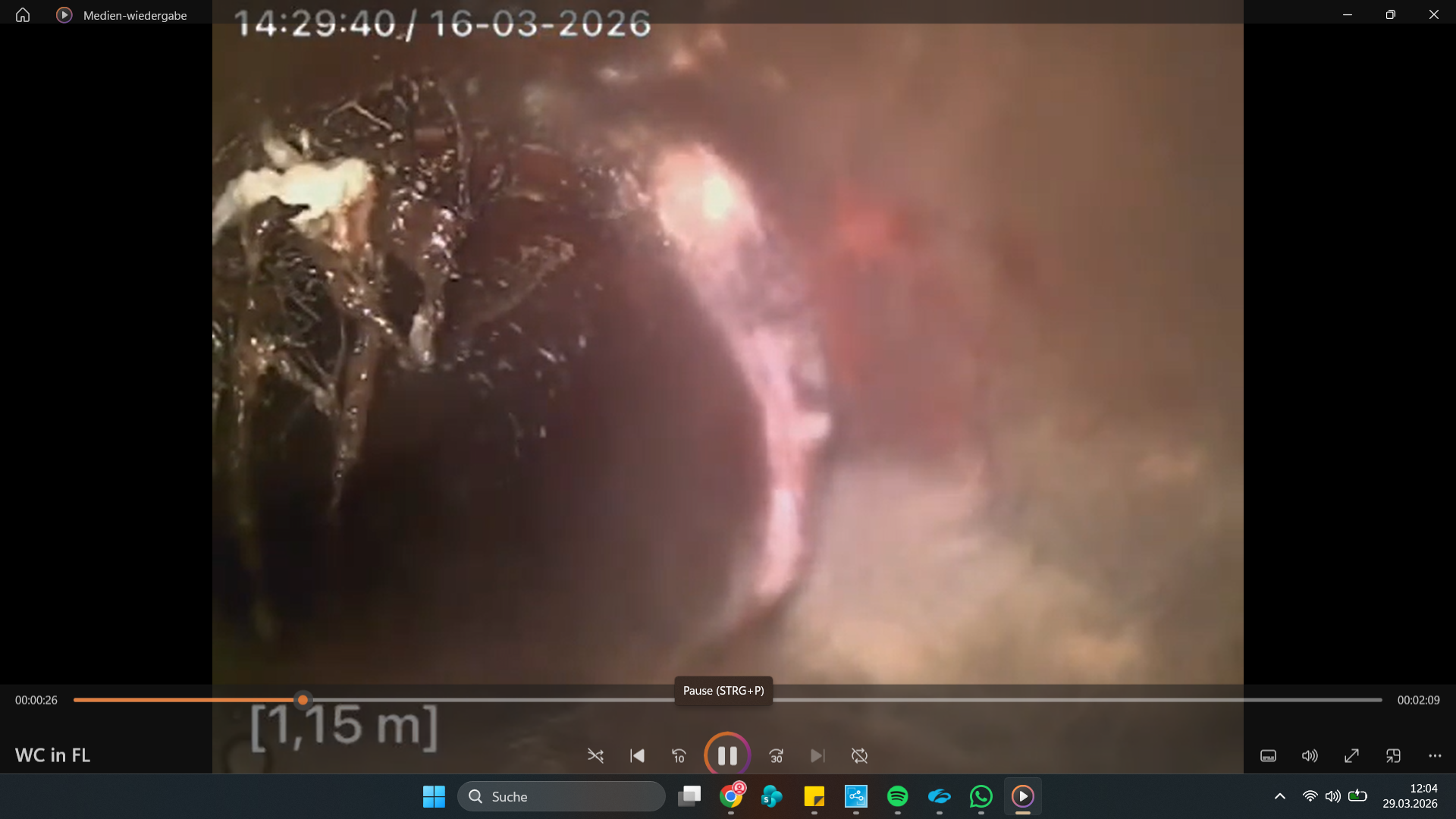
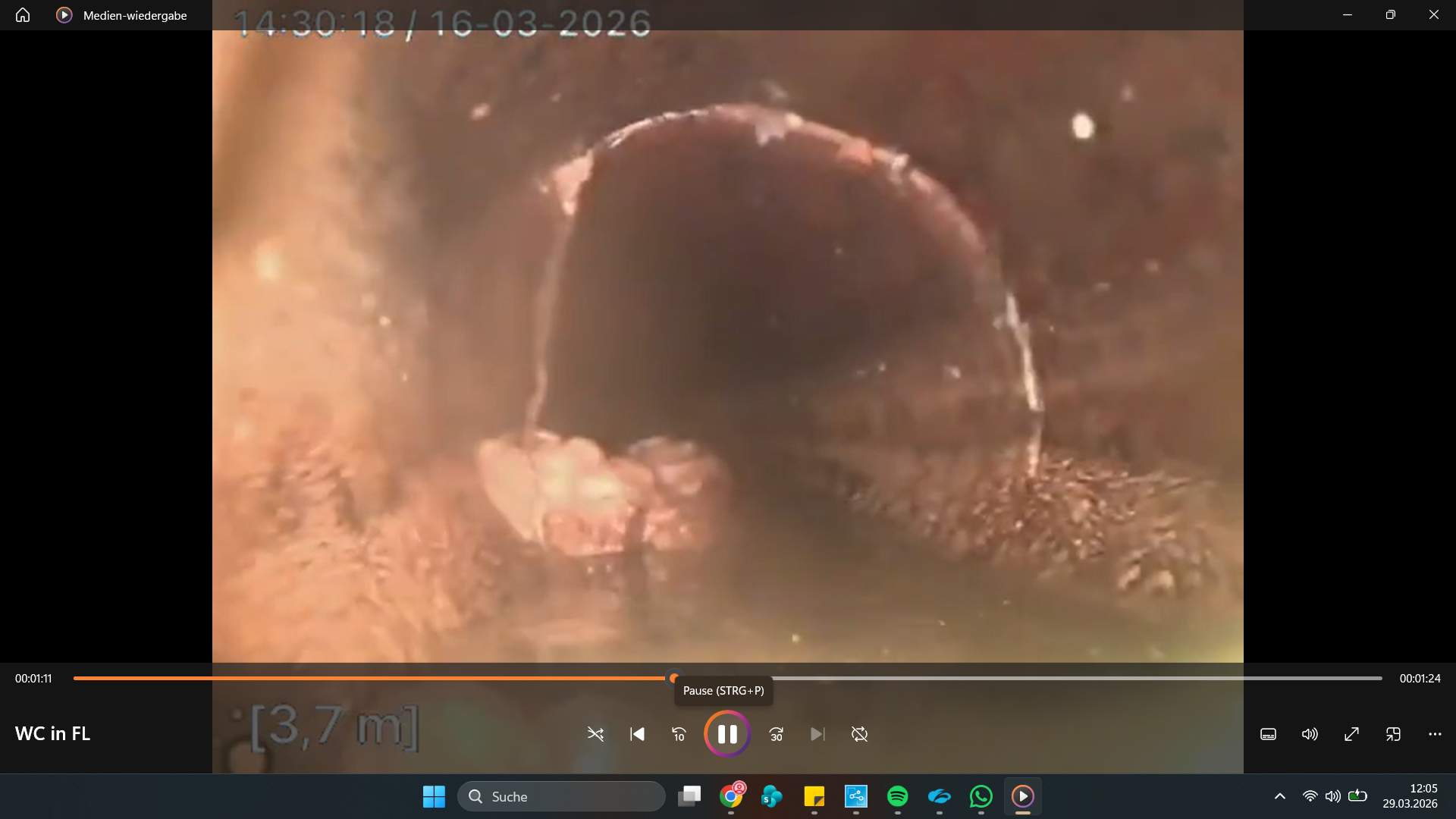
I would really appreciate your assessment of three quotes for a sewer pipe repair – especially regarding which method you consider technically appropriate and how you evaluate the prices.
Situation:
The pipe in question is an approximately 18 m (59 feet) long clay pipeline in the garden, with about 2 meters (6.5 feet) damaged by root pressure, but the rest of the pipeline is also in poor condition. According to a camera inspection, there are:
- a main break (not collapsed, but broken)
- significant deformations in some areas (partly oval-shaped)
- misaligned joints
- minor damages, root intrusion, and deposits
Photos are at the end of the post.
Here are the three quotes I currently have:
Quote 1 – open excavation / civil engineering (about €5,000):
- Repair of the main break by excavating the pipe
- Replacement of about 2.5 m (8 feet) of pipe (KG2000 DN 110) including fittings and transition pieces
- Connection to the existing pipeline
- Backfilling, compaction, and restoration
- Billing based on hours worked (so some cost uncertainty)
Quote 2 – sliplining / trenchless method (about €6,300):
- Rehabilitation of the entire length (about 18 m) with a slipliner (up to DN 150)
- Pre-cleaning and milling work
- Installation of the liner including CCTV monitoring
- Subsequent video documentation (before/after)
Quote 3 – combination (about €11,800):
- Electromechanical cleaning and TV inspection
- Spot liner rehabilitation (GRP/silicate resin)
- Targeted replacement of damaged pipe sections (including excavation)
- Installation of an inspection opening
- Overall a much more comprehensive package
My questions:
- Which approach would you recommend for this type of damage?
- Is a pure liner suitable for a break plus deformation, or should the main damaged section be repaired openly?
- How do you assess the prices comparatively?
A few more details: The affected pipe runs entirely through the garden parallel to the house, at about two meters (6.5 feet) depth. The main break is very close to the foundation. It is probably DN 100 or DN 125. There is an inspection chamber directly at the house as well as another access point on the property towards the public sewer. The soil is clayey to slightly sandy.
Thank you very much in advance for your help – I look forward to your assessments!
N
nordanney26 Apr 2026 18:10Solution 1: Budget option, if you plan to sell the house in the near future and the damage will no longer be an issue.
Solution 2: Traditional approach, which may reach its limits due to oval deformations. If the company can guarantee from the photos that it can be milled smoothly and the liner fits correctly, this is the first choice.
Solution 3: Obviously the top solution. However, it also comes with the highest (likely justified) cost because of the effort involved.
If possible, I would choose Solution 2. If the provider does not put their guarantee in writing, then Solution 3. If you are 96 years old and not planning to live in the house much longer, then Solution 1.
Solution 2: Traditional approach, which may reach its limits due to oval deformations. If the company can guarantee from the photos that it can be milled smoothly and the liner fits correctly, this is the first choice.
Solution 3: Obviously the top solution. However, it also comes with the highest (likely justified) cost because of the effort involved.
If possible, I would choose Solution 2. If the provider does not put their guarantee in writing, then Solution 3. If you are 96 years old and not planning to live in the house much longer, then Solution 1.
Dear Nordanney, thank you very much for your assessment 🙂 I am leaning towards option three—even though it is quite costly, I will probably have peace of mind for the rest of my life. I am still far from 96 years old, and thus from the “after me, the flood” approach 😀 Best regards
Addendum to Offer 3: It turned out that the offer does not cover the entire 18 meters (59 feet), but only about 8 meters (26 feet) around the main break point. Therefore, it includes a partial replacement of the pipe, spot lining, and the installation of an inspection opening.
Similar topics