
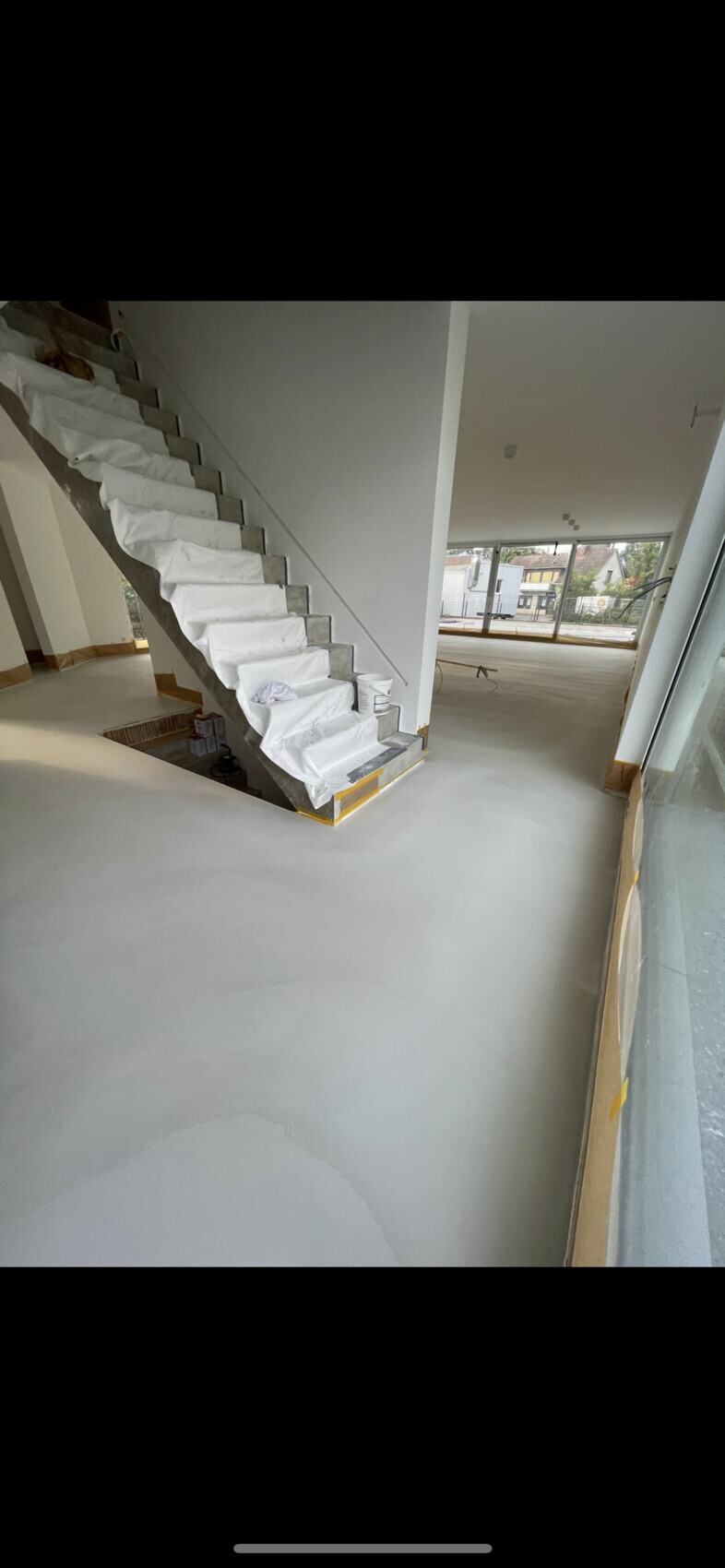
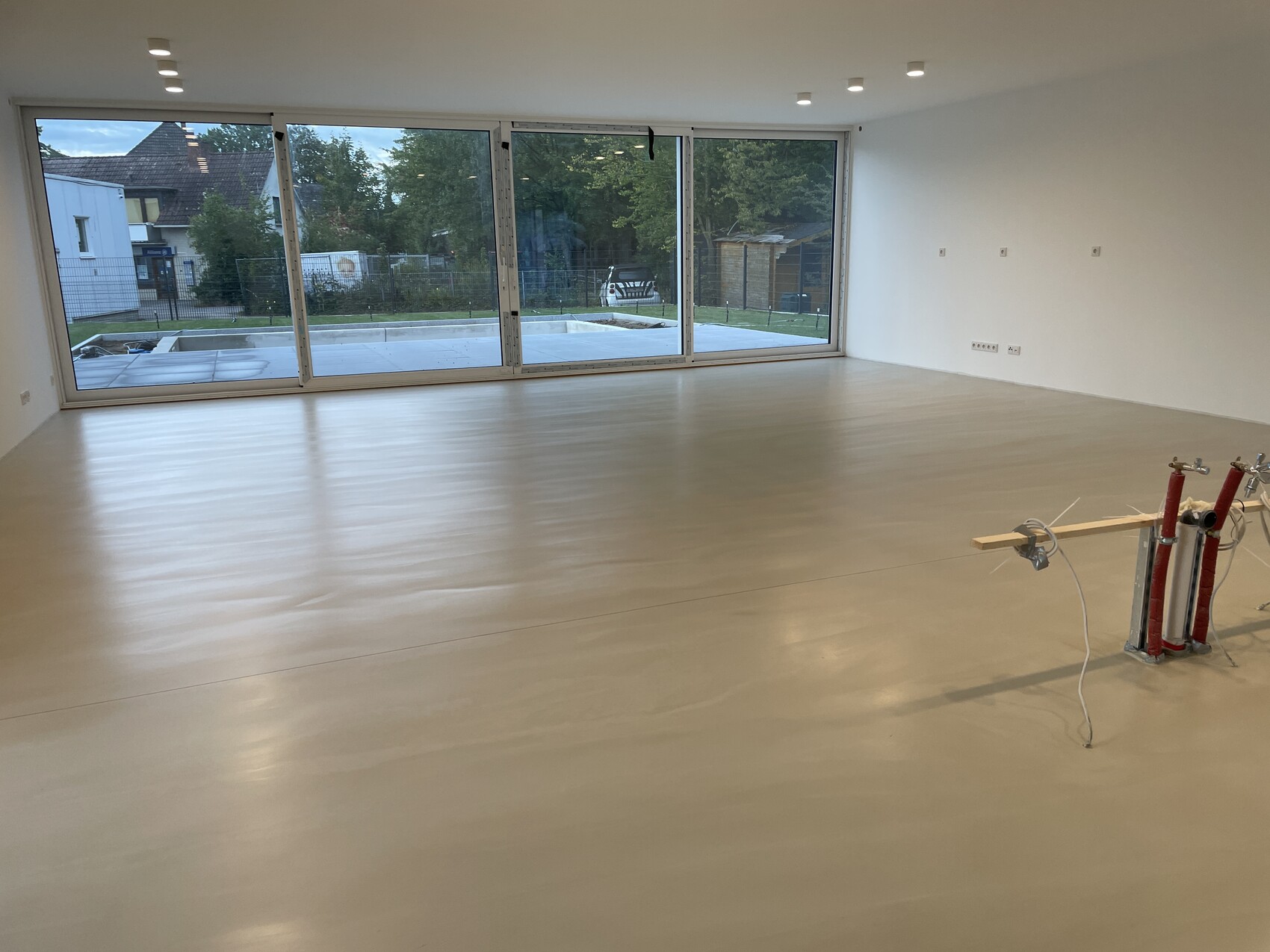
Hi, we had a Pandomo floor installed. The color was supposed to be light gray. It was, until the floor was sealed. Now, one day after sealing, the floor has turned completely beige.
Additionally, the floor looks very wavy. Has anyone experienced this? Will the beige tint disappear once the sealant is fully absorbed?
The first picture shows the color before sealing, the second after sealing.
Additionally, the floor looks very wavy. Has anyone experienced this? Will the beige tint disappear once the sealant is fully absorbed?
The first picture shows the color before sealing, the second after sealing.
D
Dilekkayra4 Oct 2021 20:14Thank you, you hit the nail on the head—urine yellow is indeed the correct shade.
I believe the floor is about 1cm (0.4 inches) thick!
I have the final inspection tomorrow and have already been in contact with Pandomo directly. Let's see what they say about the dents tomorrow. Regarding the color, I already know they will try to find excuses!
P.S. The staircase is steep but still meets the DIN standards, well noticed ;-)
I believe the floor is about 1cm (0.4 inches) thick!
I have the final inspection tomorrow and have already been in contact with Pandomo directly. Let's see what they say about the dents tomorrow. Regarding the color, I already know they will try to find excuses!
P.S. The staircase is steep but still meets the DIN standards, well noticed ;-)
D
Dilekkayra7 Oct 2021 11:47Hi, so today the Pandomo field service representative and the company that installed the floor were on the construction site. They say everything is still within the tolerance range!!! We have not accepted the floor!!! It was obvious they would stick together. I don’t know what to do now. Does anyone have any ideas on how I should proceed?
Oh man, you have my sympathy… we had a similar problem with the interior plaster… the tolerance allowed by the DIN standard is so high that in reality your interior plaster could end up looking like it’s from a house built in 1900… We had the entire upper floor replastered because it was that bad… we paid the costs ourselves.

Hello "[B]Dilekkayra".
The floor shown in the photos indeed does not appear to be ready for approval.
The waves visible in at least the first photos are no longer apparent in the subsequent images.
Yes, the DIN 18365 standard does include a note that assessments should not be made against backlight.
However, since we are dealing with low-positioned windows here, that statement does not apply in this case.
In any case, from my perspective, withholding approval seems justified.
The yellowing is also a valid complaint if the reference sample—not considering whether such a small sample prepared under laboratory conditions can represent a large area—does not show the kind of noticeable yellowing present in the actual installation.
What happens next?
Primarily, this is a legal matter. You need to send your contractual partner a written notice of defect with a deadline for correction (preferably by registered mail). The subject line of the letter should clearly state "notice of defect."
The usual process then involves legal proceedings with an expert evaluation.
You have three options:
1.) You grit your teeth and accept the situation (which also means paying), or
2.) You have the floor inspected by an expert familiar with the subject of "design floors," ideally inviting all parties to participate, or
3.) You take the matter to court and hope that the court-appointed expert has sufficient knowledge about such mineral-based overlay coatings.
One final note regarding the argument "this is still within tolerances":
Evaluations like this should be left to neutral observers (independent experts).
A company-appointed expert is often under pressure from their employer.
-------------------------
Best regards and good luck with your next steps: KlaRa
The floor shown in the photos indeed does not appear to be ready for approval.
The waves visible in at least the first photos are no longer apparent in the subsequent images.
Yes, the DIN 18365 standard does include a note that assessments should not be made against backlight.
However, since we are dealing with low-positioned windows here, that statement does not apply in this case.
In any case, from my perspective, withholding approval seems justified.
The yellowing is also a valid complaint if the reference sample—not considering whether such a small sample prepared under laboratory conditions can represent a large area—does not show the kind of noticeable yellowing present in the actual installation.
What happens next?
Primarily, this is a legal matter. You need to send your contractual partner a written notice of defect with a deadline for correction (preferably by registered mail). The subject line of the letter should clearly state "notice of defect."
The usual process then involves legal proceedings with an expert evaluation.
You have three options:
1.) You grit your teeth and accept the situation (which also means paying), or
2.) You have the floor inspected by an expert familiar with the subject of "design floors," ideally inviting all parties to participate, or
3.) You take the matter to court and hope that the court-appointed expert has sufficient knowledge about such mineral-based overlay coatings.
One final note regarding the argument "this is still within tolerances":
Evaluations like this should be left to neutral observers (independent experts).
A company-appointed expert is often under pressure from their employer.
-------------------------
Best regards and good luck with your next steps: KlaRa
Similar topics