
ᐅ Optimizing the Floor Plan with Numerous Detailed Considerations
Created on: 12 Jan 2026 21:12
N
NMarieKH
Hello everyone,
We are currently planning the construction of our house in Lower Austria, and I would really appreciate your feedback on our floor plan. I’m 22, my partner is 26 – he is financing the house. Because of that, it’s particularly important to me that the floor plan fits perfectly and that we don’t build in any costly “mistakes.” I’m in the process of optimizing it, but the longer you look at it, the more you get blind to it.
I welcome any comments, criticism, and suggestions for improvements – whether it’s about circulation paths, storage, lighting, furnishing possibilities, or just “this feels impractical” – these are exactly the things I’m trying to fix right now.
In addition, I have a few specific questions where I’m particularly unsure (list follows):
If anyone could answer or comment on even 1 or 2 of these points, I would be extremely grateful. Many thanks in advance!
Development Plan / Restrictions
Plot size: 625 m2 (30% of this may be built on)
Site coverage ratio: 1
Floor area ratio: 2
Number of parking spaces: 2
Roof type: hipped roof
Style: modern, cozy
Orientation: terrace faces north
Client Requirements
Style, roof type, building type: modern but not too cubic, hipped roof
Levels: basement, ground floor, first floor
Number of people, age: currently W22 and M26
Space requirements ground floor, upper floor: office on ground floor possibly as a future bedroom
Office use: family use or home office? home office
Open or closed architecture: rather open
Conservative or modern construction: modern
Open kitchen, kitchen island: yes
Number of dining seats: 2, at least 6-8 guests
Fireplace: maybe for the future
Music/sound system wall: sound system at TV wall
Balcony, roof terrace: small balcony at bedroom
Garage, carport: 37 m2 (400 ft2) garage, which will be built later as an extension
Currently, we do not have children but plan to have them in the future
House Design
Who designed it: do-it-yourself
What do we like? The size of the floor plan, the distribution of living and utility areas over different floors
What don’t we like? Sizes of certain rooms, door swings, orientation of living room windows to the northeast, furnishing options in the large living room on the ground floor, integration of the pantry in the room, 2 rooms in the basement which are through-rooms to other rooms
Preferred heating system: underfloor heating
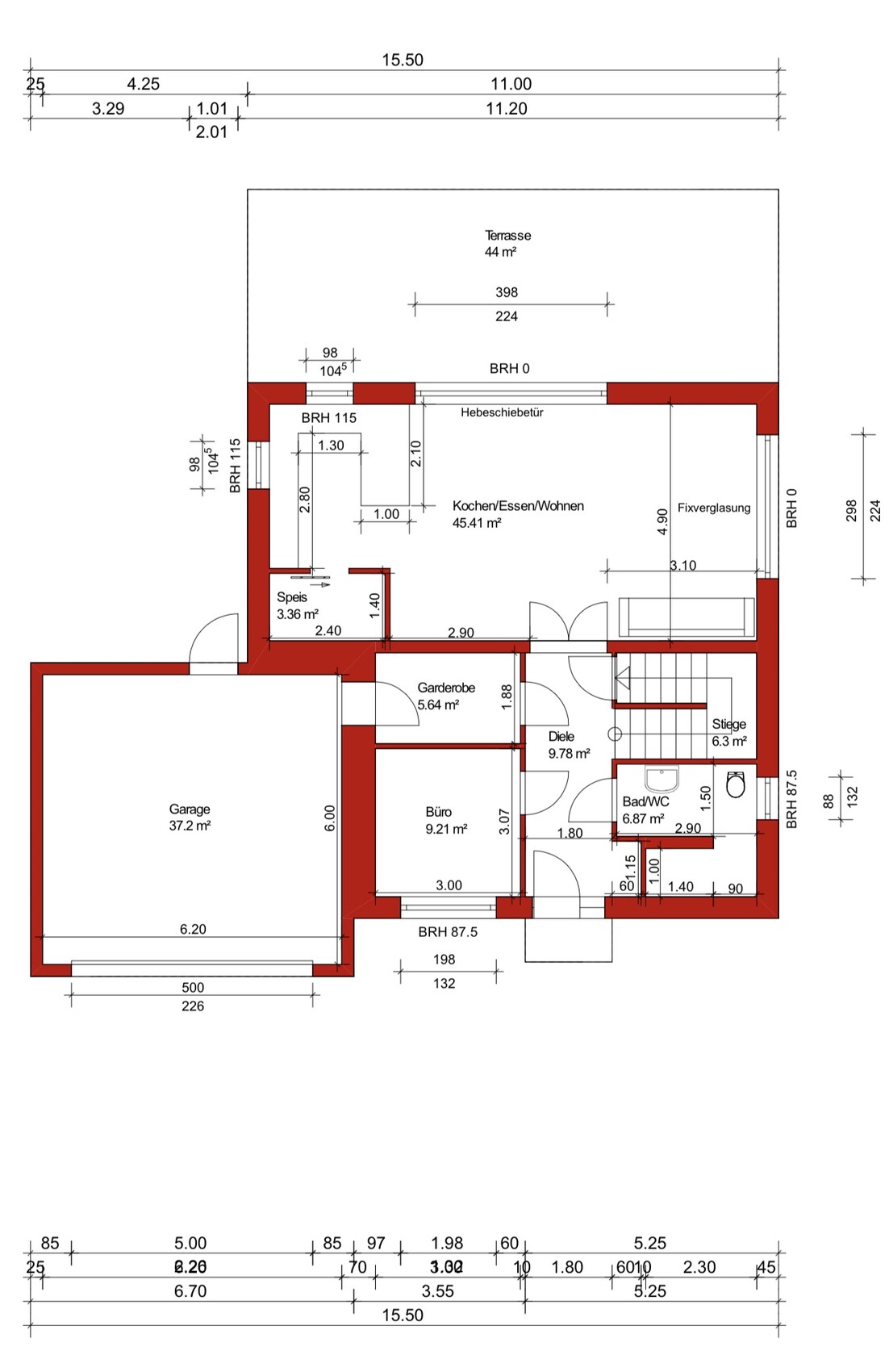
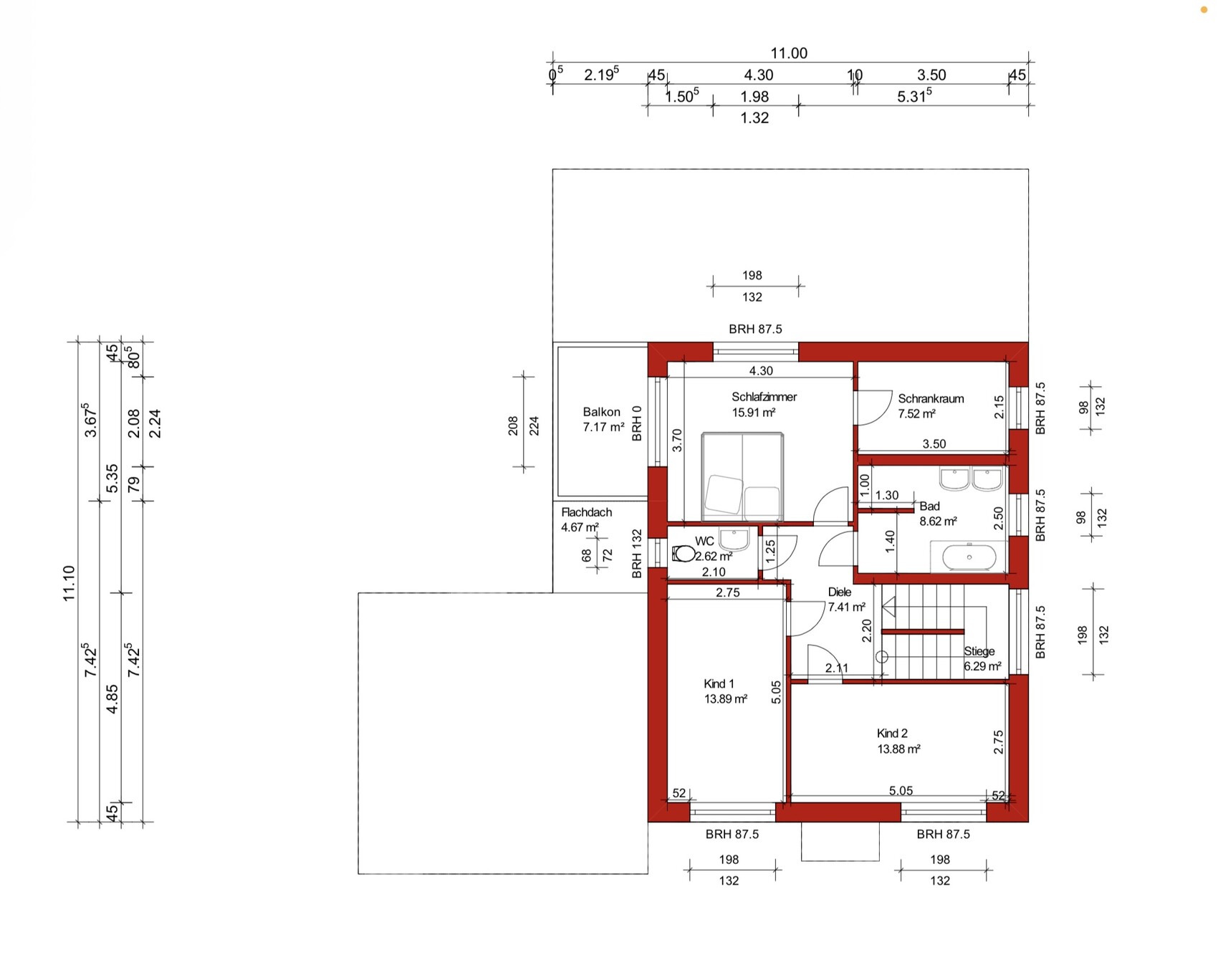
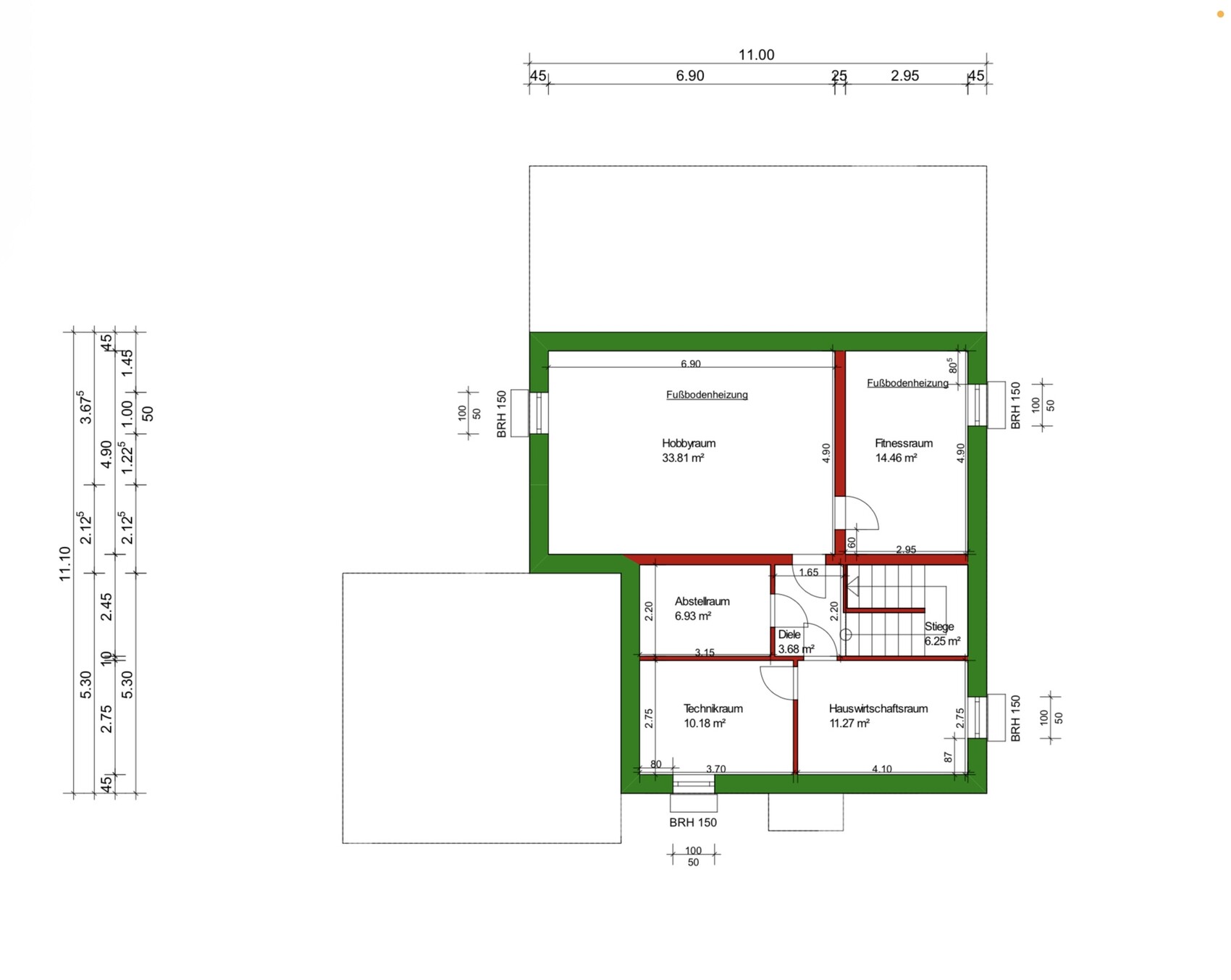
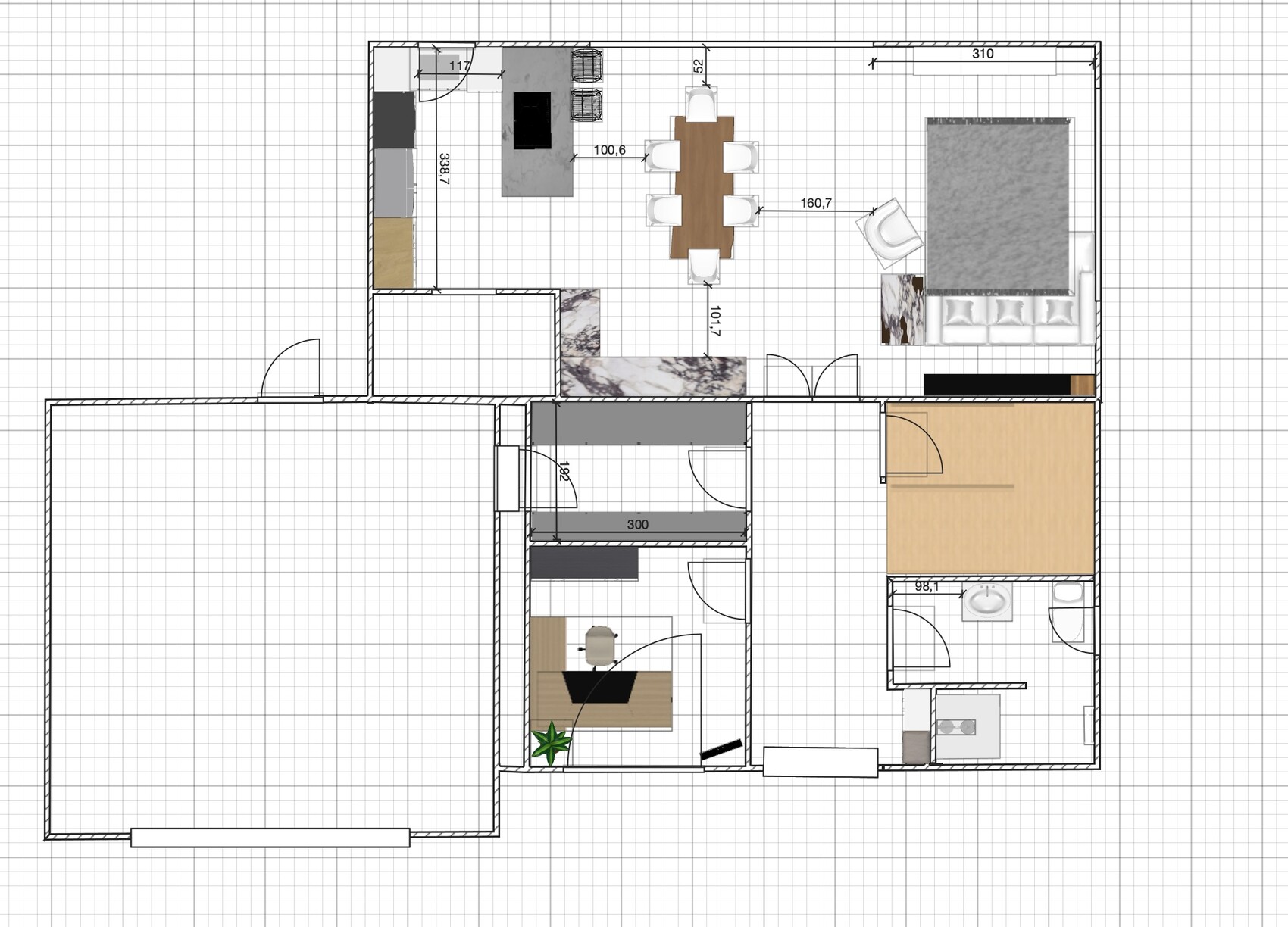
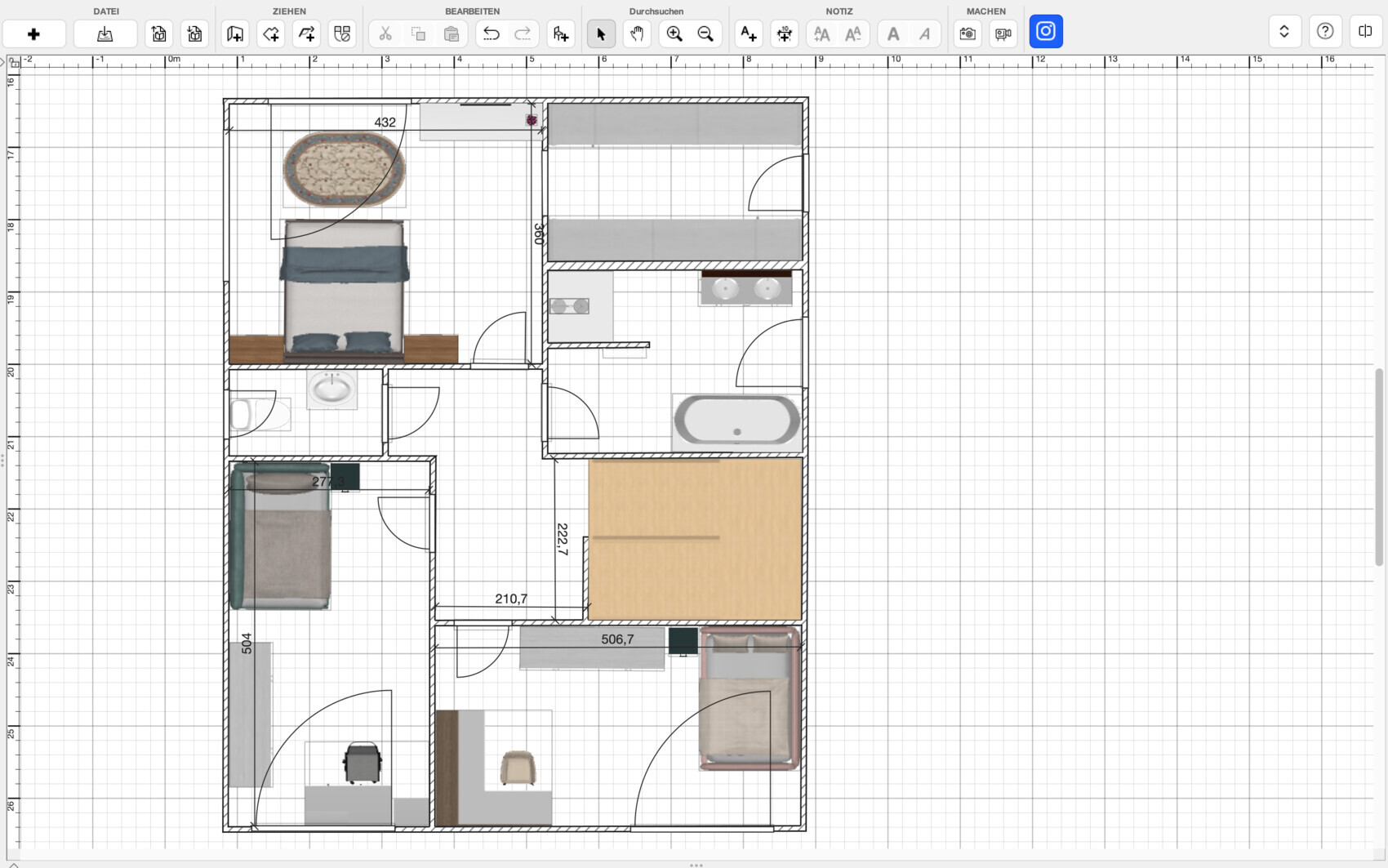
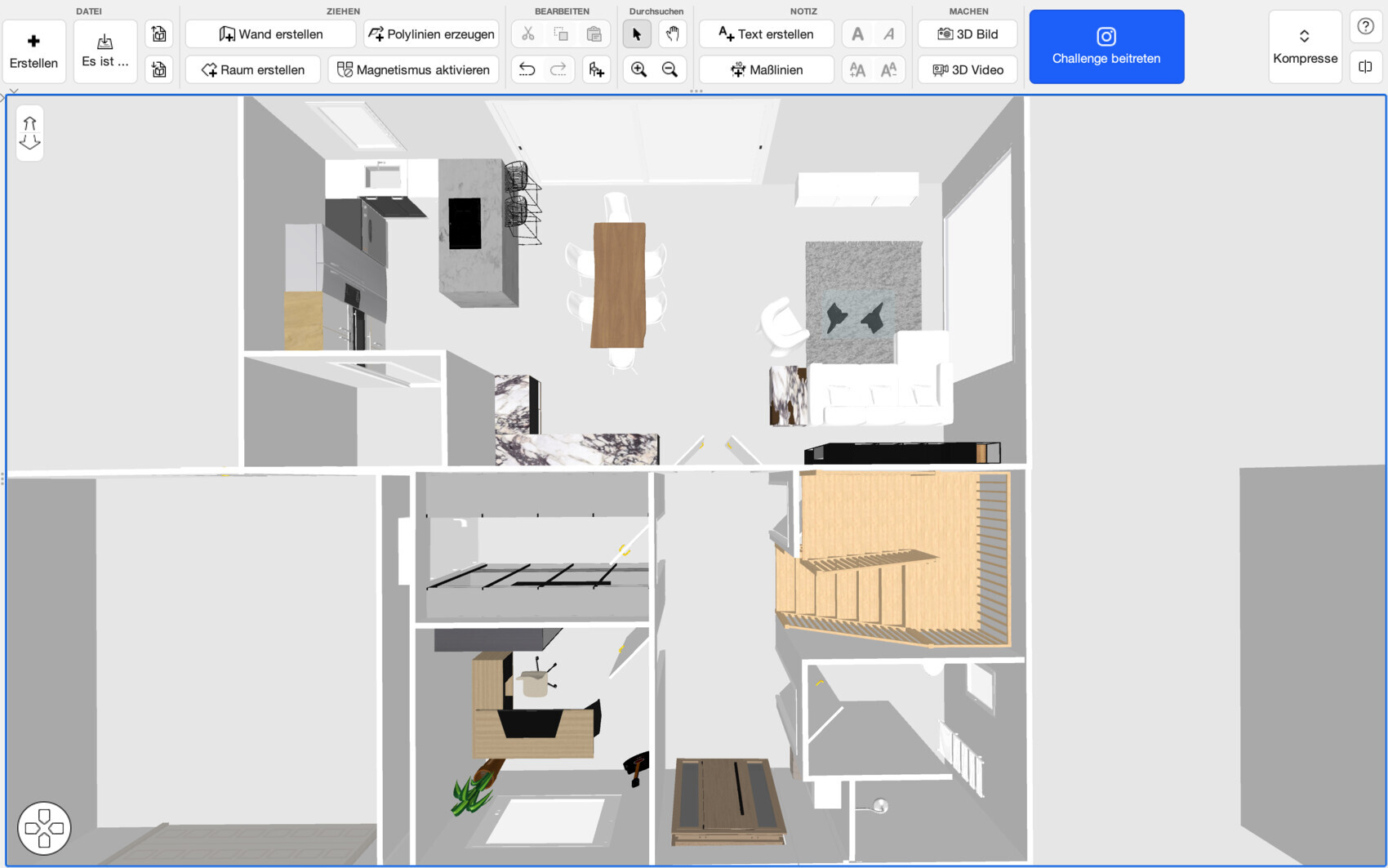
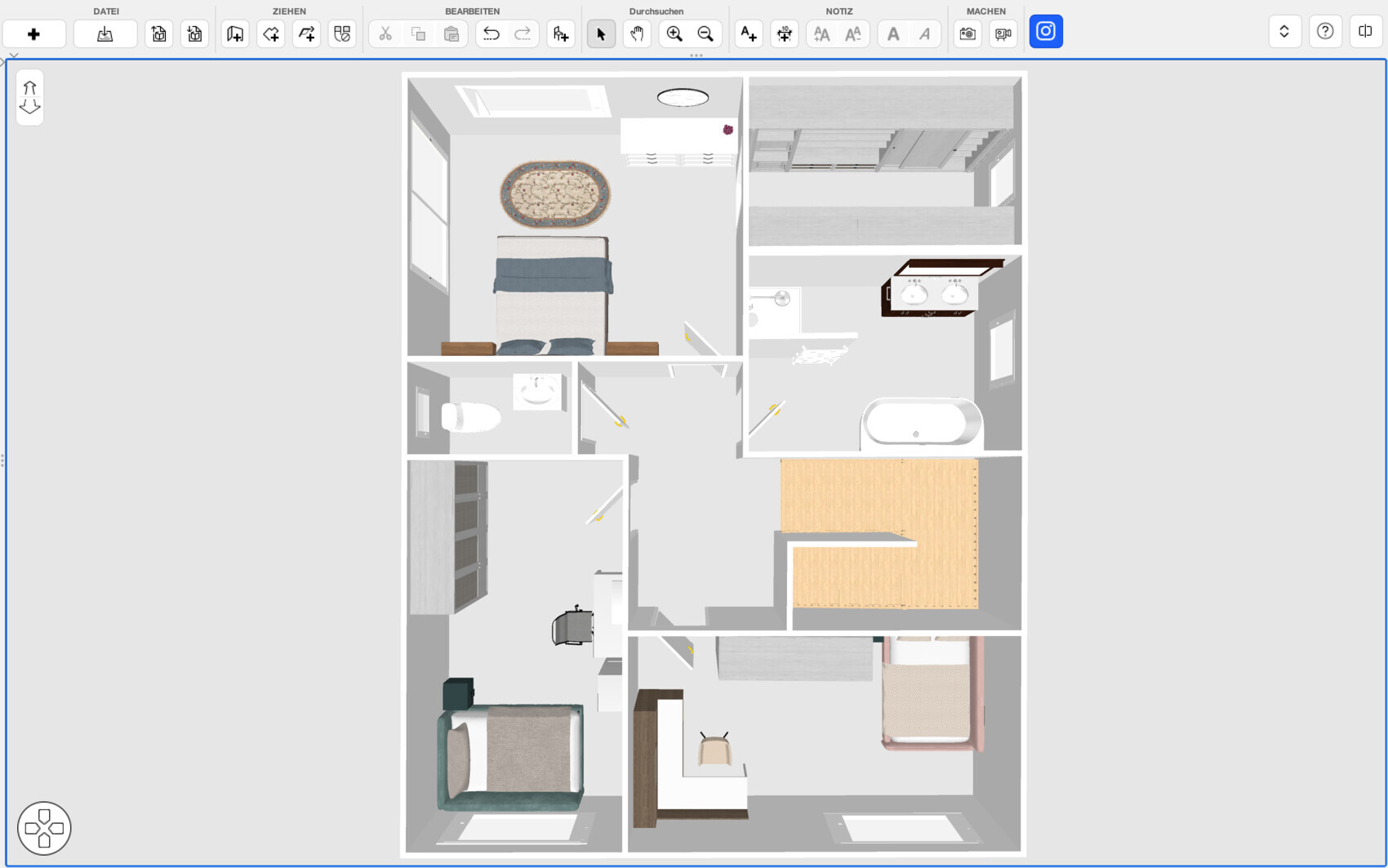
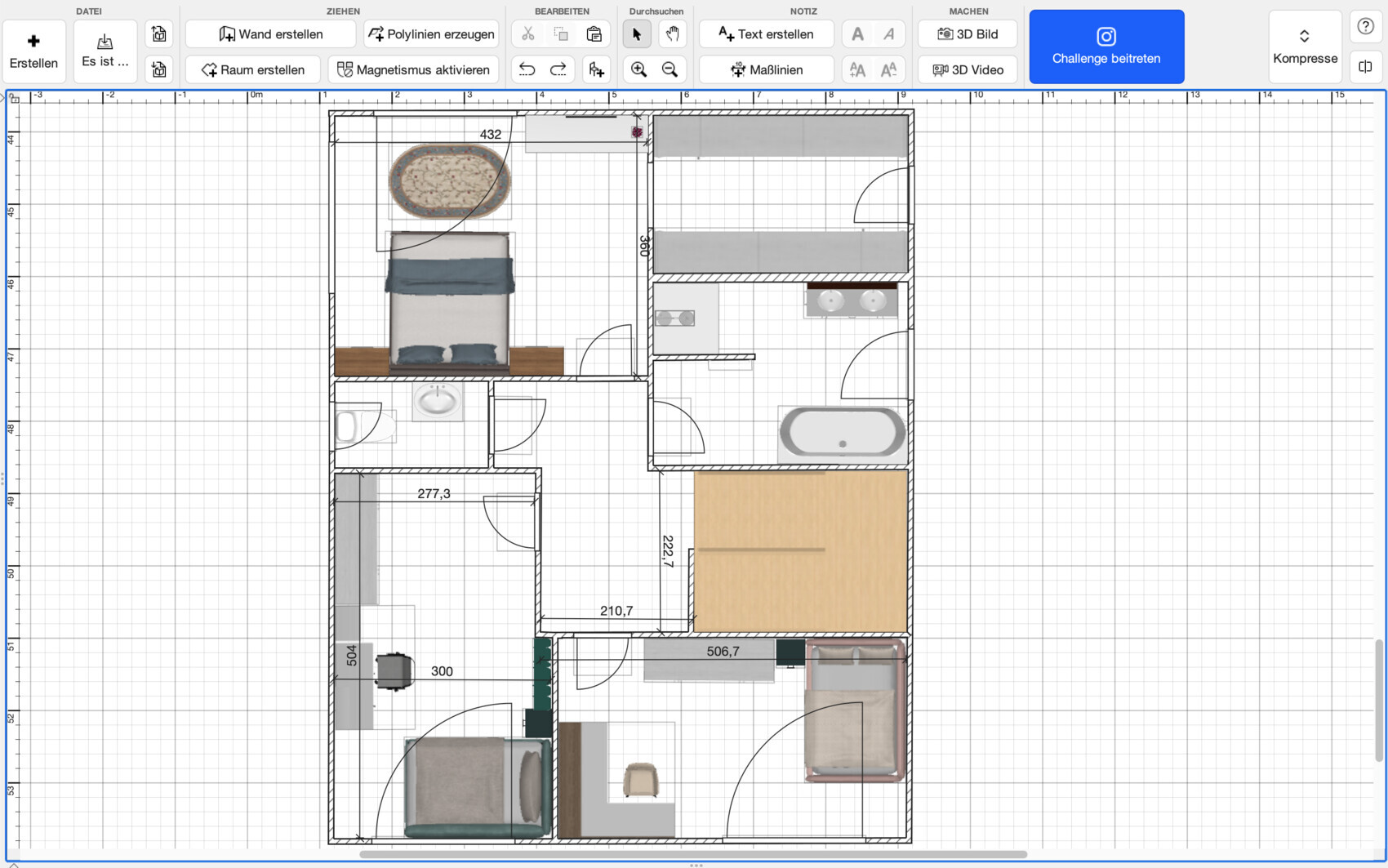
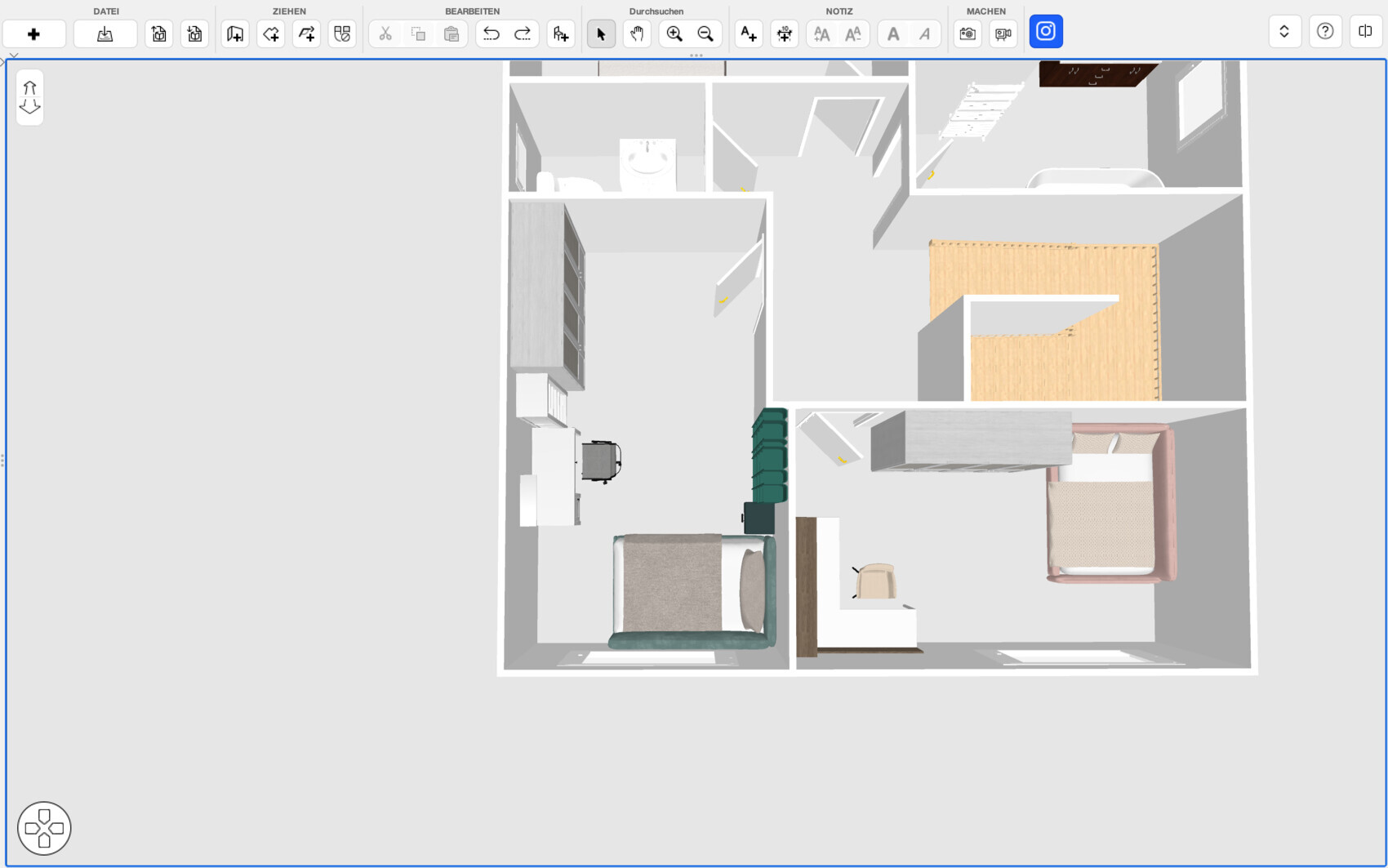
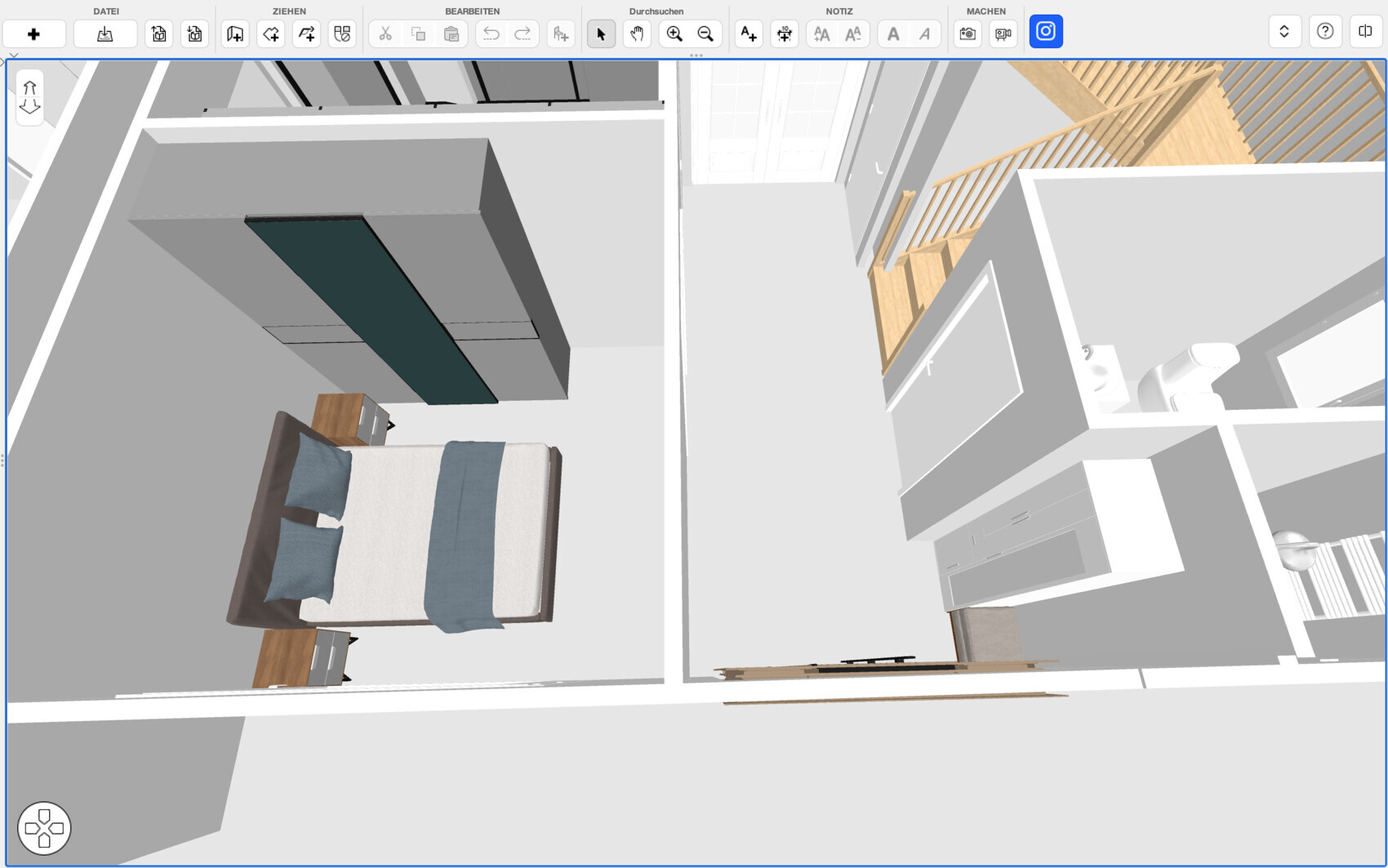
We are currently planning the construction of our house in Lower Austria, and I would really appreciate your feedback on our floor plan. I’m 22, my partner is 26 – he is financing the house. Because of that, it’s particularly important to me that the floor plan fits perfectly and that we don’t build in any costly “mistakes.” I’m in the process of optimizing it, but the longer you look at it, the more you get blind to it.
I welcome any comments, criticism, and suggestions for improvements – whether it’s about circulation paths, storage, lighting, furnishing possibilities, or just “this feels impractical” – these are exactly the things I’m trying to fix right now.
In addition, I have a few specific questions where I’m particularly unsure (list follows):
- Door swings – my partner would prefer all doors to open outward, which I don’t like at all… For which rooms would you solve this problem differently? If the doors open inward in different rooms (e.g., office, both children’s rooms), how far from the wall would you position them?
- I’m also not completely satisfied with the kitchen layout. Due to a lack of storage space on the ground floor, we’d likely keep the pantry but we’re currently unsure how. Ideally, if money were no object, I’d want a concealed pantry and as much cupboard space as possible, but that is expensive. If you have any suggestions about the kitchen layout, please share them (the furniture is only placed provisionally, but the location of the stove, sink, and dishwasher should work similarly) – would you put the window above the sink at a sill height of 1.15m (45 inches) (with a 95cm (37 inch) countertop height) or have it flush directly with the countertop?
- How would you place the door in the cloakroom? Currently, we have 60cm (24 inches) space on one side and 38cm (15 inches) on the other. I’m considering whether it would be smarter to leave at least 66cm (26 inches) at the top side for deeper cabinets and some clearance from the door (and possibly only a narrow shoe cabinet or a bench at the bottom side) – or to move both doors down to the bottom of the room and keep the rest as a more open passage (perhaps for a stroller or similar).
- The office might later be converted into a bedroom (see picture). However, both the 3m (10 ft) wide office and the 2.75m (9 ft) wide children’s bedroom 1 above currently have a window measuring 1.98m (6 ft 6 inch) wide and 1.32m (52 inches) high – would it be better to make these windows a bit narrower, since a bed might be placed underneath, and also raise the sill height of about 87.5cm (34 inches)? For more natural light, the window could maybe just be made a bit longer vertically, right?
- Upstairs, there is the option to expand children’s bedroom 1, which has a less practical layout, with a 25cm (10 inch) deep niche (making it approximately 14.6 m2 (157 ft2) instead of 12.6 m2 (136 ft2), which I think is easier to furnish). The bed could then be placed in the niche, with the headboard away from the window and the view of the door, and the width would be the same as the office below (windows could be aligned vertically).
- How would you position the windows in children’s bedroom 2? Would you prefer one wide window or two narrower ones on the left and right?
- Do you have any ideas on how the rooms in the basement could be arranged differently?
If anyone could answer or comment on even 1 or 2 of these points, I would be extremely grateful. Many thanks in advance!
Development Plan / Restrictions
Plot size: 625 m2 (30% of this may be built on)
Site coverage ratio: 1
Floor area ratio: 2
Number of parking spaces: 2
Roof type: hipped roof
Style: modern, cozy
Orientation: terrace faces north
Client Requirements
Style, roof type, building type: modern but not too cubic, hipped roof
Levels: basement, ground floor, first floor
Number of people, age: currently W22 and M26
Space requirements ground floor, upper floor: office on ground floor possibly as a future bedroom
Office use: family use or home office? home office
Open or closed architecture: rather open
Conservative or modern construction: modern
Open kitchen, kitchen island: yes
Number of dining seats: 2, at least 6-8 guests
Fireplace: maybe for the future
Music/sound system wall: sound system at TV wall
Balcony, roof terrace: small balcony at bedroom
Garage, carport: 37 m2 (400 ft2) garage, which will be built later as an extension
Currently, we do not have children but plan to have them in the future
House Design
Who designed it: do-it-yourself
What do we like? The size of the floor plan, the distribution of living and utility areas over different floors
What don’t we like? Sizes of certain rooms, door swings, orientation of living room windows to the northeast, furnishing options in the large living room on the ground floor, integration of the pantry in the room, 2 rooms in the basement which are through-rooms to other rooms
Preferred heating system: underfloor heating
kbt09 schrieb:
The closet space isn’t even 200 cm (79 inches) wide... how is that supposed to work? Especially since you’re drawing with very thin walls. This shows that you can’t just move two walls around and expect a good solution.
The kitchen shown by @GeraldG in post 13 no longer has a dedicated pantry, but instead uses hidden space for the tall cabinets, where the built-in appliances and pantry storage are combined. All larger supplies are stored in the basement. I actually noticed that just yesterday. However, it wasn’t just a random label; that was exactly how we laid out the floor plan before. I had just forgotten that back then we had an extra 1 m (3 ft 3 in) more in the length of the house.
But to create hidden space in our living room or kitchen, wouldn’t a wall still need to be built, or am I misunderstanding something?
ypg schrieb:
You shouldn’t plan only for the next 20 years or so.
9 square meters (97 square feet) is not suitable for old age. At 70+, you want at least one meter (3 feet) of space on both sides of a 2-meter (6.5-foot) bed or separate bedrooms. The bedroom part is purely hypothetical. I also think that space would be better suited for a home office.
NMarieKH schrieb:
That’s why there should be 40 cm (16 inches) of space left between all doors and the wall to allow for furniture placement. I see this as unnecessary.No, it’s not unnecessary. Ideally, there should be 65 to 70 cm (26 to 28 inches), not just 40 cm (16 inches). It makes complete sense to position doors as far as possible from the adjacent wall.However, this has nothing to do with whether the door opens into a hallway or a room. The standard is for doors to open into the room. Exceptions are made for very small guest toilets or similar spaces where a door opening inward would restrict movement or might even be impossible to open if the user falls.
kbt09 schrieb:
No, not excessive; ideally, it should be 65 to 70 cm (25.5 to 27.5 inches), not just 40 cm (16 inches). It makes absolute sense to position doors as far as possible from the adjacent wall wherever feasible.
However, this has nothing to do with whether the door opens into the hallway or into the room. The standard is for doors to open into the room. Exceptions are made, for example, for very small guest toilets or similar situations where a door opening into the room would restrict movement or could not be opened at all if someone falls.Exactly, that’s why I asked how far you would place the door from the wall in the office or children’s room 🙂 so you recommend at least 65 cm (25.5 inches)? That makes sense to me.NMarieKH schrieb:
He justifies the door design by having more floor space in the living area. That’s why there should be 40 cm (15.7 inches) of space left between the doors and the wall to allow for furniture placement. I consider that unnecessary. Doors that open into the hallway only cause injuries. No one builds like that, and for good reason. If that were the best solution, it would be standard practice.
40 cm (15.7 inches) behind the doors is too little. 65–70 cm (25.6–27.6 inches) is needed to fit a cupboard, dresser, or shelf behind. No space is wasted if the door swings into the room.
Arrange all rooms as you want using a scale plan with movement spaces.
N
nordanney13 Jan 2026 08:36haydee schrieb:
Doors that open into the hallway only cause injuries.Most people keep their doors open all day anyway. It’s always inconvenient when they open into the hallway, which is a space that people move through.Similar topics