
Hello,
We have purchased a house built in 1910.
The basement is completely dry, which is already a positive sign.
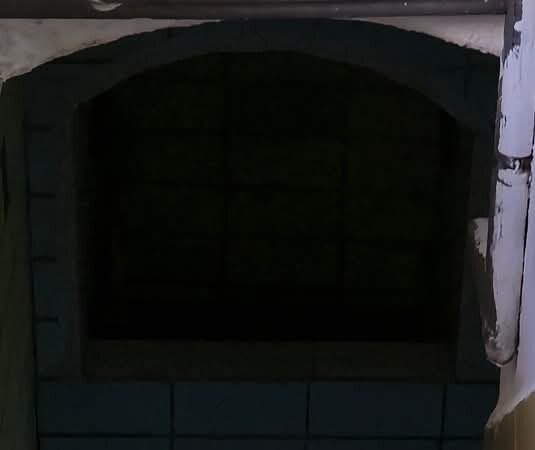
In the basement, there is this opening, fully tiled except for a 2 cm (1 inch) gap where a gravel bed is located. The water inside is also very clear. What could this be? According to the seller, the water has always been used for irrigating the garden. I’m concerned that it might overflow since there is no pump or similar system installed.
The building is situated on a slope, and one side is only 0.5 m (20 inches) below ground level. It should therefore be considered a high basement.
We have purchased a house built in 1910.
The basement is completely dry, which is already a positive sign.
In the basement, there is this opening, fully tiled except for a 2 cm (1 inch) gap where a gravel bed is located. The water inside is also very clear. What could this be? According to the seller, the water has always been used for irrigating the garden. I’m concerned that it might overflow since there is no pump or similar system installed.
The building is situated on a slope, and one side is only 0.5 m (20 inches) below ground level. It should therefore be considered a high basement.
 HausiKlausi21 Sep 2025 17:19
Wow, this is really quite unusual. The first question you need to clarify is where the pipes come from and what is coming out of them. Maybe the easiest solution would be to simply interview the previous owner? Perhaps rainwater from the roof?

This appears to be an improvised sump pit where water might be directed from outside due to the lack of connection to the sewer system. The yellow corrugated pipe is the typical "drainage pipe" commonly used by homeowners to divert larger volumes of groundwater. This corrugated pipe is not officially approved for this purpose, but traditionally this is not an issue for anyone. Therefore, I would question the functionality of such drainage. Nevertheless, water can seep into the pit through this pipe from the uphill side.
The gray pipe is a PVC pipe used for waste water drainage inside the house. It is not approved for installation underground or within concrete structures; for those applications, harder PVC pipes (orange/blue/green) starting from DN 110 with greater stiffness are used. However, I have seen such PVC pipes in DIY rainwater main lines.
Observe whether water flows through these two pipes during heavy rainfall or if water also penetrates through ground joints or wall joints. If water accumulates, you could consider installing a submersible pump that then drains into the sewer system above the backflow level.
The gray pipe is a PVC pipe used for waste water drainage inside the house. It is not approved for installation underground or within concrete structures; for those applications, harder PVC pipes (orange/blue/green) starting from DN 110 with greater stiffness are used. However, I have seen such PVC pipes in DIY rainwater main lines.
Observe whether water flows through these two pipes during heavy rainfall or if water also penetrates through ground joints or wall joints. If water accumulates, you could consider installing a submersible pump that then drains into the sewer system above the backflow level.
wpic schrieb:
The gray pipe is an HT pipe forThe gray one comes from the basement room next to the stairs, where there is a drain; according to the seller, his parents always stored coal there.
However, I don’t know where the yellow corrugated pipe comes from, and neither does the seller. Unfortunately, there are no building plans or similar documents available for the house anymore, as these were lost in a flood in 2002 at the city offices. The house was built in 1910, so the yellow corrugated pipes wouldn’t have existed back then; this must have been added sometime later.
The building is fully connected to the sewer system, etc. Around the house, near the gutters, there are two inspection chambers each that connect to the public sewer. The red hose on the right side is only leading up to the garden to allow the hose to be laid there.

Similar topics