
ᐅ Mold in Rental Apartment: Damp Wall, Measurement 0.5 – Expert Advice & Recommended Actions?
Created on: 2 Jan 2026 11:32
J
jessicatumpJ
jessicatump2 Jan 2026 11:32My stepdaughter wants to move into an apartment where we have discovered mold – according to the landlord, it is only superficial, although there is clear moisture visible on the wall.
A measuring device reportedly showed a value of 0.5% (we were not present during the measurement and only have photos).
Should we consult an expert – how should we proceed?
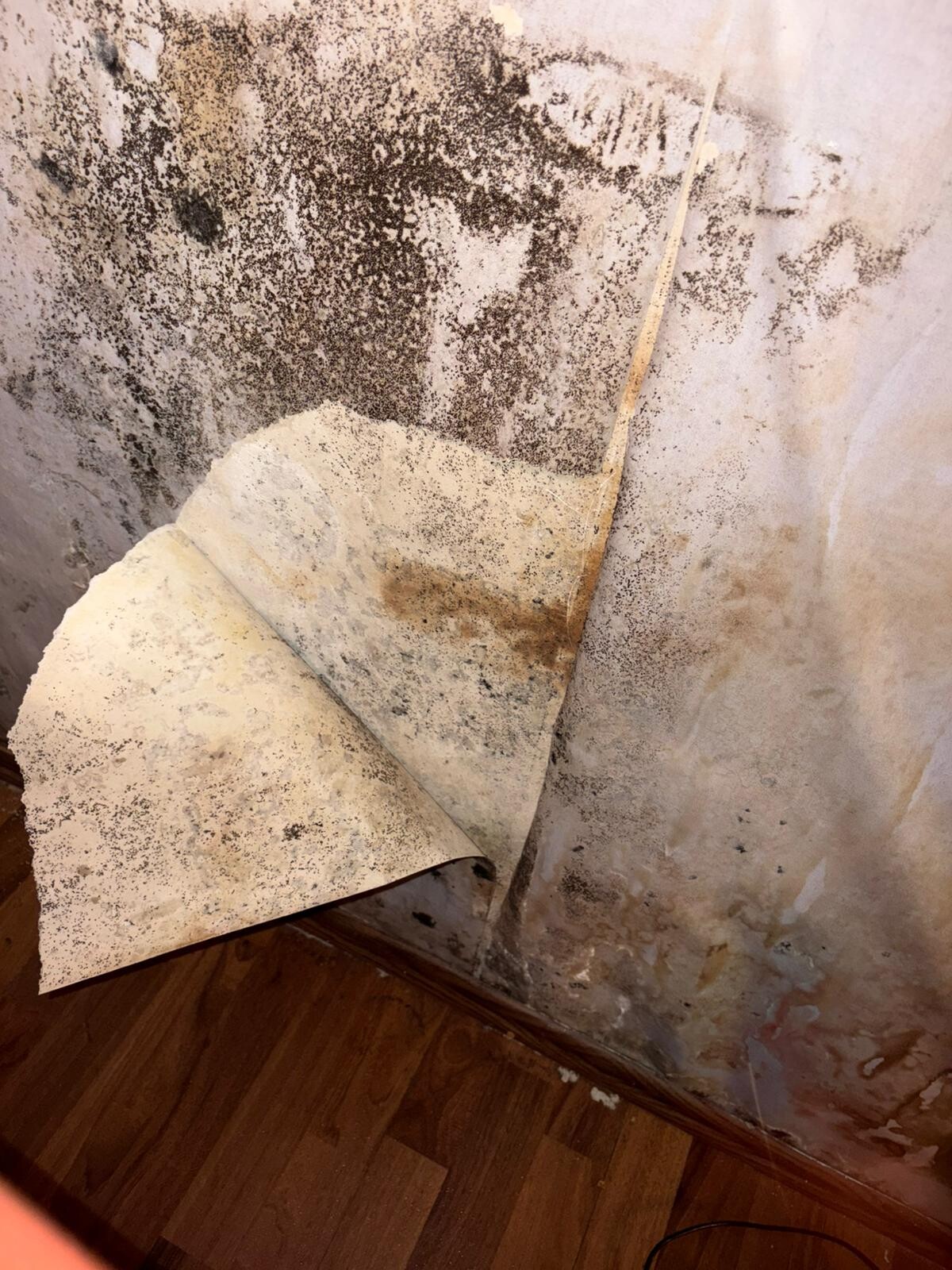
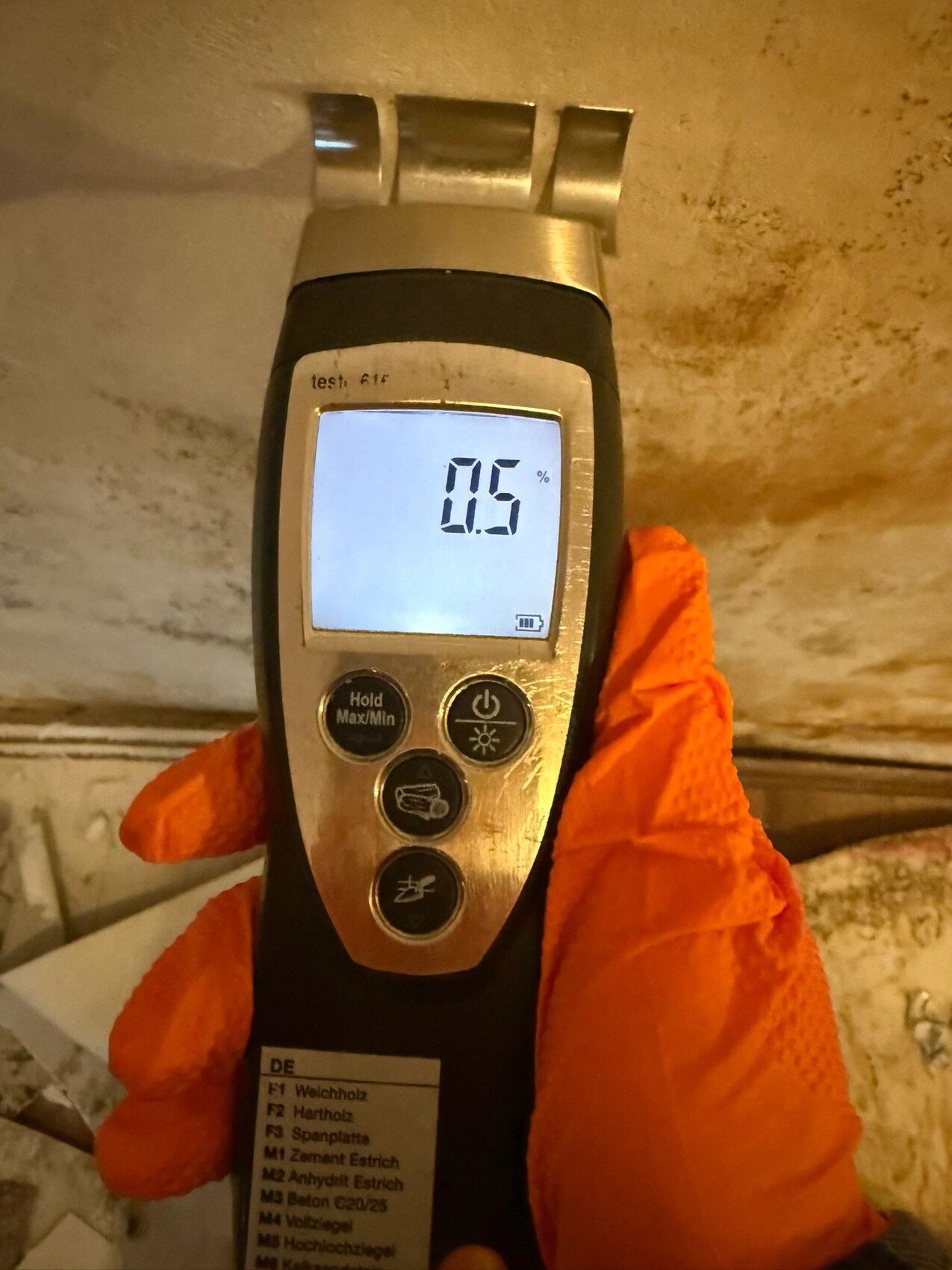
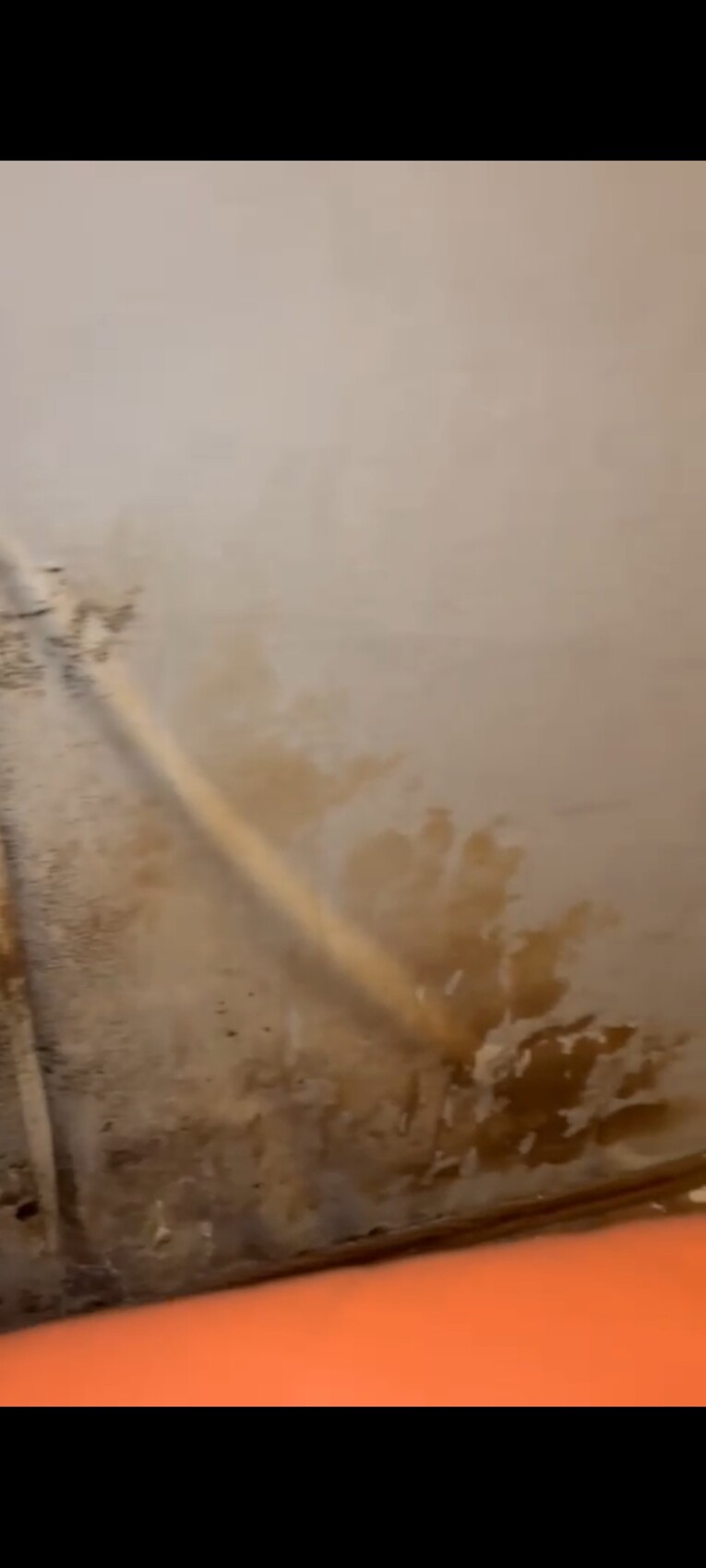
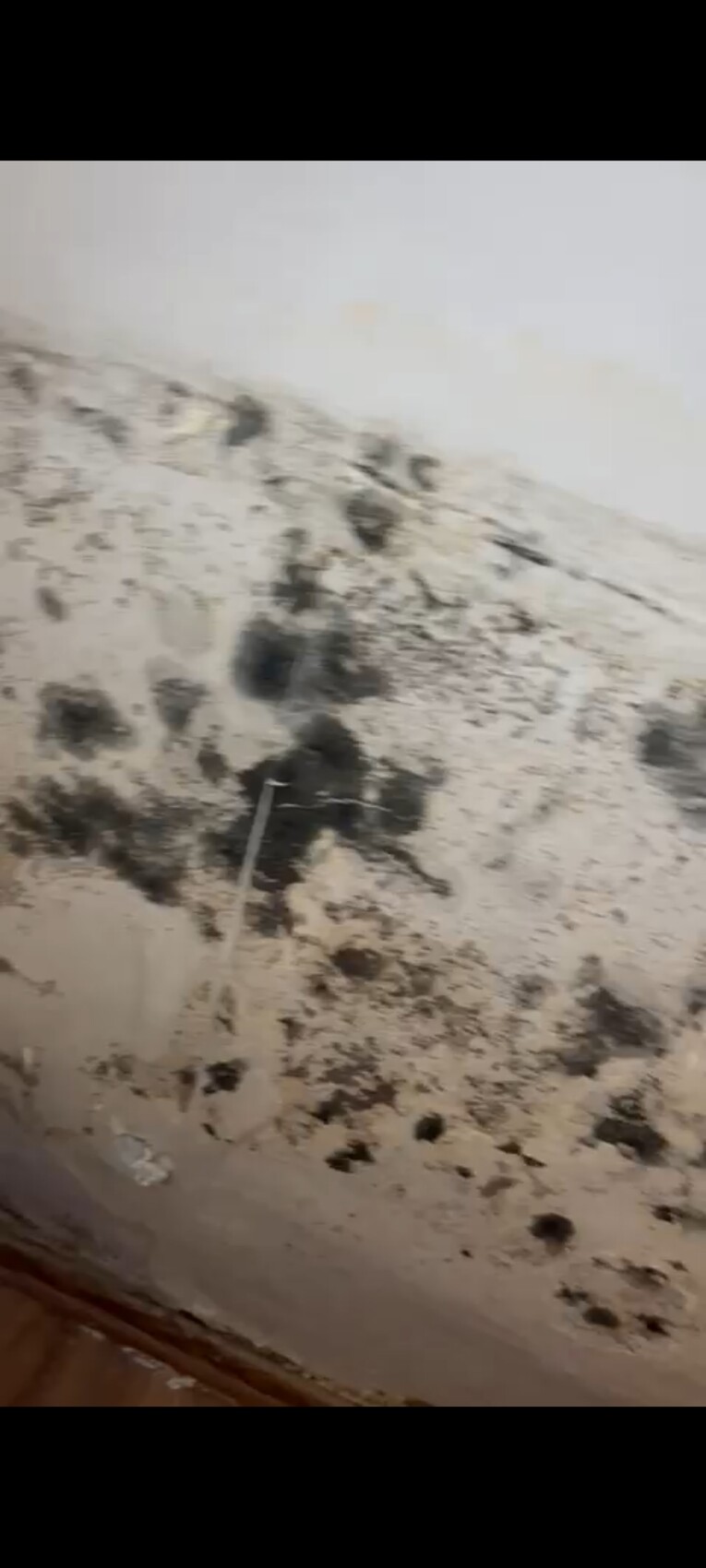
A measuring device reportedly showed a value of 0.5% (we were not present during the measurement and only have photos).
Should we consult an expert – how should we proceed?
N
nordanney2 Jan 2026 12:49Silly question. Of course, not moving in ;-)
What to do?
Immediate termination of the lease agreement (Building Code §543 in conjunction with Building Code §569).
Alternatively, contest the lease agreement (Building Code §123). The landlord was aware of the mold and confirmed this through their statements (and the plasterwork in the basement).
Does she want to stay? Then reduce the rent by 50–100% (I would just go with 100%, as the apartment is uninhabitable). Stay in a hotel until professional damage remediation is completed ==> costs borne by the landlord. Is the defect officially reported?
What to do?
Immediate termination of the lease agreement (Building Code §543 in conjunction with Building Code §569).
Alternatively, contest the lease agreement (Building Code §123). The landlord was aware of the mold and confirmed this through their statements (and the plasterwork in the basement).
Does she want to stay? Then reduce the rent by 50–100% (I would just go with 100%, as the apartment is uninhabitable). Stay in a hotel until professional damage remediation is completed ==> costs borne by the landlord. Is the defect officially reported?
W
wiltshire2 Jan 2026 19:05jessicatump schrieb:
A measuring device reportedly shows a value of 0.5 ahead (we were not present during the measurement and only see pictures) The device indicates that the wall is dry.
The area appears to have superficial damage.
It is possible that a piece of furniture was placed there, restricting air circulation behind it.
The wall may have minimal insulation, with the exterior side facing a shaded area or the north.
The old damage should be easy to remove, after which you can move in.
Do not place furniture directly against this wall (keep at least 5cm (2 inches) distance), and avoid hanging large pictures on this wall to prevent new damage.
N
nordanney2 Jan 2026 20:33wiltshire schrieb:
The spot looks like superficial mold growth. The first picture shows black mold that has deeply penetrated the plaster. This is far from superficial mold growth. Also, it’s not just a matter of furniture being placed incorrectly.
wiltshire schrieb:
Do not place furniture directly against this wall (minimum 5cm (2 inches) gap), and avoid hanging large pictures on this wall to prevent new mold growth. According to consistent (BGH) court rulings, there is a construction defect if mold develops under normal furnishing conditions. Some lower courts consider it reasonable to keep a distance of 5-10cm (2-4 inches) for large, solid furniture (large wardrobes, etc.—not sofas). If mold appears behind a picture, it is 100% certain that a construction defect exists. Tenants should not be expected to refrain from hanging pictures.
In this case, you are clearly mistaken. Also, none of us want to breathe in the black mold spores now present throughout the apartment, which are harmful to health.
P.S. All of this assumes proper heating and ventilation habits or the presence of a ventilation concept.
Similar topics